The seizure of nearly 30,000 live animals in just one month marks a major success for law enforcement, but it also uncovers the massive scale of global wildlife crime. Operation Thunder 2025, led by INTERPOL and the World Customs Organization (WCO) with the support of the International Consortium on Combating Wildlife Crime (ICCWC), has once again shown just how deeply rooted and coordinated the illegal trade in wildlife and forest resources has become.
From 15 September to 15 October 2025, authorities in 134 countries carried out 4,640 seizures, identified more than 1,100 suspects, and intercepted protected animals, plants and timber across global supply chains. The operation targeted trafficking routes from source to transit and destination markets, aiming not only to seize illegal goods but also to dismantle the criminal networks behind them.
A diverse and highly profitable criminal market
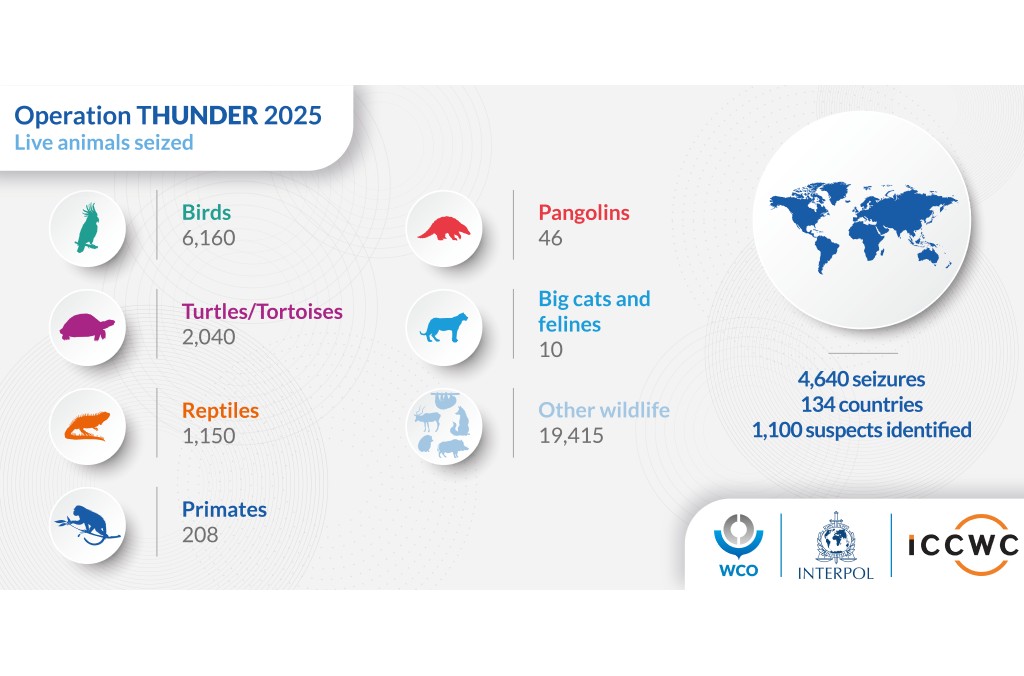
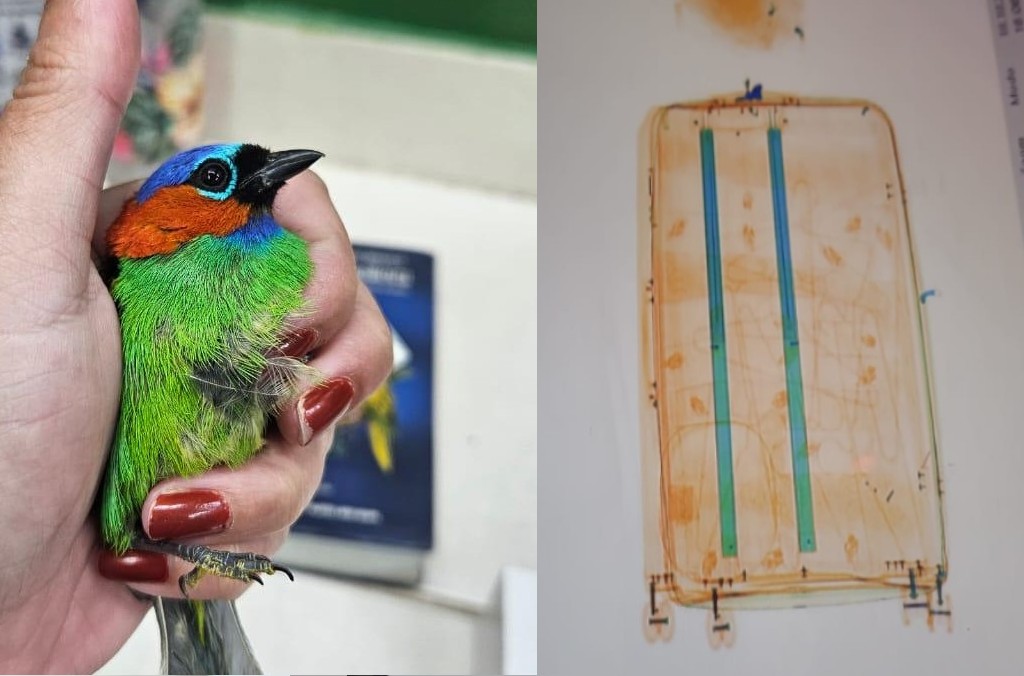
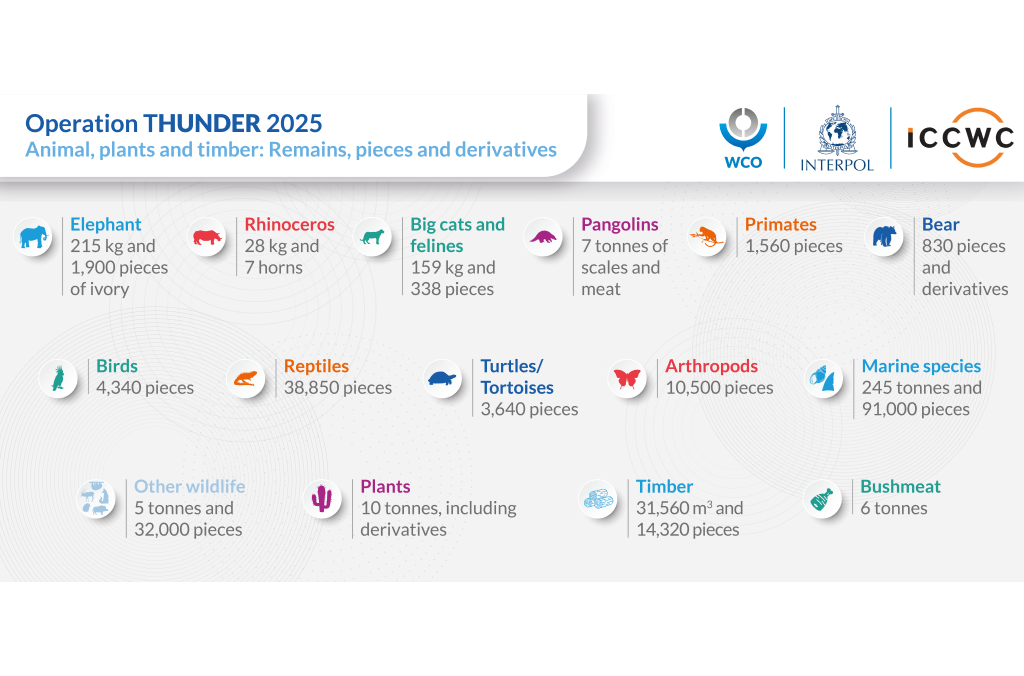
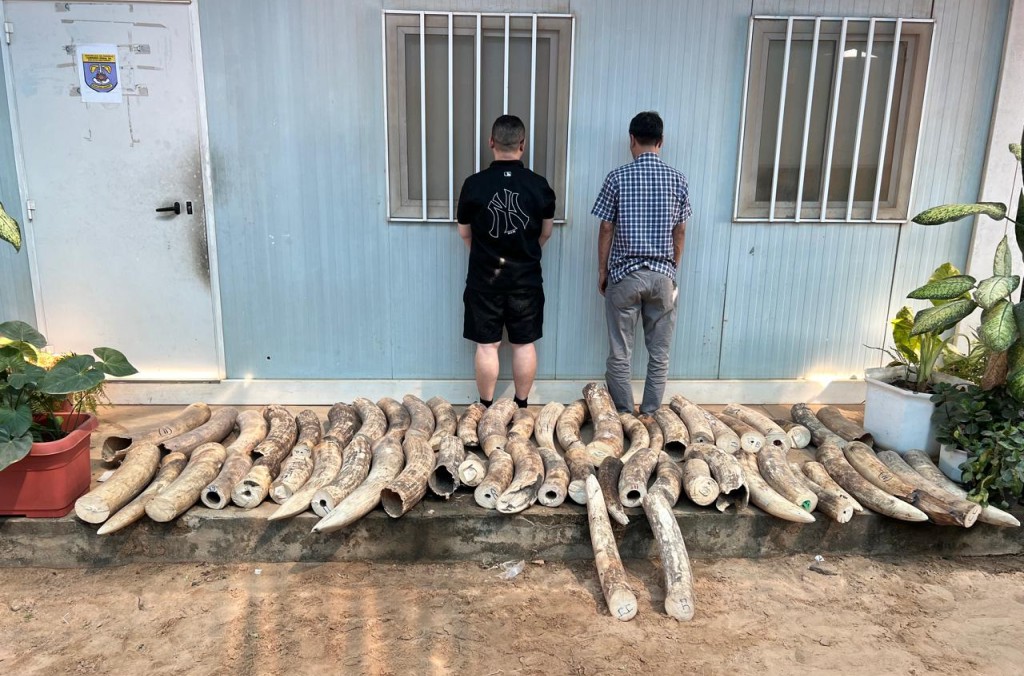
While the rescue of live animals captured public attention — including macaws, gibbons, pangolins, tortoises and reptiles — most trafficking detected involved animal remains, parts and derivatives. Ivory, rhino horn, pangolin scales, shark fins and tiger parts continue to be traded for use in traditional medicine or specialty foods.
Though wildlife crime is officially valued at around USD 20 billion per year, authorities believe the actual figure is much higher. The trade thrives where detection is low, penalties are weak and organised groups can take advantage of gaps between national systems.
There was a sharp rise in the trafficking of marine species, with more than 245 tonnes of protected marine wildlife seized, including thousands of shark fins. Authorities also confiscated nearly 10,500 arthropods, such as butterflies, spiders and other insects. These often-overlooked species play essential roles in ecosystems, and their removal risks ecological imbalance, the spread of invasive species and increased disease threats.
In addition, a record of over 10 tonnes of live plants and plant derivatives was confiscated, while more than 32,000 m3 and 14,000 pieces of illicit timber seizures were reported by countries.
One of the most disturbing findings was the spike in bushmeat trafficking, especially from Africa into Europe. A record 5.8 tonnes of bushmeat were seized, including meat and skins from primates, giraffes, zebras and antelopes.
The pattern is becoming clearer: wildlife crime is more than a conservation issue. It’s also about public health, security and the resilience of local economies.
Organised crime, not isolated actors
As INTERPOL Secretary General Valdecy Urquiza pointed out, wildlife and forest crimes are increasingly run by structured criminal networks, often the same ones behind drug trafficking and human exploitation. Operation Thunder made heavy use of intelligence-sharing, cross-border collaboration and financial tracking, including investigations into digital and cryptocurrency transactions tied to the trade.
INTERPOL issued 69 international notices during the operation. The intelligence gathered will continue to drive new investigations, moving enforcement from one-off seizures to broader network disruption.

Reinforcing enforcement through lasting capacity
Operation Thunder 2025 is a remarkable achievement in the global fight against wildlife crime, clearly demonstrating both the scale of the threat and the power of coordinated international enforcement. By disrupting trafficking routes, exposing criminal networks and sending a strong signal that wildlife crime is actively pursued across borders, such operations play a critical role in increasing risk and visibility for offenders.
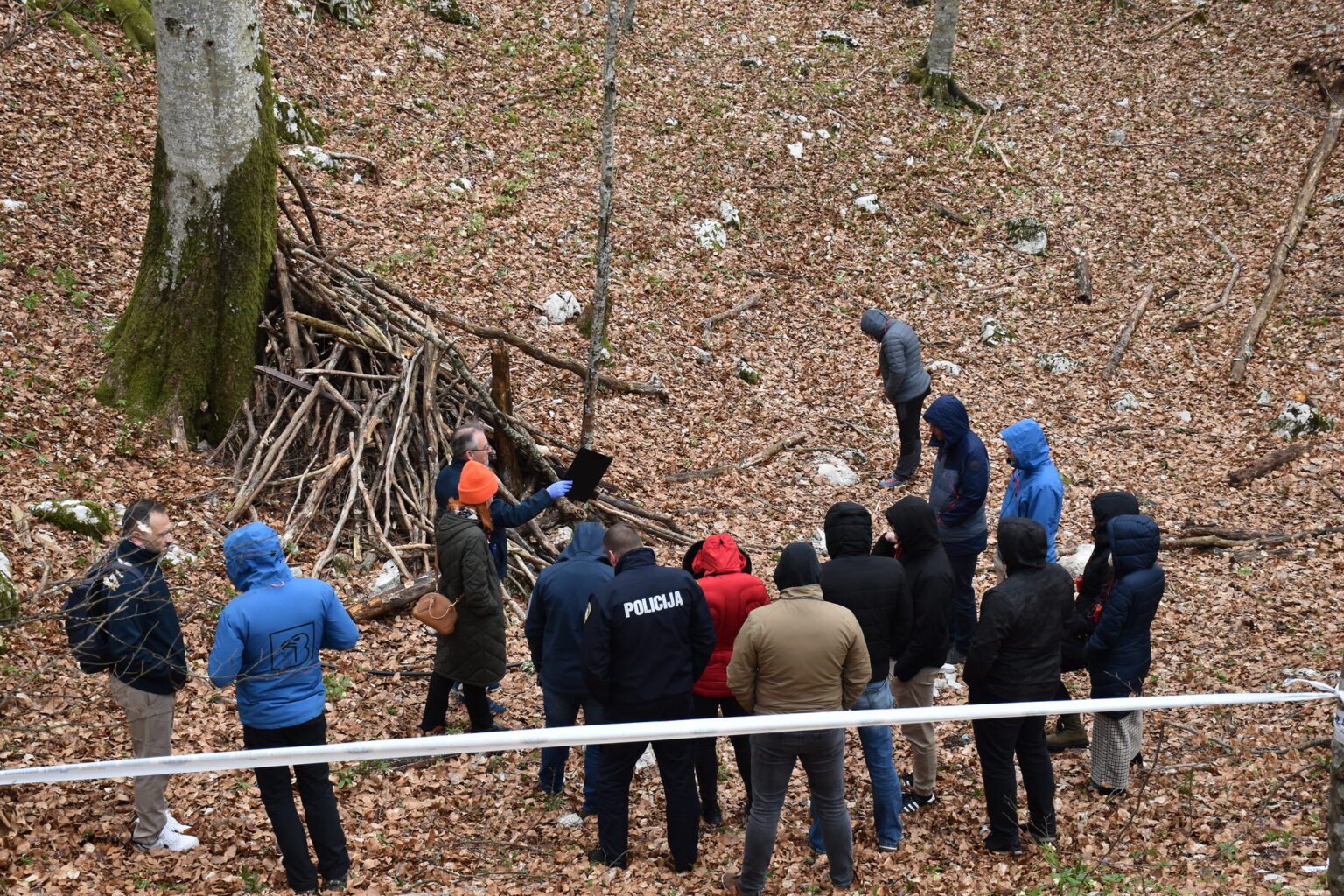
We seek to combat wildlife crime with the WildLIFE Crime Academy, which works at the national level across nine countries in Europe, the Caucasus and North Africa to strengthen the long-term deterrent effect of enforcement. Through targeted capacity building for competent authorities — including conservation bodies, law enforcement, prosecutors, forensic experts and toxicologists — the Academy aims to increase investigations, improve prosecutions and reinforce judicial outcomes, helping ensure that wildlife crime becomes a consistently high-risk crime for those who commit it.