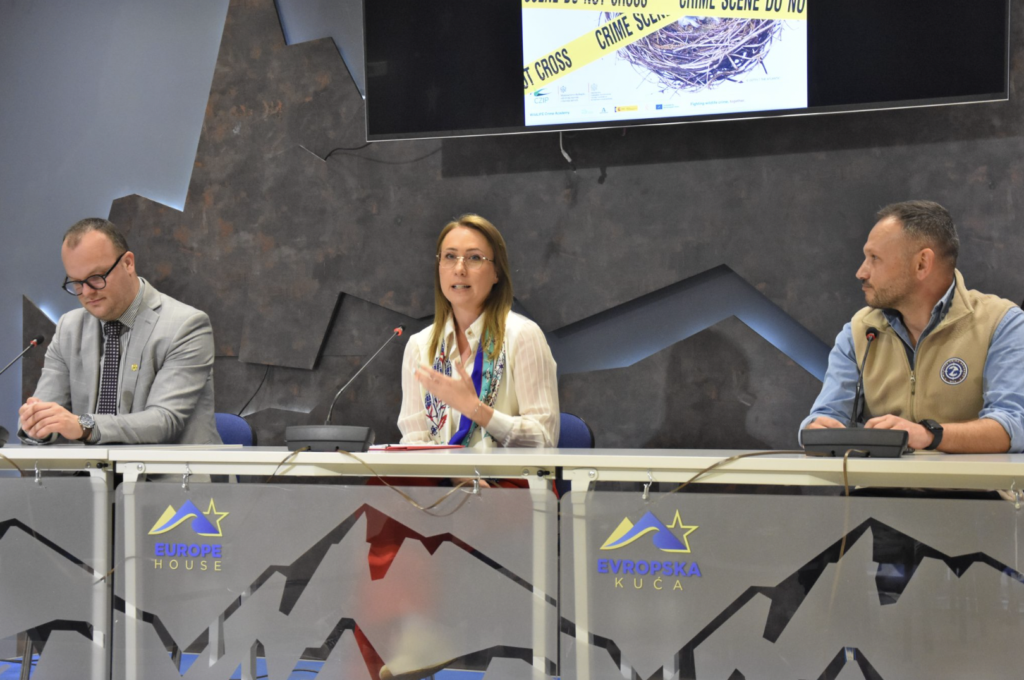
On 17 March 2026, the Centre for the Protection and Study of Birds (CZIP) hosted a press conference marking a significant moment for the WildLIFE Crime Academy project in Montenegro. At the event, the Ministry of Ecology, Sustainable Development and Northern Development signed a Manifesto for Combating Wildlife Crime, a public declaration of commitment to tackling these offences in a coordinated and sustained way.
A problem that’s often unseen and ignored
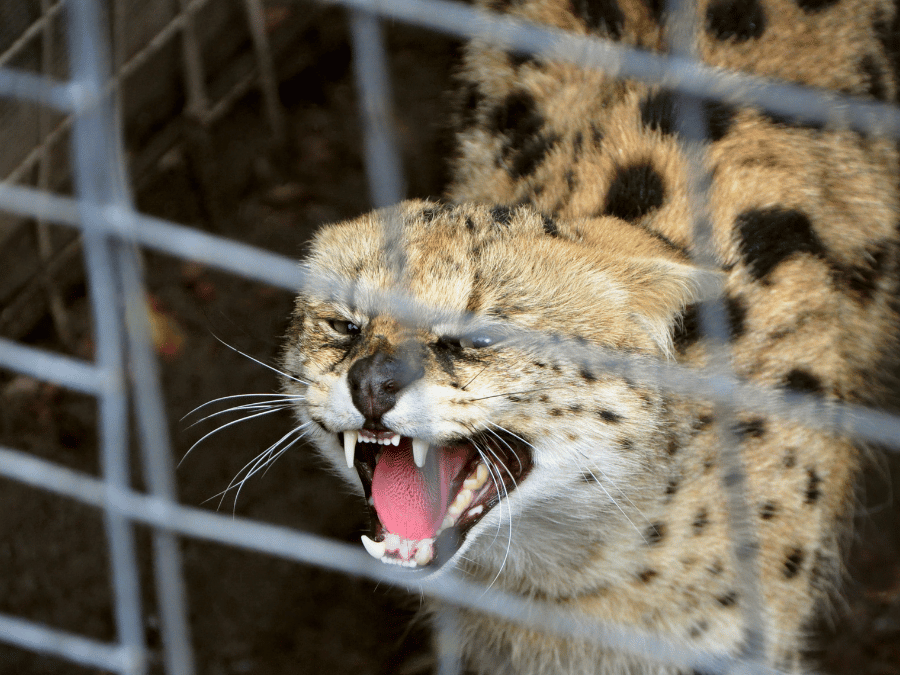
Wildlife crimes such as poisoning, poaching, trapping and trafficking are persistent but largely ‘invisible’. Illegal killing often goes unrecorded, and cases that are identified frequently fail to reach prosecution. CZIP Executive Director Jovana Janjušević pointed to habitat destruction, overhunting, uncontrolled collection from nature and illegal trade as ongoing threats to wild species, emphasising that without proper implementation of the law, nature protection cannot function. The fight against wildlife crime, she stressed, cannot rest on one agency alone. It requires genuine coordination between police, prosecutors and inspectors working as a connected chain.
What the WildLIFE Crime Academy is doing about it
The WildLIFE Crime Academy is an EU LIFE-funded project running across nine countries in Europe, North Africa and the Caucasus. In Montenegro, it is being implemented by CZIP.
The training programme of this LIFE project brings together police, prosecutors, forensic specialists, park rangers, forestry and hunting inspectors, and veterinary specialists. It centres on practical work: real case simulations, forensic evidence collection and coordination exercises designed to reflect what institutions actually face. The focus, as Janjušević described it, is on the entire process from field to courtroom, making sure no case fails on procedural grounds and that those responsible are appropriately sanctioned.
So far, 12 professionals from key Montenegrin institutions have completed two training modules in Spain. Three further sessions are planned, aiming to reach 25 participants across the relevant agencies.
Building a Protocol that works on the ground
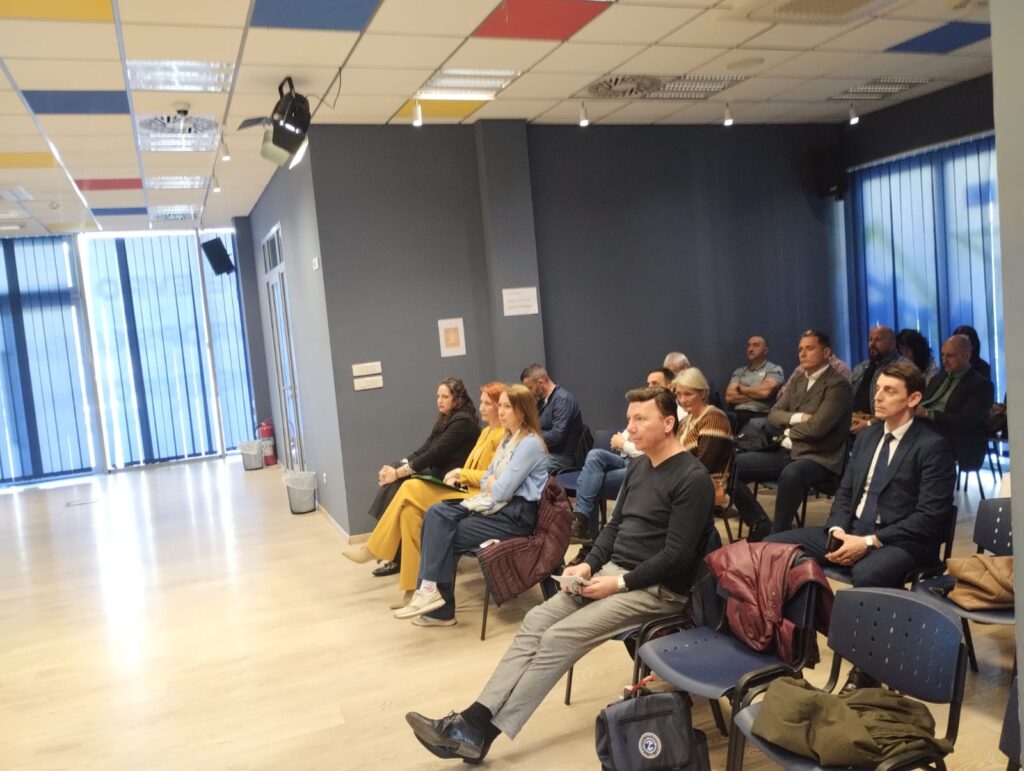
A key project output in Montenegro is the recent meetings to develop a Standard Operational Protocol for wildlife crime, a set of standardized procedures that institutions will follow when responding to suspected offences. Many cases fall apart not for lack of evidence but because of how that evidence was handled, or how poorly agencies coordinated when it mattered. A shared protocol addresses that directly, and it is being shaped by what participants are learning through the training programme.
The Manifesto and the momentum behind it
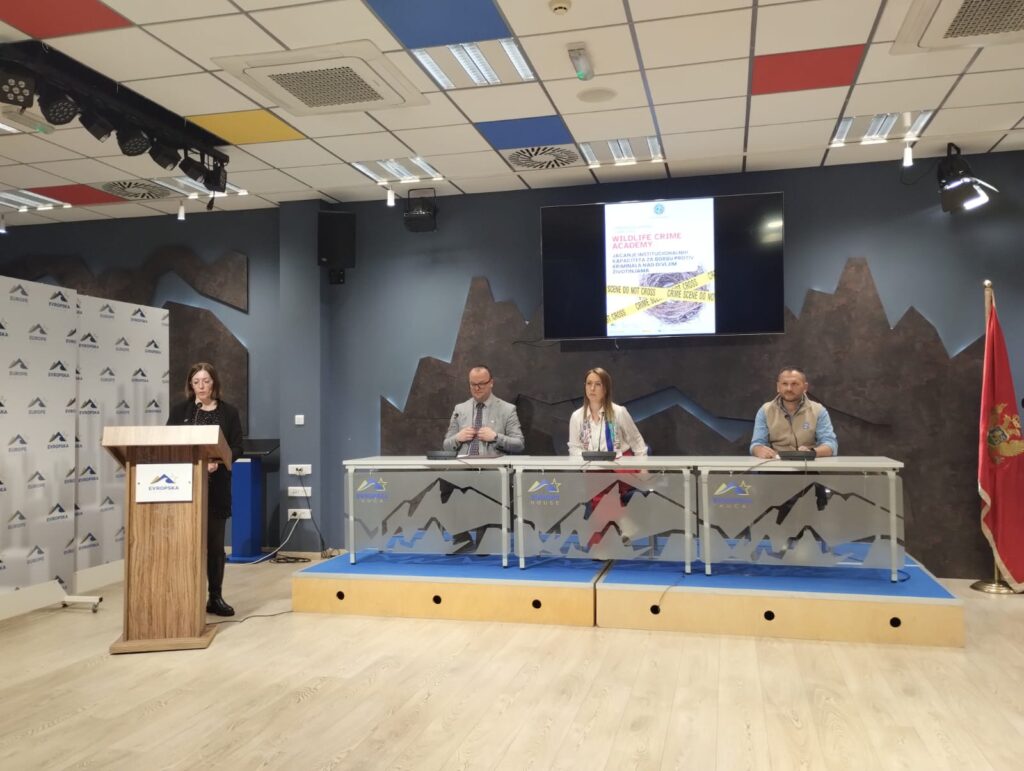
The manifesto signed by the Ministry of Ecology carries real weight because of what surrounds it. In September 2025, the government decided to establish a dedicated Operational Team for Combating Environmental Crime. Deputy Prime Minister Aleksa Bečić has put forward an initiative to create a specialized unit within the Sector for Combating Crime dedicated to environmental and wildlife crime. A National Action Plan 2025–2030 aims to reduce illegal activities, stabilize endangered species populations, and protect key habitats and migratory corridors, with the long-term goal of reducing illegal killing and trade of birds by at least 50% by 2030.
Minister of Ecology Damjan Ćulafić also highlighted cuvaj.me, a citizen reporting platform developed with the EU Delegation that allows anyone to flag environmental crimes online. He noted that the Wildlife Crime Academy represents one of the first LIFE projects implemented in Montenegro, following the country’s becoming a signatory to the LIFE programme after 33 years.
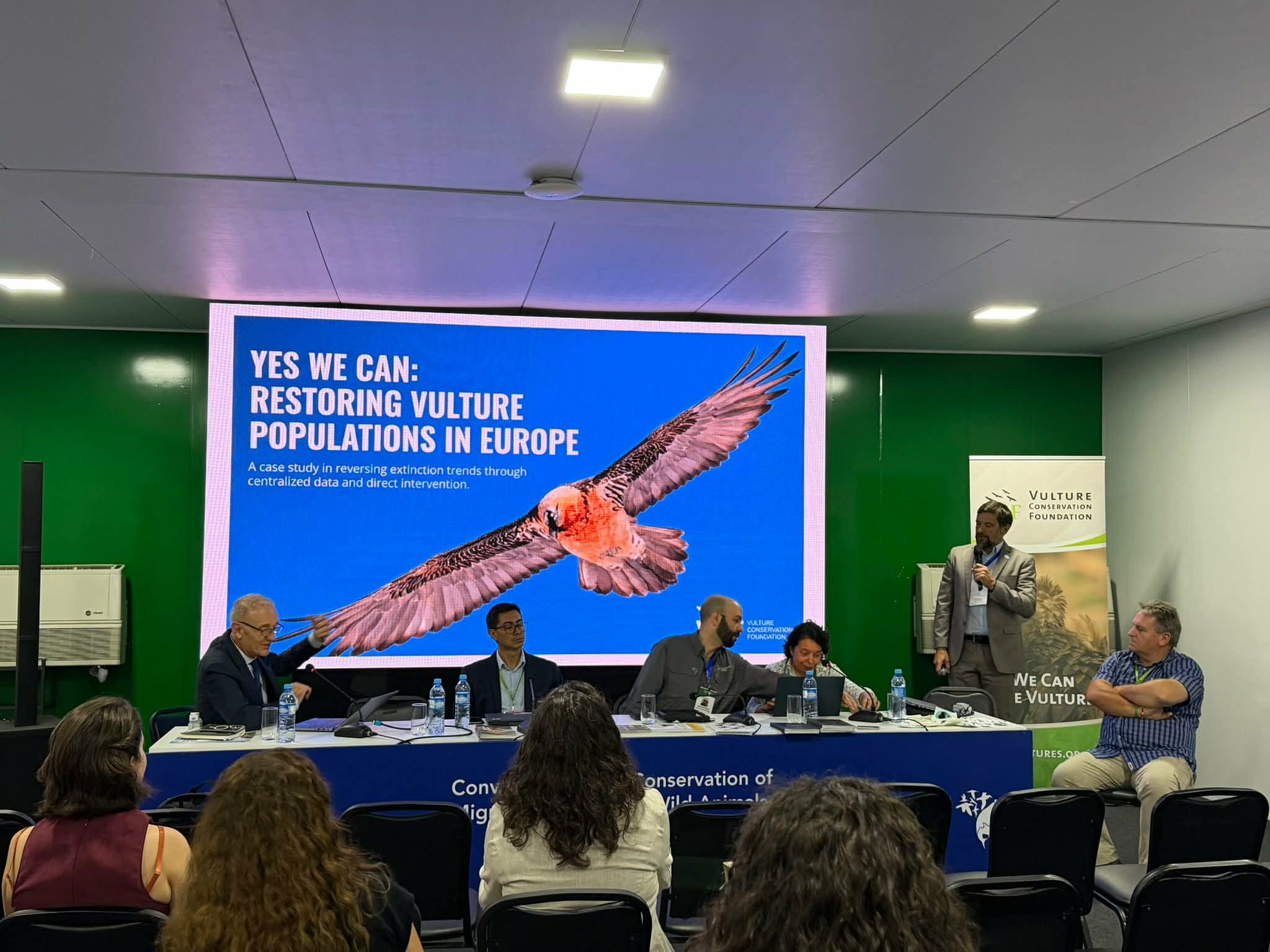
Jovan Andevski of the Vulture Conservation Foundation described the project as revolutionary and noted that compared to many European countries, Montenegro is recording genuine progress and approaching the issue with real seriousness. He also made the point that wildlife crime is not just an environmental issue since nature conservation is directly connected to human health.
As Janjušević emphasised, knowledge, coordination and political will can make a real difference. The signed manifesto, the protocol in development, and the training already underway are all part of the same effort to make sure that when wildlife crime happens in Montenegro, the system is ready to respond.