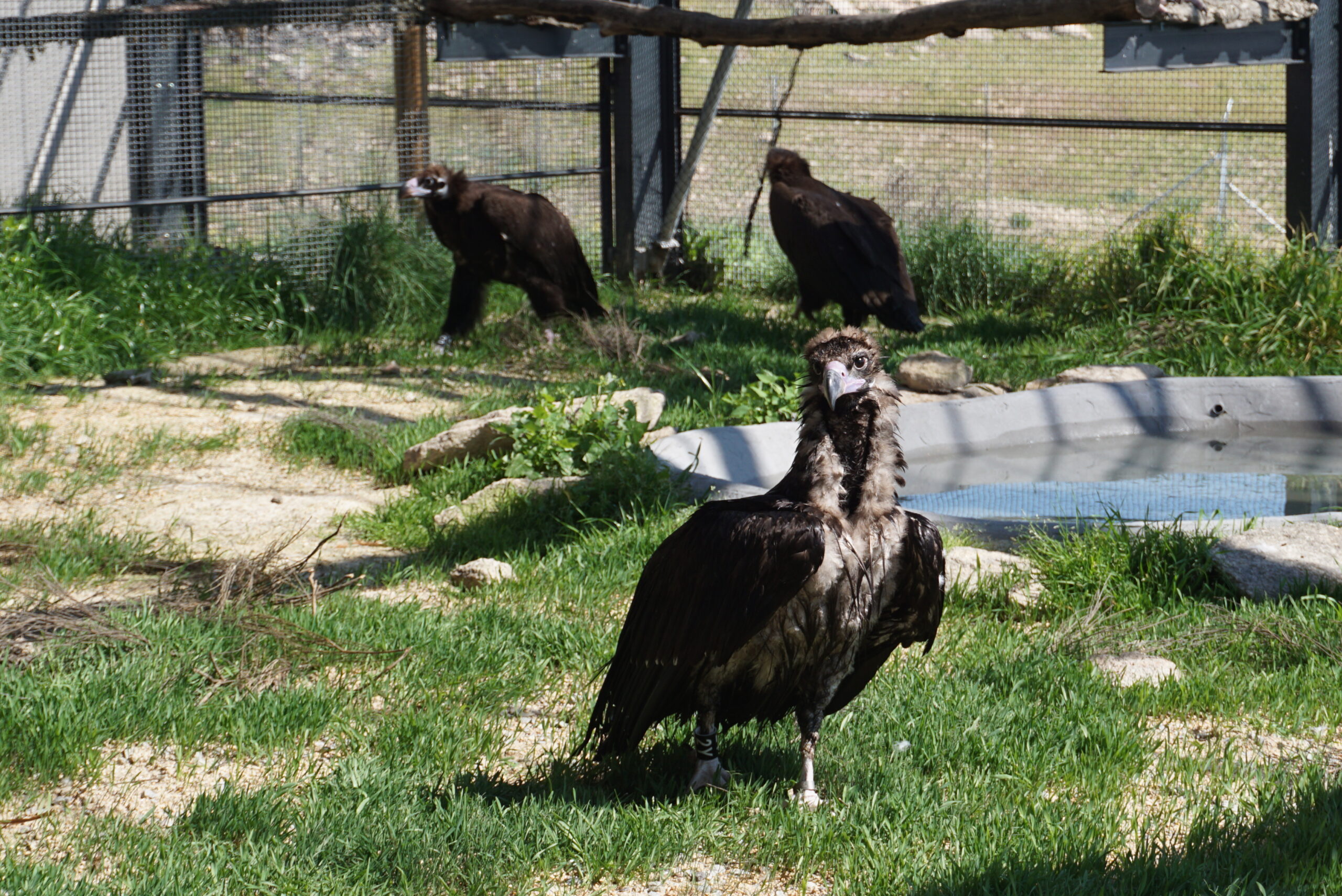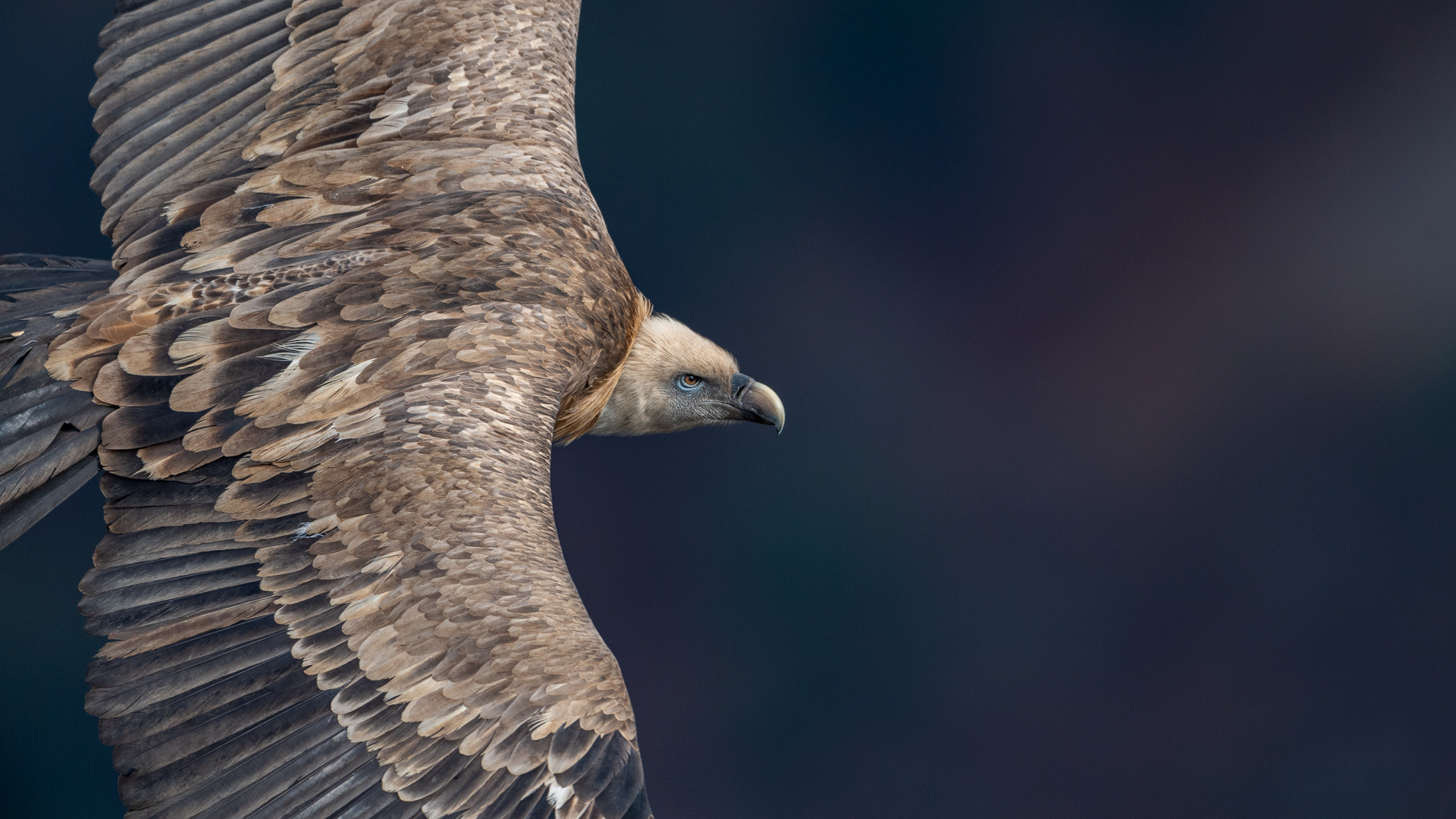
The survey precedes a series of training sessions aimed at encouraging the use of lead-free ammunition within the hunting sector in Portugal. Lead from traditional ammunition poses a particularly significant environmental threat to scavenging birds, such as the Cinereous Vulture.

The lead problem
Lead is a toxic element that causes numerous negative effects on living organisms, including neurological disorders, anaemia, renal dysfunction, reproductive issues, and developmental disturbances in embryos. It also weakens the immune system and, in severe cases, leads to death. Consequently, most sources of lead pollution in developed countries have been phased out or strictly regulated over the last 50 years.
According to the European Chemicals Agency (ECHA), 44,000 tonnes of lead are deposited into the environment every year across the 27 EU Member States: 57% from sports shooting, 32% from hunting, and 11% from fishing. In response to this public health and environmental crisis, the EU implemented Regulation EC 2021/57 in February 2023, prohibiting lead ammunition in and within 100 metres of all EU wetlands. While this significantly reduces contamination in aquatic ecosystems, the use of lead ammunition remains permitted for terrestrial hunting.
Scavenging birds are especially vulnerable to involuntary lead poisoning. Upon impact, lead bullets frequently fragment into tiny particles that spread through the tissues surrounding the wound. This fragmentation increases the likelihood of birds ingesting lead while feeding, and the high surface area makes it easily erodible by digestive juices, facilitating rapid absorption.
As part of the LIFE Aegypius Return project, which focuses on protecting the endangered Cinereous Vulture, several actions have been planned to facilitate the transition to lead-free ammunition in collaboration with the hunting sector.
Assessing perceptions
ANPC (National Association of Rural Landowners), the LIFE Aegypius Return project partner leading the hunting-related actions, has just launched a survey for hunters and game managers in Portugal. The goal is to ascertain the current use of lead-free ammunition in Portugal and to understand the motivations and frustrations within the sector regarding alternative options. The results will help tailor upcoming training sessions to address specific concerns.
Training hunters
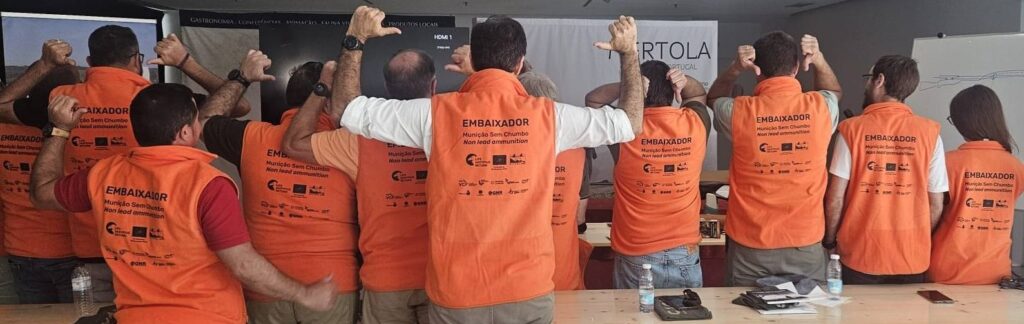
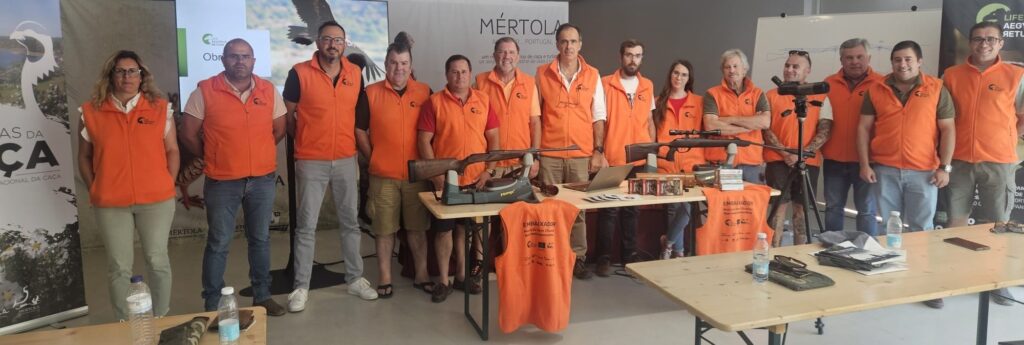
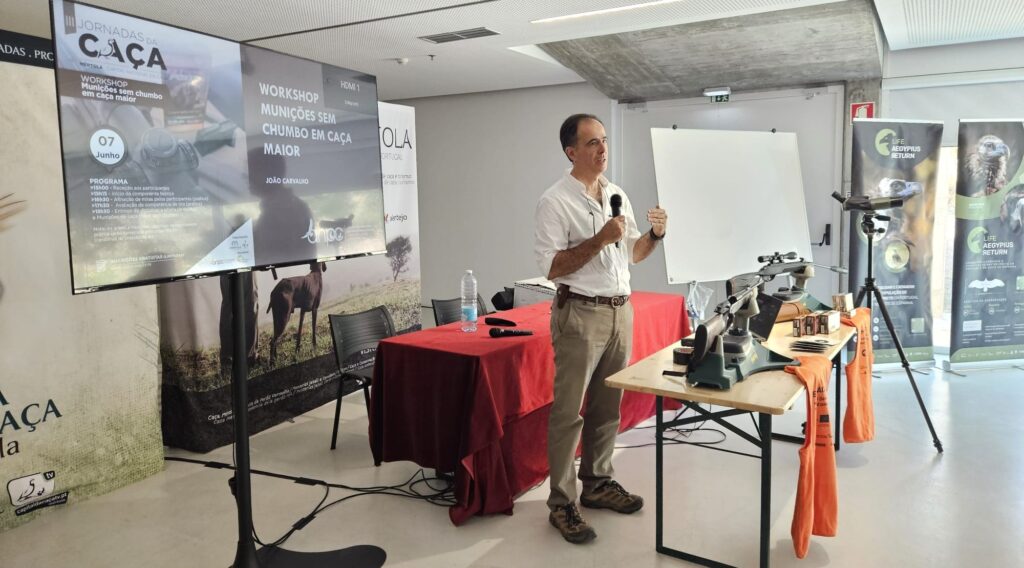
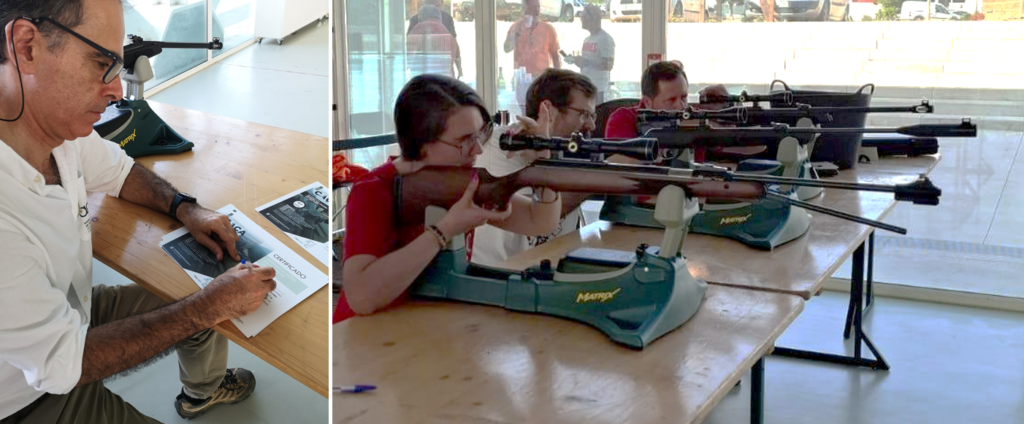
In 2025, as part of the III Hunting Conferences (Jornadas da Caça) held in Mértola, the project held its first training session. Coordinated by ANPC, the session involved 14 hunters and covered theoretical topics such as ballistics, firearm compatibility, and the impact of lead on nature and game meat. The practical component included scope zeroing and shooting proficiency drills. Participants also explored the wide range of alternative ammunition currently available on the market and its advantages over traditional lead.
Following this successful experience, trainees who passed the proficiency tests were appointed as Lead-Free Ammunition Ambassadors.
The hunting sector: a crucial partnership for reducing lead contamination
Thanks to the collaboration with hunters and hunting estates, new training sessions on lead-free alternative ammunition for big game hunting will be held across more areas of the country. These actions are primarily designed to involve hunters and hunting estates in regions near Cinereous Vulture breeding colonies. The objective is to encourage the use of non-toxic ammunition already available on the market through capacity building, as well as communication and awareness campaigns.
Dates and locations will be announced in due course.
For responsible and sustainable hunting!
LIFE Aegypius Return encourages hunters and game managers to remain at the forefront of nature conservation. If you wish to collaborate by receiving information and training on lead-free ammunition, please complete the questionnaire. By listening to the sector’s needs, we can improve our communication and impact.
Acknowledgements
The LIFE Aegypius Return partners thank everyone involved in the Mértola training, particularly the Municipality of Mértola, as well as those supporting future sessions. We are also grateful to everyone who takes the time to respond to and share the survey.
About the LIFE Aegypius Return project

The LIFE Aegypius Return project is co-funded by the European Union’s LIFE programme. Its success depends on the involvement of all the relevant stakeholders and the collaboration of the partners: the Vulture Conservation Foundation (VCF), the coordinating beneficiary, and local partners Palombar – Conservation of Nature and Rural Heritage, Herdade da Contenda, the Portuguese Society for the Study of Birds, the League for the Protection of Nature, the Transhumance and Nature Association, Fundación Naturaleza y Hombre, the National Republican Guard y the National Association of Rural Owners of Game Management and Biodiversity.