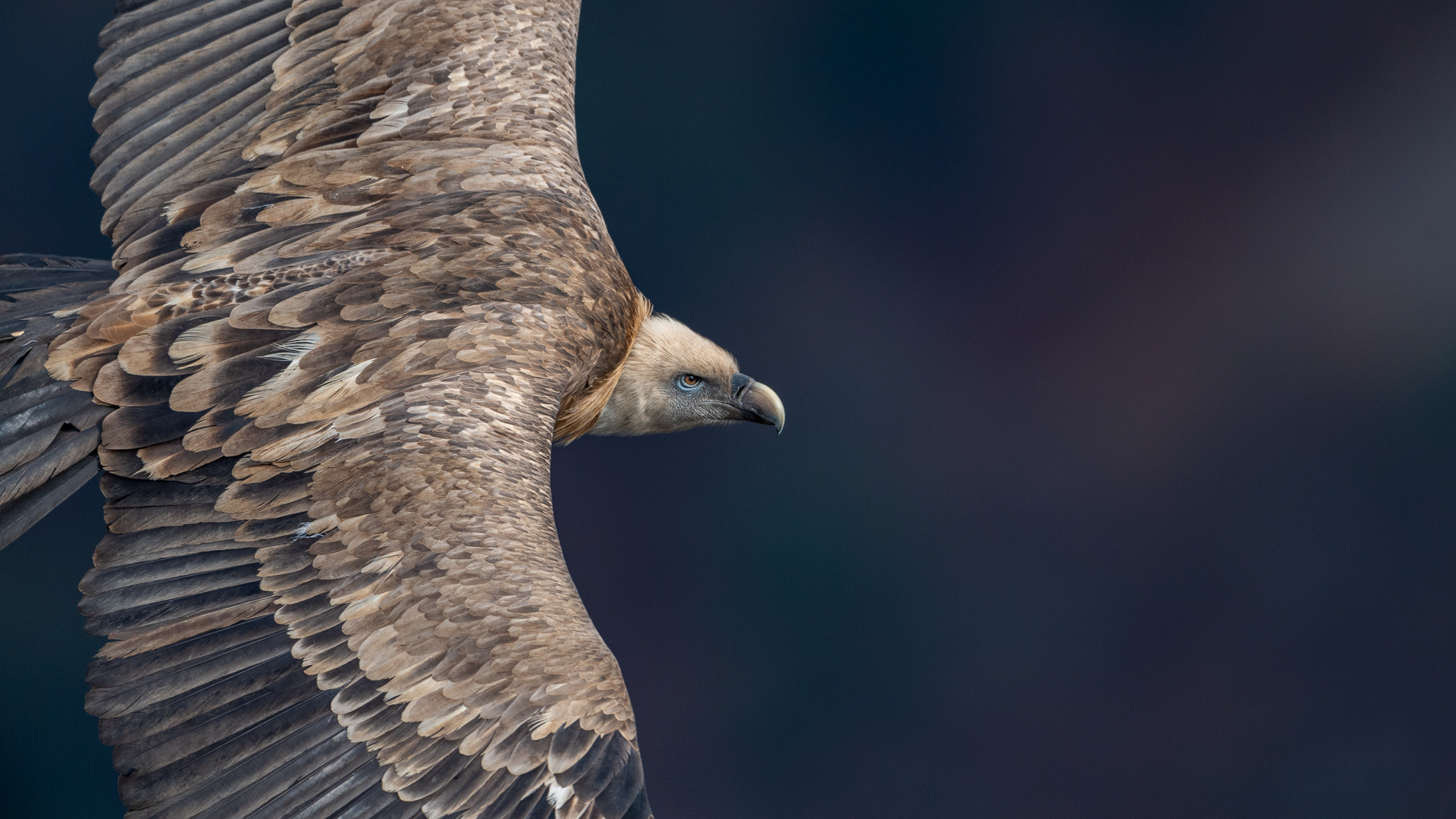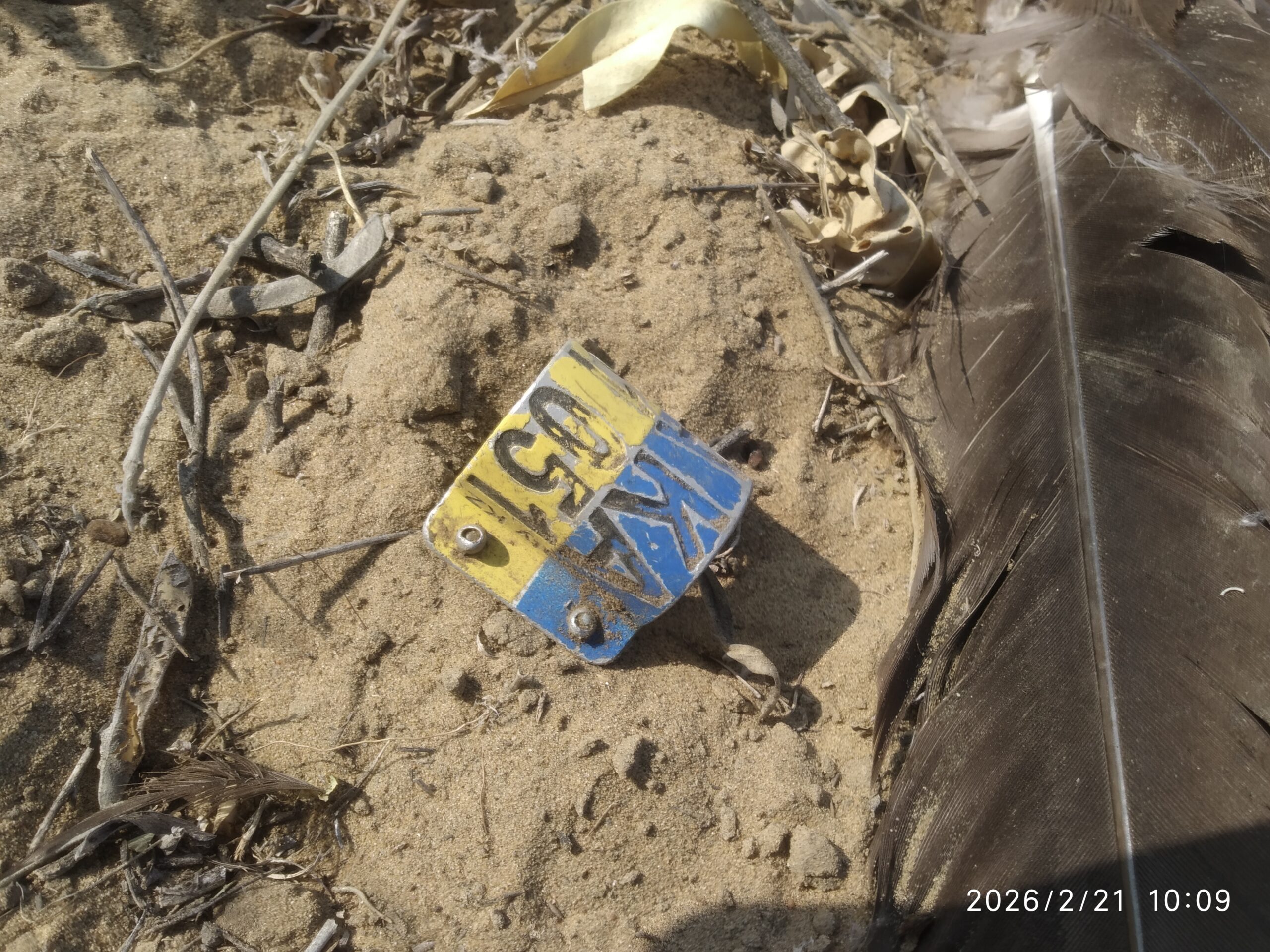
The analysis of the movements of GPS-tracked Griffon Vultures in Sardinia reveals valuable information to advise future conservation strategies. The study, conducted by the LIFE Safe for Vultures project, highlights the importance of the supplementary feeding network and strategic areas for vulture conservation.

The LIFE Safe for Vultures project analysed movements of 77 Griffon Vultures (Gyps fulvus) living in two areas of Sardinia, from 2016 to 2024. The first group included wild-hatched Sardinian Griffon Vultures, birds previously released in the Bosa breeding colony by the LIFE Under the Griffon Wings project, and two birds rehabilitated by the LIFE Safe for Vultures and released in Bosa in 2024. The second and third groups included vultures released as part of the LIFE Safe for Vultures project’s restocking initiative in Villasalto, Southeast Sardinia.
Sardinia is home to the last native population of Griffon Vultures in Italy. In the 1930s, the Sardinian Griffon Vulture population counted 800-1200 individuals, but direct persecution, poisoning, and increasing food scarcity caused a sharp decline in the population. The last Remaining stronghold of Griffon Vultures was a single, vulnerable breeding nucleus in northwestern Sardinia, between Bosa and Alghero. The first conservation efforts began in the 1970s with supplementary feeding sites, followed by legal protection and systematic monitoring of breeding birds. The restocking initiatives began between 1987 and 1995, but mass poisonings in the late 1990s and 2000s took a toll on the population. From 2016, projects like LIFE Under the Griffon Wings and LIFE Safe for Vultures carried out restocking initiatives, tackled threats, increased food availability through a feeding station network, and secured the protection of key sites and habitats.
Three groups, two geographical areas, and two different behaviours
The first two groups, one in the north and one in the south of the island, showed a strong attachment to their release area. In the first case, the close presence of other wild and released individuals likely influenced the tagged vultures’ behaviour. In addition, the area around Bosa and Punta Cristallo hosts supplementary feeding stations, which provide predictable carrion for the vultures, roosting and breeding sites.
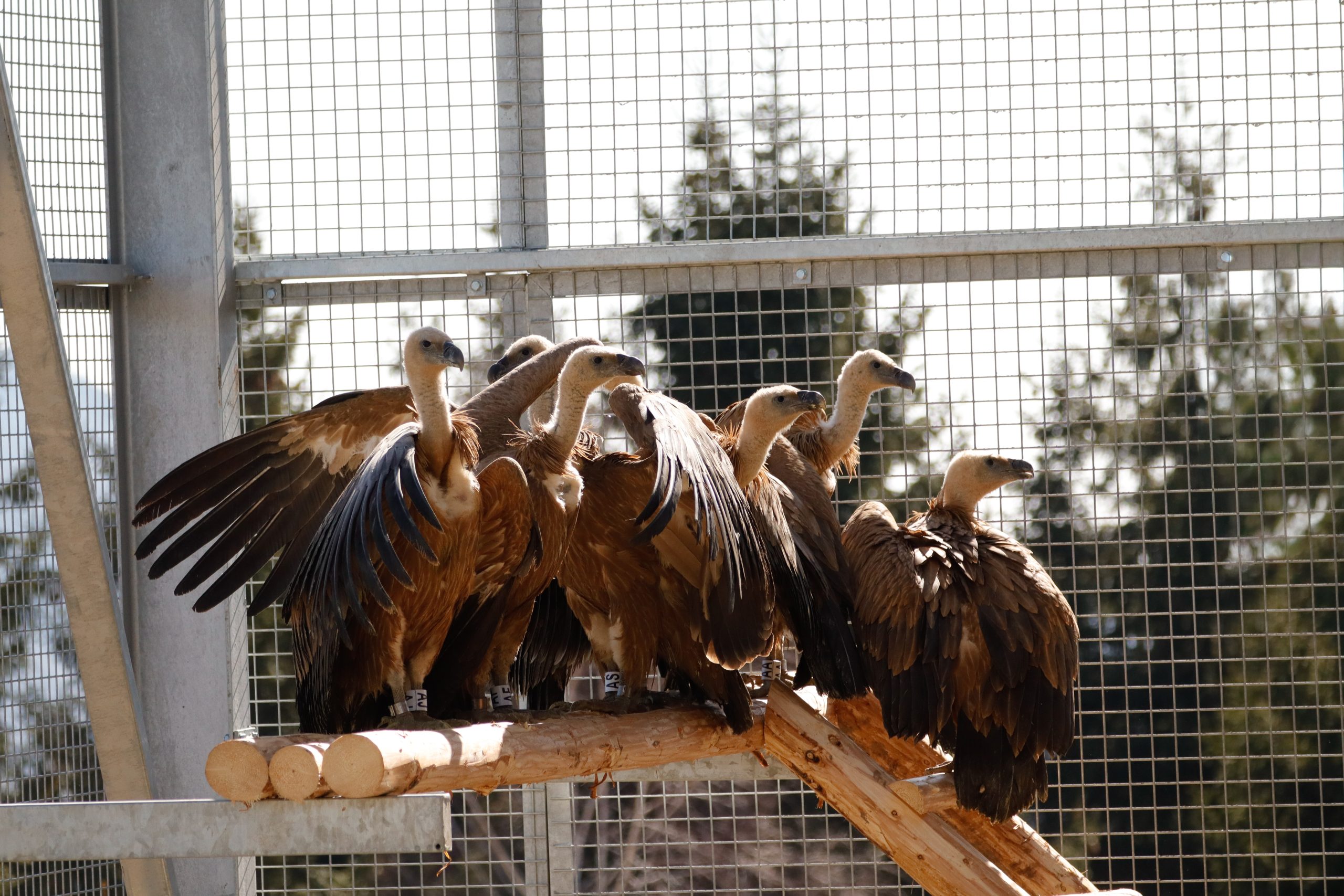
The second group comprised vultures released in springtime near Villasalto after 10 months of acclimatisation in the project aviary. Their fidelity to the release site is likely the result of the acclimatisation period, combined with the favourable conditions and attractiveness of the Villasalto area or Griffon Vultures. This area offers safe feeding opportunities, thanks to the supplementary feeding stations network and roosting sites.
On the contrary, the third group proved to be full of young explorers. The vultures, released in autumn, after only 6 months of acclimatisation, moved northwards within a few weeks after their release. They engaged in long-range movements across Sardinia, covering distances exceeding 150 km from Villasalto toward the Bosa and Punta Cristallo colonies in the northwest of the island.

New perspectives for future conservation strategies
The data analysis highlights several valuable pieces of information for vultures’ conservation in Sardinia and opens further research questions. The data showed that the historical area in the northwest of the island is still a crucial area for the Griffon Vulture population. The conservation actions taken by the LIFE Under the Griffon Wings create favourable conditions for vultures even after the end of the project.
Villasalto demonstrates to be another core area for the species, especially now that the population is growing and expanding southwards. Thanks to the efforts of the LIFE Safe for Vultures project, the area now supports the establishment of a new colony in southeastern Sardinia. The contrasting patterns between the two groups of vultures released in Villasalto highlight that reintroduced vultures adapt dynamically to local ecological conditions and social cues.
It is known that longer acclimatization periods have a positive impact on the establishment of released Griffon Vultures; whether the season of release plays a direct role in the long-range explorations observed needs further investigation. In this context, our findings offer important insights for future release strategies. Synchronizing release timing with favorable ecological conditions and resource availability could enhance establishment success while maximizing the resilience and connectivity of the Sardinian population. Lastly, telemetry data can be used in environmental impact assessments related to the construction of new energy infrastructures or the expansion of existing ones. Thanks to the monitoring data, the LIFe Safe for Vultures project submitted over 20 observations to energy infrastructure development proposals, successfully preventing the construction of energy infrastructures close to Griffon Vultures’ core areas.
LIFE Safe for Vultures
LIFE Safe for Vultures is co-financed by the EU’s LIFE Programme to restore the vulture guild in Sardinia. The University of Sassari leads the project in collaboration with Agenzia Regionale Forestas, Sardegna Corpo Forestale, E-Distribuzione and the Vulture Conservation Foundation. LIFE Safe for Vultures builds on the work of the successful LIFE Under Griffon Wings, with the ultimate objective for Griffon Vultures to regain their historic ranges and distribution areas from the central-eastern part of Sardinia to the south and promote the long-term survival of the species on the island. An additional feeding station will be established south of the island, and 40 additional Griffon Vultures will be translocated and released.