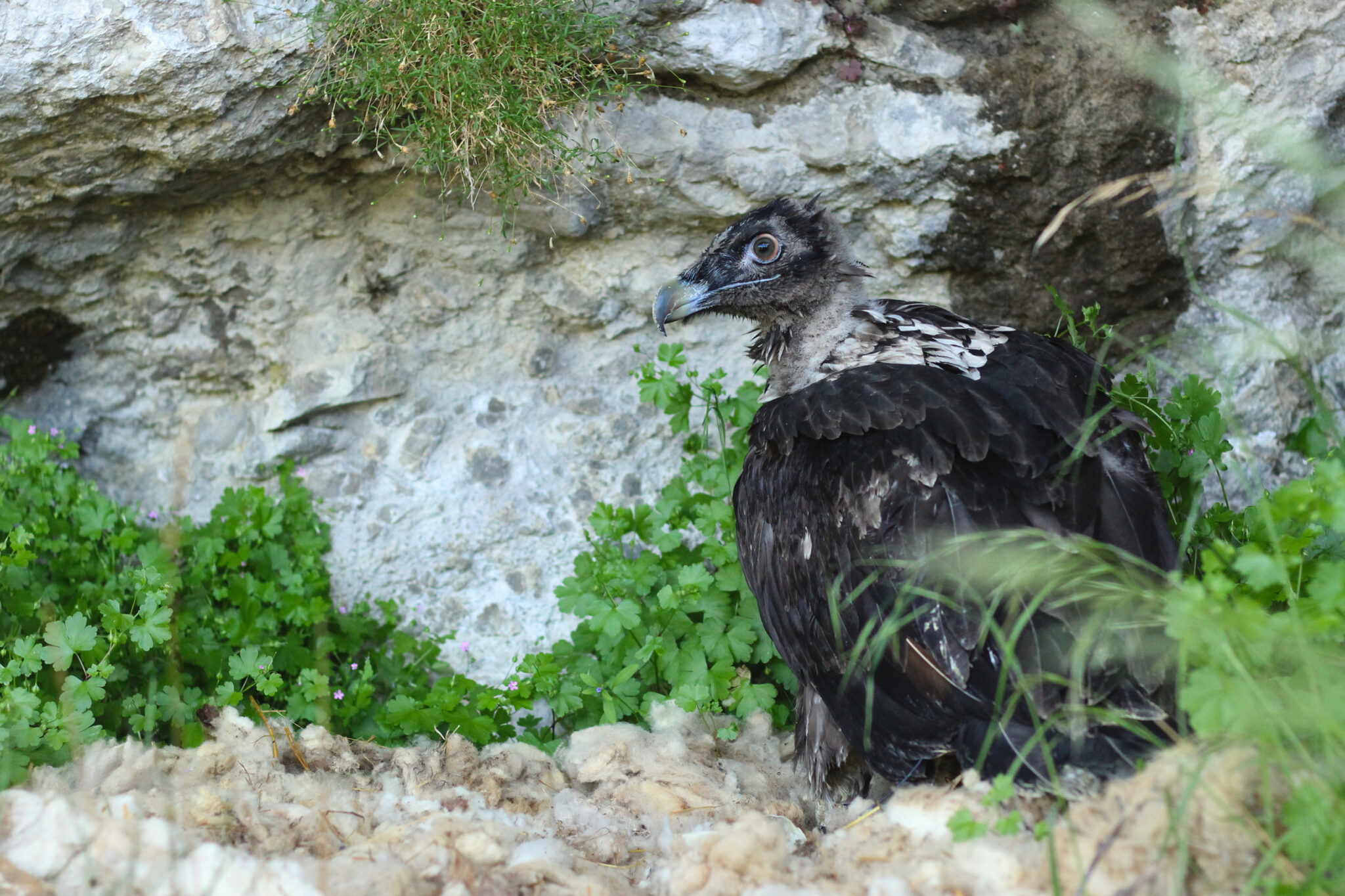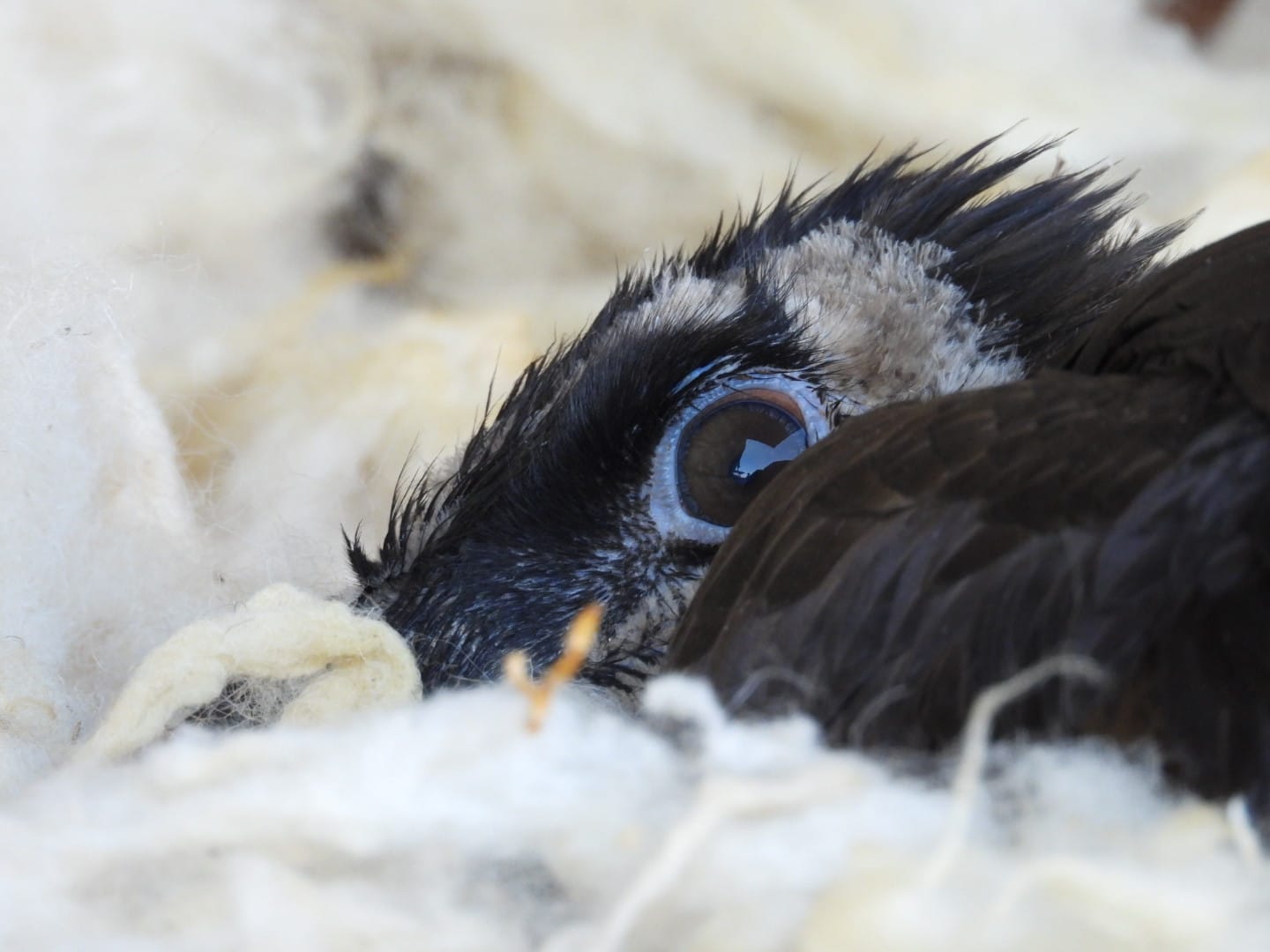
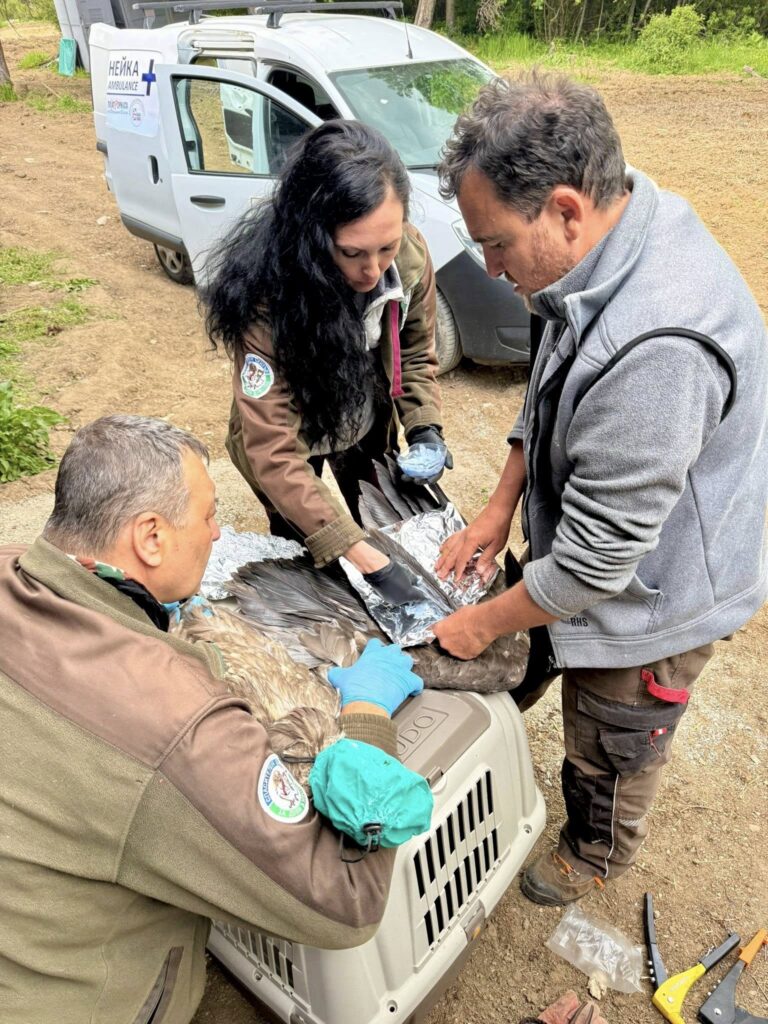
Two young Bearded Vultures were recently released in the Sinite Kamani Nature Park near Sliven, Bulgaria. This is the second year in a row that the birds have been released into the country, as part of the effort to reintroduce the species that had been gone from Bulgaria for over 50 years.
The two young birds were placed in an artificial nest at the hacking site inside the Park, where they will be watched closely until they are ready to fly and start exploring the surrounding mountains on their own.
A species that disappeared and is on the way back
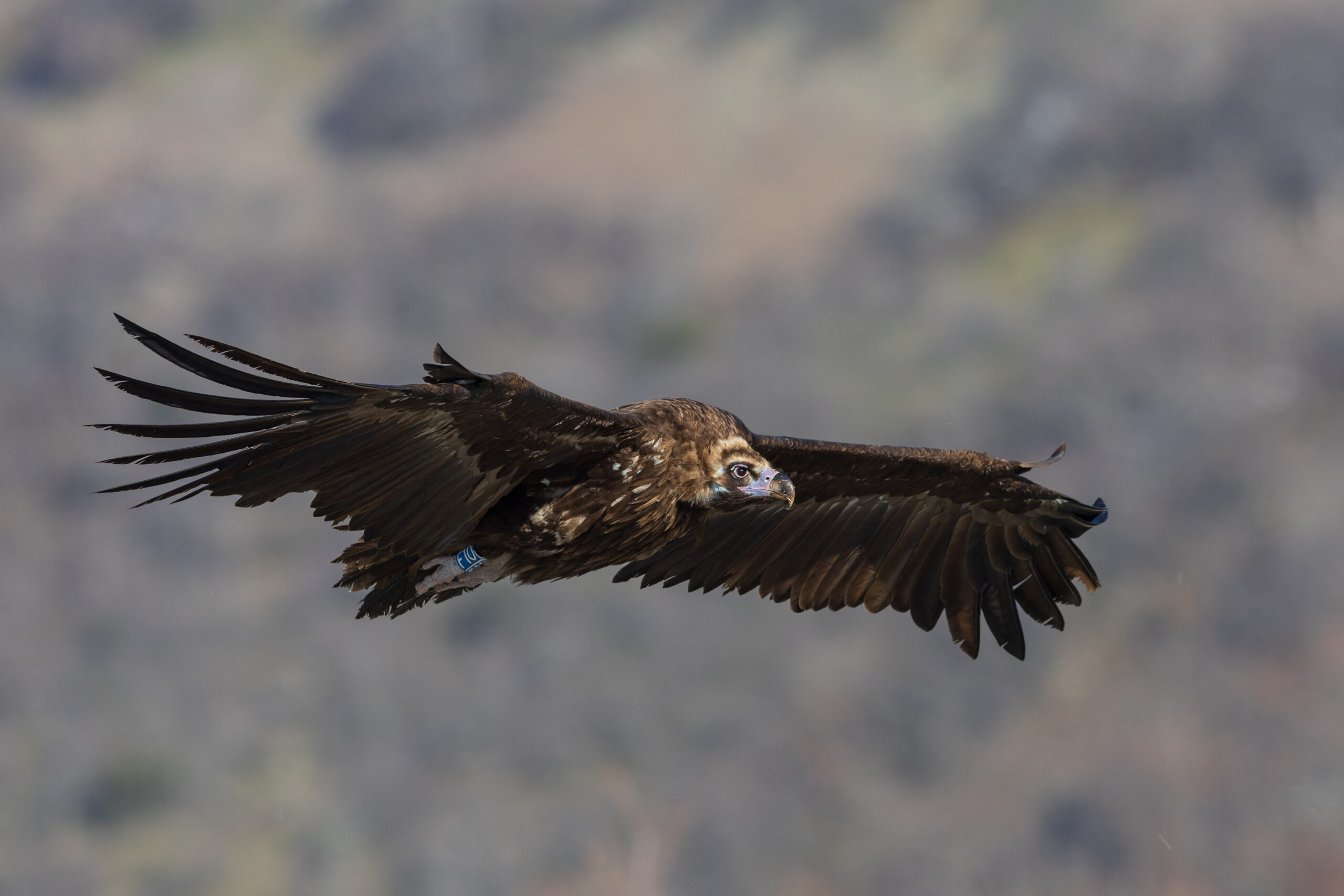
Bearded Vultures were once a common sight across Bulgaria’s mountains. The last confirmed sighting in the country was in Sinite Kamani in 1972. Since then, through years of conservation work and international cooperation, efforts have been underway to bring them back. The 2026 release follows the first-ever release carried out in 2025 and is part of the Bearded Vulture LIFE project, which is working to restore Bearded Vultures in Bulgaria and on the Balkans and to support the successfully restored Cinereous vulture population in the country.
About the two birds
Both vultures hatched on February 15, 2026, but came from different places.
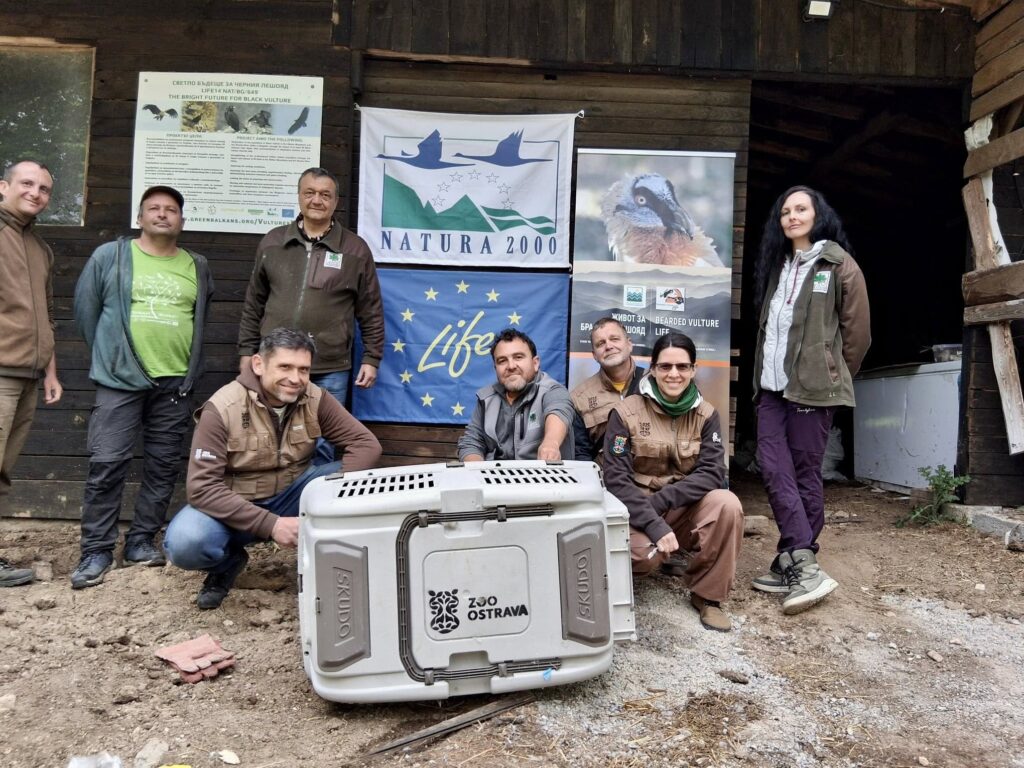
One hatched at Zoo Ostrava in the Czech Republic, and is a female bird named Nadezhda. Zoo Ostrava has been part of the Bearded Vulture Captive Breeding Network (Bearded Vulture EEP) since 2009. The zoo has now contributed 24 birds to release programmes across Europe.
The second hatched at the Green Balkans Wildlife Rescue Centre in Stara Zagora, Bulgaria, and is a male vulture named Sliven. He is the 13th Bearded Vulture chick produced there since the breeding programme began. This chick emerged earlier than expected and needed some help from specialists during hatching before being returned to its parents to be reared.
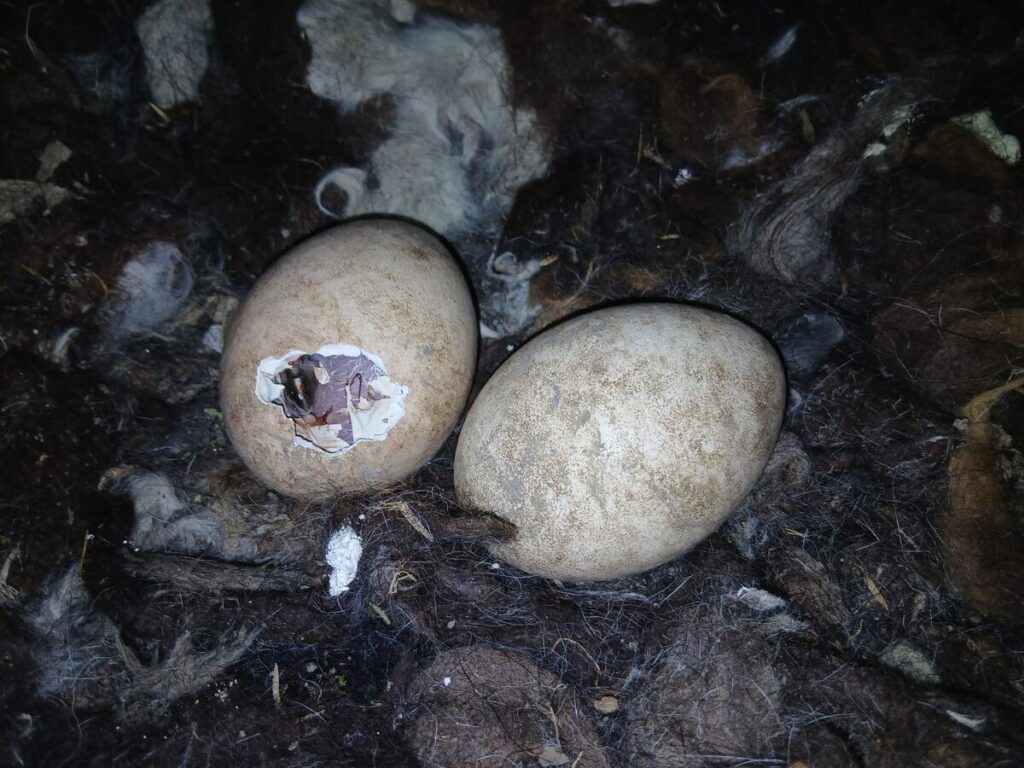
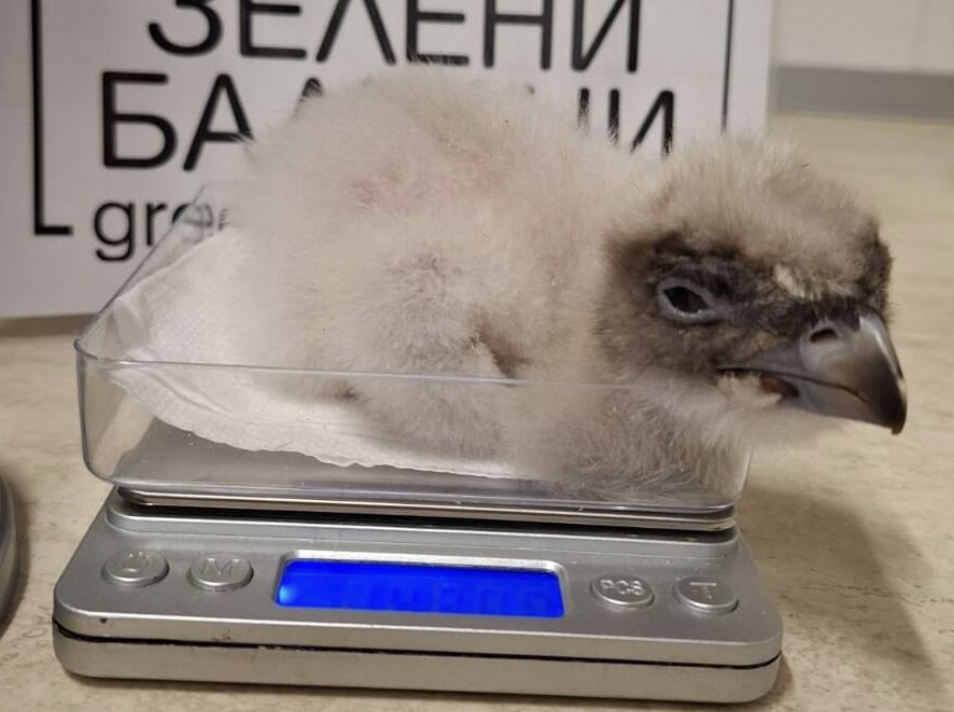
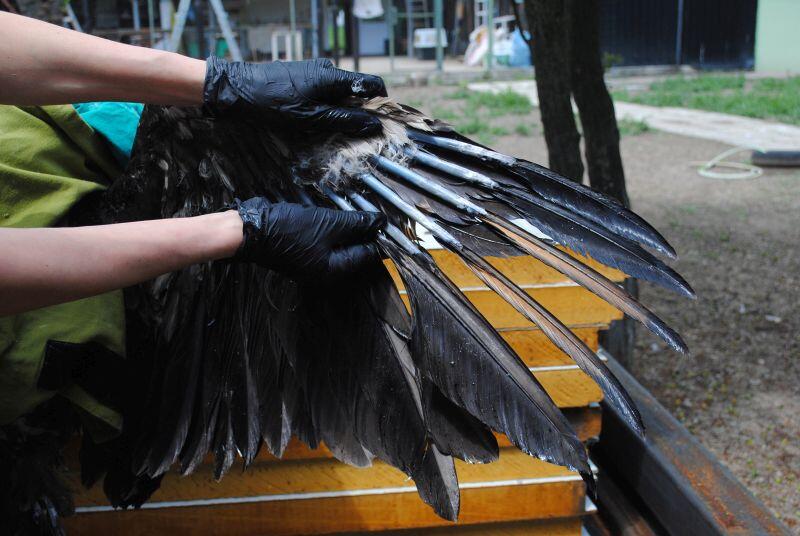
Before being moved to the release site, both birds were fitted with identification rings and GPS transmitters. A unique pattern of their feathers was also bleached so field teams can identify them in flight after they fledge.
Getting the site ready
In the weeks before the release, conservation teams prepared the hacking site. The artificial nest from last year’s release was repaired and a new observation hide was built nearby, allowing the team to monitor the birds without disturbing them. The site was set up with nesting materials, sheltered perches and feeding and water stations.
The hacking method, commonly used in raptor conservation, lets birds bred in captivity slowly get used to wild conditions while still being fed and looked after by experienced staff without human contact. The two vultures will stay in the nest and be observed from a distance until they take their first flights over the cliffs and forests of Sinite Kamani.
We wish Nadezhda and Sliven a strong start in the wild. One more release is planned in Bulgaria this year: a Bearded Vulture expected in late June.
About the Bearded Vulture LIFE project
The “Bearded Vulture LIFE” project is a comprehensive initiative, aiming to restore the Bearded Vulture and Cinereous Vulture across Bulgaria and the Balkans. With a budget of €5.17 million, co-funded by the European Union’s LIFE Programme, the project commenced in August 2023 and is expected to continue until 2030. Building upon the achievements of its predecessor, “Vultures Back to Life,” it is coordinated by Green Balkans, with five more partner organizations within Bulgaria, including the Fund for Wild Flora and Fauna, Foundation EkoObshtnost, EVN – Elektropradelenie Yug EAD, Severozapadno Darzhavno Predpriyatie – Vratsa, and “Sinite kamani” Nature Park Directorate. Furthermore, the project benefits from international collaboration, including the Vulture Conservation Foundation (VCF), responsible for the translocation and safeguarding of captive-bred birds secured for release. Additionally, the partner Milvus group is responsible for executing conservation efforts in Romania.