Over 60 vultures were killed in less than a week in two separate poisoning incidents, one in Botswana and one in Senegal. These are only the latest episodes of the incessant poisoning wave that is severely hindering the African vulture population.
The wave of poisoning incidents that started with two episodes in ten days at the beginning of the year continues to claim victims across the African continent. This time, it hit Botswana and Senegal, killing over 60 vultures in a few days. More than 200 vulture deaths have been recorded since the beginning of the year, in six separate incidents.
Around 60% of African vulture deaths are attributed to poisoning every year, and seven of the continent’s eleven vulture species are labelled endangered or critically endangered by the IUCN. Most poisoning and poaching incidents often go undiscovered, making the investigated cases only the tip of the iceberg of the real issue. Under this light, the 2026 numbers become even more concerning.
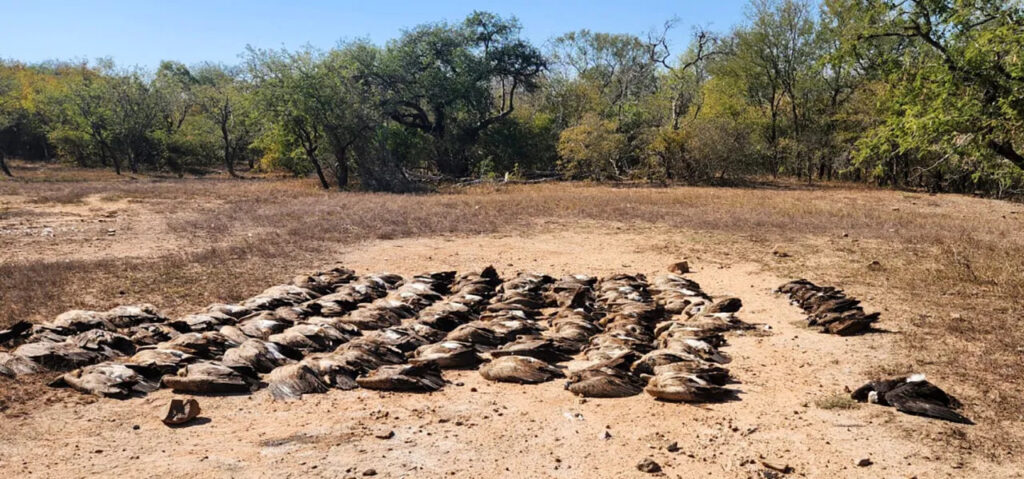
A zebra carcass laced with poison in the Phuduhudu area (Botswana)
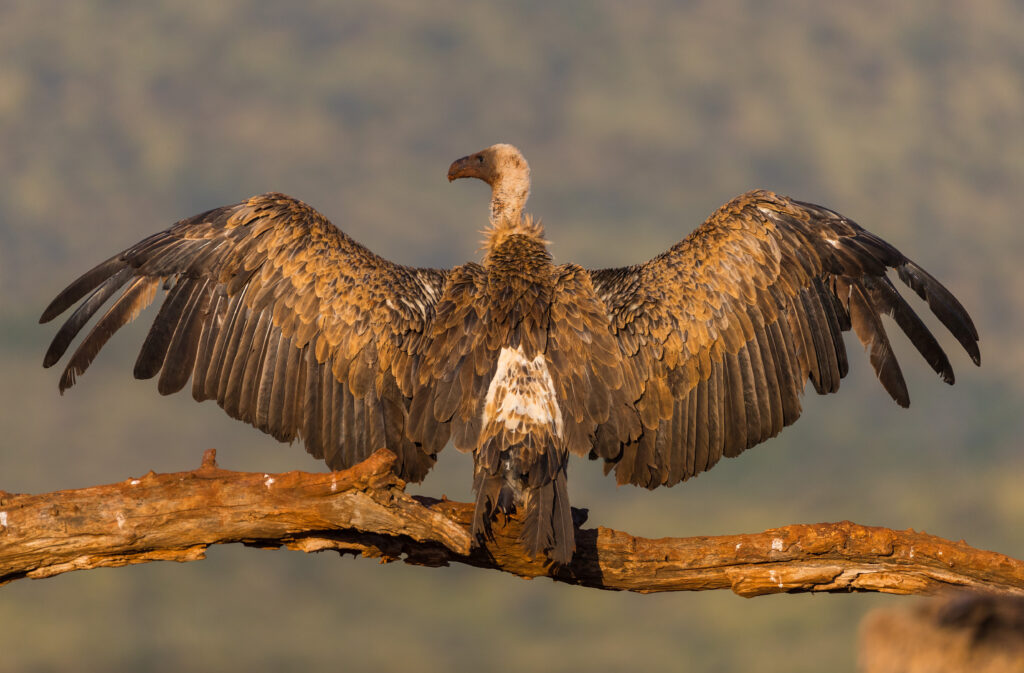
BirdLife Botswana and Safari360 report the concerning death of at least 30 vultures between Nxai Pan National Park and Makgadikgadi Pans National Park in Botswana. The birds, which a first investigation identified as White-Backed Vultures, have been found dead near a zebra carcass.
The authorities have secured the area to avoid the expansion of what looks like a poisoning wave. The first hypothesis suggests that predators were the true target of the bait, and vultures were unintended victims. This is a common scenario in areas where human-wildlife conflict impacts villages’ lives and economy.
Mass mortality of wild and domestic animals in Edioungou (Senegal)
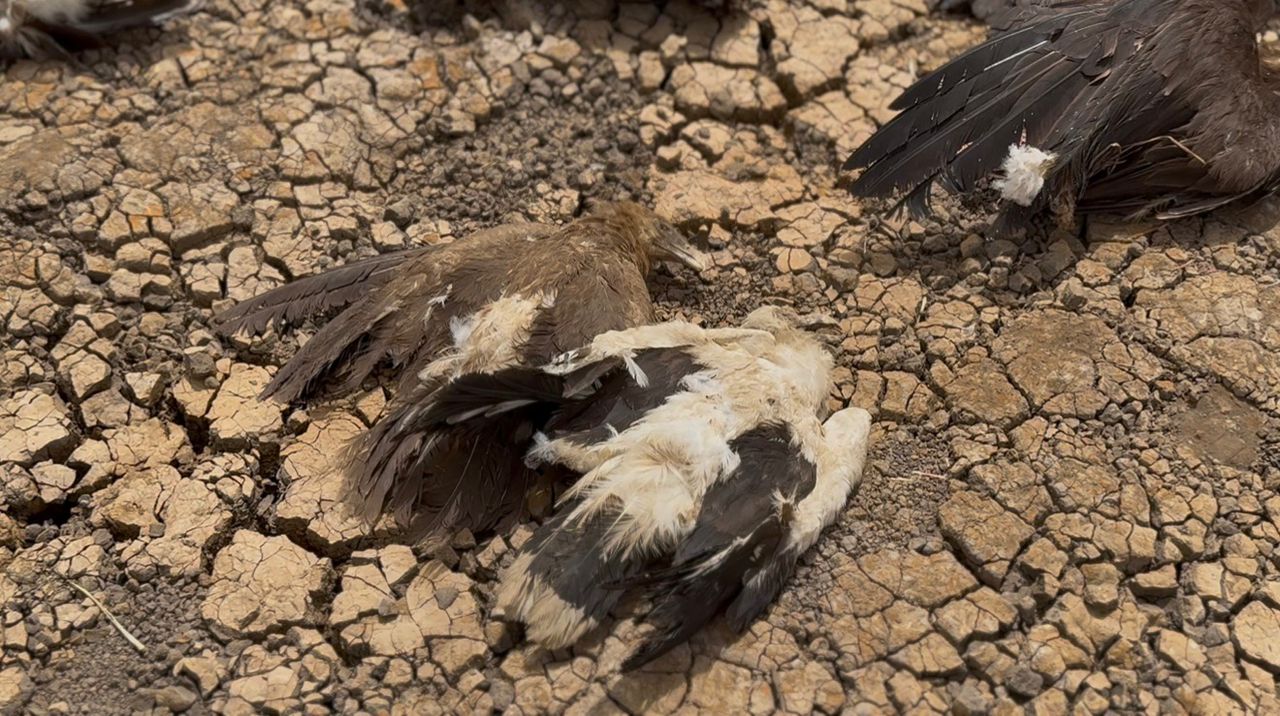
A total of 33 vultures, an eagle, an African wildcat, three dogs, and a goat were found dead in the rice paddies of Edioungou, raising concerns among the local population and authorities. According to the initial findings, the authorities suspect a poisoning incident. The animals appear to have consumed the carcass of a goat laced with a toxic substance. The investigation has not yet determined the exact source of contamination, but the area has been put under safety measures to prevent the cascading effects.
This is the second recorded incident in Senegal involving vultures since the beginning of the year. In March, 24 vultures were poisoned and decapitated in the village of Khaoul Godaguène. The episode appeared to be motivated by traditional beliefs, one of the main causes of intentional poisoning of vultures. The causes of the latest poisoning incident are yet to be determined.
What is lost in minutes will take decades to recover
Over 200 vultures have been killed in less than six months, irreplaceable pieces of the ecosystems lost forever due to human-wildlife conflict or superstition. Every vulture contributes to reducing the spread of diseases and preventing the emission of greenhouse gases by simply consuming carcasses that would otherwise take weeks to decompose. Most vulture species raise only one chick per year and take 2 to 5 years to be ready to reproduce for the first time. Every lost vulture was the result of decades of conservation efforts to bring its species back from the brink of extinction. In summary, one poisoned bait, whether it was intentionally targeting vultures or predators, wipes away individuals critical for their ecosystems and for conservation.
African vultures are being pushed toward the brink of extinction by senseless criminal acts like the ones reported in recent months. The conservation community demands accurate investigations and strict law enforcement. For species that are already under pressure from poisoning, habitat disturbance, collisions with powerlines, belief-based use, and declining food availability, every individual matters.