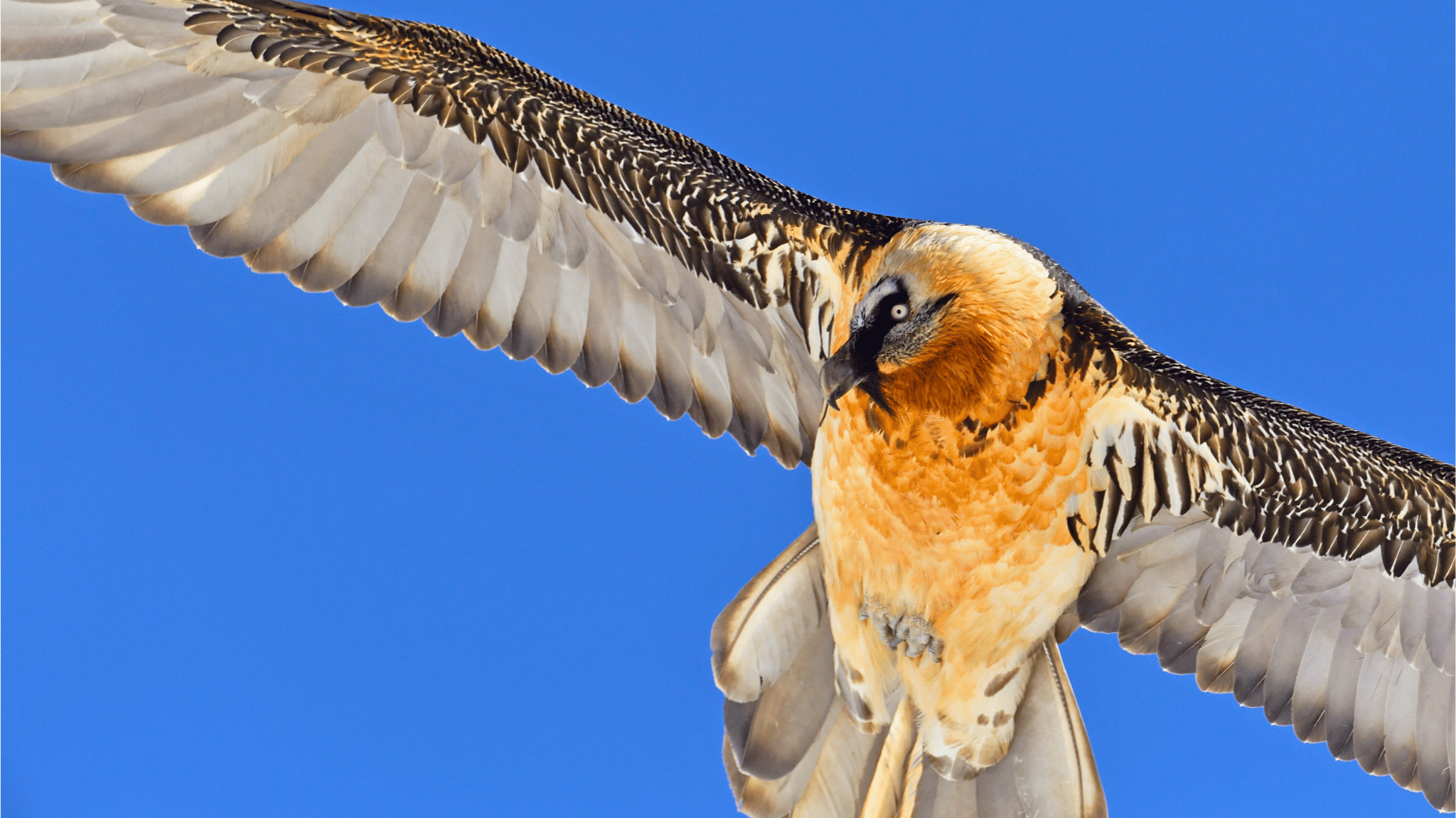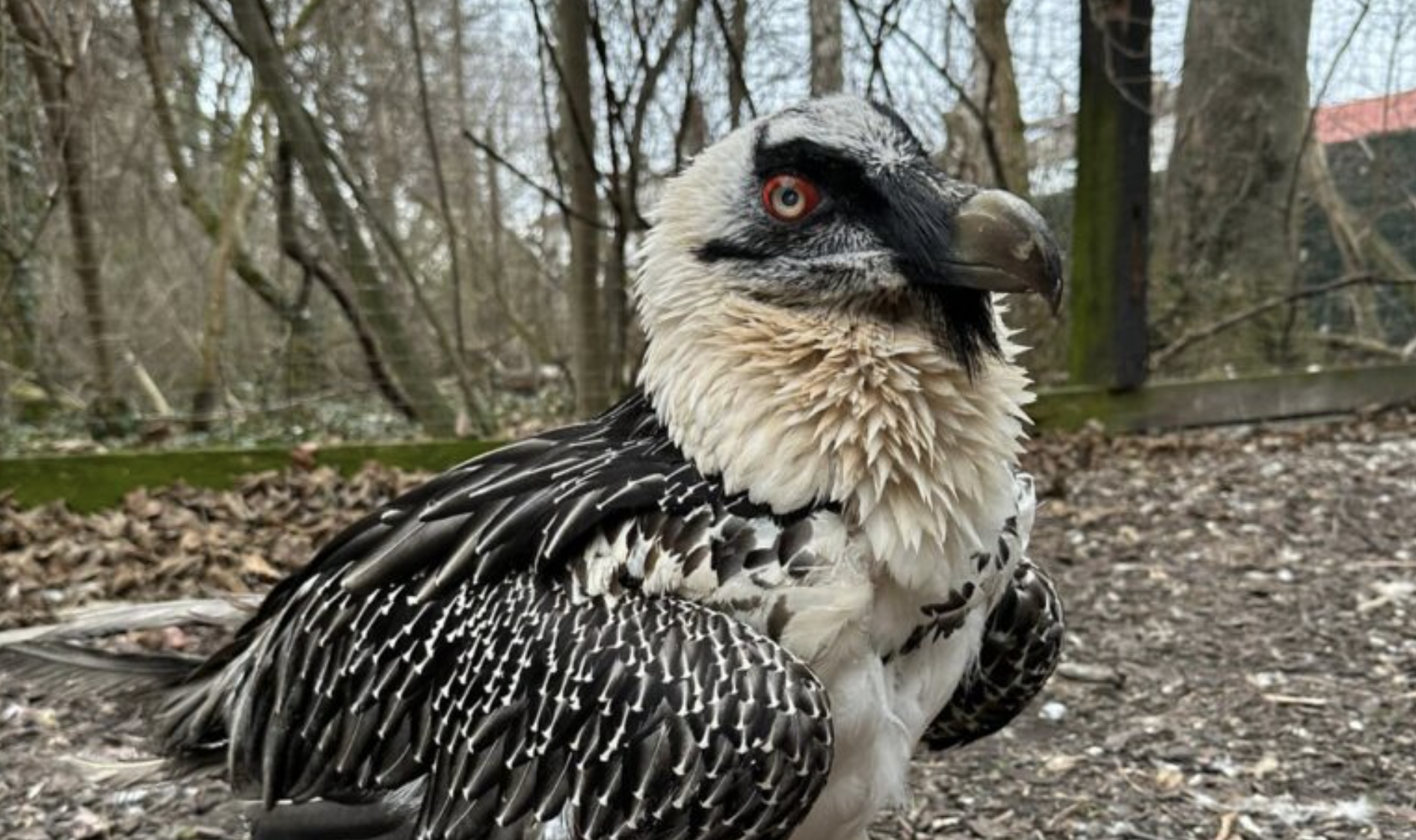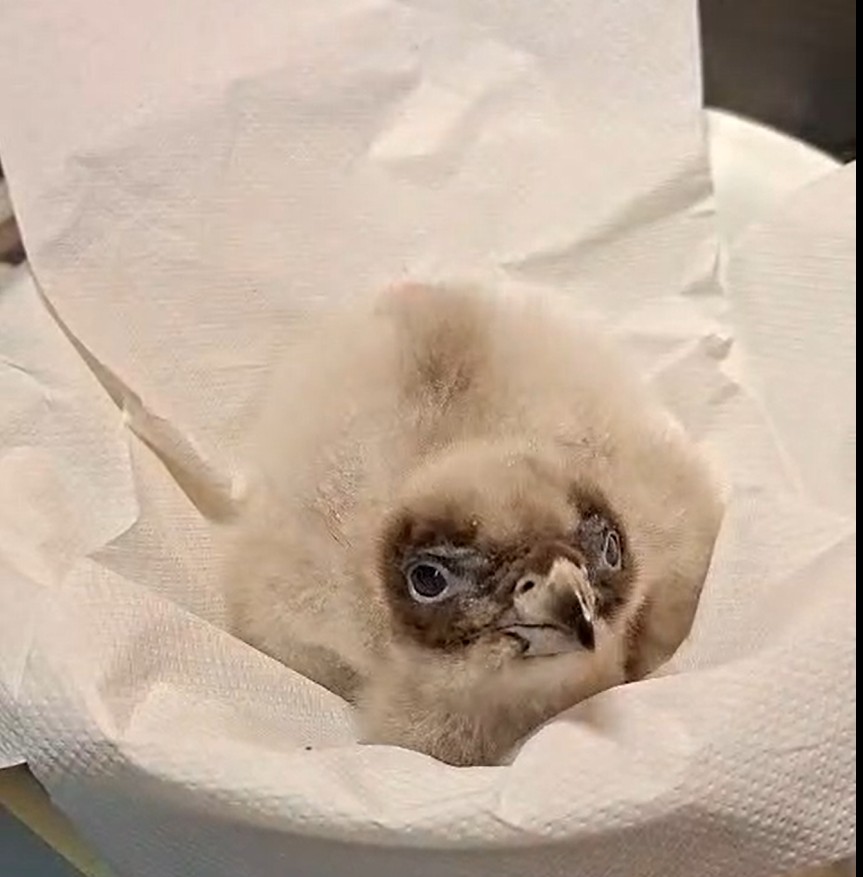
In November 2025, Bulgaria took a historic step for vulture conservation: the country officially adopted its first National Action Plan for the Bearded Vulture (Gypaetus barbatus) for 2025–2034. The plan, approved by the Ministry of Environment and Water, provides a comprehensive roadmap to bring back a species that disappeared from Bulgaria more than half a century ago.
This milestone represents the culmination of decades of work by Bearded Vulture LIFE project, its predecessor Vultures Back to LIFE and the national conservation organisations— led by Green Balkans, the Fund for Wild Flora and Fauna (FWFF), and the Bulgarian Society for the Protection of Birds (BPPS)—alongside the long-standing support of the international Bearded Vulture community.
A species lost—and a vision for its return
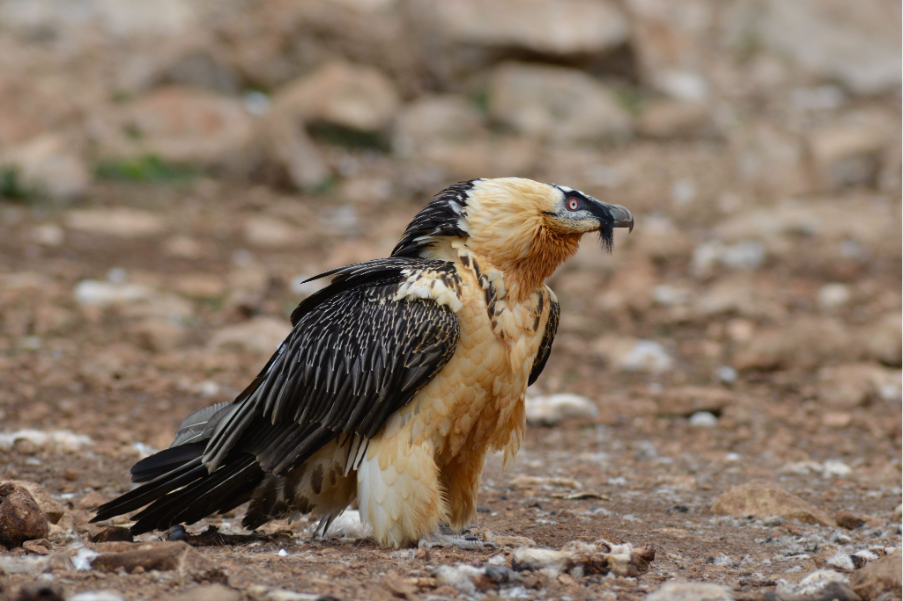
The Bearded Vulture was once a characteristic element of Bulgaria’s mountain landscapes, inhabiting the cliffs of the Balkan Mountains, Rila, Pirin and the Rhodopes. By the mid-20th century, a combination of widespread poisoning, direct persecution, and decline of wild ungulate populations pushed the species to extinction. The last confirmed breeding attempts date back to the 1940s and 1950s, and by the 1960s the species had vanished from the country’s breeding fauna.
Despite this, sporadic sightings over the decades kept alive the hope that restoration was possible. This new Action Plan turns that hope into a structured national commitment.
Ambitious but realistic goals
The newly adopted plan sets clear, phased targets aligned with European conservation priorities:
Short-term goals (2025–2034):
- Continue preparing suitable release sites and habitats.
- Begin releasing captive-bred Bearded Vultures into the wild.
- Ensure that at least ten territories suitable for breeding are secured in Bulgaria.
Medium- to long-term goals:
- Establish the first 2–3 settled individuals by 2033.
- Achieve the first successful breeding pairs by 2040.
- Restore a self-sustaining population of at least ten breeding pairs by 2050 .
These objectives mirror the successful reintroduction strategies in the Alps and Andalusia—efforts in which VCF plays a central coordinating role.
Key conservation measures
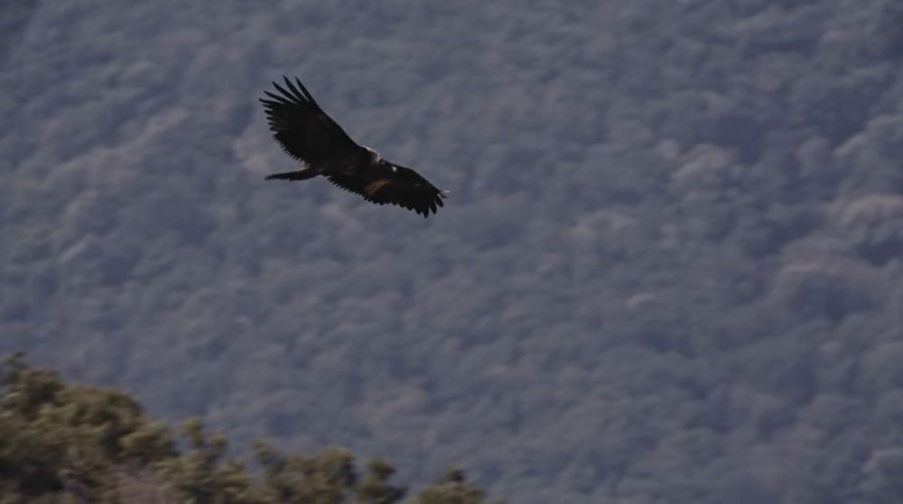
The plan outlines an extensive programme to prepare Bulgaria’s mountains for the species’ comeback. Among the priority actions are:
1. Reintroduction through the release of captive-bred birds
Bulgaria aims to establish a captive breeding nucleus of at least three breeding pairs to support future releases. Birds from the Bearded Vulture Captive Breeding Network (EEP), coordinated by VCF, will also play a crucial role.
2. Strengthening food availability
Because Bearded Vultures rely heavily on bones from wild and domestic ungulates, the plan emphasises:
- improving populations of wild ungulates,
- supporting traditional grazing practices, and
- maintaining specialised feeding sites.
3. Combating wildlife poisoning
Illegal poison use remains the top threat to large vultures across the Balkans. Bulgaria commits to intensifying anti-poison patrols, rapid response teams, and public engagement to reduce poisoning incidents.
4. Protecting and managing nesting and foraging habitats
Many historic sites lie within national parks and Natura 2000 areas, offering strong protection frameworks. Habitat management will focus on minimising disturbance and ensuring suitable nesting structures.
5. Monitoring and research
Long-term monitoring will evaluate the success of reintroduction, track survival and dispersal, and adapt management actions accordingly.
A collaborative effort
The Action Plan was developed by leading Bulgarian NGOs—Green Balkans, FWFF, and BPPS—with contributions from numerous local experts and institutions. It builds on extensive feasibility studies, including habitat assessments, conflict analyses, and lessons from past vulture restoration projects in the Balkans and across Europe .
International collaboration is at the heart of the plan. Reintroduction success in Europe has shown that strong cross-border networks, unified monitoring protocols, and shared breeding programmes are essential. Bulgaria’s plan aligns fully with the Vulture Multi-Species Action Plan (Vulture MsAP).
A new chapter for the Bearded Vulture on the Balkans
The adoption of this Action Plan is a major milestone—not only for Bulgaria, but for the restoration of the species across the Balkans. With coordinated actions now officially endorsed, Bulgaria is ready to advance from planning to implementation and join the growing list of European countries where the Bearded Vulture flies free again.
We welcome this development and stand ready to support Bulgaria in every phase of the reintroduction process—from securing genetically suitable release birds to providing technical expertise, monitoring support, and integration with the wider European Bearded Vulture network.
The return of the Bearded Vulture to Bulgaria is no longer just a vision—it is a national commitment backed by science, collaboration, and determination. And with work now underway, Europe moves one step closer to restoring this iconic species to its former range.
The “Bearded Vulture LIFE” project is a comprehensive initiative, aiming to restore the Bearded Vulture and Cinereous Vulture across Bulgaria and the Balkans. With a budget of €5.17 million, co-funded by the European Union’s LIFE Programme, the project commenced in August 2023 and is expected to continue until 2030. Building upon the achievements of its predecessor, “Vultures Back to Life,” it is coordinated by Green Balkans, with five more partner organizations within Bulgaria, including the Fund for Wild Flora and Fauna, Foundation EkoObshtnost, EVN – Elektropradelenie Yug EAD, Severozapadno Darzhavno Predpriyatie – Vratsa, and “Sinite kamani” Nature Park Directorate. Furthermore, the project benefits from international collaboration, including the Vulture Conservation Foundation (VCF), responsible for the translocation and safeguarding of captive-bred birds secured for release. Additionally, the partner Milvus group is responsible for executing conservation efforts in Romania.