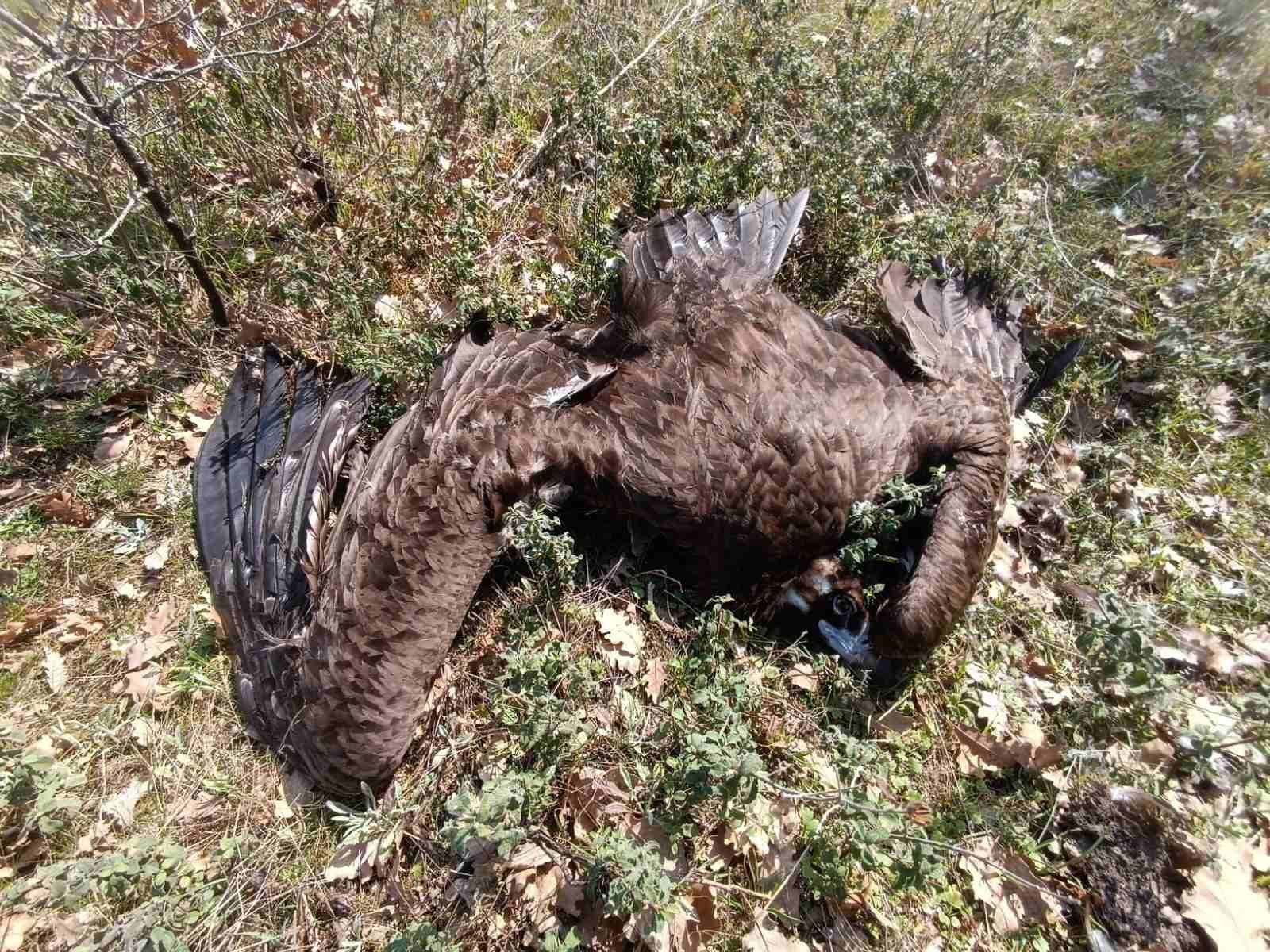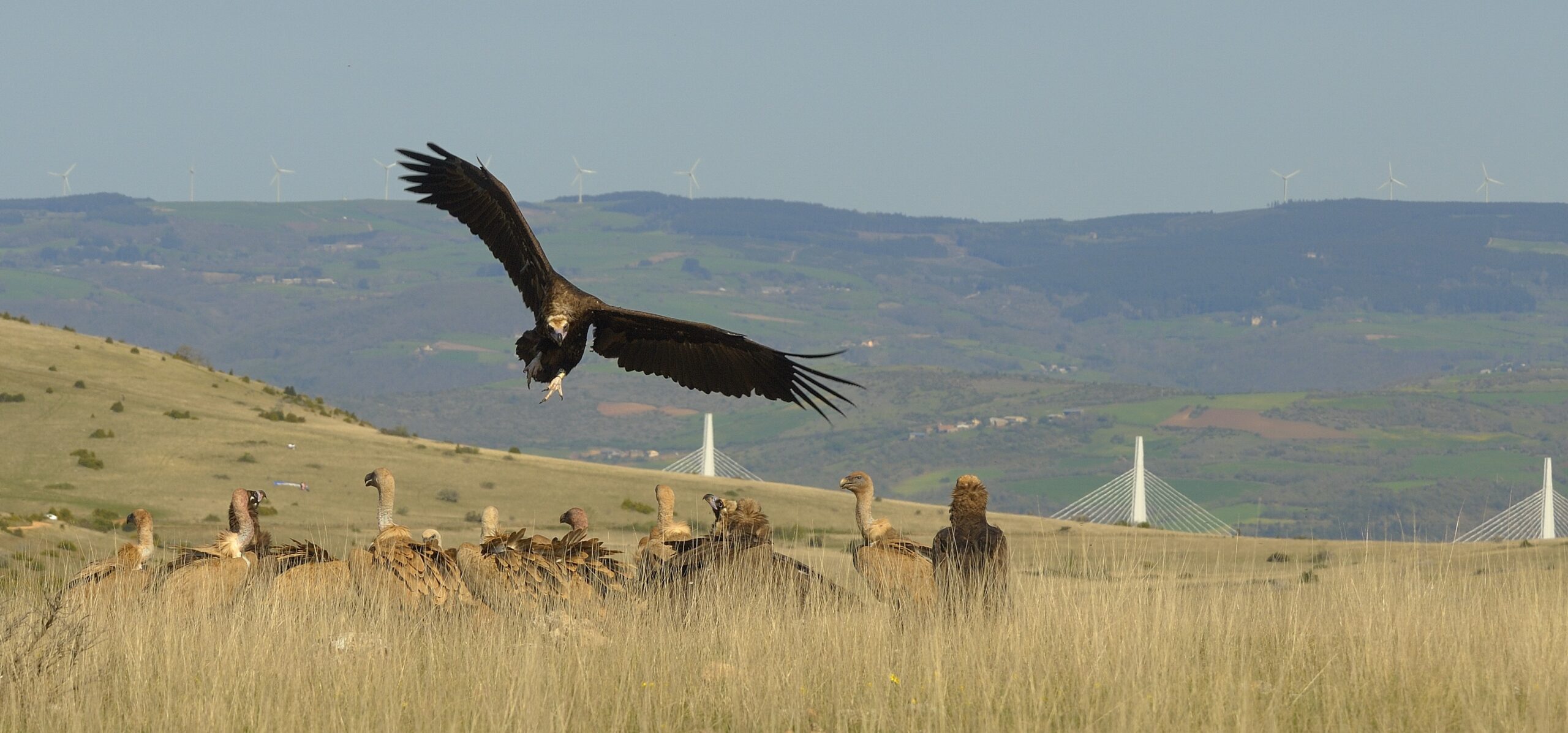
A male Cinereous Vulture (Aegypius monachus) released in the Eastern Rhodopes earlier this year has been found dead after being electrocuted on a power line.
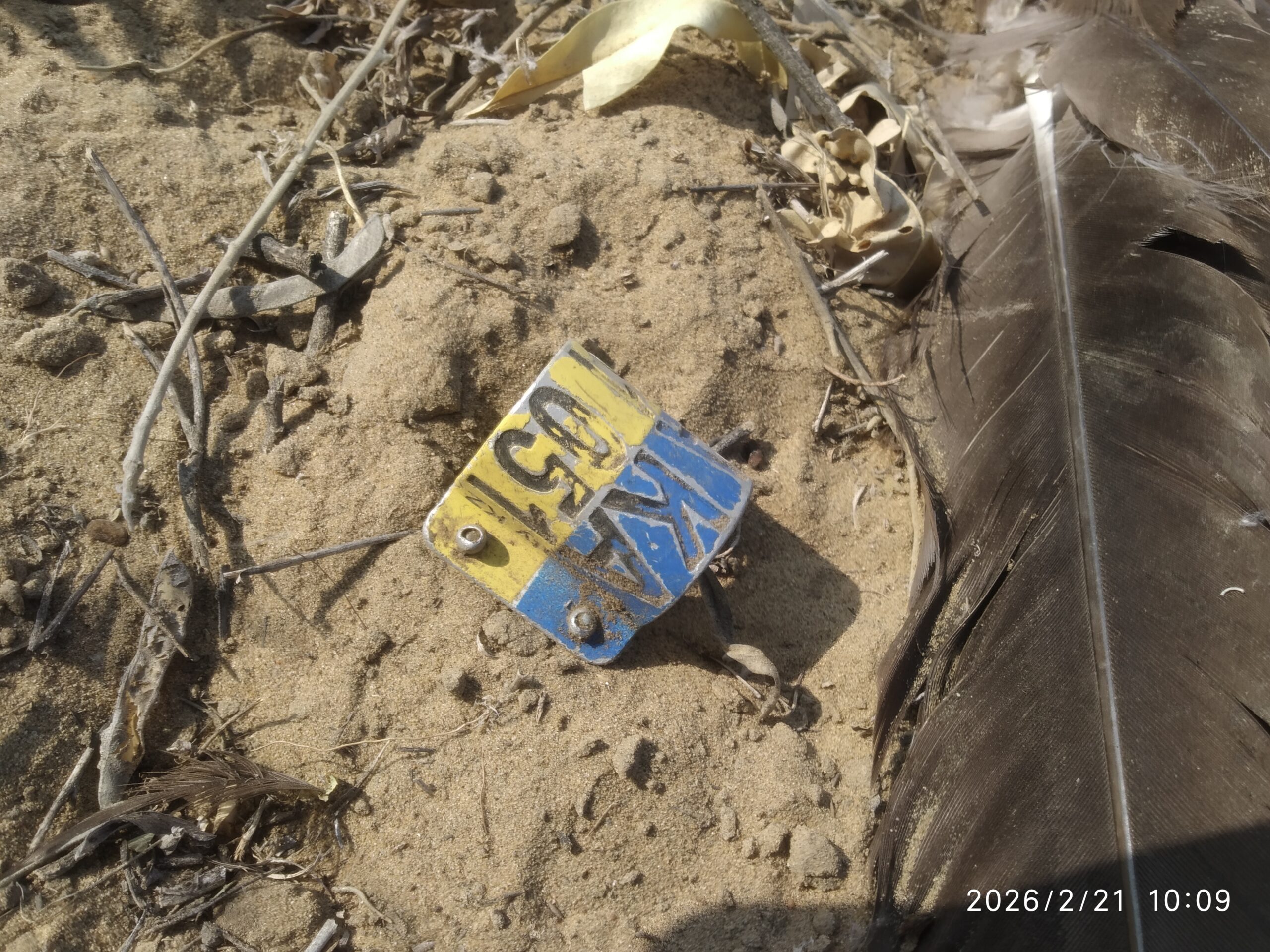
On the evening of December 4, experts from the Bulgarian Society for the Protection of Birds (BSPB) received alarming signals from the bird’s GPS transmitter. The data indicated prolonged inactivity and an unusual body position. Acting on this information, a BSPB team reached the site and confirmed the bird had died.
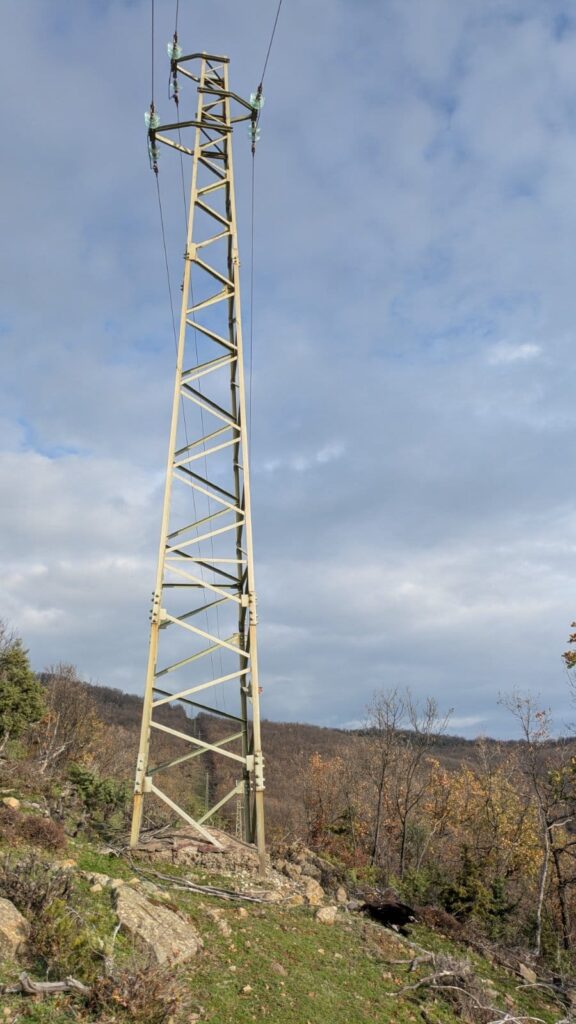
Likely cause: Reduced visibility due to adverse weather conditions
According to the transmitter data, the fatal incident occurred around midday on December 4, when the vulture attempted to land on an electricity pole. Reduced visibility due to adverse weather conditions in the area may have contributed to the bird misjudging the structure.
The vulture, a three-year-old male, was released in April 2025 along with five other Cinereous Vultures as part of the ongoing species reintroduction efforts in the Eastern Rhodopes. To date, 40 individuals have been released in the region under the programme.
See below a video of the release in April:
A second electrocution just two days later
Only two days after this incident, during monitoring at one of the supplementary feeding sites outside the main platforms, a BSPB field team documented yet another electrocution. This time, a young Griffon Vulture (Gyps fulvus) was found dead beneath an uninsulated power distribution line in a neighbouring area. The remains of a raven were also discovered at the same location.
This power line had been surveyed previously, back in 2017, when BSPB also recorded multiple dead birds there — highlighting a long-standing and still unresolved electrocution hotspot.
Electrocution: a persistent threat
Electrocution remains one of the leading causes of death for rare and endangered bird species in Bulgaria. In recent years, thousands of hazardous poles have been insulated by Electricity Distribution South in cooperation with BSPB, significantly reducing risk in several key areas. However, many dangerous lines remain, and each uninsulated pole continues to pose a threat to large soaring birds.
A major step forward is expected in July 2025, when a new international LIFE Programme initiative — “Safe Grid for Birds in Southeastern Europe” — will begin. Restoring the Cinereous Vulture to the Balkans.
Despite setbacks like this recent loss, the long-term commitment of conservation organisations, grid operators, and international partners continues to move the region closer to securing a future for one of Europe’s rarest raptors.
LIFE Rhodope Vulture
Co-funded by the Programa LIFE of the European Union and Rewilding Europe, the LIFE Rhodope Vulture project is dedicated to the recovery of the Cinereous Vulture population in the Rhodope mountains, between Bulgaria and Greece. The project aims to increase food availability for the species and address human-wildlife conflicts. It will reintroduce birds from Spain to establish a new colony in Bulgaria and conserve the Greek colony in Dadia-Lefkimi-Soufli National Park. Lastly, the project aims to foster cooperation among local businesses, conservation initiatives, and stakeholders and raise awareness about the ecological benefits of Cinereous Vultures. The project duration is 5 years, from June 2024 to May 2029. The total budget is €4,160,118 Euro. It is coordinated by the Bulgarian Society for the Protection of Birds (BSPB) with the participation of Rewilding Rhodopes Foundation. It also benefits from international collaboration, including the Vulture Conservation Foundation.