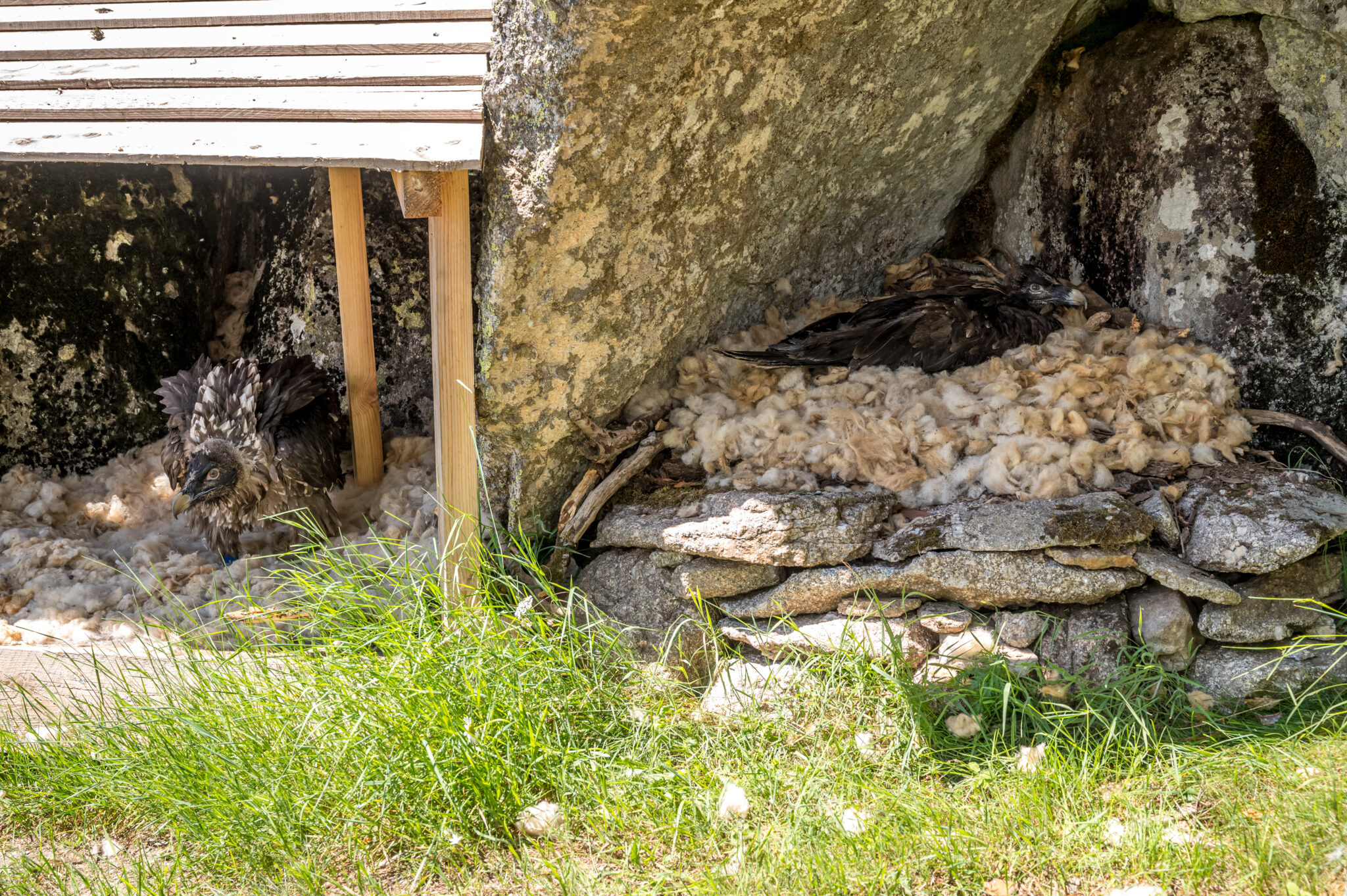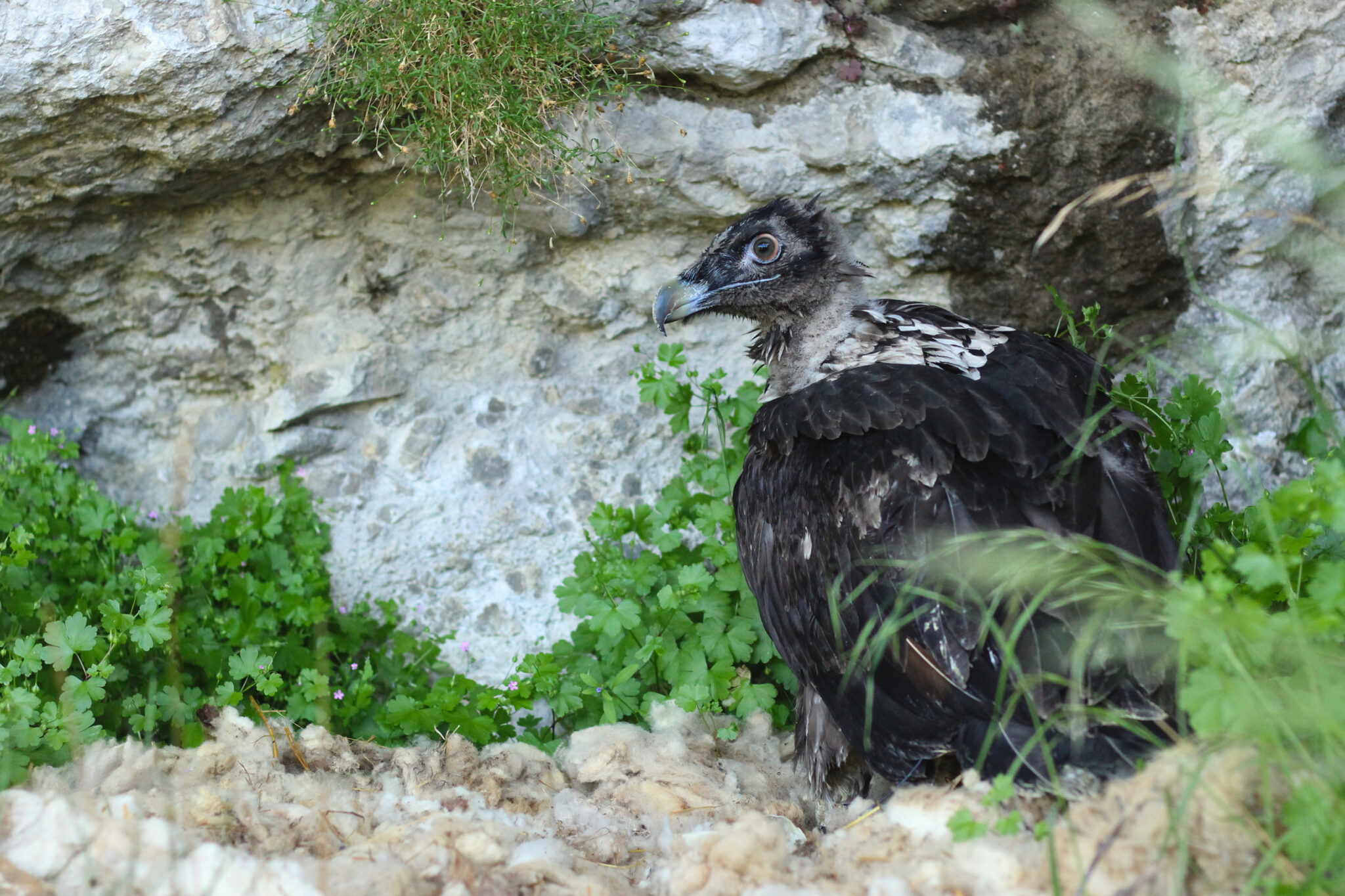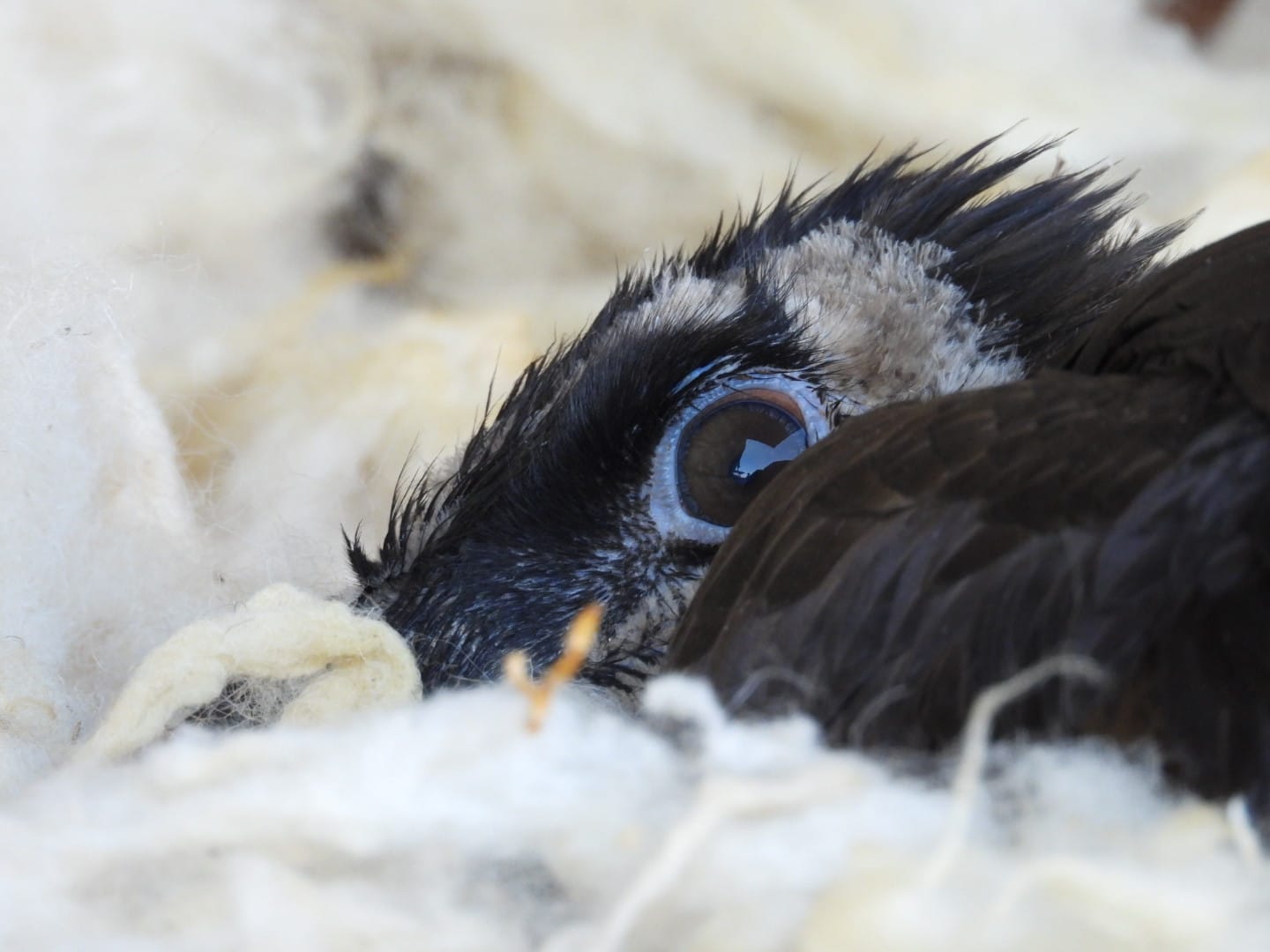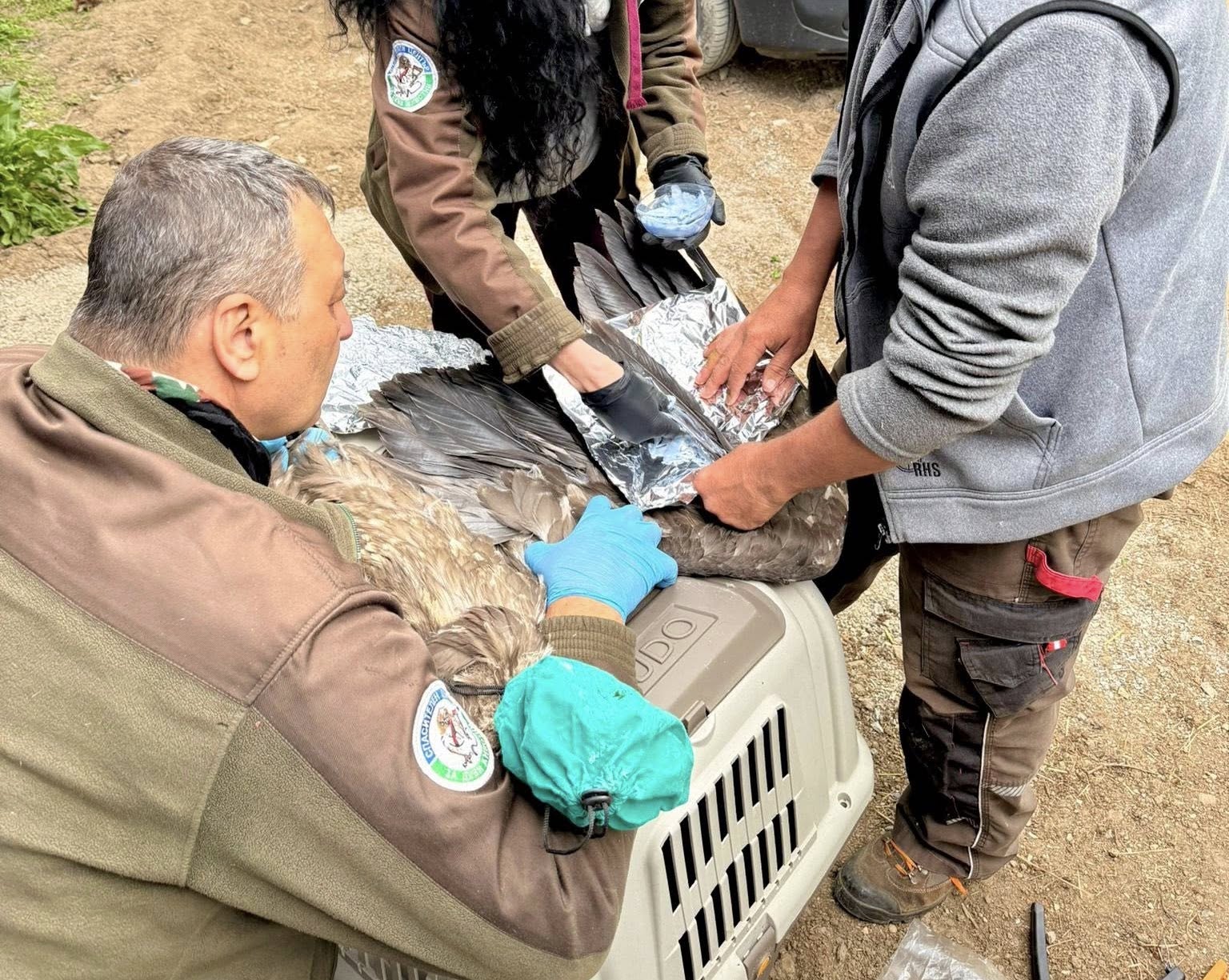
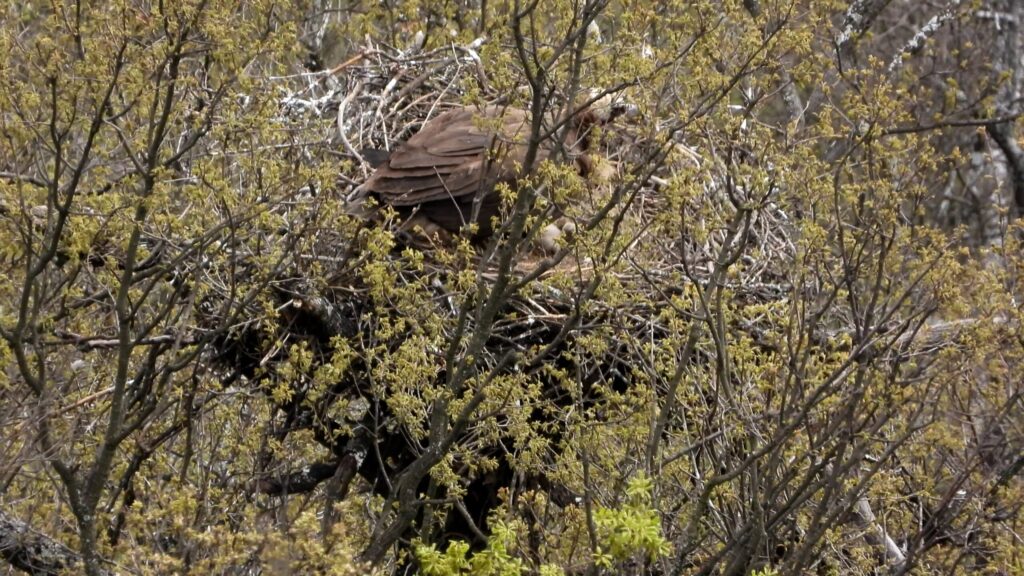
After more than three decades of absence, the Cinereous Vulture has come home. Three pairs have successfully hatched chicks in the Eastern Rhodopes of Bulgaria, marking the first confirmed nesting in the region since 1993. For anyone who has followed the slow, patient work of conservation in this part of Europe, it is a moment worth pausing to appreciate.
A milestone decades in the making
The breakthrough was confirmed in recent days, when monitoring teams from the Bulgarian Society for the Protection of Birds (BSPB) documented newly hatched chicks in active nests. More than 33 years had passed since this species last raised young in these mountains.
A coordinated reintroduction programme launched in 2022 – led by BSPB alongside the Rewilding Rhodopes Foundation, GREFA, and Rewilding Europe – has released 40 Cinereous Vultures into the wild to date.
The early signs are encouraging.
“Efforts are already yielding visible results – this year, 8 pairs have been recorded in the Bulgarian part of the Eastern Rhodopes, 7 of which have occupied artificial nests built by conservation teams. Of these pairs, 4 began incubation, but only 3 were successful,” commented project leader Dr. Dobromir Dobrev.
The population is beginning to establish stable breeding behaviour, which is the essential foundation for any long-term recovery.
The value of the species’ comeback
The Cinereous Vulture is Europe’s largest vulture species, and its role in a healthy ecosystem is difficult to overstate. As nature’s clean-up crew, these birds feed exclusively on carrion, removing animal carcasses quickly and efficiently. This limits the spread of disease, supports nutrient cycling, and helps maintain the broader web of scavenger species that depend on similar food sources.
Their value extends beyond ecology. Wildlife tourism built around large raptors has become a meaningful source of sustainable income for communities in the Eastern Rhodopes, drawing visitors from across the continent.
Building on previous conservation success
This achievement does not stand alone. Griffon vulture populations in Bulgaria have also been successfully restored through similar long-term efforts.
The Cinereous Vulture had already returned as a breeding species in Bulgaria in 2021, after nearly three decades away, with the first fledgling from reintroduced pairs recorded in the Balkan Mountains through the Vultures Back to LIFE project.
Taken together, these results offer real evidence that large-scale, science-based reintroduction efforts can reverse local extinctions, provided they are backed by sustained funding, local and international collaboration, and the involvement of local communities.
The ongoing work in the Rhodope Mountains is supported by the LIFE Rhodope Vulture project, co-financed by the European Union’s LIFE Programme, which aims to restore the Cinereous Vulture population and the wider trophic chain across the Bulgarian-Greek cross-border region.
The return of breeding Cinereous Vultures to the Eastern Rhodopes is proof that nature can recover when people commit to protecting it. The population is still small, and the work is far from over, but three nesting pairs after 33 years of absence is exactly the kind of result that makes that work worth continuing.
LIFE Rhodope Vulture
Co-funded by the Programa LIFE of the European Union and Rewilding Europe, The LIFE Rhodope Vulture project is dedicated to the recovery of the Cinereous Vultures population in the Rhodope mountains, between Bulgaria and Greece. The project aims to increase food availability for the species and address human wildlife conflicts. It will reintroduce birds from Spain to establish a new colony in Bulgaria and conserve the Greek colony in Dadia-Lefkimi-Soufli National Park. Lastly, the project aims to foster cooperation among local businesses, conservation initiatives, and stakeholders, and raise awareness about the ecological benefits of Cinereous Vultures. The project duration is 5 years, from June 2024 to May 2029. The total budget is €4,160,118 Euro. It is coordinated by Bulgarian Society for the Protection of Birds (BSPB) with the participation of Rewilding Rhodopes Foundation. It also benefits from international collaboration, including the Vulture Conservation Foundation.