A few months after losing his mate, a male Cinereous Vulture finds a new life companion in the Eastern Rhodopes. This new pair is the fifth recorded in the region in the last four years.
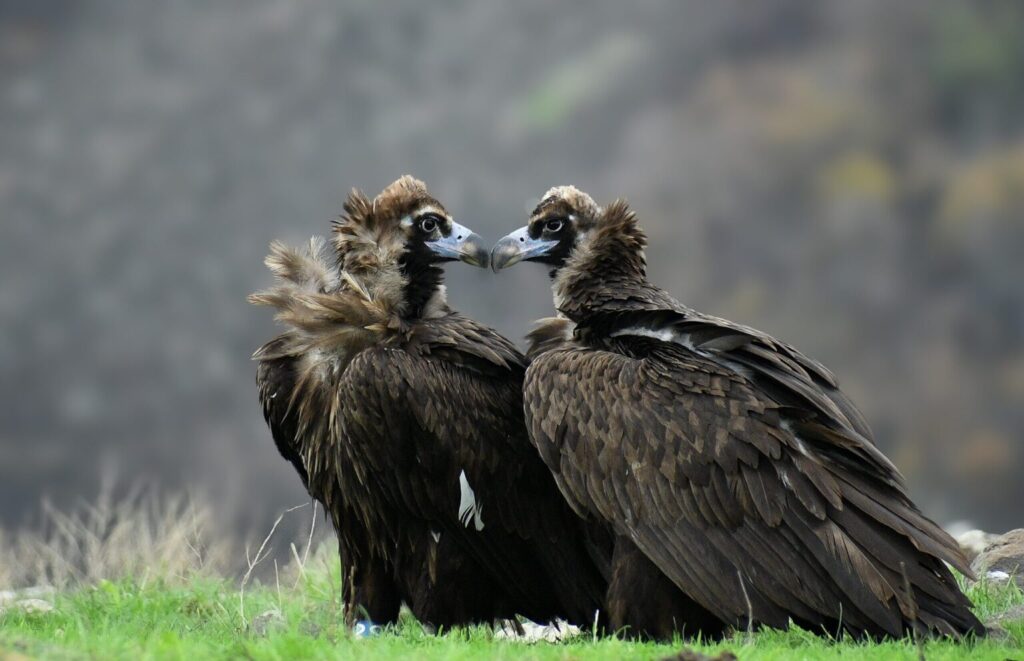
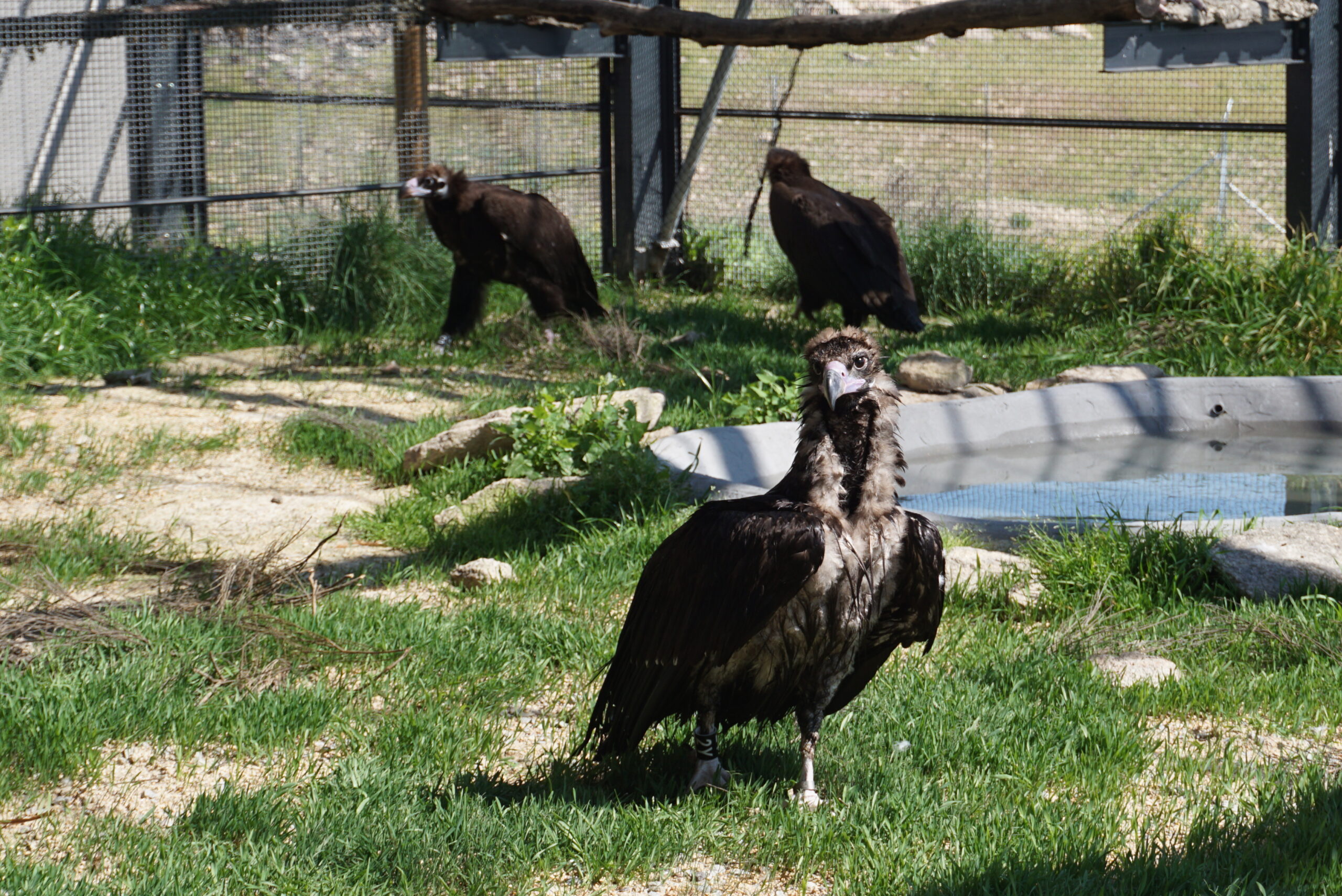
A new Cinereous Vultures (Aegypius monachus) pair is settling in the Eastern Rhodopes. The male lost his mate a few months ago but managed to bond with a new female just in time for this year’s reproductive season. The two birds were observed in the Sakar region, where they showed clear signs of breeding behaviour. In the following weeks, they moved to the Easter Rhodopes, where they are currently residing.
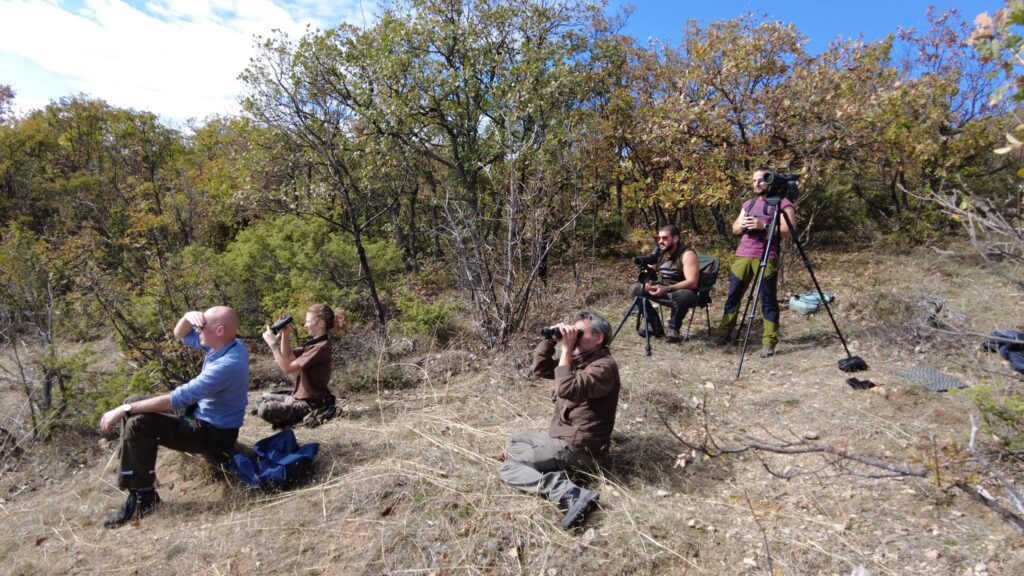
Cinereous Vultures are known for being particularly selective when it comes to choosing a partner. Nevertheless, this pair formed rather quickly, showing the adaptability of this species under favourable conditions. This is the fifth pair recorded in the Eastern Rhodopes since 2022, when the species started to return to the Eastern Rhodopes. The LIFE Rhodope Vulture team is closely monitoring it, hoping for a positive breeding season.
The efforts to protect the Cinereous Vultures in the Rhodope Mountains
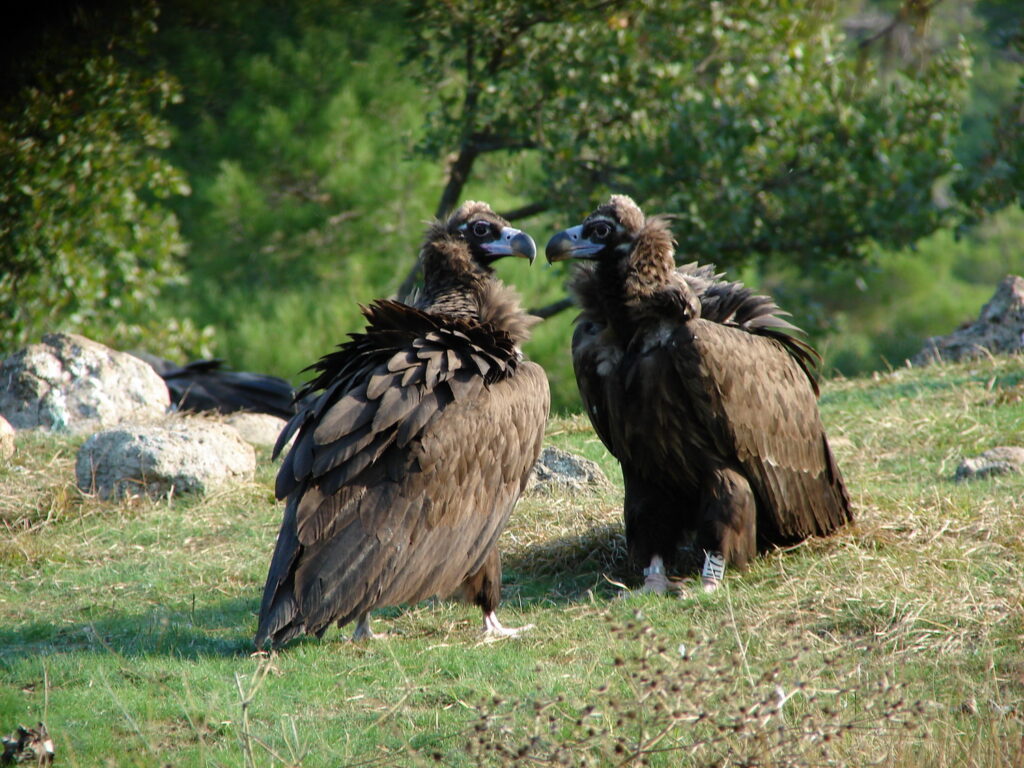
Cinereous Vultures (Aegypius monachus) are Europe’s largest raptor and top mountain–forest scavengers, feeding mainly on mammal carrion. The IUCN Red List marks the species as Near Threatened. In the Balkans, it is on the rarest bird species. The last breeding pair documented in the Eastern Rhodopes dates back to 1993.
Today, the last natural colony of Cinereous Vultures in the Balkans is located in Dadia National Park in Greece. The LIFE Rhodope Vulture project is dedicated to the recovery of this species in the cross-border Rhodope Mountains Region, between Bulgaria and Greece. The project addresses key threats to the species survival, such as lack of food availability and human-wildlife conflict. In addition, it aims to establish a second Cinereous Vulture colony in the Eastern Rhodopes, translocating individuals from Spain to Bulgaria. The spontaneous establishment of a new territorial pair in the project area highlights the results of local conservation actions that created favourable conditions for the breeding season.


LIFE Rhodope Vulture
Co-funded by the Programa LIFE of the European Union and Rewilding Europe, the LIFE Rhodope Vulture project is dedicated to the recovery of the Cinereous Vulture population in the Rhodope mountains, between Bulgaria and Greece. The project aims to increase food availability for the species and address human-wildlife conflicts. It will reintroduce birds from Spain to establish a new colony in Bulgaria and conserve the Greek colony in Dadia-Lefkimi-Soufli National Park. Lastly, the project aims to foster cooperation among local businesses, conservation initiatives, and stakeholders and raise awareness about the ecological benefits of Cinereous Vultures. The project duration is 5 years, from June 2024 to May 2029. The total budget is €4,160,118 Euro. It is coordinated by the Bulgarian Society for the Protection of Birds (BSPB) with the participation of Rewilding Rhodopes Foundation. It also benefits from international collaboration, including the Vulture Conservation Foundation.