The LIFE SUPport project recently published a report on the condition of dry grasslands in the Kvarner Islands. It identifies priority areas for restoration and can help inform future conservation actions.
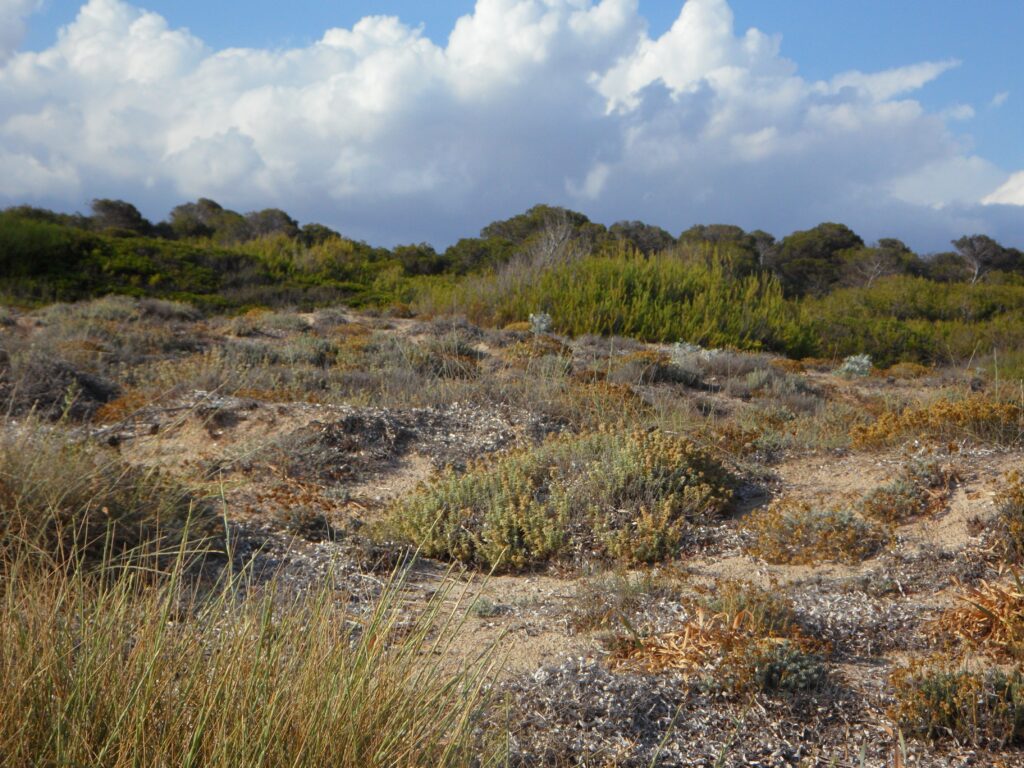
Dry Mediterranean grasslands once covered large parts of the Kvarner Islands in Croatia. Summer droughts and grazing help maintain these habitats’ health and prevent them from turning into forests. In the last decades, the abandonment of extensive sheep farming has led to the loss of these extensive karstic pastures. Shrubs and woodlands progressively took over grasslands, changing not only the look of the islands but also the habits of the species that live there.
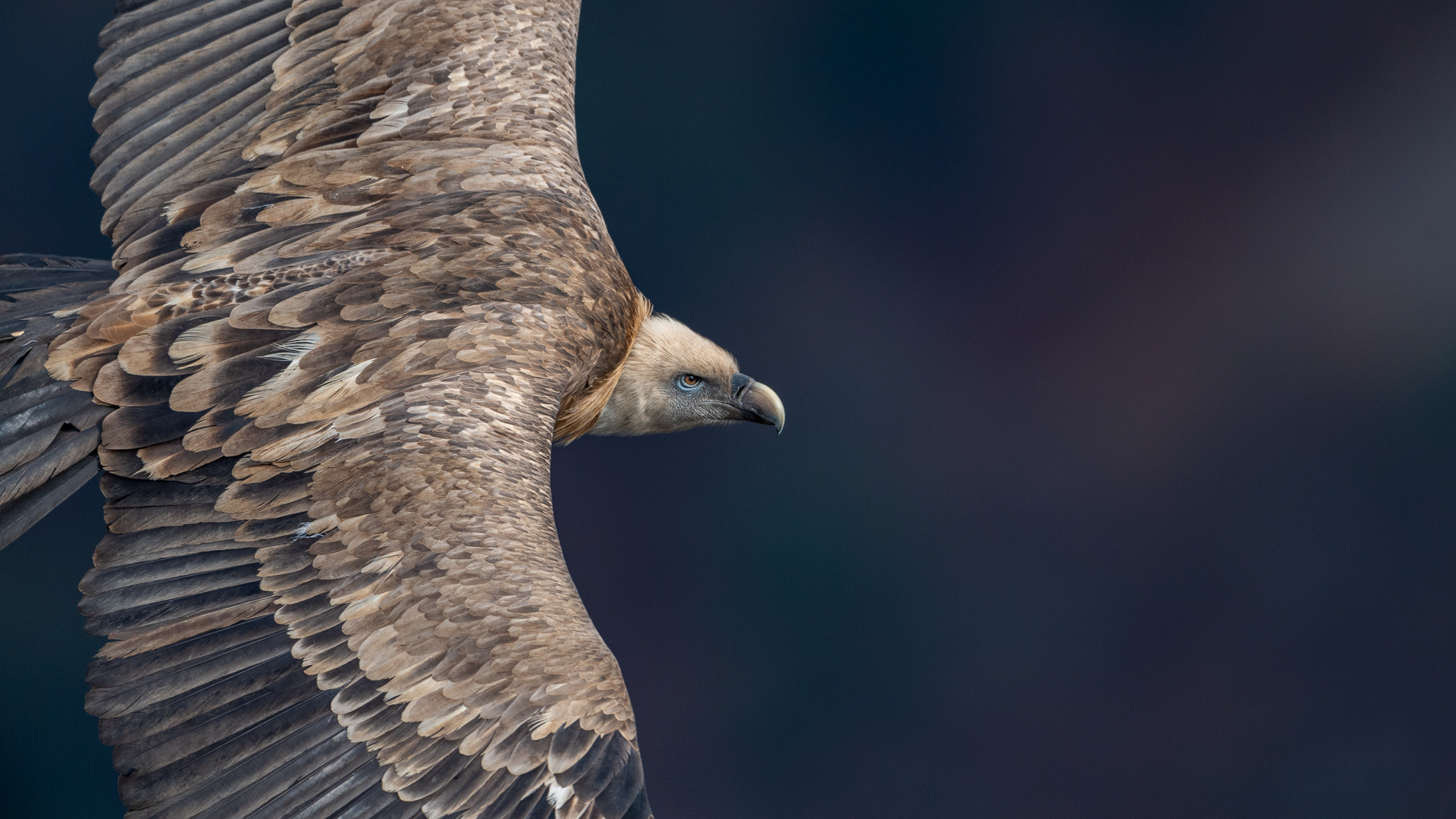
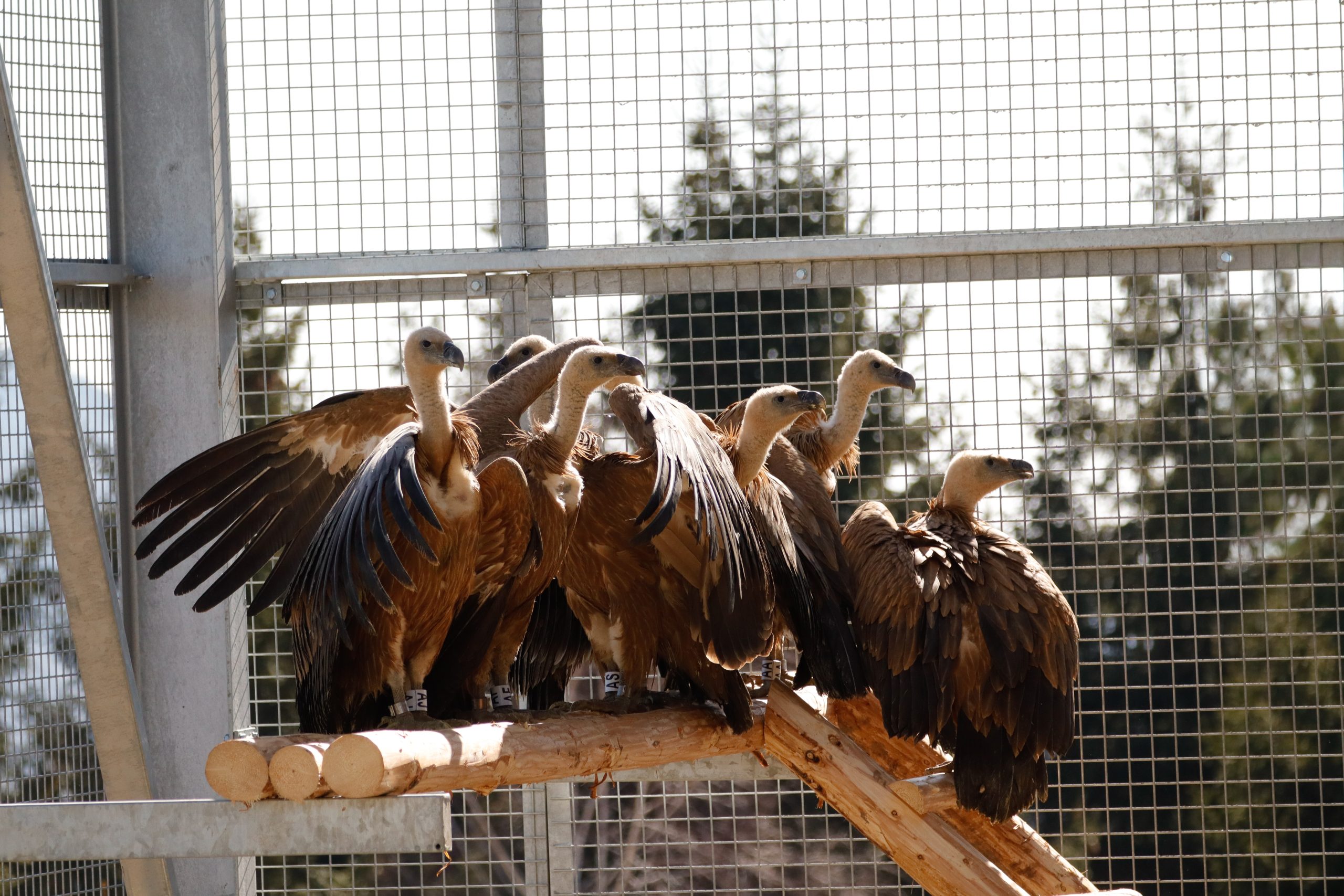
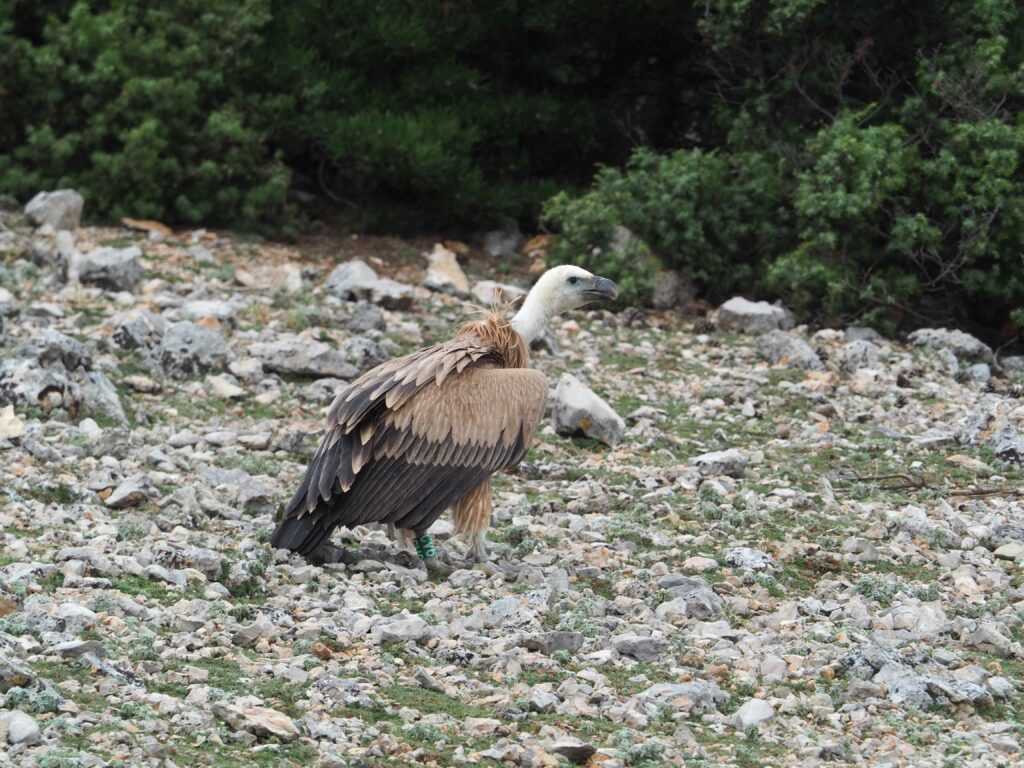
Griffon Vultures (Gyps fulvus) are a key species in the Kvarner Islands, both for the ecosystems and for local culture. They rely on open dry grasslands for scouting for carrion, from wild ungulates to livestock. On the Kvarner Islands, the survival of these raptors is tightly linked with traditional livestock farming. Active restoration of grassland habitats will counter natural succession amplified by the decline of pastoralism. In addition, it will increase areas suitable for vultures, contributing to securing the future of the species in Croatia.
Identify and restore dry grasslands
La LIFE SUPport project recently developed a system to identify the most suitable areas for restoration. It compares each patch following three criteria:
- The succession stage of each patch
- The number of cattle in each municipality
- The size of the patch compared to the largest one in the island group
A research study (Škunca & Hudina, 2025) mapped 580 overgrown grassland patches on the Kvarner Islands in 2024. The prioritization system identified 74 high-priority areas. The larger the patches, the more cattle present in the municipality, and the closer the patch is to the middle stage of succession (open scrub), the higher its priority for restoration.
The Nature Restoration Regulation (Regulation (EU) 2024/1991) defines “restoration” as the process of actively or passively assisting the recovery of degraded or destroyed ecosystems towards or to good conditions. It means restoring all elements that make an ecosystem function properly, allowing the ecosystem itself to reach its full potential. Good conditions for the Kvarner region dry grasslands mean a low cover of woody vegetation and a submediterranean flora.
A process to help the local economy and vultures
According to the LIFE SUPport report, restoring all the identified high-priority patches would restore around 7760,06ha. Traditional livestock farming would efficiently manage the restored grasslands and provide safe food sources for the local Griffon Vultures population. It will also keep alive a cultural practice that is an essential part of the islands’ identity.
The challenge remains: pastoralism is slowly declining. It requires continuous efforts and investments that are often not compensated by results. Emerging challenges, like the return of the Golden Jackal, are threatening the survival of these practices even further. With attentive prioritization and incentives, the Kvarner Islands can turn degraded grasslands into thriving ecosystems that will sustain both local economies and vultures.
LIFE SUPport
La LIFE SUPport aims to strengthen Croatia’s endangered Griffon Vulture (Gyps fulvus) population. A 5-year project co-financed by the EU’s will create better conditions for the species to thrive and recolonise its historical breeding ground on the Croatian mainland. The project aims to improve breeding and survival conditions, minimise nest disturbance, reduce nestling mortality, tackle the threat of poison, mitigate collision and electrocution risks, and increase food availability.
La LIFE SUPport is a 2.1 million project from January 2023 until December 2027. A joint effort led by BIOM with Public Institution Priroda, Otok Krk Agricultural Cooperative, HEP – Operator distribucijskog sustava d.o.o., the energy distribution company, the Vulture Conservation Foundation and the Croatian Nature Protection Directorate (Ministry of Economy) as associate partners.