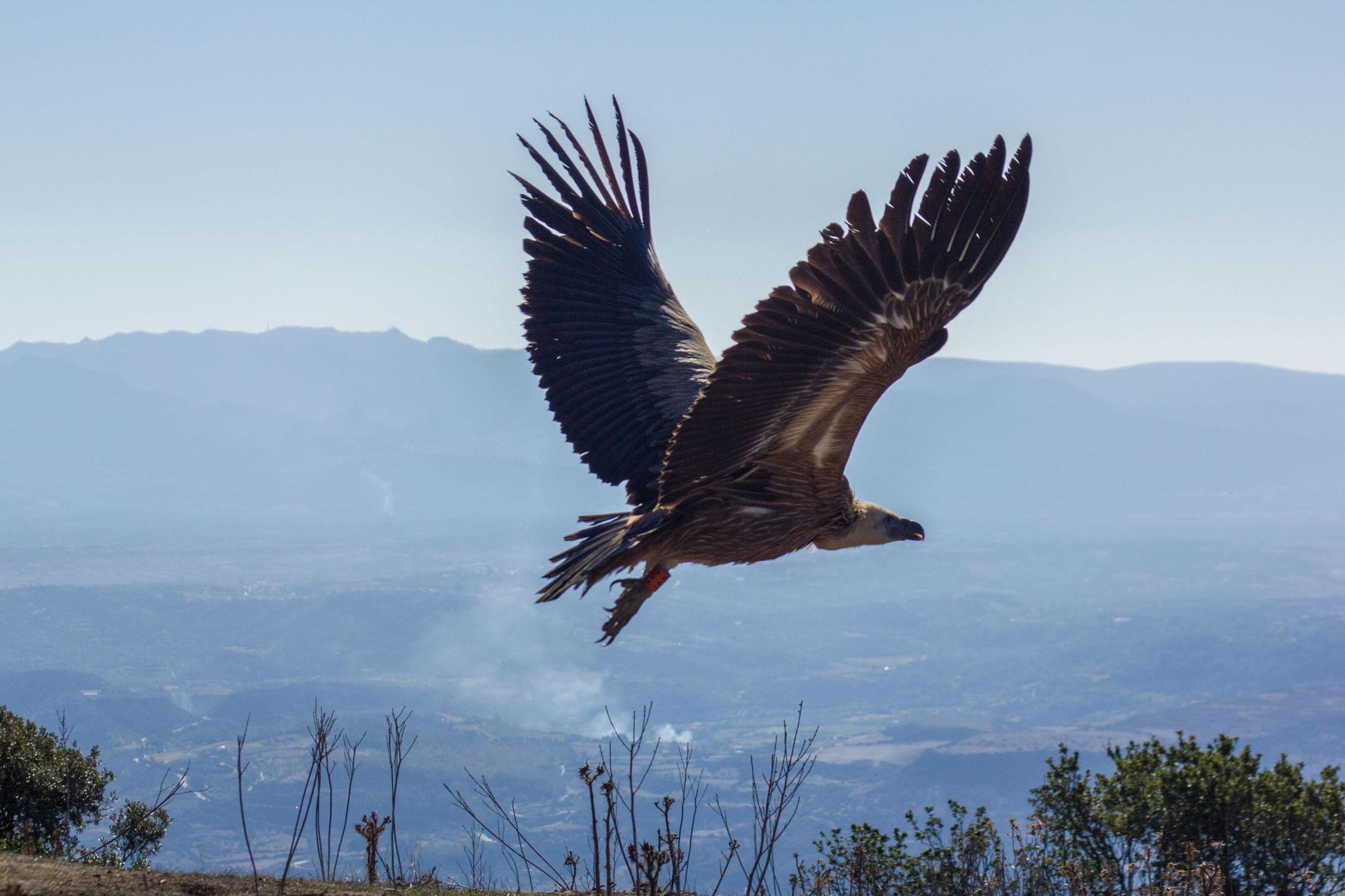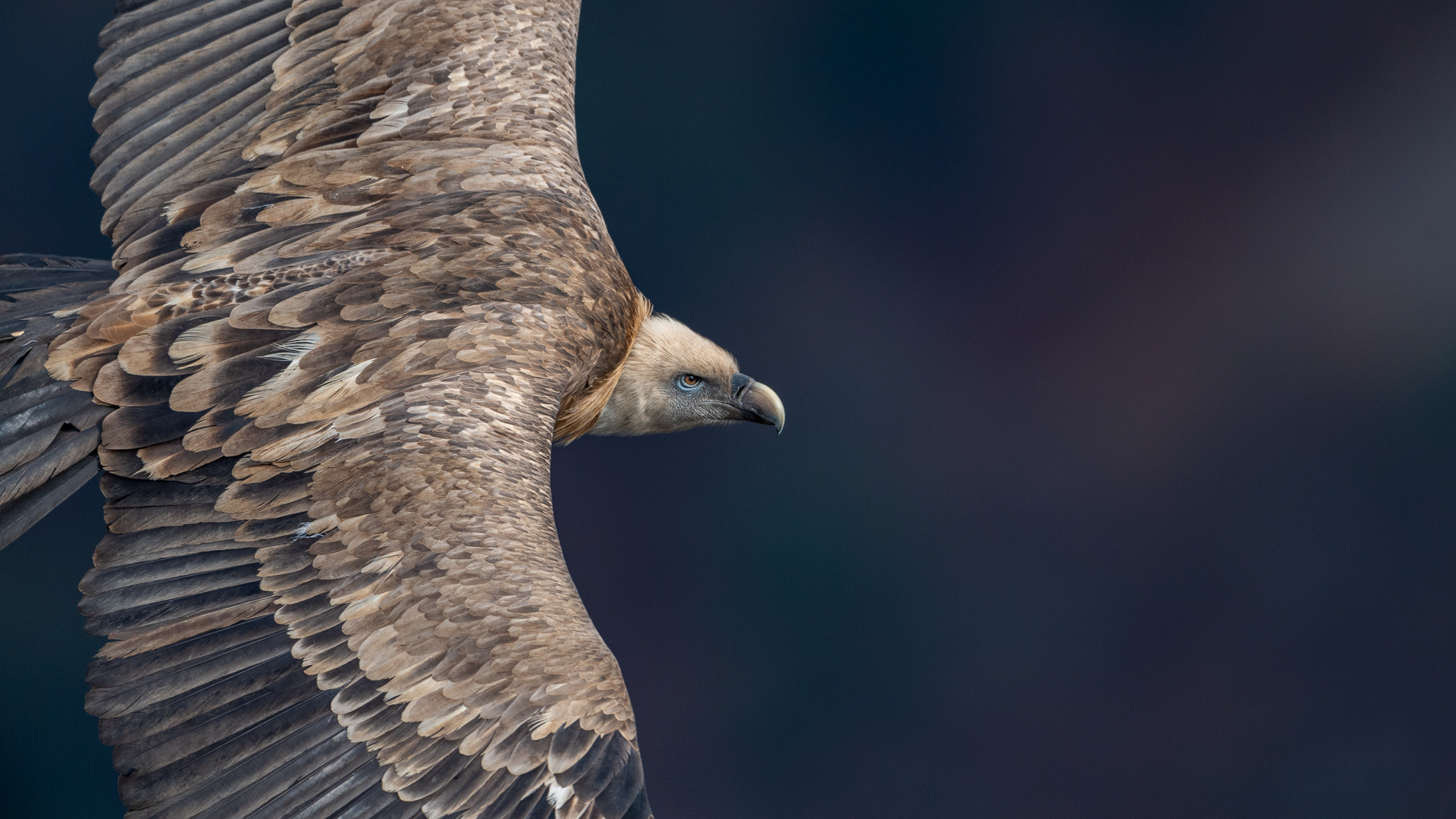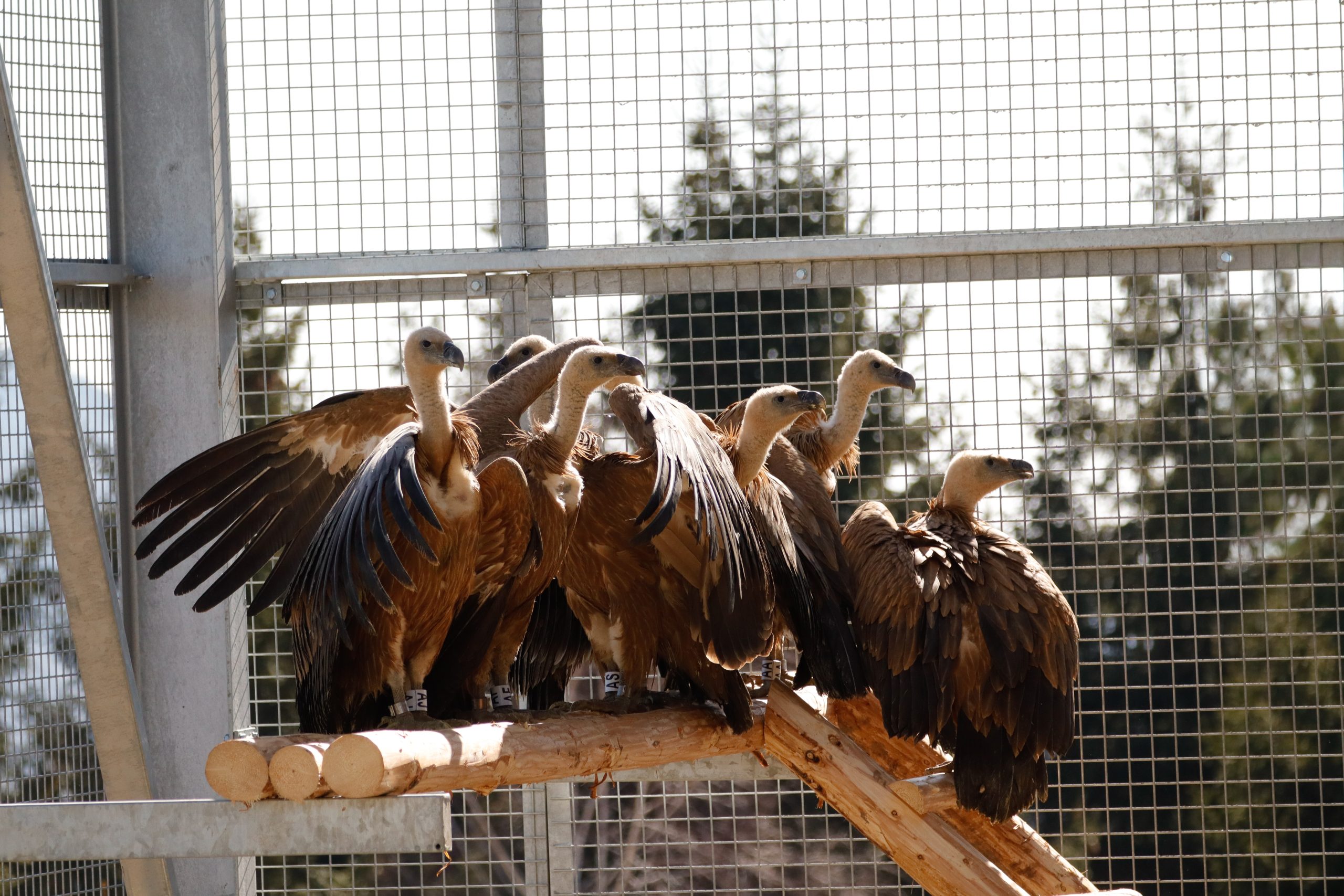
The results of the last Balkan-wide Griffon vultures census are unequivocal: the species reached record-high numbers. In addition, alongside the increasing number of vultures, the number of participants and public interest in the activity is also growing.
The results of decades of conservation efforts
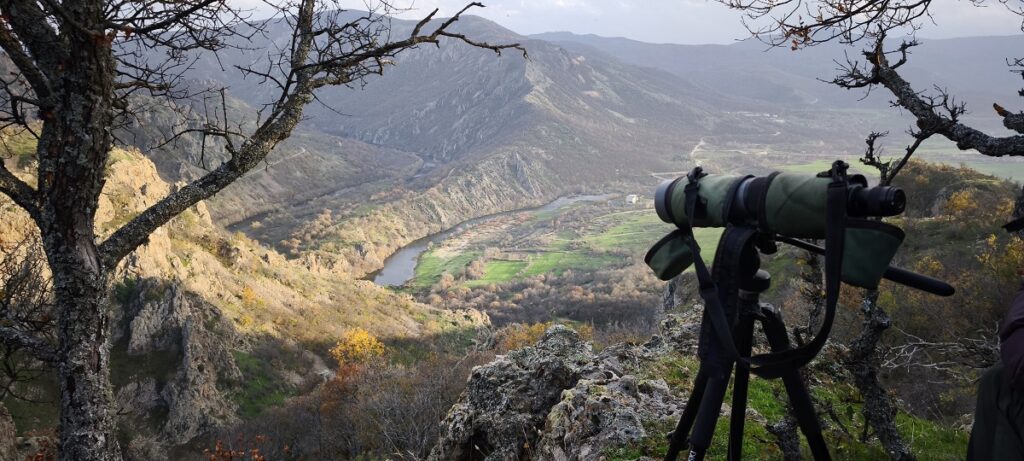
The Balkan-wide Griffon Vultures (Gyps fulvus) census, hosted last November, saw the participation of 20 organisations and institutions, and 109 experts and volunteers, including 59 participants in Bulgaria alone. They simultaneously monitored Griffon Vultures from Bulgaria, North Macedonia, Serbia, and Greece.
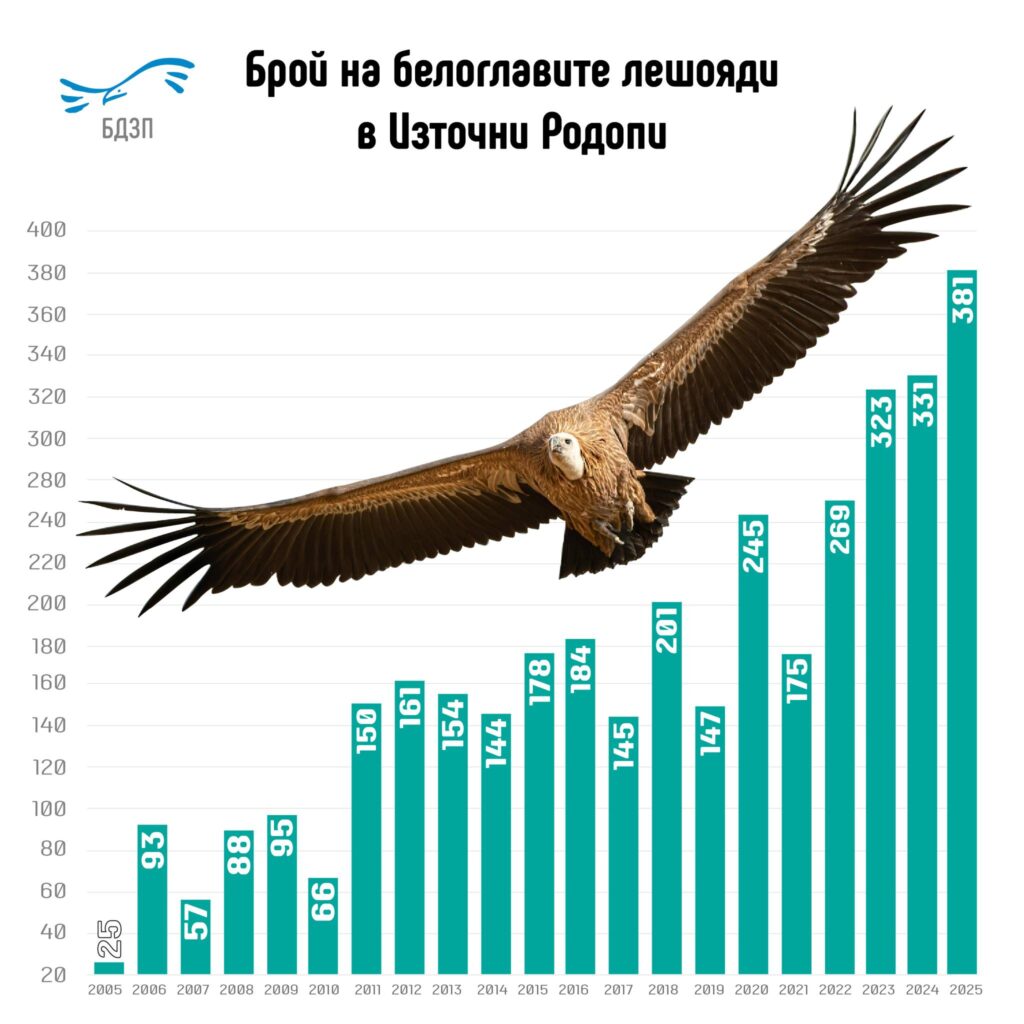
La Bulgarian Society for the Protection of Birds (BSPB) and the Rewilding Rhodopes Foundation managed the census in the Eastern Rhodopes. Teams of experts and volunteers counted a total of 381 Griffon Vultures in the region. At the reintroduction sites in Kresna, Kotel, Vratsa, Central Balkan, and Sliven, teams from FPS Green Balkans, Wild Flora and Fauna Fund, Society for the Protection of Birds of Prey, Central Balkan National Park, Nature Park “Vrachanski Balkan”, Nature Park “Blue Stones” recorded 273 individuals, bringing the total number of Griffon Vultures in Bulgaria to a record 654 birds.
Preliminary data from neighbouring countries indicate 112 Griffon Vultures in Greece, 479 in Serbia, and 30 in North Macedonia, resulting in a minimum total of 1275 individuals across the Balkans.
© BSPB
A recipe for success
Over the last forty years, multiple organizations teamed up to bring the Griffon Vulture back to its former range. In Bulgaria, for example, the species counted only 28 birds in the Rhodope Mountains in 1978. A decade later, the efforts of the Bulgarian Society for the Protection of Birds (BSPB) led to a slow increase in the population, but the species still nested only in the Rhodope Mountains.
The first reintroductions began in 2010, thanks to the collaboration between the Birds of Prey Protection Society (BPPS), Green Balkans, the Vulture Conservation Foundation, several Spanish regional governments, France, and the captive breeding programme for Griffon Vultures, ESB, in collaboration with EAZA. Alongside reintroductions, local organisations and LIFE projects worked relentlessly to minimize and manage threats such as poisoning, electrocution, and collision. They also worked to change public opinion of vultures, dramatically increasing the number of people who contribute to their conservation.
Today, the Arda River valley is home to one of the largest natural colonies of the species in the Balkans. The numbers recorded in the 2025 census are a direct result of decades of efforts and shine a hopeful light on the future of the species across the region.
LIFE Rhodope Vulture
Co-funded by the Programa LIFE of the European Union and Rewilding Europe, the LIFE Rhodope Vulture project is dedicated to the recovery of the Cinereous Vulture population in the Rhodope mountains, between Bulgaria and Greece. The project aims to increase food availability for the species and address human-wildlife conflicts. It will reintroduce birds from Spain to establish a new colony in Bulgaria and conserve the Greek colony in Dadia-Lefkimi-Soufli National Park. Lastly, the project aims to foster cooperation among local businesses, conservation initiatives, and stakeholders and raise awareness about the ecological benefits of Cinereous Vultures. The project duration is 5 years, from June 2024 to May 2029. The total budget is €4,160,118 Euro. It is coordinated by the Bulgarian Society for the Protection of Birds (BSPB) with the participation of Rewilding Rhodopes Foundation. It also benefits from international collaboration, including the Vulture Conservation Foundation.