The recent appearance of the Golden Jackal (Canis aureus) on the island of Cres (Croatia) alarmed both conservationists and farmers. The species, already registered in the Croatian mainland and in some of the Kvarner Islands, poses a serious threat to the extensive livestock farming activities and, by extension, to Griffon Vultures.
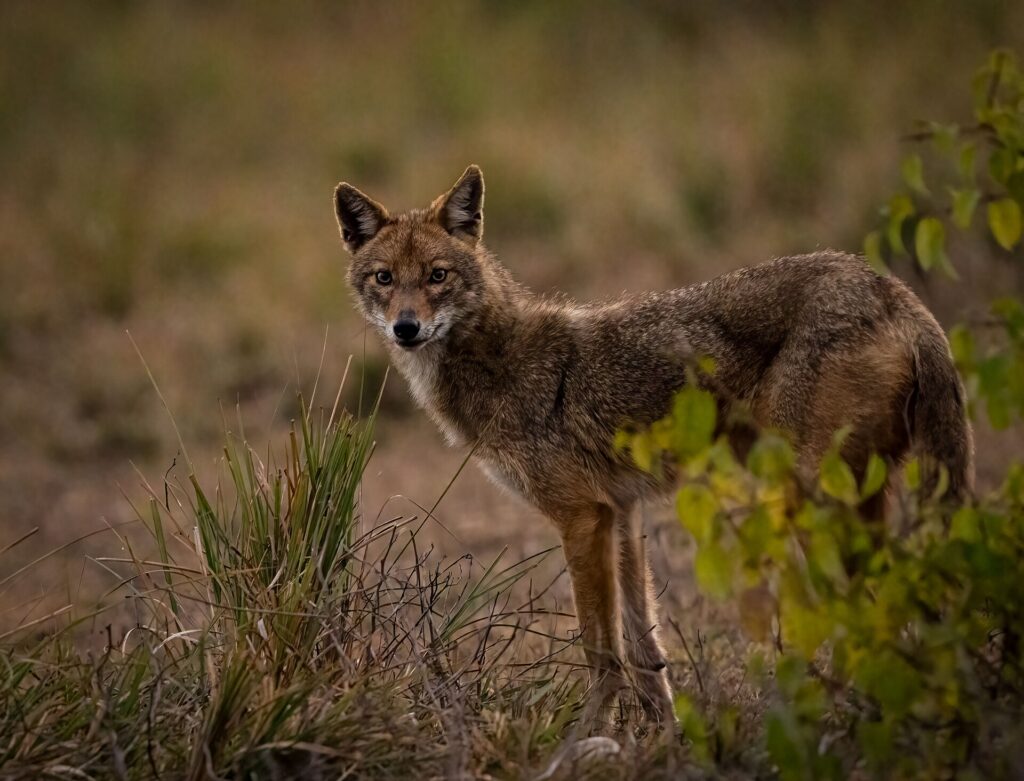
The Golden Jackal is expanding into new areas
Golden Jackals (Canis aureus) are adaptable and opportunistic medium-sized canids native to parts of Africa, Asia and Europe. In recent decades, they have been recolonizing their former range in Europe, moving west from the eastern side of the continent. The species is classified under Annex V of the EU Habitats Directive, meaning it is a species of community interest that may be subject to human management where appropriate.
Individuals of this species have been recorded over the past year in all Kvarner Islands, including Cres, where they were previously absent. This colonization presents a new challenge for farmers and vulture conservation projects like LIFE SUPport.
A threat to extensive sheep farming can become a threat to vultures’ survival
On islands like Cres and the neighbouring Island of Krk, traditional extensive sheep farming has historically supported a mosaic of open pastures and contributed to strong ecological networks. In the past, farmers could leave sheep free-range grazing in open areas, thanks to the absence of major wild predators. In recent years, the growing Golden Jackal populations have made this practice increasingly difficult on some of the islands. Livestock cannot be left unattended and protecting it from predators requires significant investments that not all traditional farmers can afford. Under such circumstances, people are more likely to abandon sheep farming and turn to tourism or other activities.
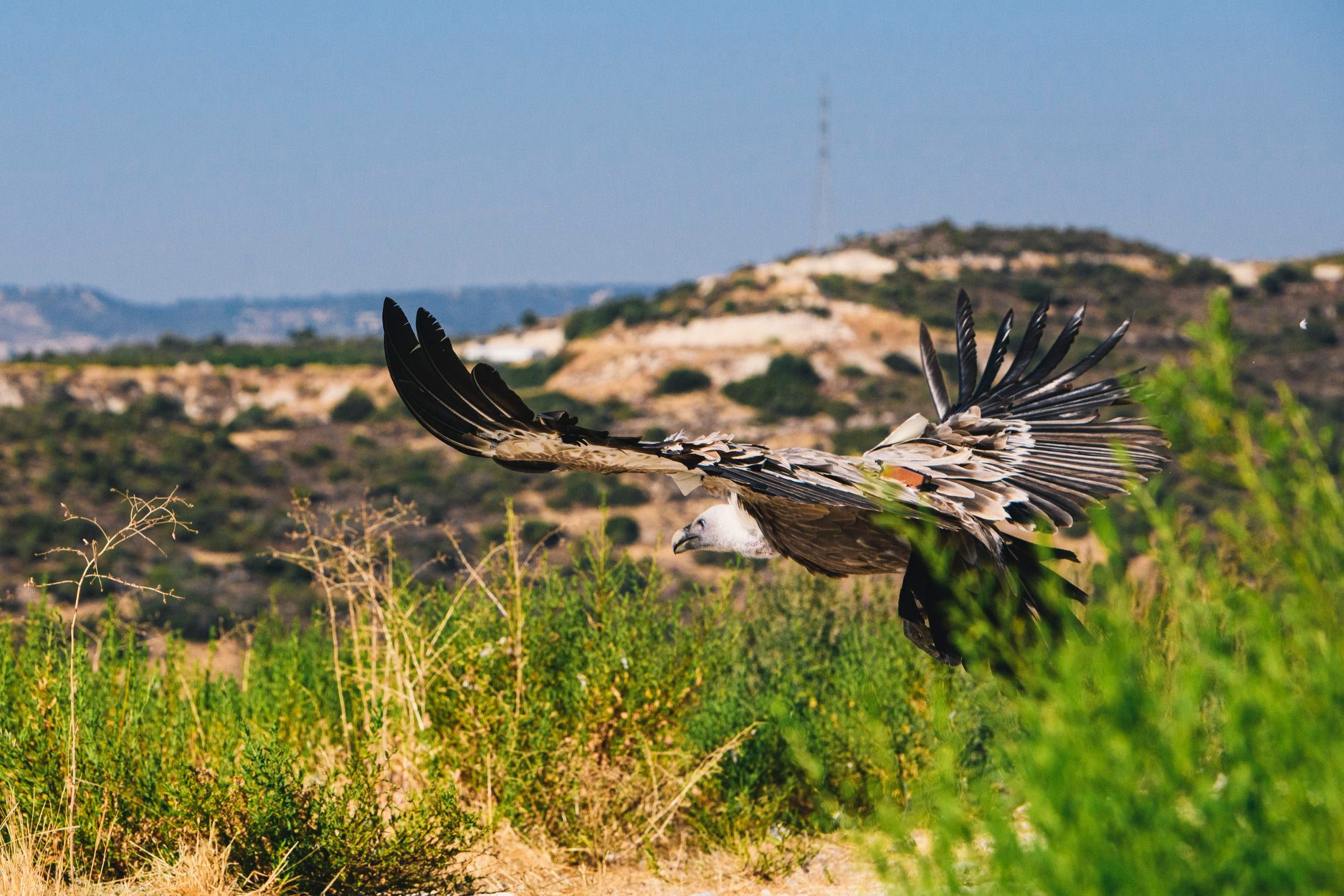
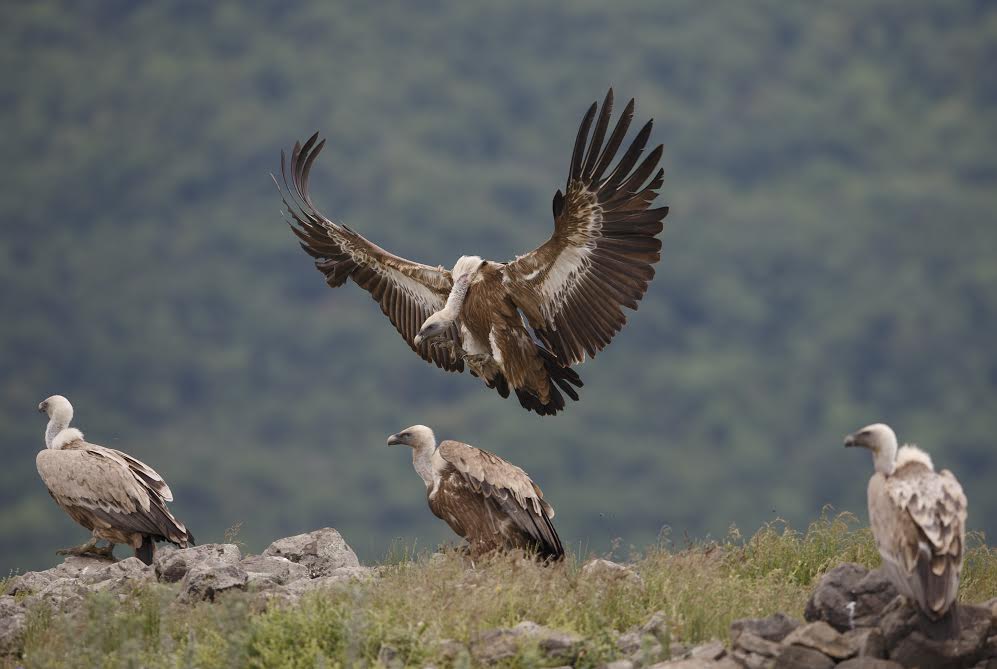
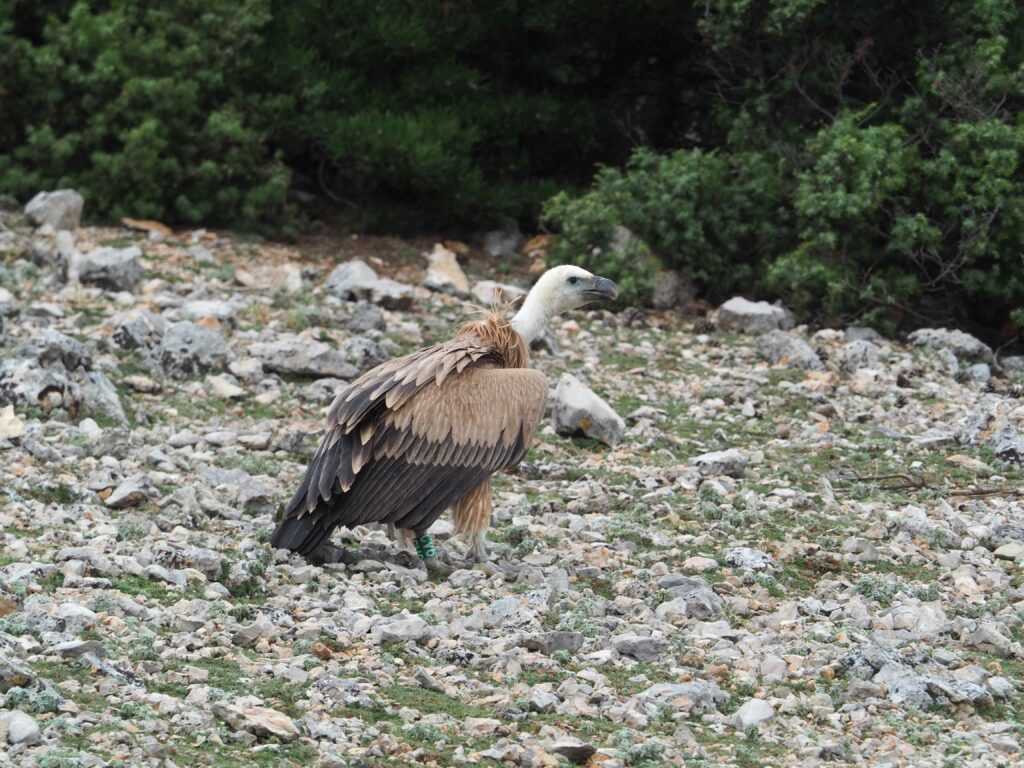
On the Kvarner Islands, Griffon Vultures (Gyps fulvus) are inseparably linked to extensive sheep farming. In the absence of a large population of wild ungulates, they feed almost exclusively on livestock carcasses and supplementary feeding stations managed in cooperation with farmers. The appearance of the Golden Jackal can dramatically change the Kvarner Islands’ landscape and the future of vultures on these islands.
The LIFE SUPport project calls on all relevant institutions
A LIFE SUPport project partnership, which includes BIOM and other regional and international organizations, has called for urgent, coordinated responses to prevent Golden Jackal populations from becoming a serious threat to farming on Cres. Measures under consideration focus on engaging local hunting communities through meetings and the allocation of budget funds and testing protective methods to prevent further losses for livestock breeders.
Any decline in sheep numbers could indirectly affect Griffon Vultures’ health and long-term population trends. Vultures play a vital role in the Islands’ ecosystem, culture and economy. Sustaining their food base through extensive, predator-compatible farming systems is crucial to their conservation.
Building coexistence strategies
The Golden Jackal’s arrival on Cres, the cradle of Griffon Vultures conservation in Croatia, represents an emerging challenge for farmers, authorities and conservation projects. It highlights the complex network that links human activities, conservation and a landscape that is constantly evolving.
The presence of the Golden Jackal could potentially exacerbate human-wildlife conflict with disastrous consequences on the Islands’ ecology and economy. It is now urgent to develop a science-based management plan that involves livestock breeders, hunters and environment and conservation experts.
LIFE SUPport
A LIFE SUPport aims to strengthen Croatia’s endangered Griffon Vulture (Gyps fulvus) population. A 5-year project co-financed by the EU’s will create better conditions for the species to thrive and recolonise its historical breeding ground on the Croatian mainland. The project aims to improve breeding and survival conditions, minimise nest disturbance, reduce nestling mortality, tackle the threat of poison, mitigate collision and electrocution risks, and increase food availability.
A LIFE SUPport is a 2.1 million project from January 2023 until December 2027. A joint effort led by BIOM with Public Institution Priroda, Otok Krk Agricultural Cooperative, HEP – Operator distribucijskog sustava d.o.o., the energy distribution company, the Vulture Conservation Foundation and the Croatian Nature Protection Directorate (Ministry of Economy) as associate partners.