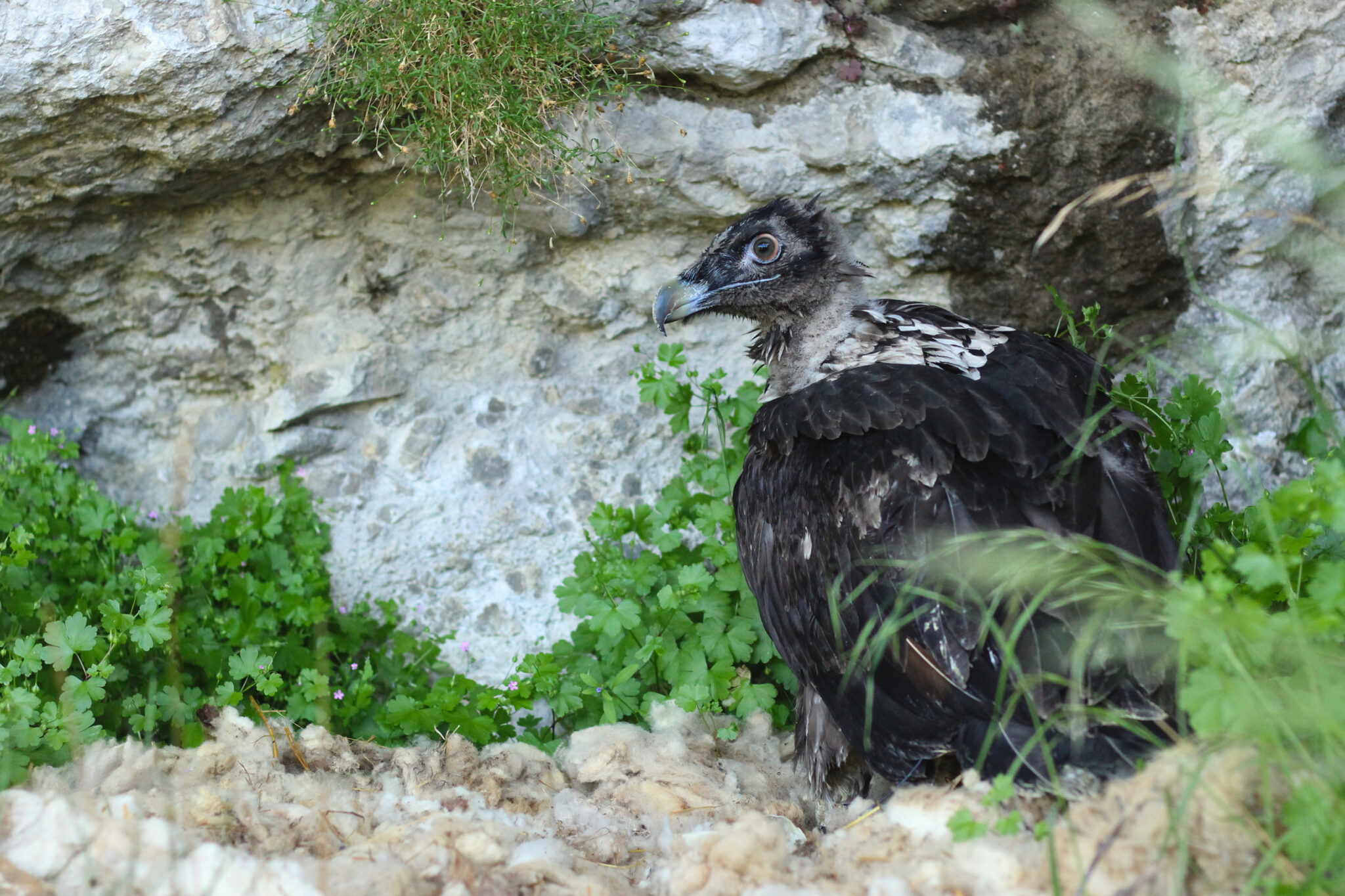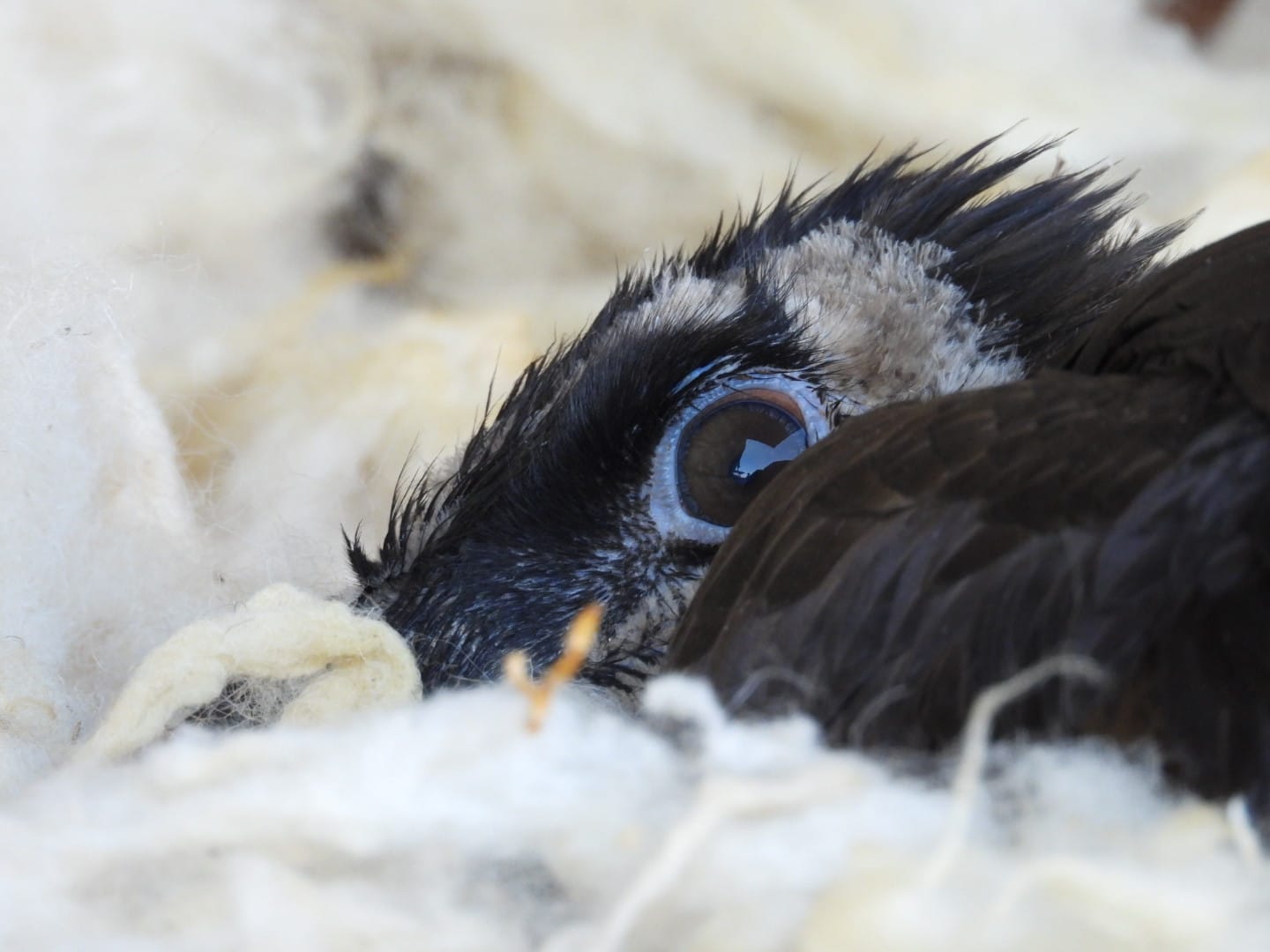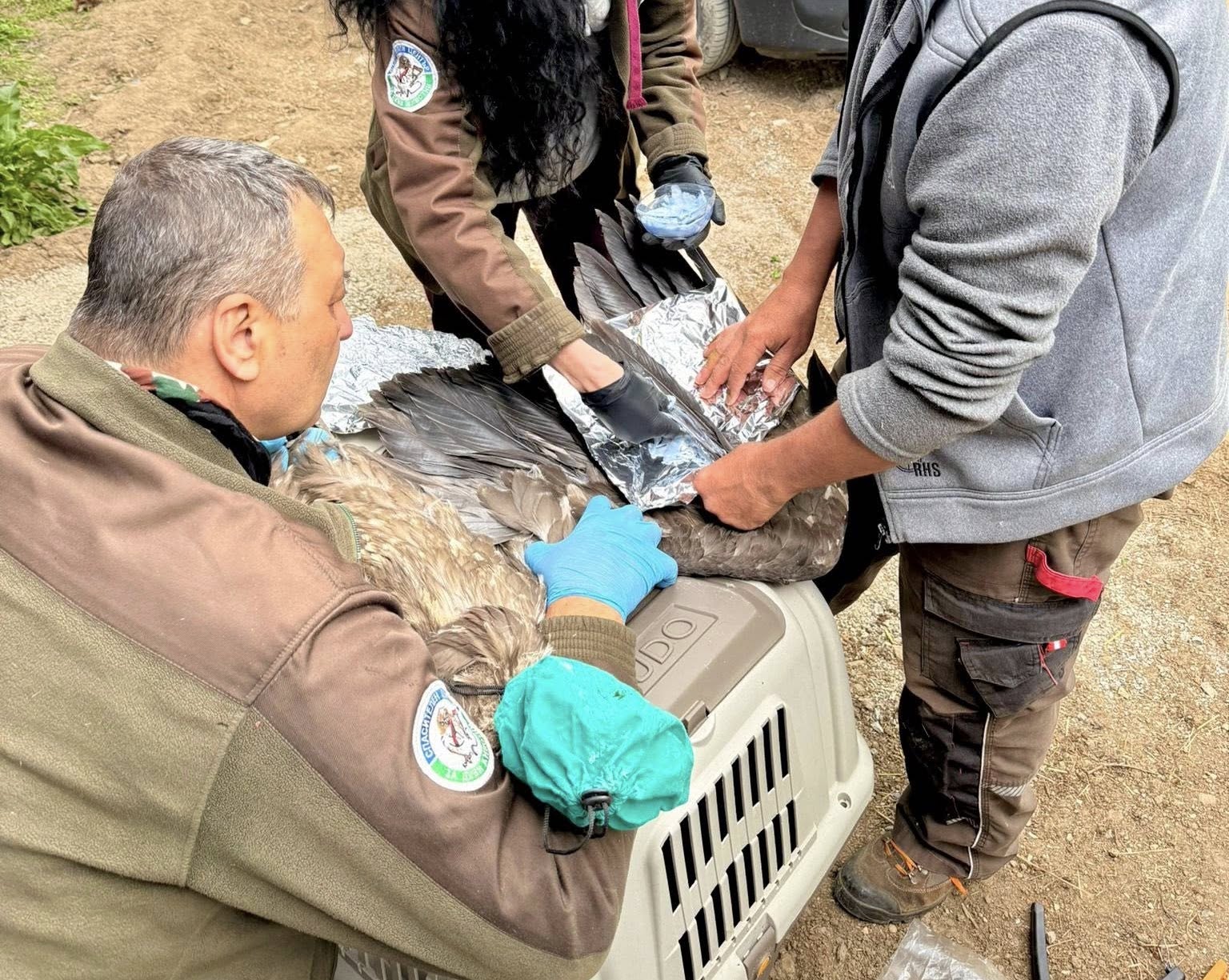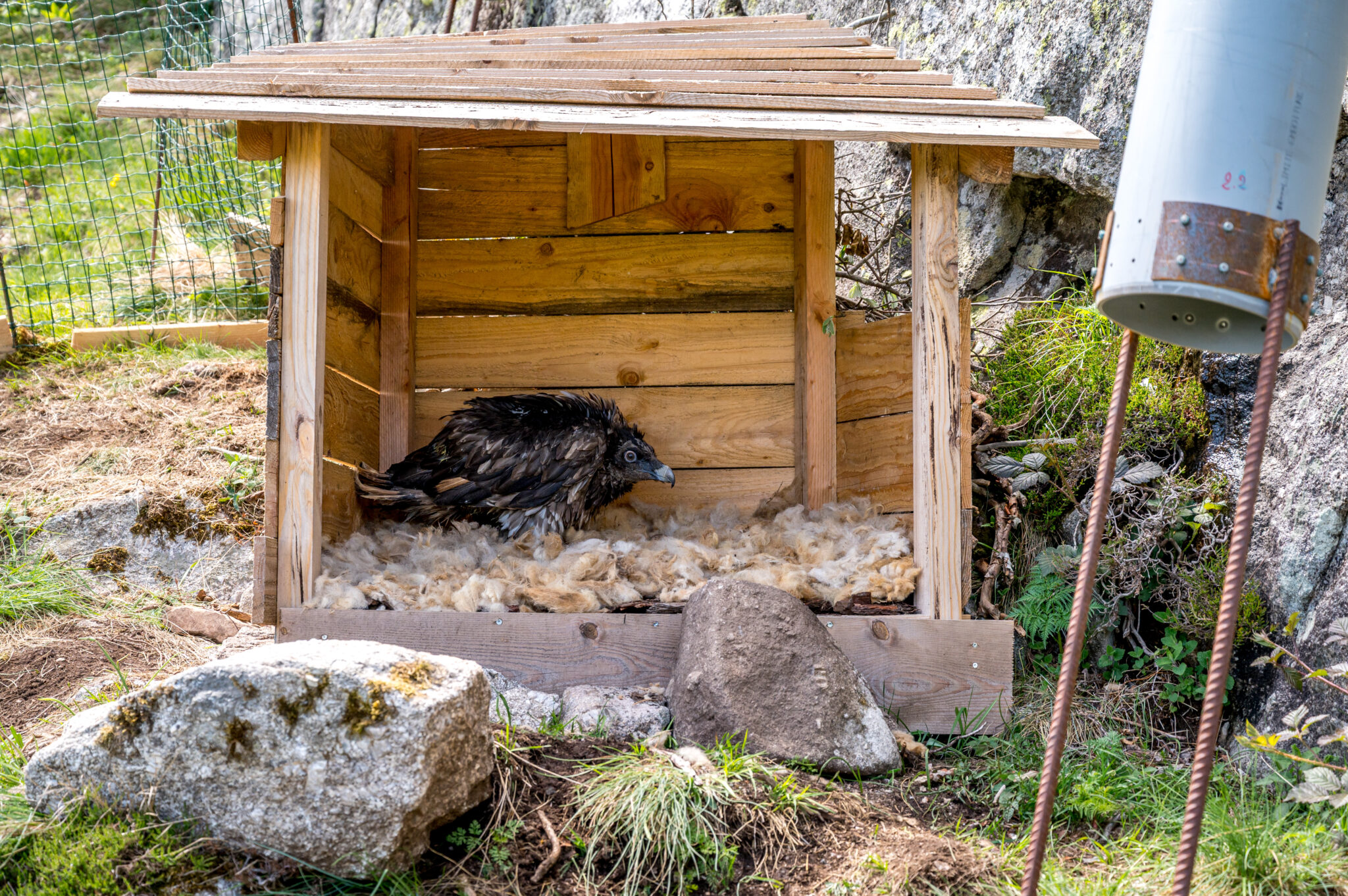
The future is looking bright for Bearded Vultures (Gypaetus barbatus) in France: The relevant national authorities have officially adopted a new National Action Plan (PNA) for the species the for the period 2026–2035, reaffirming its long-term commitment to the conservation of Europe’s rarest vulture species.
Coordinated by LPO France and supported by the French Ministry for Ecological Transition, the drafting of this new Action Plan brought together more than 50 conservation stakeholders from nearly 30 organisations across France and Europe, including the Vulture Conservation Foundation.
The new plan builds on recent successes while aiming to further strengthen and expand Bearded Vulture populations across France’s mountain ranges.
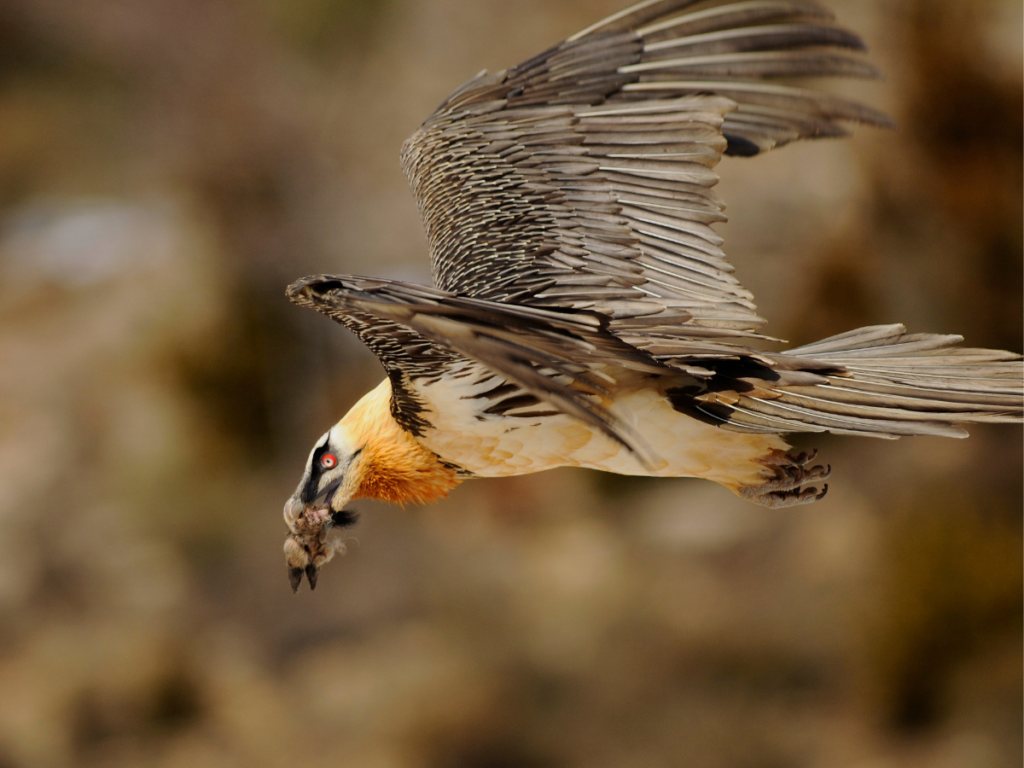
A flagship species with a strong conservation responsibility
As part of its National Biodiversity Strategy 2030, France is placing particular emphasis on species for which it bears a high heritage responsibility. With fewer than 100 breeding pairs nationwide, the Bearded Vulture remains highly vulnerable despite decades of conservation success. France currently hosts the second-largest Bearded Vulture population in Europe after Spain, with 92 territorial pairs recorded in 2024, distributed across the Pyrenees, the Alps, the Massif Central (Grands Causses) and Corsica.
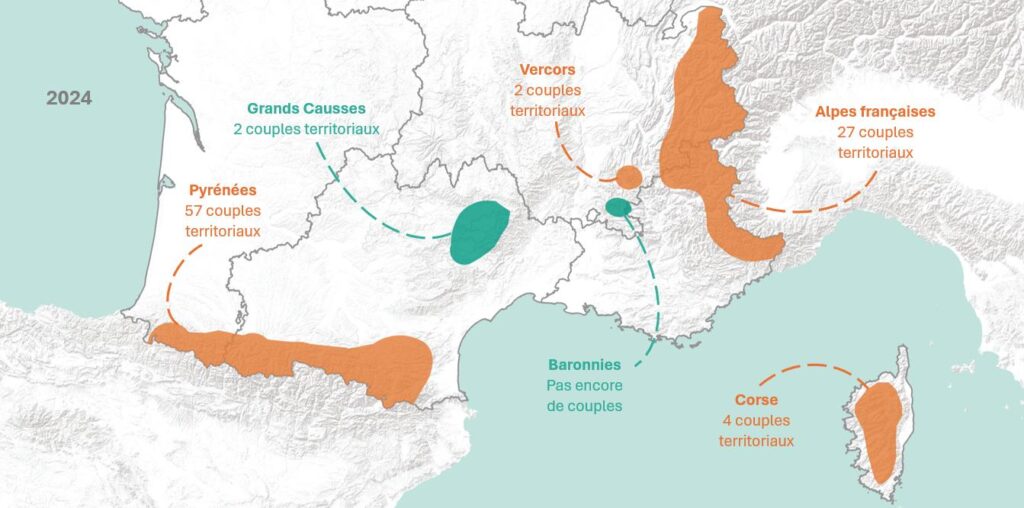
(c) Plan national d’actions en faveur du Gypaète barbu (2026-2035)
Once eradicated from most of Europe, the Bearded Vulture survived the 20th century there in only three strongholds: the Pyrenees, Corsica and Crete. Thanks to intensive and successful protection, reintroduction and restocking programmes, the species has now returned to several parts of Western Europe. However, its slow reproductive rate and continued exposure to human-related threats mean that sustained, coordinated action remains essential.
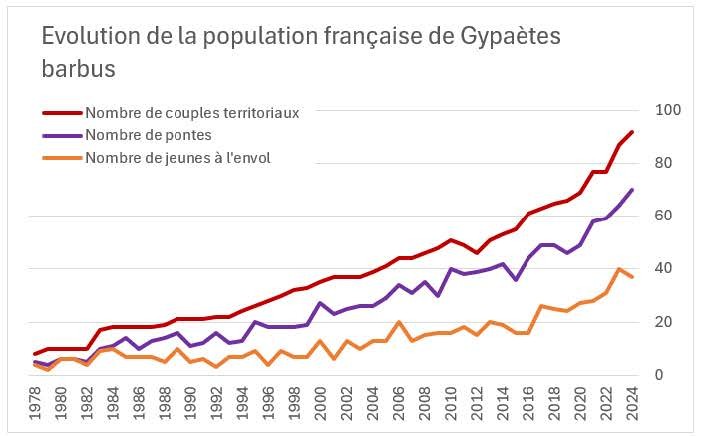
(c) Plan national d’actions en faveur du Gypaète barbu (2026-2034)
Building on past success
The new National Action Plan follows on from the first species Action Plan implemented between 2010 and 2020. That initial plan played a key role in stabilising and increasing Bearded Vulture numbers, particularly in the Alps and the Pyrenees, and in strengthening cooperation between conservation organisations, public authorities, researchers, protected areas, electricity network operators and other stakeholders.
Despite these gains, significant challenges persist. The Corsican population remains critically fragile, with very few breeding pairs, and a very low breeding success, due to its genetic isolation and limited food resources. On the other hand, emerging populations such as those in the Massif Central still depend on reinforcement and favourable conditions to become self-sustaining. Mortality remains high, particularly in the Grands Causses area, with several Bearded Vultures there being found either shot or poisoned in recent years.
Recognising both the progress achieved and the remaining vulnerabilities, the French Ministry for Ecological Transition, Biodiversity, Forestry, the Sea and Fisheries mandated the development of a second, strengthened National Action Plan to establish a framework for the next decennia.
An ambitious vision
Implemented over the next decade, the National Action Plan for the Bearded Vulture 2026–2035 aims to achieve a 42% increase in the number of territorial pairs by 2034, while expanding the species’ distribution across all four French mountain massifs and improving connectivity between populations to ensure a functional national metapopulation.
The new plan aims to increase the national population by up to 130 breeding pairs (from the current 92), with significant increases planned for the Alps (from 29 to 54 breeding pairs), a doubling of the population in Corsica (from 4 to 8 pairs), and more than that in Massif central (from the current 2 pairs to 8 by the end of the plan). The plan aims to increase the area occupied by the species at national level by 16%.
To reach these long-term objectives, the plan defines six strategic priorities:
- Continue monitoring efforts to track population trends and demographic parameters, in line with identified scientific questions, and adapt conservation measures accordingly.
- Ensure the viability and proper functioning of the French metapopulation by reconnecting existing population cores and promoting recolonization across the species’ biogeographical range.
- Promote access to high-quality, diverse, and year-round food resources, both wild and domestic.
- Reduce and prevent anthropogenic mortality risks related to overhead wires, poisoning, shooting, and wind turbines, as well as disturbance in key areas and breeding sites.
- Raise public awareness of the species and encourage broad engagement with its conservation challenges.
- Coordinate the action plan, integrate it into public policies, and promote cooperation and synergies with other National Action Plans (PNA) and neighboring countries.
Source: French National Species Action Plan for the Bearded Vulture: https://www.consultations-publiques.developpement-durable.gouv.fr/IMG/pdf/pna_gypaete_barbu_2025-2034_web.pdf
Looking ahead
The French National Action Plan for the Bearded Vulture 2026–2035 represents a decisive step toward securing the long-term future of the species in France and contributing to its recovery at the European scale.
For species like the Bearded Vulture, whose survival depends on long-term commitment, cross-border cooperation, and the reduction of human-induced threats, National Action Plans are indispensable. They provide a common vision, secure political recognition, and create the conditions needed to turn scientific knowledge into lasting conservation success.
We are delighted to see this plan becoming a reality and will actively contribute to its implementation by supporting its objectives through the LIFE GypAct project, International Bearded Vulture Monitoring network and close cooperation with all our French partners.