A Spanish court has convicted a hunter for killing an Iberian lynx, one of Europe’s most endangered carnivores, in a case that lays bare both the fragility of wildlife recovery efforts and the growing resolve to hold perpetrators to account.
Criminal Court No. 3 of Toledo ordered the man to pay €100,800 in compensation to the regional government of Castilla-La Mancha. He was also banned from hunting for three years. The court found him guilty of a crime against wildlife due to gross negligence.
A protected species killed during illegal hunting
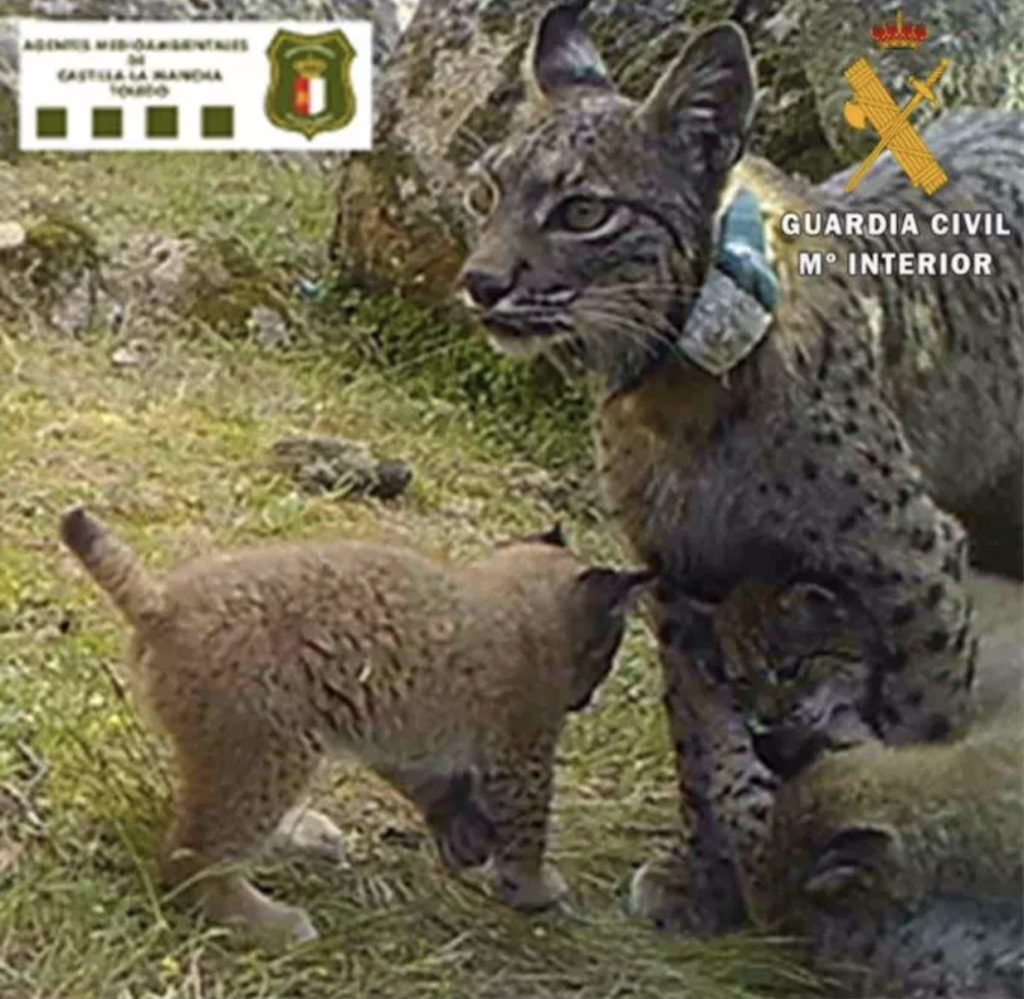
In June 2019, the hunter shot a female lynx named Nenúfar in the La Batinosa hunting reserve in Menasalbas, Toledo. He was hunting without a valid licence and outside the authorised season. When questioned, the hunter claimed he had mistaken Nenúfar for a fox.
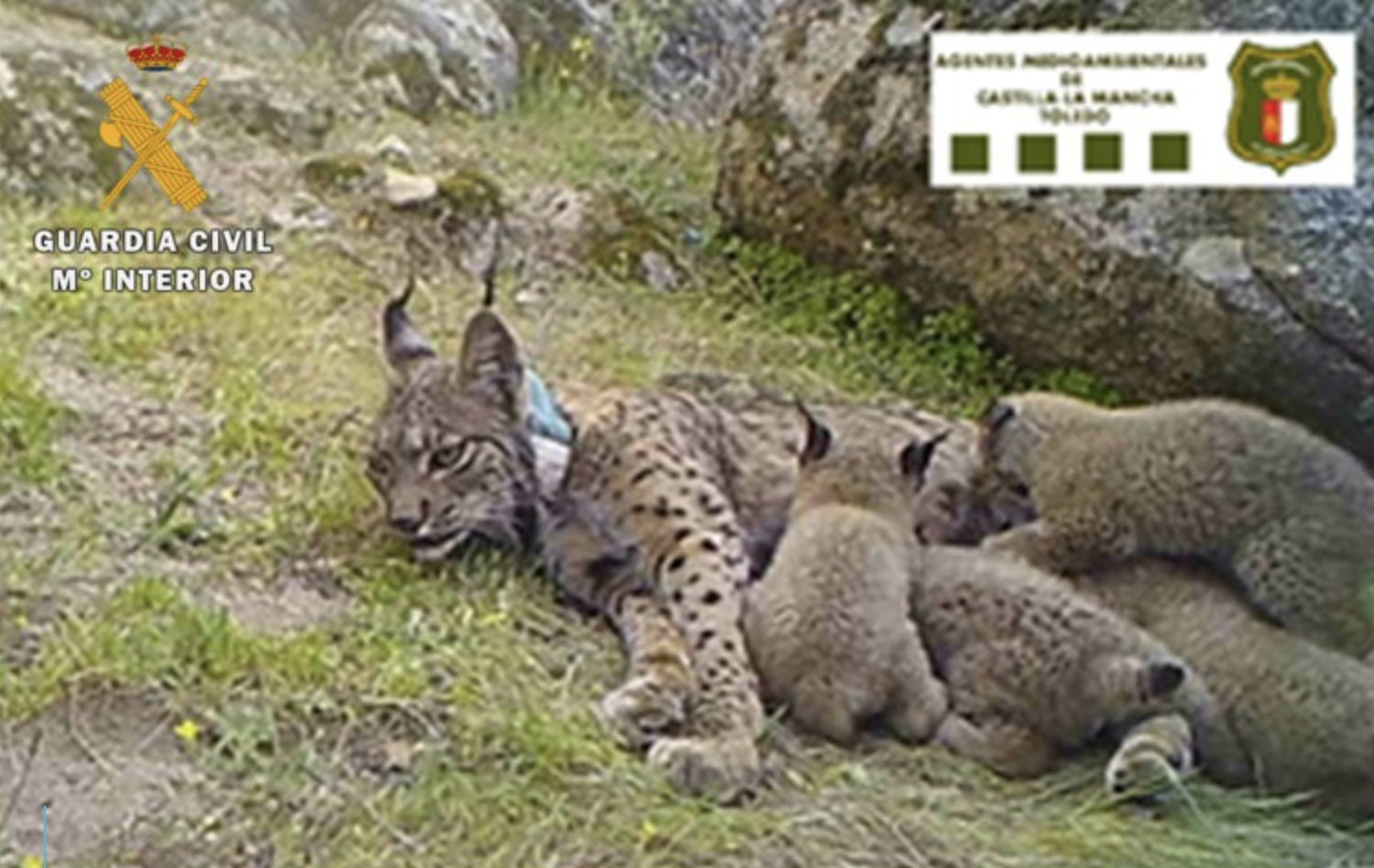
Nenúfar had been released into the Montes de Toledo in February 2017 as part of Spain’s lynx reintroduction programme and was fitted with a radio transmitter so conservationists could monitor her progress. Her bullet-riddled body was discovered two years after her release by an environmental agent from Castilla-La Mancha.
What made her death particularly devastating was its timing. She was nursing a litter of four cubs, just two months old, when she was killed. At that age, the cubs had no chance of surviving without her. One of her cubs was also discovered nearby, dead from starvation.
A sentence reflecting the cost of wildlife crime
The regional government had initially sought €500,000 in compensation. The court settled on €100,800. The three-year hunting ban was imposed alongside the financial penalty, reflecting the seriousness of killing a strictly protected species.
Spain’s approach: investigation and deterrence
The offender was identified and arrested following an investigation by the Guardia Civil’s nature protection unit (Seprona), which focused on individuals frequenting the hunting area. Spain’s model relies on thorough investigations, the use of forensic evidence, and judicial follow-through to ensure cases reach court.
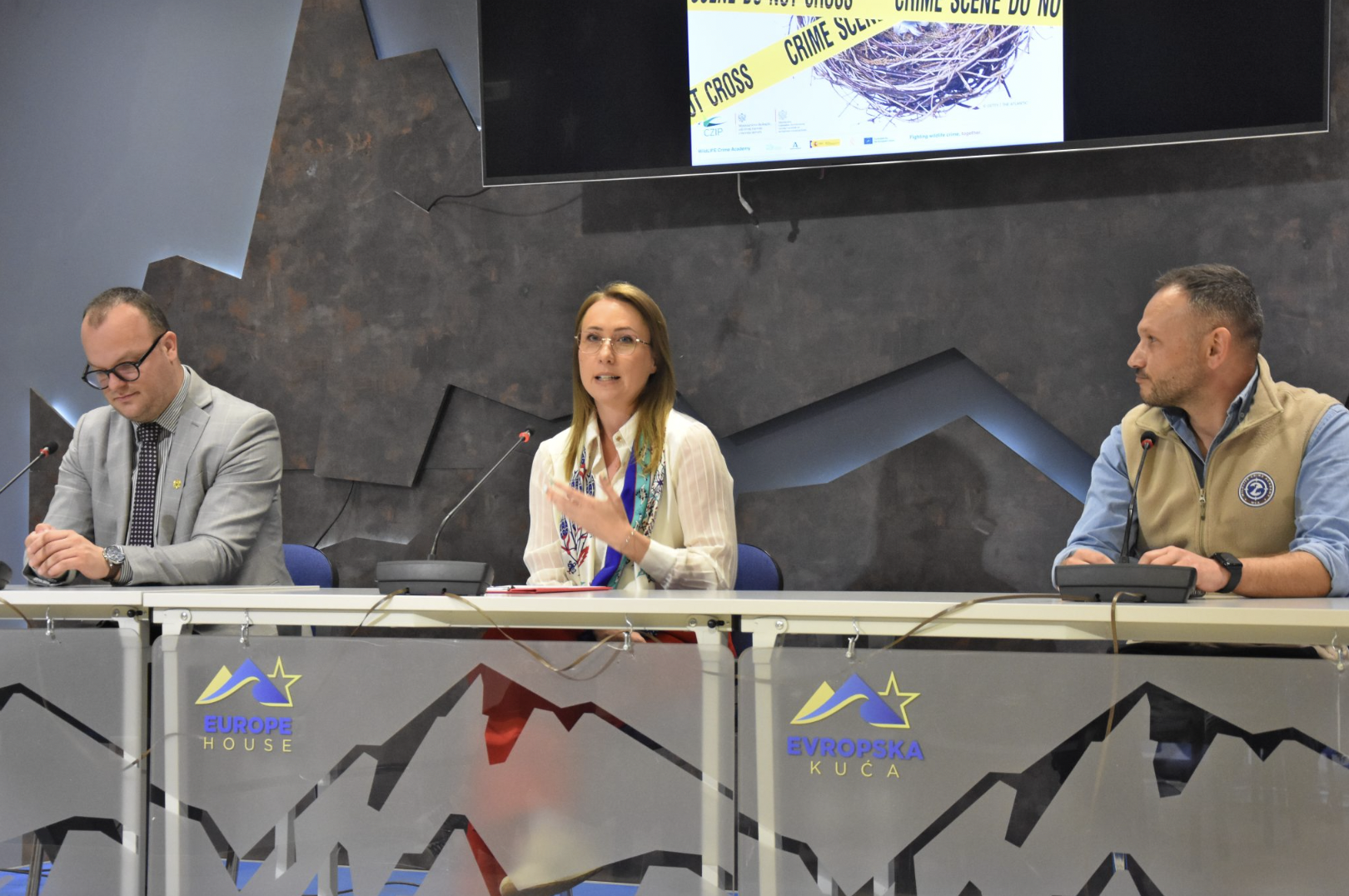
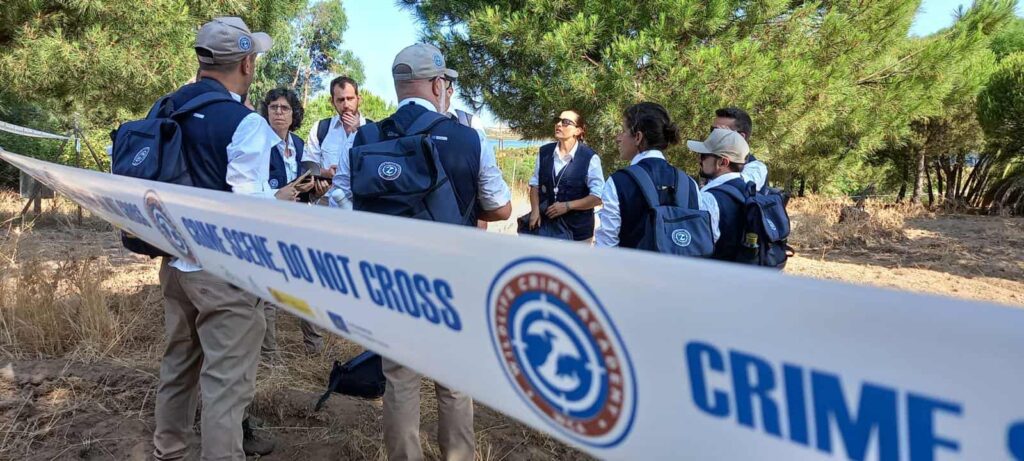
In regions such as Andalusia, sustained investigation and prosecution efforts have contributed to a reduction of more than 90% in wildlife poisoning incidents over the past two decades. Through initiatives such as the WildLIFE Crime Academy, these practices are now being shared with professionals across Europe, the Caucasus and North Africa.
A species pulled back from the brink, but still under threat
The backdrop to this case is one of remarkable, hard-won recovery. At the turn of the century, fewer than 100 Iberian lynx remained in the wild. According to a population census, the population had grown to 2,401 individuals by 2024, which represented a 19% increase on the previous year, with Castilla-La Mancha alone home to 942 of them. In 2024, the IUCN upgraded the species’ status from Endangered to Vulnerable, a milestone conservationists had worked towards for decades.
Yet as Nenúfar’s story shows, individual animals still matter enormously. Every breeding female lost is a setback that numbers alone cannot fully capture. The conviction in Toledo serves as a reminder that conservation is not only about habitat and breeding programmes, it also depends on the law being enforced and taken seriously when it is broken.