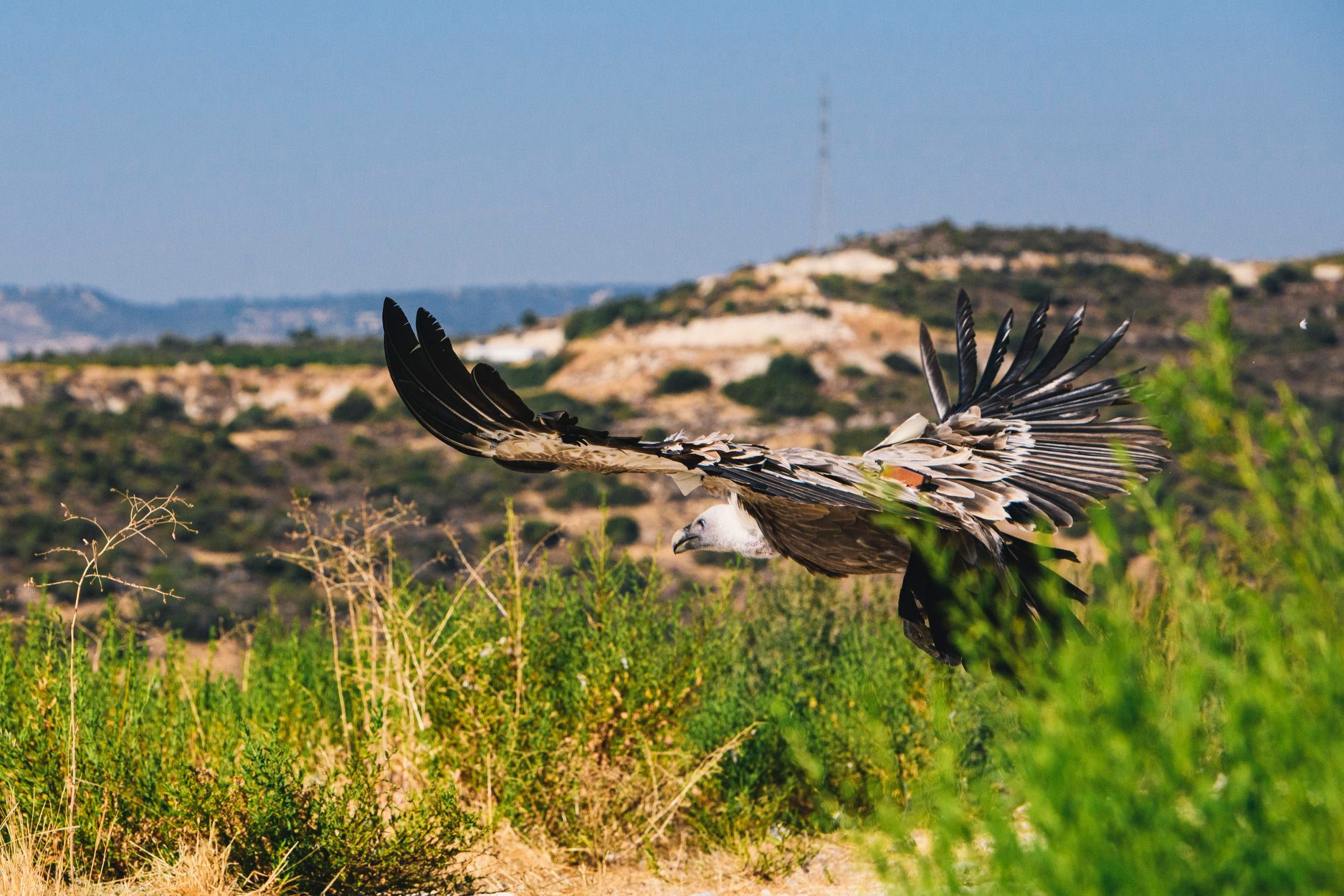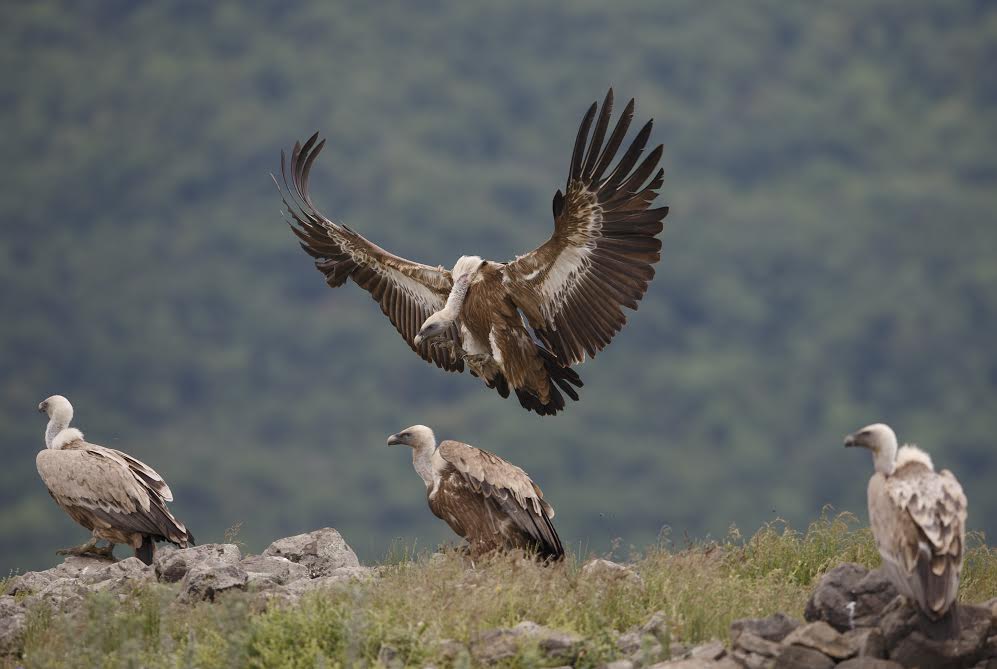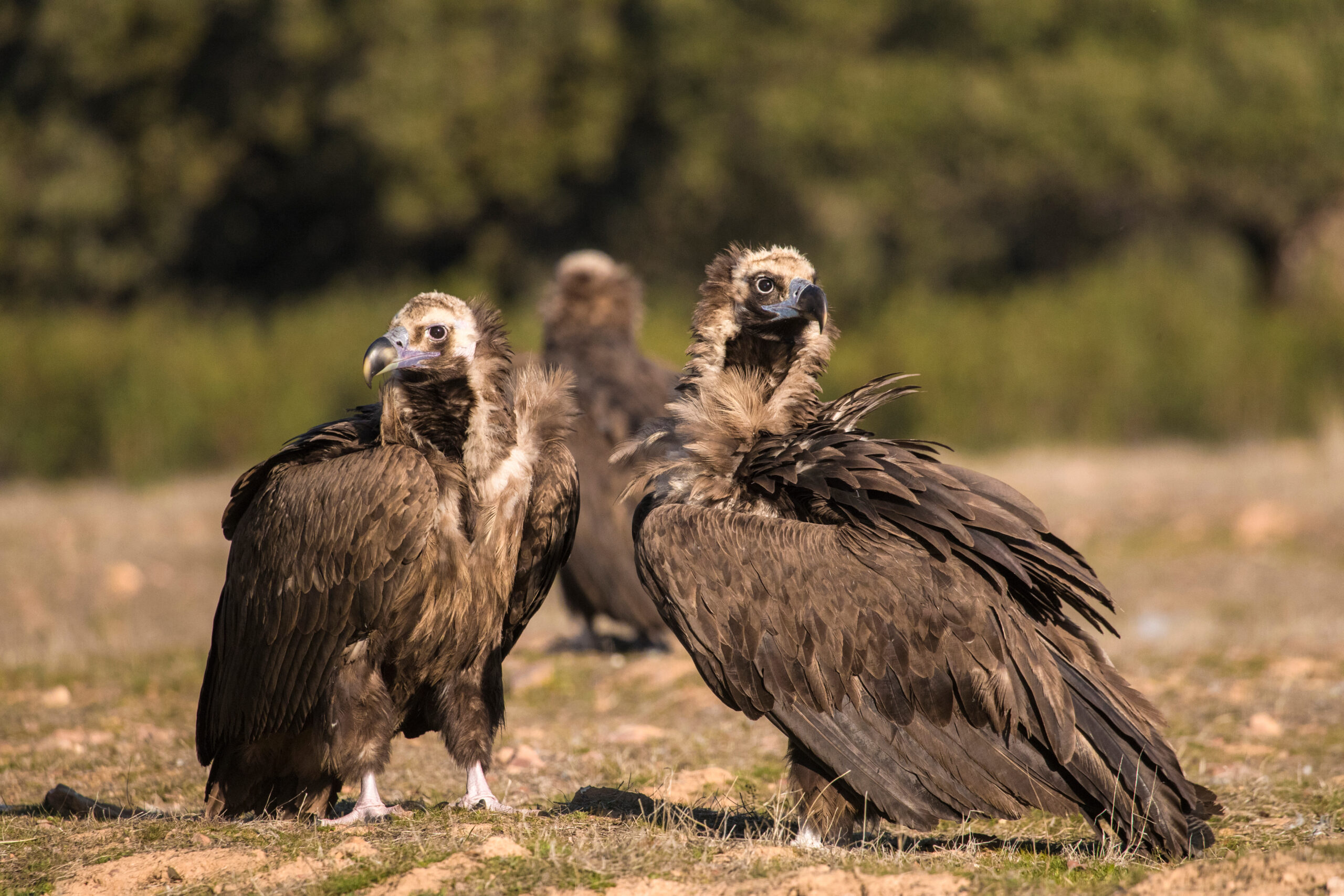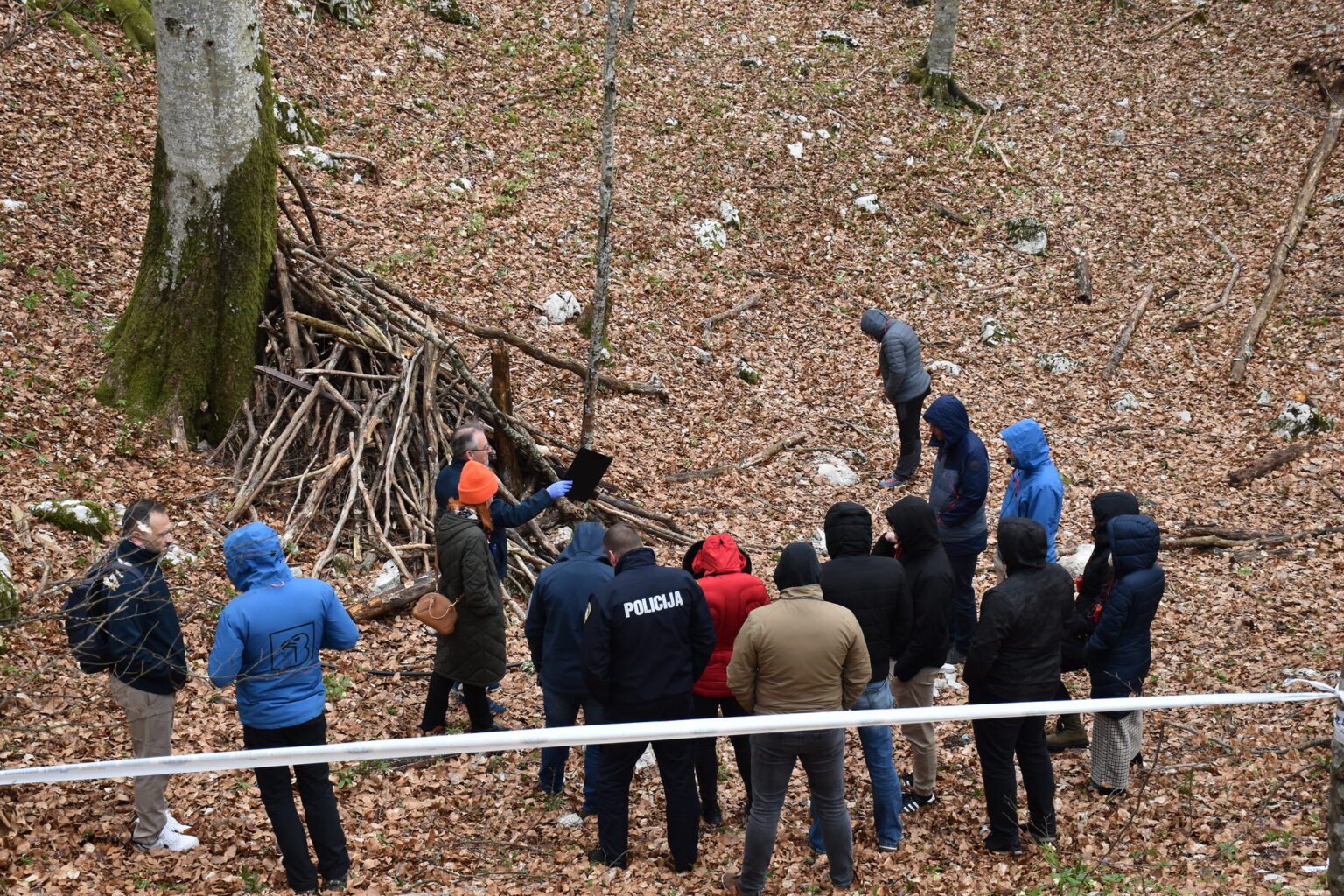
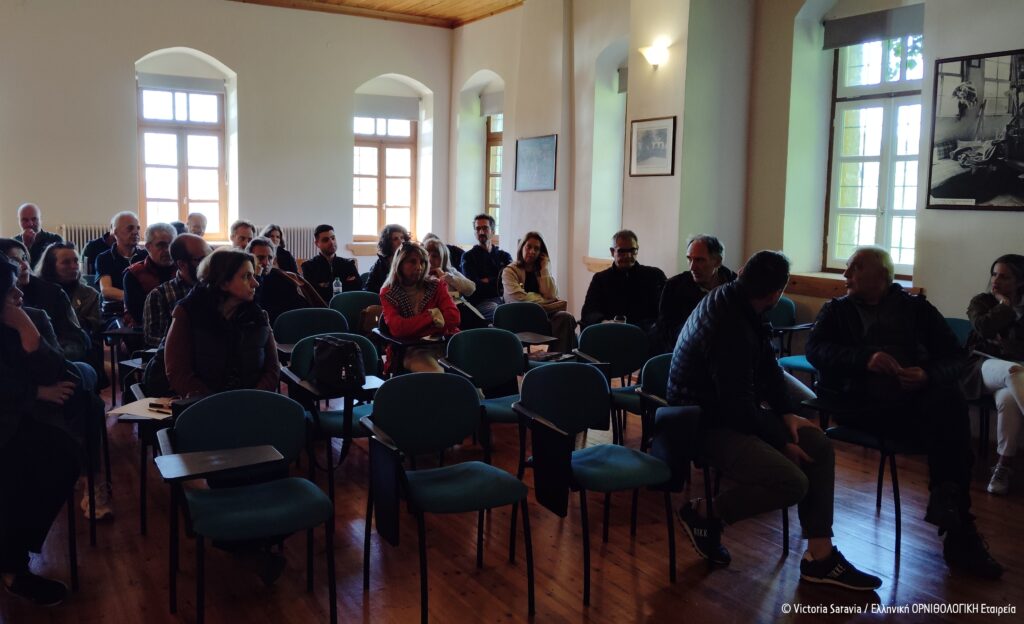
The stakeholder kick-off meeting of the LIFE Balkan GriffON project was held on 20 May 2026 in Ano Pedina, Zagori, bringing together local authorities, environmental organisations and rural stakeholders from mainland Greece. Organised by the Hellenic Ornithological Society and the Natural Environment and Climate Change Agency (NECCA), the meeting marked the beginning of a coordinated effort to support the recovery of the Griffon Vulture (Gyps fulvus) in mainland Greece and strengthen conservation cooperation across the Balkans.
A shared effort for vulture conservation
Once widespread throughout the Balkan Peninsula, the Griffon Vulture experienced a dramatic decline during the 20th century due to poisoning, persecution, reduced food availability, and mortality associated with energy infrastructure. While conservation efforts have helped some populations recover, many colonies remain isolated and vulnerable, highlighting the need for coordinated action across national borders.
Against this backdrop, the kick-off meeting provided an opportunity to present the project’s objectives and discuss how local institutions, communities, and land users can contribute to its successful implementation. Participants emphasised the importance of collaboration in addressing the challenges facing vultures and safeguarding the ecosystems on which they depend.
Bringing regional experience to Greece
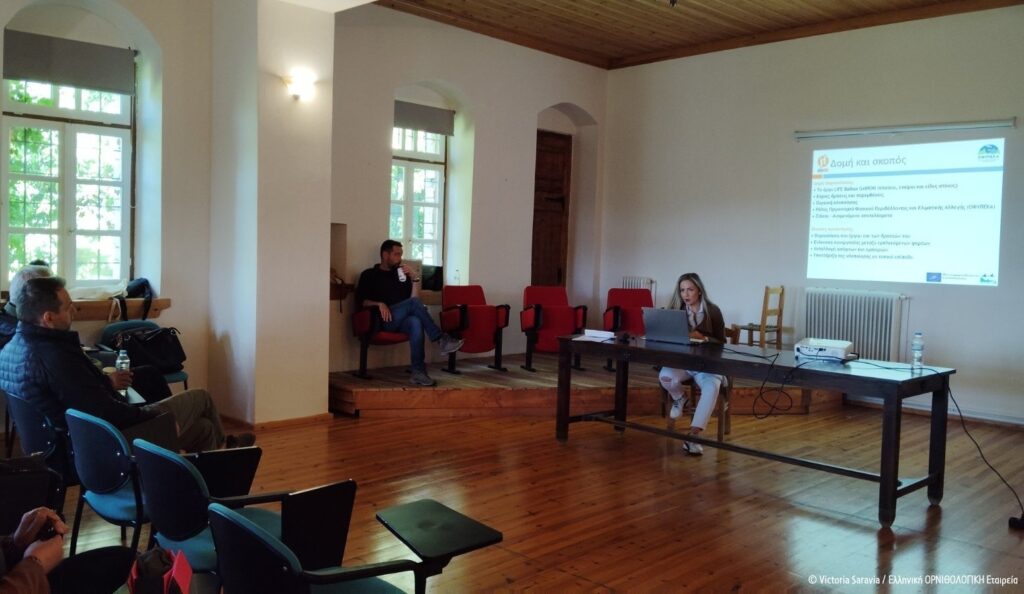
Representing NECCA, project manager and biologist Evangelia Syntichaki presented the framework for implementing LIFE Balkan GriffON in Greece and highlighted the importance of cooperation between countries that share vulture populations.
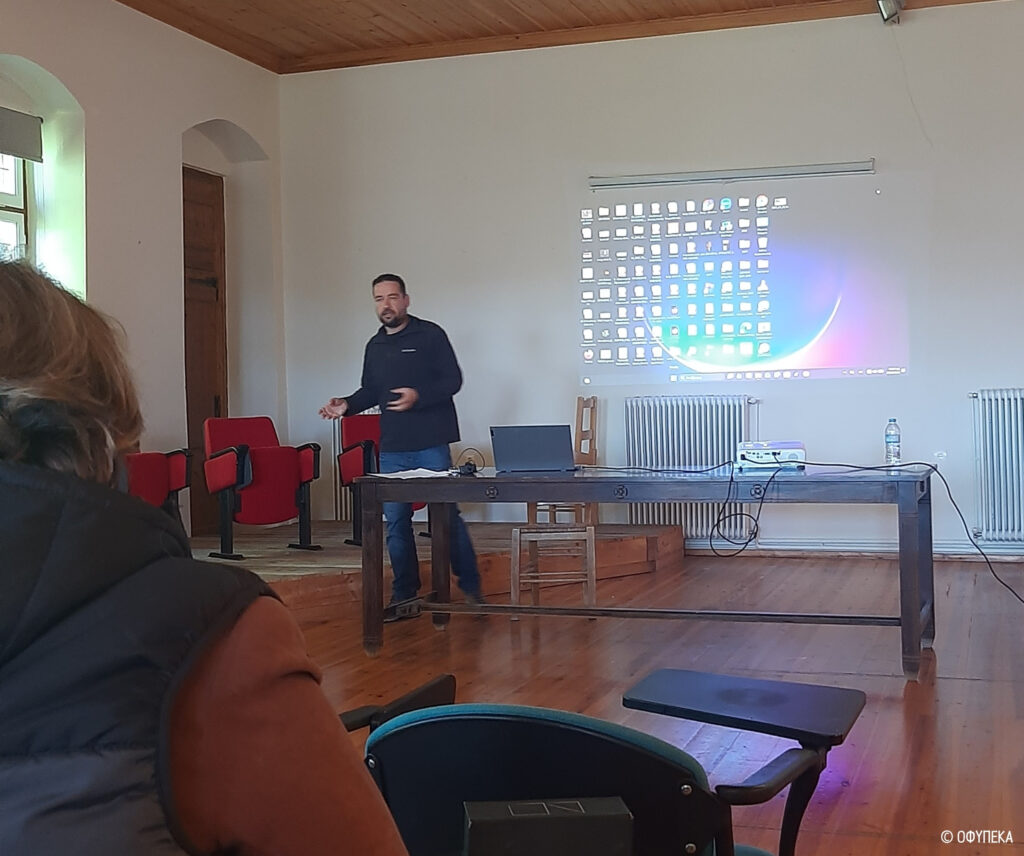
Environmental scientist Thanasis Korakis, also from NECCA, shared lessons learned during a recent technical visit to Bulgaria, where project partners observed the operation of supplementary feeding stations and acclimatisation aviaries used in Griffon Vulture conservation programmes. The experience offered practical insights that will help guide similar actions planned under the project.
Working with local communities to address threats
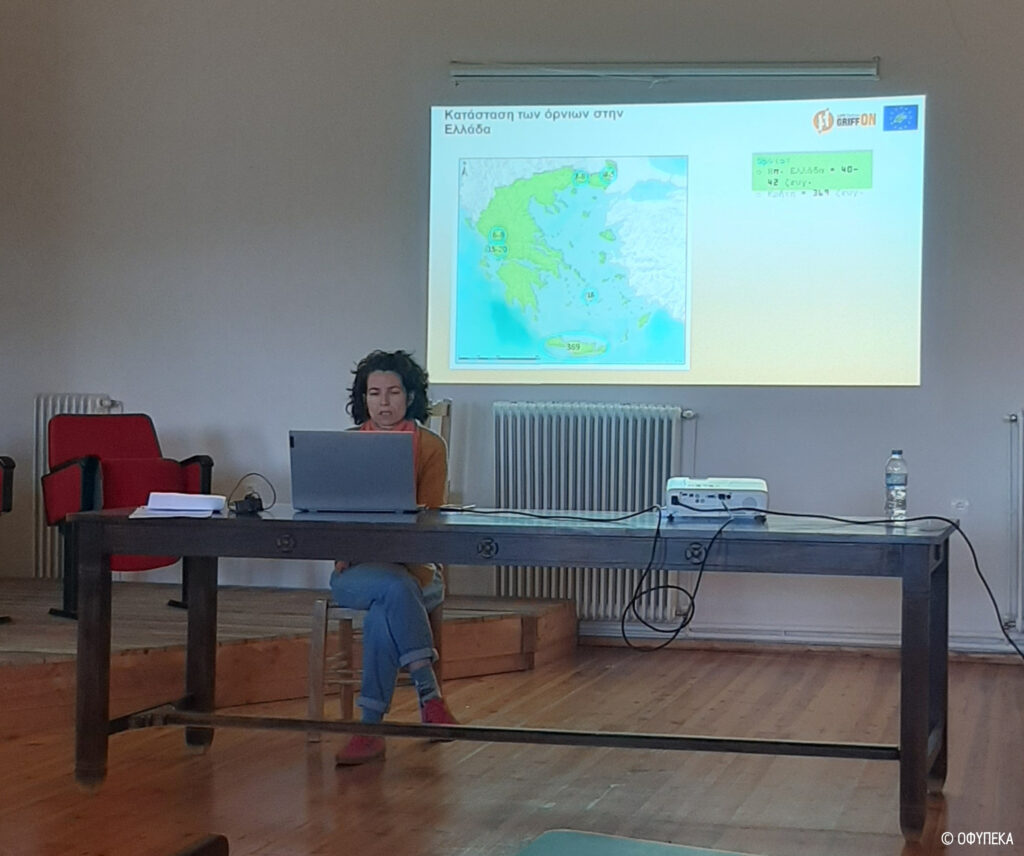
On behalf of the Hellenic Ornithological Society, project coordinator Victoria Saravia-Mullin presented the organisation’s planned activities, focusing on cooperation with rural communities and stakeholders whose involvement is essential for the long-term success of conservation efforts.
Particular attention was given to actions aimed at preventing the use of poisoned baits, which remain one of the most significant threats to vultures throughout the Balkans. Participants also discussed measures that support traditional pastoral practices, improve food availability for scavenging birds, and strengthen monitoring and scientific knowledge of local vulture populations.
Laying the foundations for long-term recovery
The meeting concluded with a discussion on strengthening coordination among stakeholders and ensuring effective implementation of project actions at the local level.
As the first stakeholder event of LIFE Balkan GriffON in Greece, the meeting established an important foundation for future cooperation in mainland Greece. Building strong local partnerships will be key to achieving the project’s long-term objective of restoring healthy, connected Griffon Vulture populations across the Balkan Peninsula.
About the LIFE Balkan GriffON project
LIFE Balkan GriffON (LIFE24-NAT-NL-LIFE Balkan GriffON/101215506) aims to support the full recovery of the Griffon Vulture population across the Balkan Peninsula and create sustainable capacities for vulture conservation throughout the region.
Running from 2026 to 2031, the project addresses the main threats affecting Griffon Vultures by reducing mortality from poisoning, improving food availability, strengthening wildlife rehabilitation capacity, and reinforcing vulnerable populations through carefully planned reintroduction actions. It also seeks to improve connectivity between colonies across the Balkans, helping restore a more resilient regional population.
The project will release approximately 90–110 Griffon Vultures in Greece and North Macedonia, establish new breeding nuclei in key areas, expand monitoring through GPS tracking, strengthen supplementary feeding networks, and support cooperation with livestock breeders, hunters, veterinary services, and public authorities.
Co-funded by the European Union’s LIFE Programme, LIFE Balkan GriffON is coordinated by the Vulture Conservation Foundation (VCF) and implemented in partnership with the Hellenic Ornithological Society (HOS), University of Crete (UoC) – Natural History Museum, Natural Environment & Climate Change Agency (NECCA), Macedonian Ecological Society (MES) e Fund for Wild Flora and Fauna (FWFF). Project activities are centred in Greece and North Macedonia, with wider conservation benefits expected across the Balkan region.