Another intensive year of vulture conservation has passed and, together with our many partners, we managed to achieve many important milestones. Collaboration is what truly makes our work possible and maximizes our impact. For this reason, we express our sincere gratitude to all of you: partners, colleagues and supporters. Thank you for standing with us this year. Your support shaped every success that follows, one project and one vulture at a time.
This year we continued working for the conservation of all five vulture species across Europe. We strengthened our role in tackling threats, especially electrocution, collision and poisoning, in Europe and beyond. We expanded research, produced respected technical opinions, influenced policies, and achieved historic reintroductions.
Let’s dive into what we achieved together with our partners during this year. To discover the challenges and successes of the projects we are leading, check their respective end of the year summary articles:
- WildLIFE Crime Academy
But the action did not end up here. In many other projects we have seen great milestones and impactful results being achieved:
Bearded Vulture LIFE: the historical return of Bearded Vultures to the Balkans
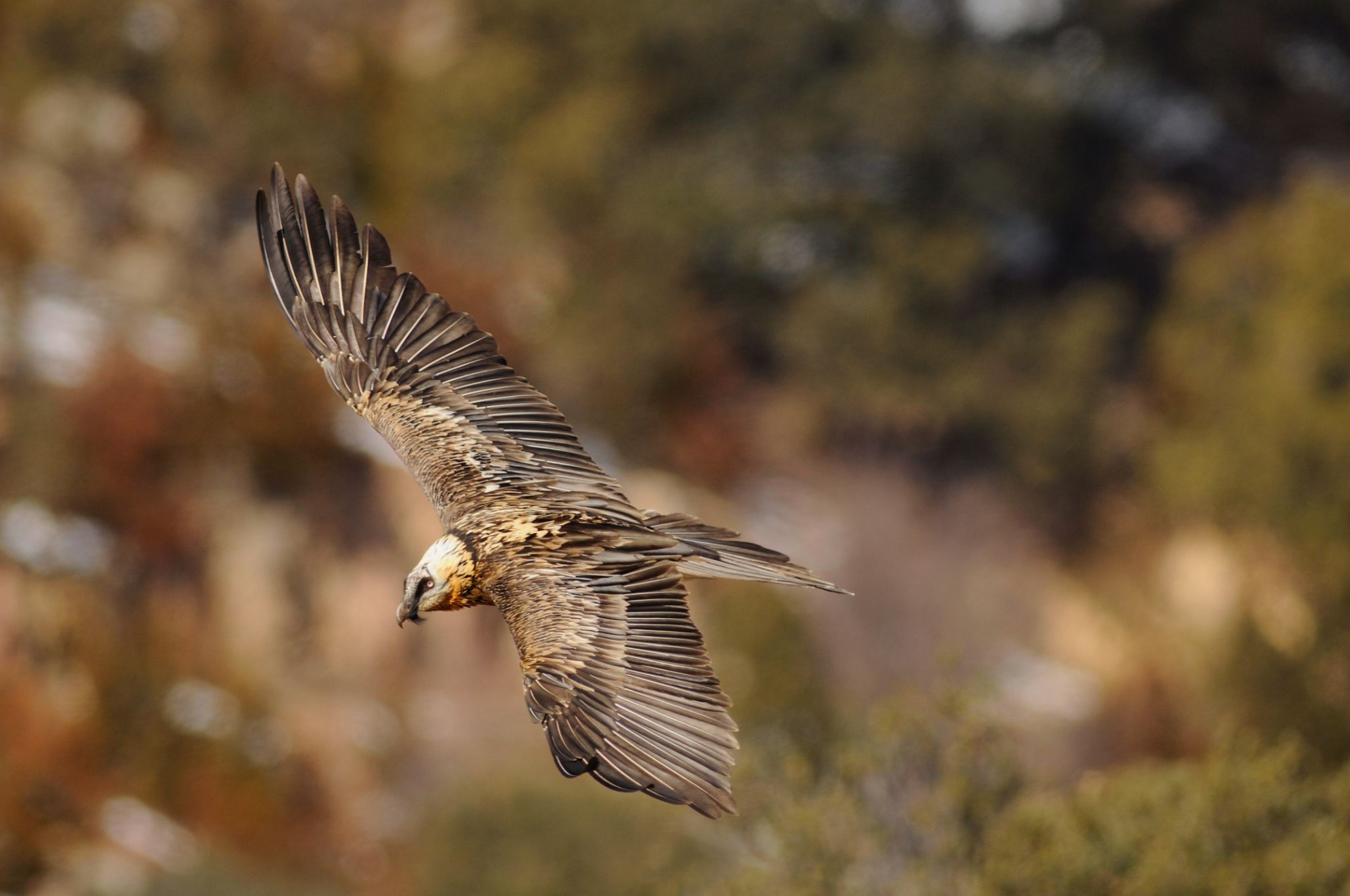
2025 proved to be a significant year for vultures in Bulgaria. Together with the Bearded Vulture LIFE project we achieved the historical reintroduction of Bearded Vultures there after half a century of absence.
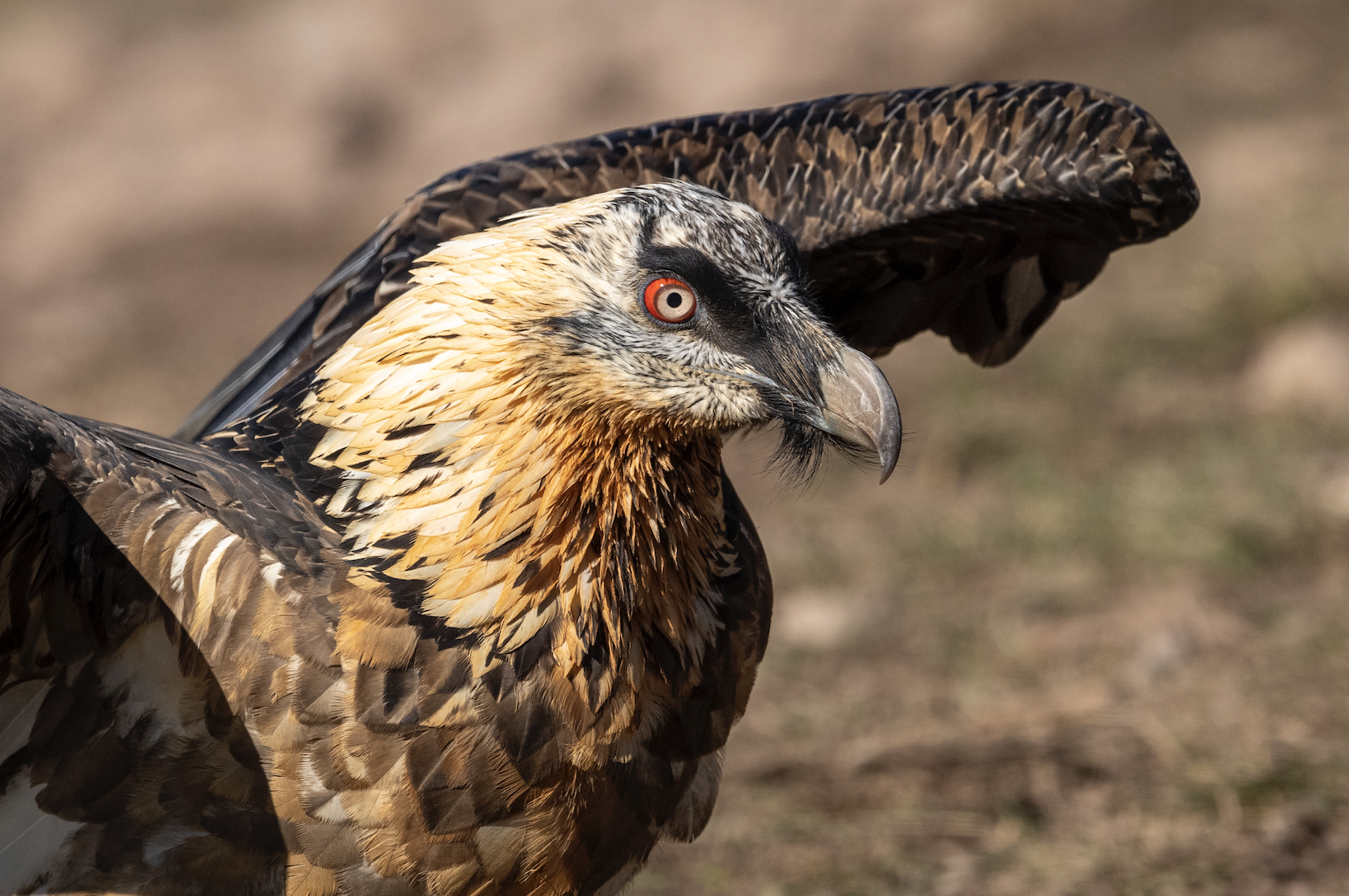
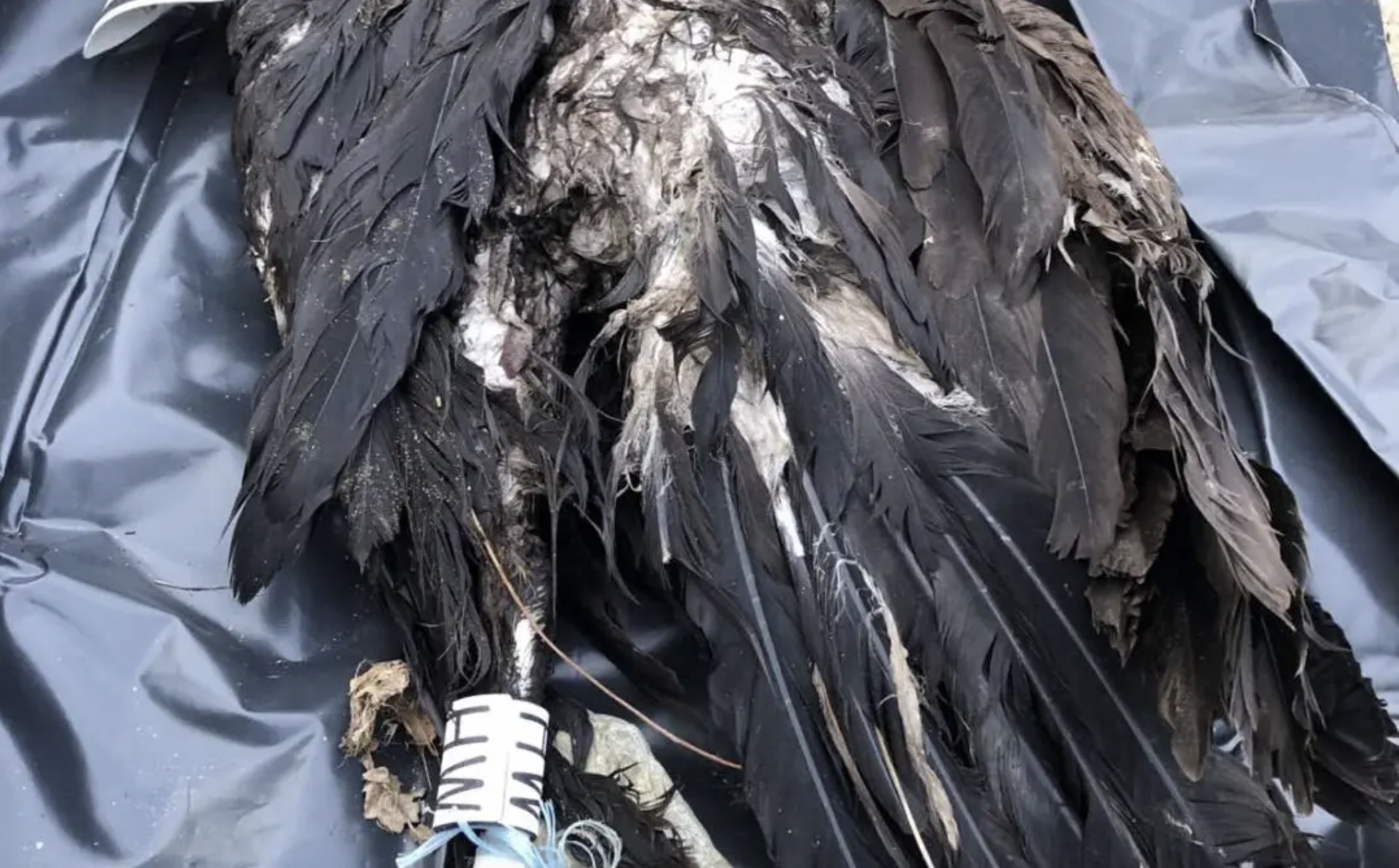
Thanks to the project efforts and the work of the VCF-led Bearded Vulture captive-breeding network, , three young Bearded Vultures were released in Sliven (Bulgaria) at the end of the spring, two of them originating from breeding pairs in Ostrava Zoo, and one from a pair housed at Green Balkans centre in the country Unfortunately, only one of them – Boev – is now flying over the Balkans, bearing on his wings the hopes and efforts of the entire conservation community. One had to be recaptured, and the other died due to a bacterial infection shortly after being released. Lastly, towards the end of the year, Bulgaria adopted its first National Action Plan for Bearded Vultures, setting the policy and institutional framework for this reintroduction and for the conservation work that follows. This historic milestone represents the culmination of decades of work, by all the partners from the Bearded Vulture LIFE project, its predecessor Vultures Back to LIFE, the national conservation organisations and the entire Bearded Vulture conservation community.
Still in Bulgaria, the Cinereous Vultures population celebrated an exceptionally successful reproductive season: 12 breeding pairs produced 6 fledging chicks. The project also released a further 17 Cinereous Vultures coming from wildlife rehabilitation centres in Extremadura, Spain. The presence of a healthy and growing breeding population of cinereous vultures, in 3 different colonies, only 7 years after the translocation and reintroduction of the first individuals, is a spectacular result.
LIFE Gyp’Act: the bridge between the Alps and the Pyrenees
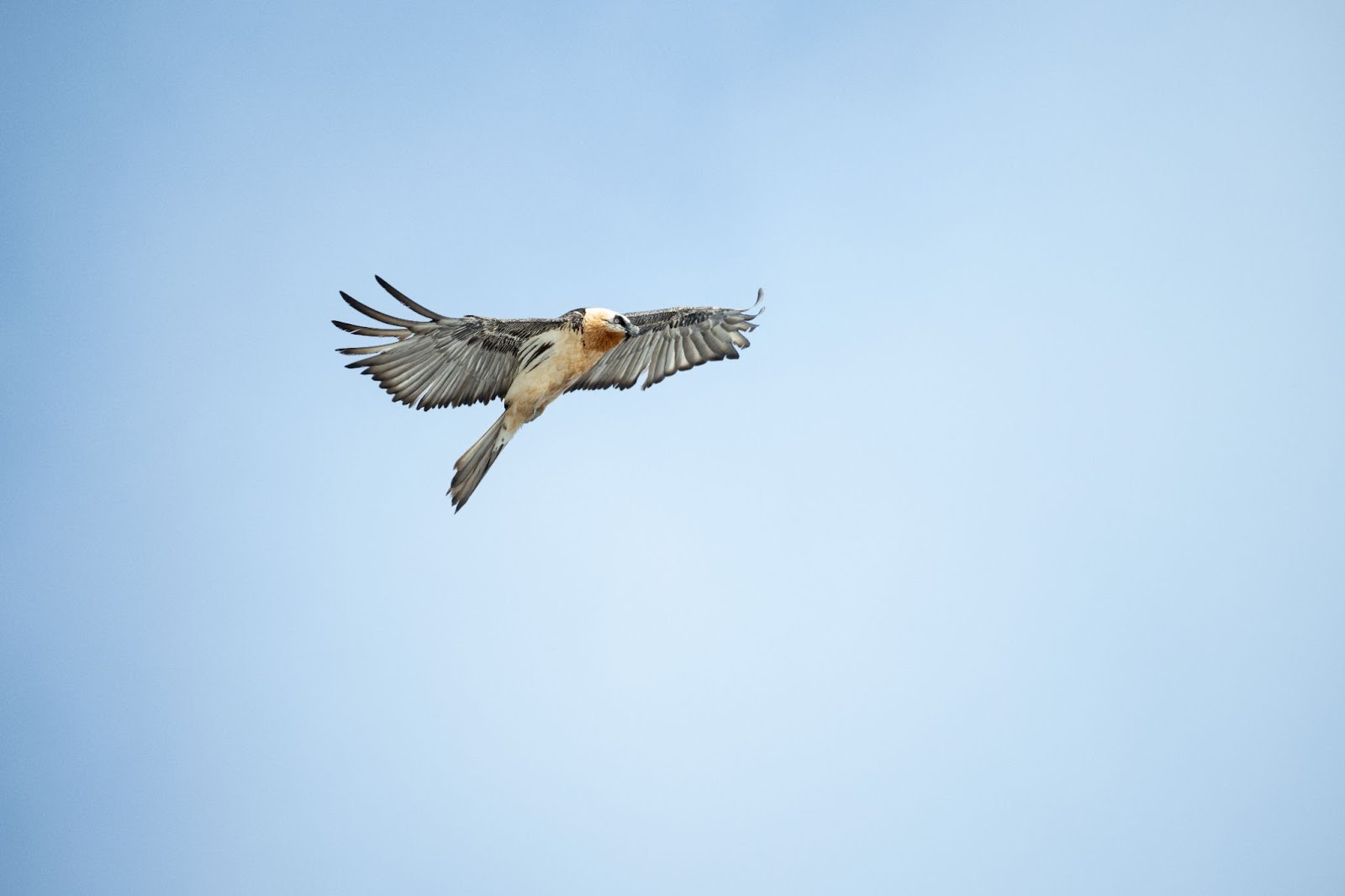
This year, the LIFE Gyp’Act project, aiming to consolidate the Bearded Vulture population in the French Pre-Alps and the Massif Central, welcomed five Bearded Vulture chicks from the EEP. Two of them were released in Parc Naturel Régional du Vercors (where, incidentally two wild pairs bred successfully) and three in Parc Naturel Régional des Grands Causses. The project incremented its efforts in tackling threats by joining the WildLIFE academy network and participating in its training courses. As a result, the project will soon establish France´s first official anti-poisoning dog unit, that will contribute to adequately investigate any future suspected poisoning incidents.
LIFE GYPRESCUE: the first wild-hatched chick in five years in Corsica
© Martin Van Boone
The isolated Bearded Vulture Corsican population, monitored and safeguarded by the LIFE GYPRESCUE team, welcomed the first ever wild-hatched Bearded Vulture that hatched to a pair of captive-origin birds in Corsica. Equally important and encouraging for the project, it is the first wild-hatched chick that successfully fledges in the last 5 years on the island.
This year, thanks to the nest cameras installed in selected nests, the project monitored four Bearded Vulture pairs in their breeding efforts. The data collected, together with other information, will help guide future conservation actions.
LIFE Rhodope Vulture: Cinereous Vultures establishing a foothold in the Eastern Rhodopes
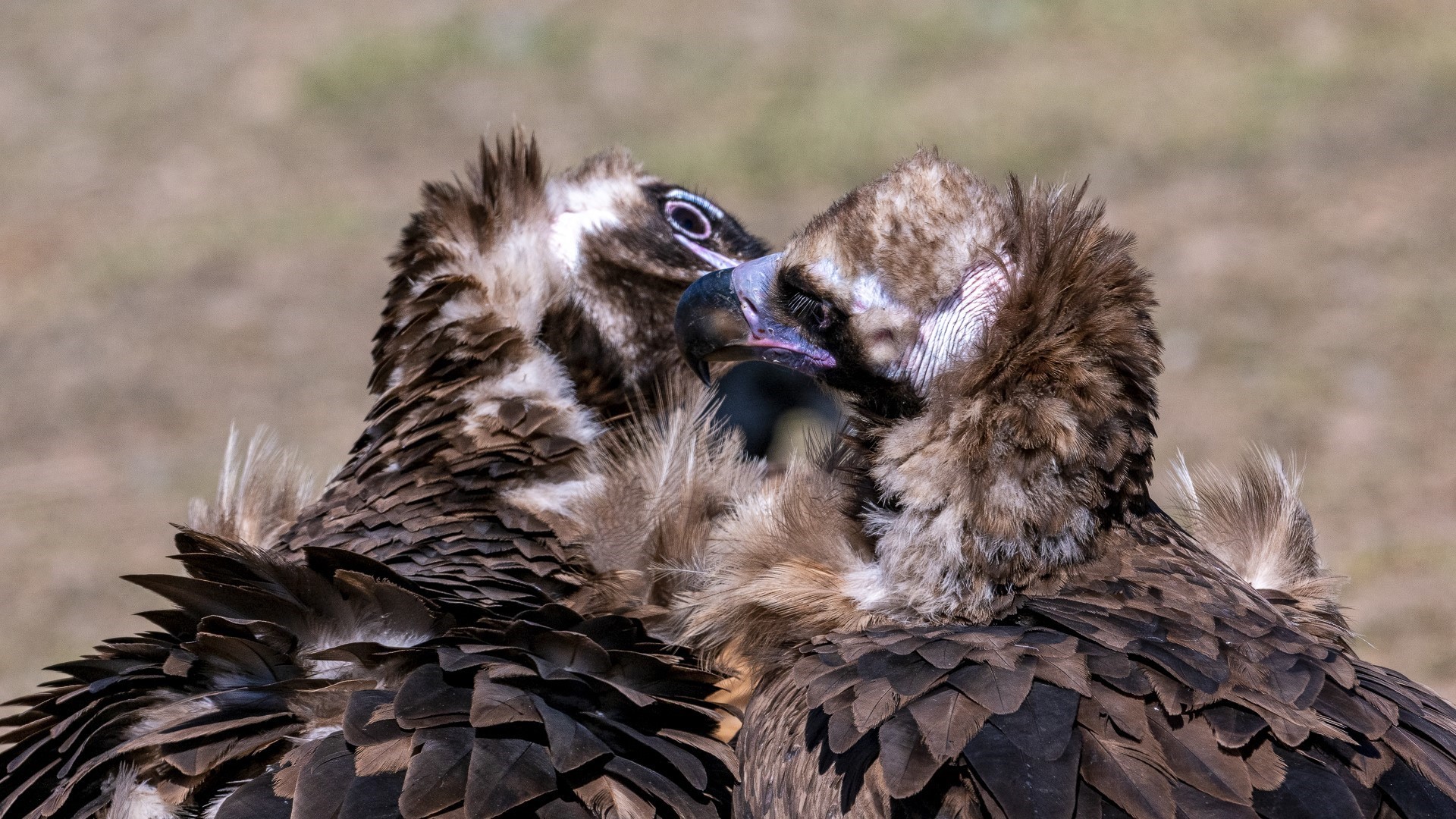
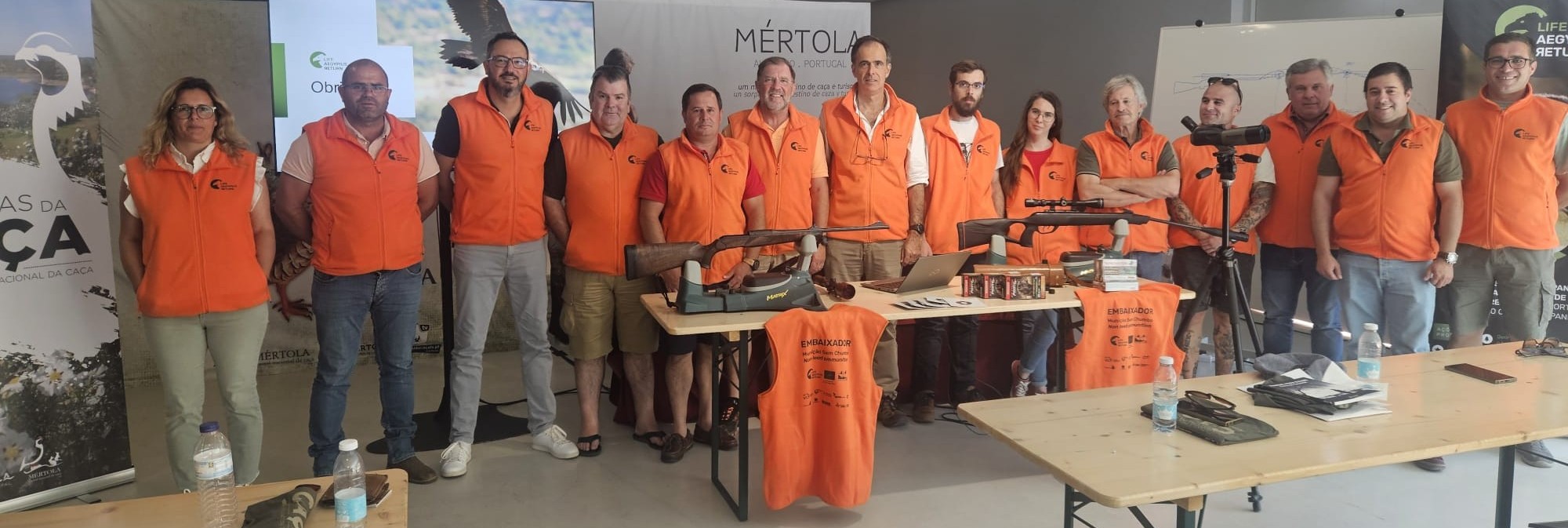
A LIFE Rhodope Vulture continued its work on reintroducing the Cinereous Vulture population in the Eastern Rhodope Mountains (between Bulgaria and Greece) and on tackling wildlife crime. It released 13 Spanish Cinereous Vultures in two groups: one in April and the second one in November. It also sent a few relevant stakeholders to the WildLIFE Crime Academy network, to participate in the training courses.
The breeding season in the Eastern Rhodope Mountains revealed three Cinereous Vultures pairs, each formed by at least one reintroduced individual, the first foothold of the species in this region of Bulgaria. One pair even laid an egg but had no success. This news, together with a record number of 41 reproductive pairs and 27 wild-hatched fledglings recorded in the Dadia National Park colony in Greece, shines a hopeful light on Cinereous Vultures future in the Eastern Rhodopes.
LIFE Safe for Vultures: a healthy and growing Griffon Vulture population in Sardinia, and a clear mission for the future

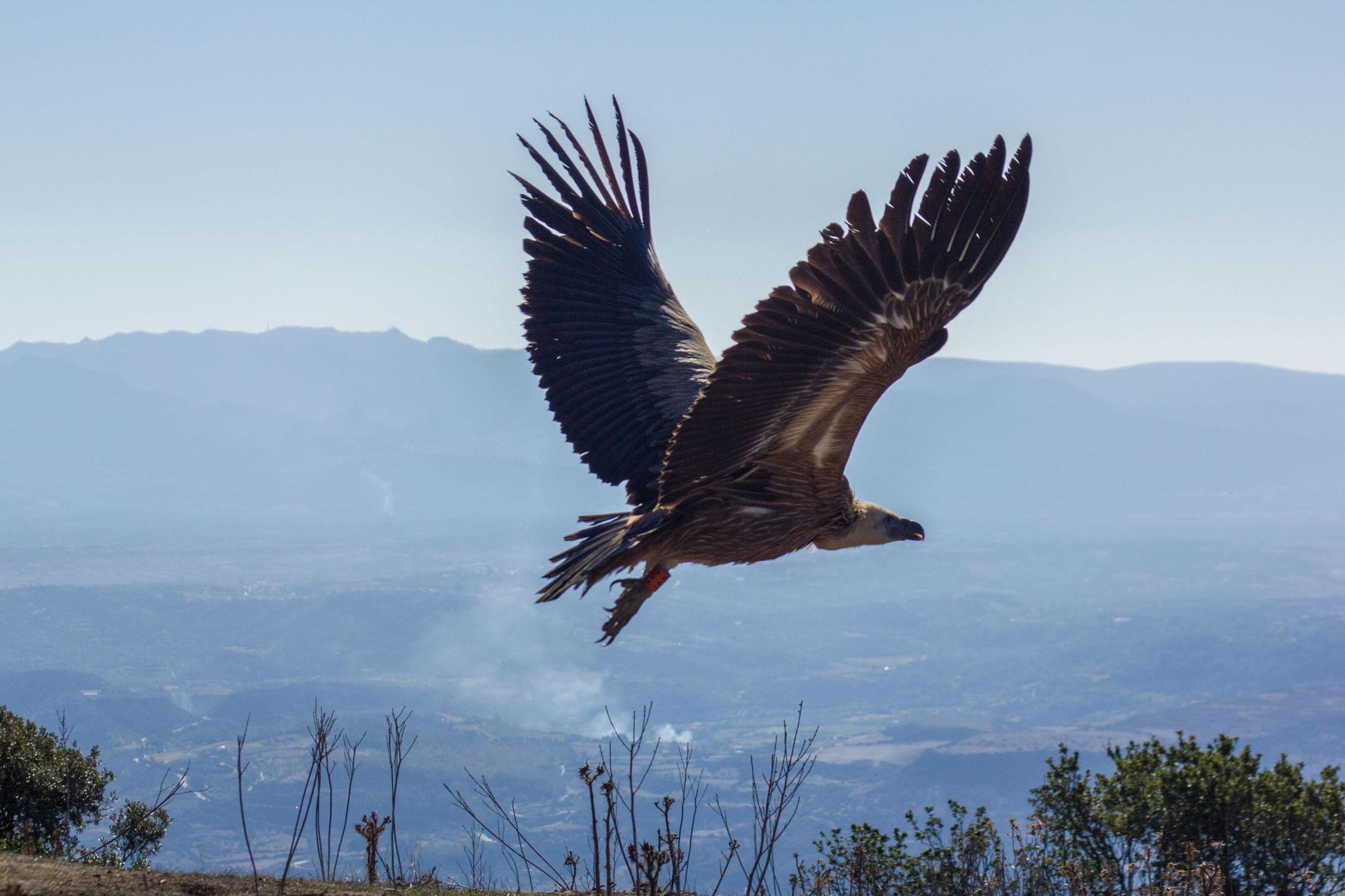
Griffon Vulture population in Sardinia saw an unprecedented growth and expansion in 2025. The latest census, performed by the LIFE Safe for Vultures project and its partners, confirmed the presence of over 500 individuals and 120 reproductive pairs on the island, which represents a 10% increase on last year´s figure. Moreover, the project monitoring activities confirmed the presence of an established group in south Sardinia, next to the most recent reintroduction site there, giving hope that soon or later a new colony will be established there, expanding considerably the species distribution on the island. Thanks to the collaboration with the Junta de Andalucìa and the Amus centre in Villafranca de los Barros (Spain), the project released 33 Spanish Griffon Vultures in Southern Sardinia, within the framework of their restocking programme.
Lastly, in May, the feasibility study for the reintroduction of Bearded and Cinereous vultures in Sardinia was approved. This important milestone is a significant recognition of the efforts done by the LIFE Safe for Vultures project and its predecessors to make Sardinia a safe place for vultures through awareness, threat mitigation and food availability and safety measures.
LIFE SUPport: an historical Management Plan

Griffon Vultures are a crucial element of the islands of Cres and KrK ecosystems and economy. This is what emerges from the study of the ecosystem services provided by Griffon Vultures in Croatia produced by the LIFE SUPport project with VCF contribution.
Furthermore, the project’s constant and meticulous work in collaboration with the Croatian government, led to the formal adoption of a 10-year Management Plan to safeguard Griffon Vultures in Croatia.
LIFE with Vultures: a sparkle of hope
A LIFE with Vultures project, vital for the conservation of Griffon Vultures in Cyprus, came to an end in July. The invaluable work done by the project in mitigating threats and restocking the small and endangered island population of Griffon Vultures with individuals coming from wildlife rehabilitation centres from Spain, prevented the extinction of the species on the island. Nevertheless, Griffon Vultures are not out of danger. On a more positive note, the project created an anti-poison dog unit to mitigate criminal poisoning events and prevent casualties among vultures, that has been actively operating across the island and identifying many suspected cases of poisoning, that are then properly investigated and acted upon by the authorities.
To a new year of vulture conservation
These milestones, challenges and successes of 2025 traced the story – our collective story – of vulture conservation in Europe. One project and one vulture at the time we are contributing to the comeback and the conservation of vulture species across the continent. However, our work is far from over. Our vision of thriving European vulture populations is the light that guides our steps, while our passion and admiration for these incredible scavengers warm our hearts even in the most challenging moments. Thank you for walking with us this year, through hardships and triumphs.