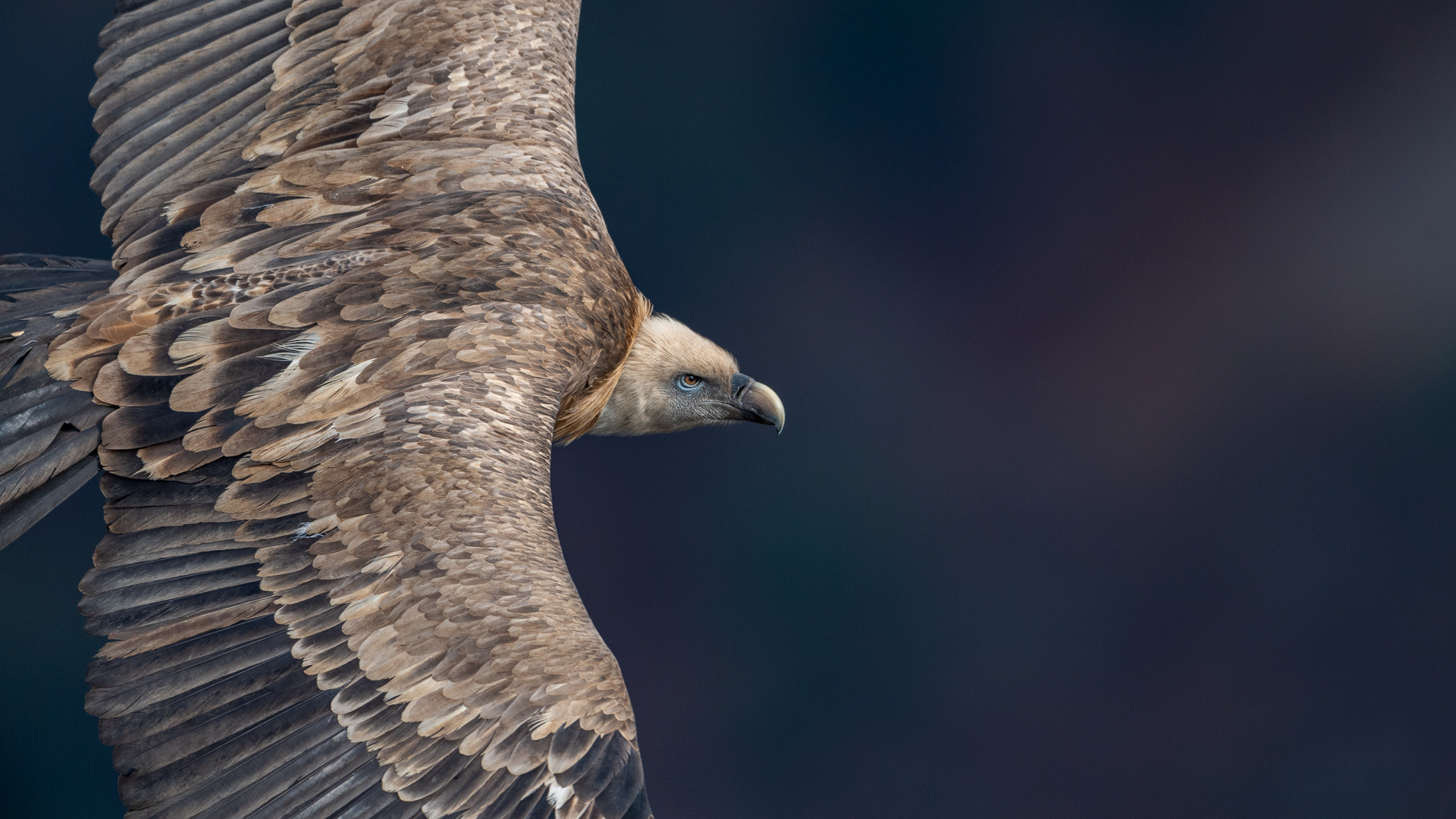
Less than a day after being released back into the wild in Cyprus, a Griffon Vulture was found dead, killed by electrocution on a power line. His death, so soon after a successful rescue and rehabilitation that have united people across the island, is a stark reminder of both the progress made and the challenges that remain in protecting Cyprus’s wildlife.
A rescue across borders
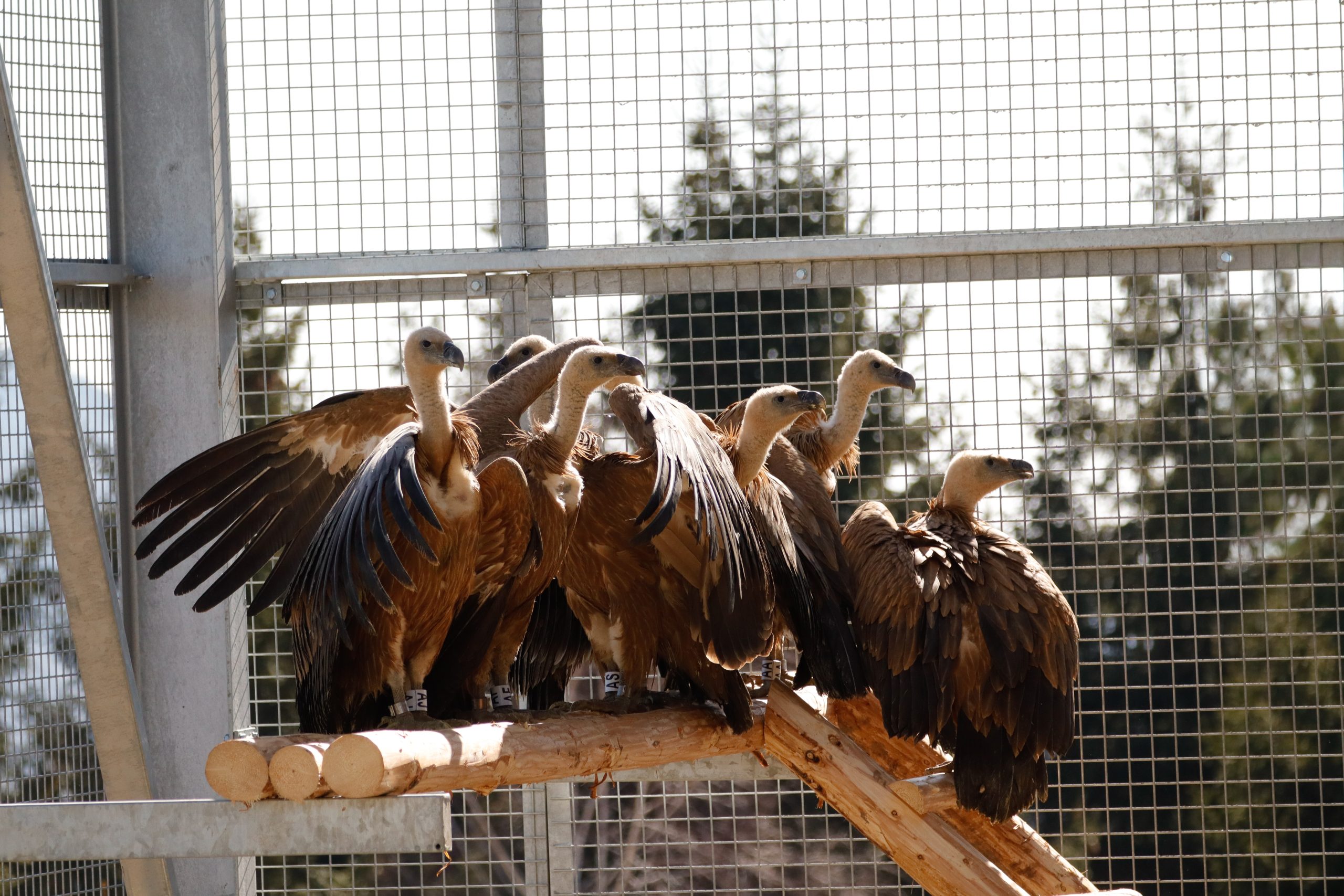
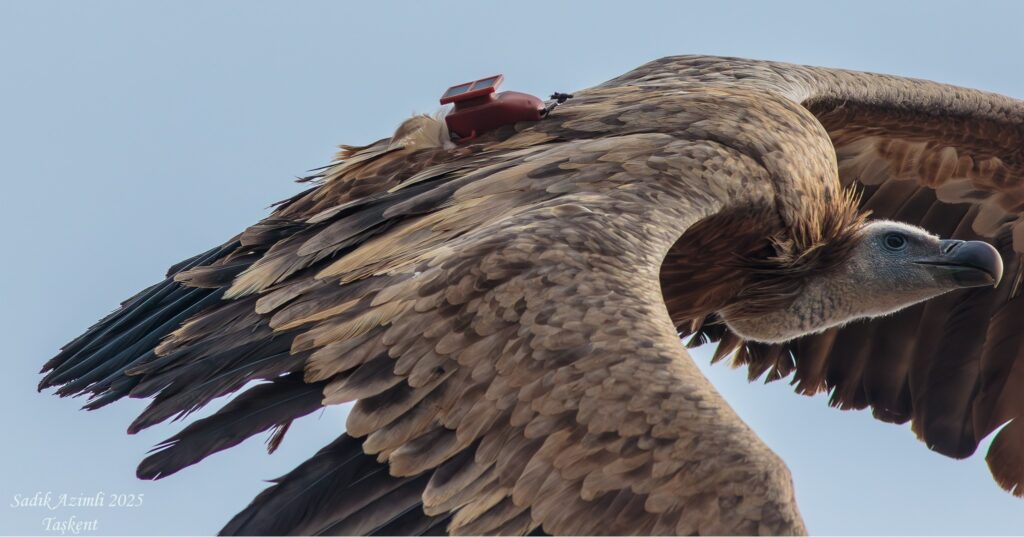
This vulture was part of a restocking effort under the EU-funded LIFE with Vultures project, which ended last summer. Brought in from Spain, it was first released north of Limassol in July 2024, joining a population that is critically small and struggling to recover. For over a year, the bird adapted well, flying across landscapes, avoiding threats, and settling into its new home.
But then, in October 2025, its GPS transmitter sent out a worrying signal, with no movement for hours near Varosha.
That triggered a rapid response across the divide. After BirdLife Cyprus raised the alarm, colleagues at the Cyprus Wildlife Research Institute rescued the bird. It was in bad shape, weak, severely dehydrated and clearly in distress.
What followed was a six-week rehabilitation mission at the CWRI’s excellent facilities at Taskent: intensive veterinary care, rehydration, monitoring, and full screening for toxins, pathogens and lead poisoning. Slowly, the vulture regained its strength.
Collaboration and capacity
Today, all of Cyprus’s Griffon Vultures are found in the mountainous regions of Pafos and Limassol. But as the population starts to grow again, experts hope to see the birds venture further, perhaps even returning to areas like the Pentadaktylos mountains, where they once nested and thrived.
That natural expansion makes one thing very clear: protecting this species needs to be an island-wide effort. From poisoning to electrocution, the threats are many, and the birds don’t recognise borders. Fast, coordinated responses like this one, no matter where a vulture is found, are essential. These responses will get even stronger after training with the WildLIFE Crime Academy, a project in which the Cyprus Wildlife Research Institute is a partner to build the capacities of law enforcement and forensic science professionals.
In the end, the bird’s recovery and the collaboration invested in it’s care, including on the planning of the release, became a symbol of what’s possible when conservation groups work together, even in a divided landscape.
A hopeful release with a tragic end
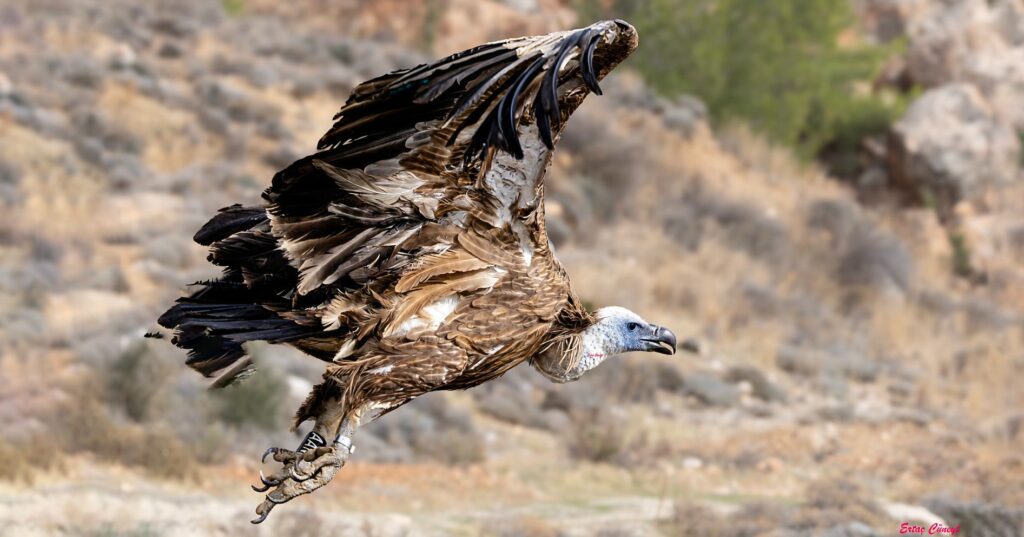
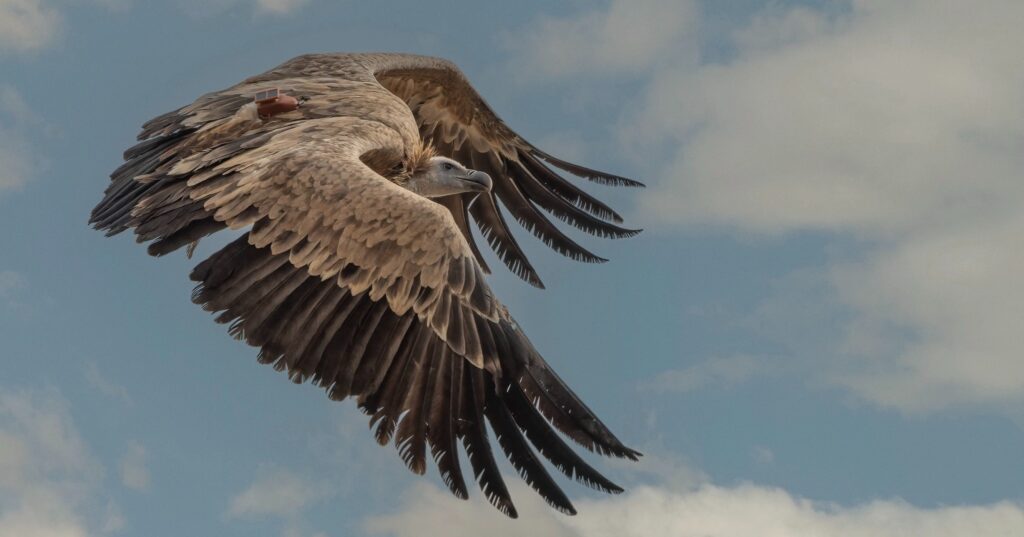
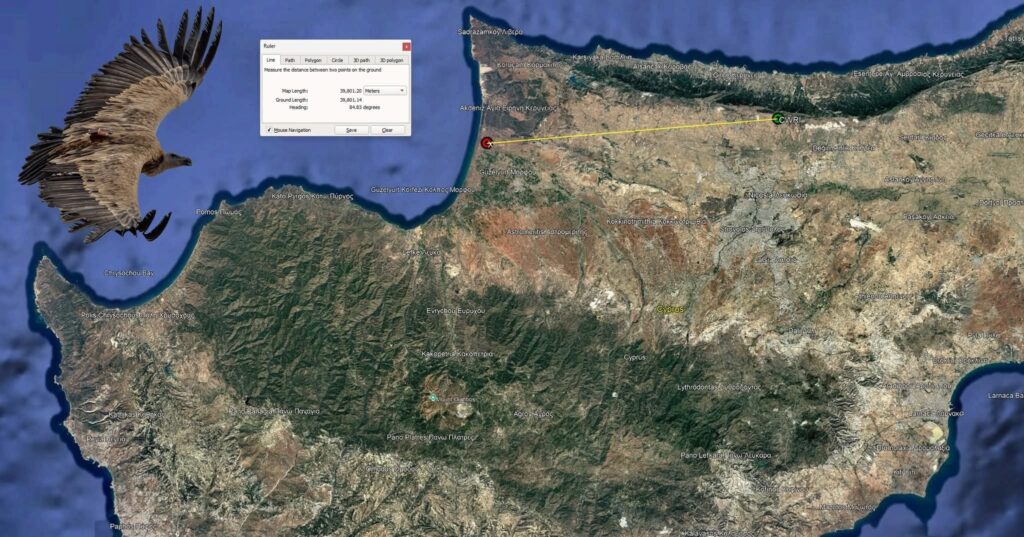
On 4 December 2025, after weeks of recovery, the vulture took off again, after being released from the Taskent facilities. It was strong, flying confidently, covering nearly 40 kilometres in just a few hours. It looked like it was heading back to its flock.
But not even a full day later, disaster struck. Instead of finding a safe place to roost, like a cliff or tall tree, it landed on an 11,000-volt medium-voltage power pole. Just a moment of contact between two wires was enough to kill it instantly.
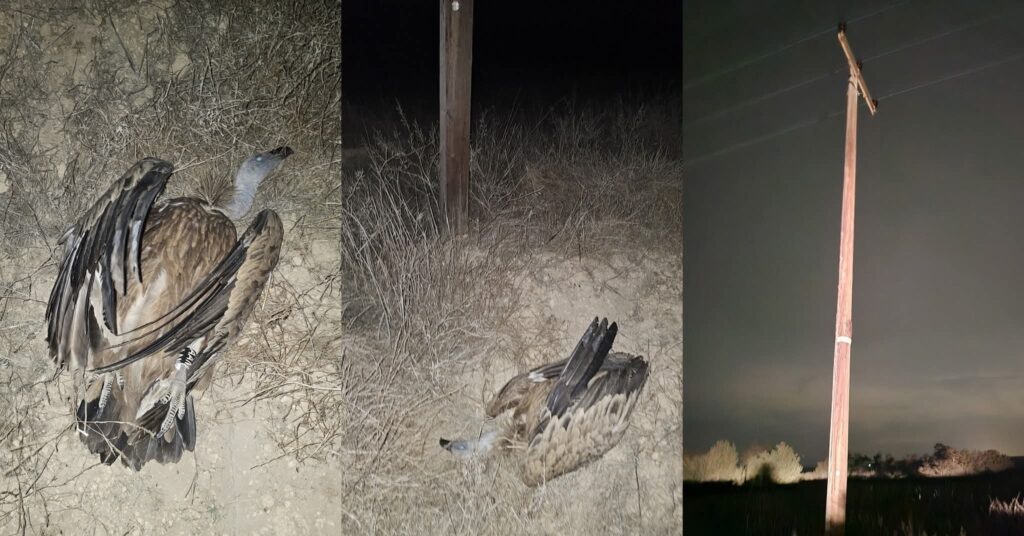
Electrocution is one of the deadliest threats facing vultures in Cyprus, north and south, and it’s a completely preventable, human-made danger. So far, at least 6 Griffon Vultures have already died from electrocution, most in the Limassol area. This is the first such occurrence across the north, but it shows that dangerous pylons need to be insulated everywhere, and future electricity grid projects should be planned in collaboration with conservationists, ensuring that biodiversity is taken into account from the start.
Lessons from a loss
Everyone who was involved in this bird’s rescue feels a mix of emotions: grief, because a second chance ended so suddenly… and pride. After all, every step taken to save the bird was done right, ethically, professionally and with deep care.
It’s easy, in hindsight, to wonder if a different choice could have changed the outcome. But the truth is, what happened doesn’t make the effort less valuable; it makes it more urgent. If we want to see vultures soaring across Cyprus again, without the constant risk of poisoning or electrocution, we must do more.
The Griffon Vulture is one of the last scavenger species left on the island. It plays a critical role in keeping ecosystems healthy, recycling nutrients and cleaning up carrion. Saving it isn’t just a conservation duty, it’s a moral one.
We extend our sincere thanks to all involved, from the monitoring team at BirdLife Cyprus and the Game and Fauna Service to the rehabilitation centre staff of the Cyprus Wildlife Research Institute, for their professionalism, swift response and commitment to protecting Cyprus’s natural heritage.
Photographs: Ertaç Cüneyt, Tanfer Aktunç and Sadık Azimli and Taşkent Doğa Parkı