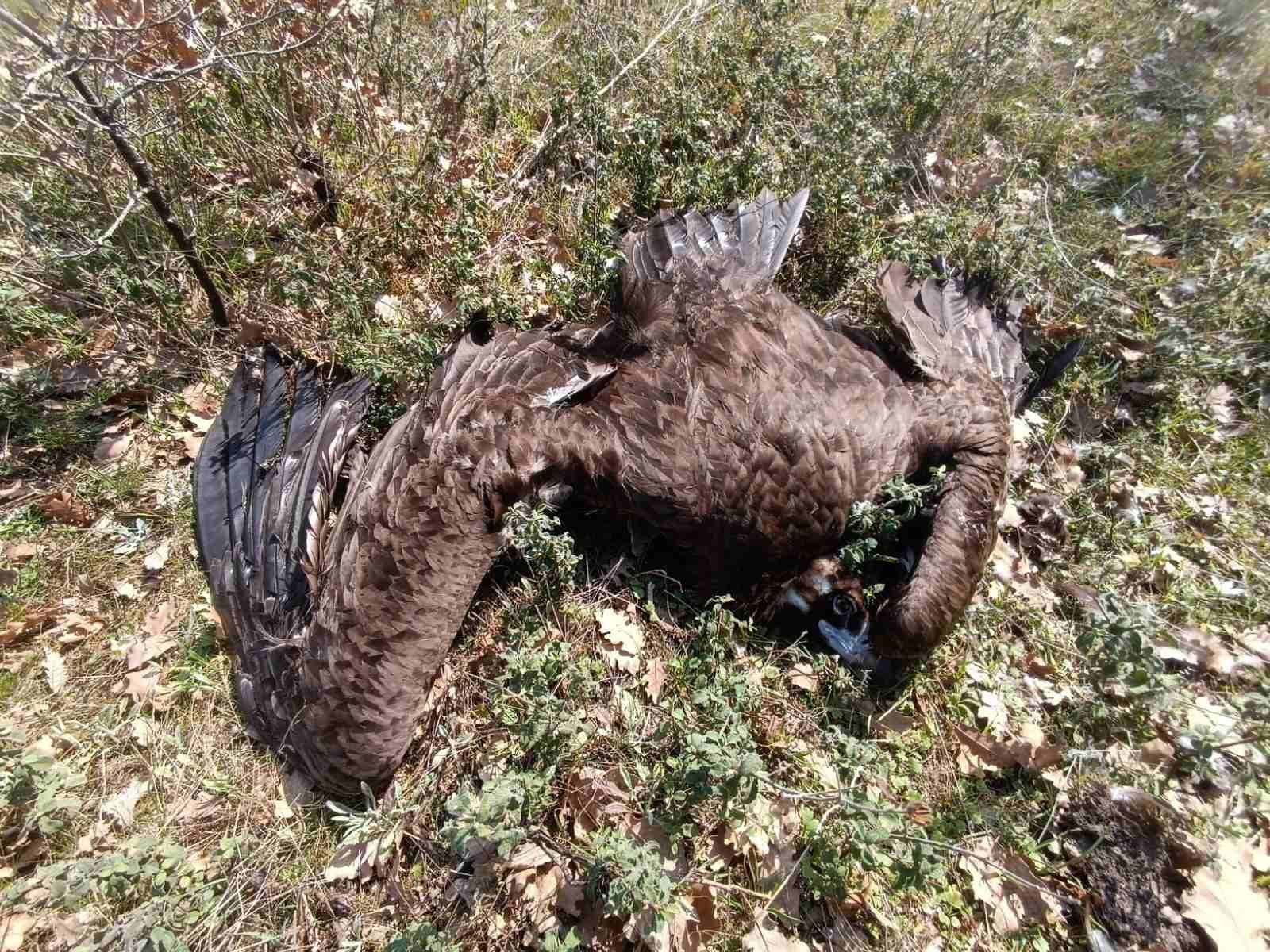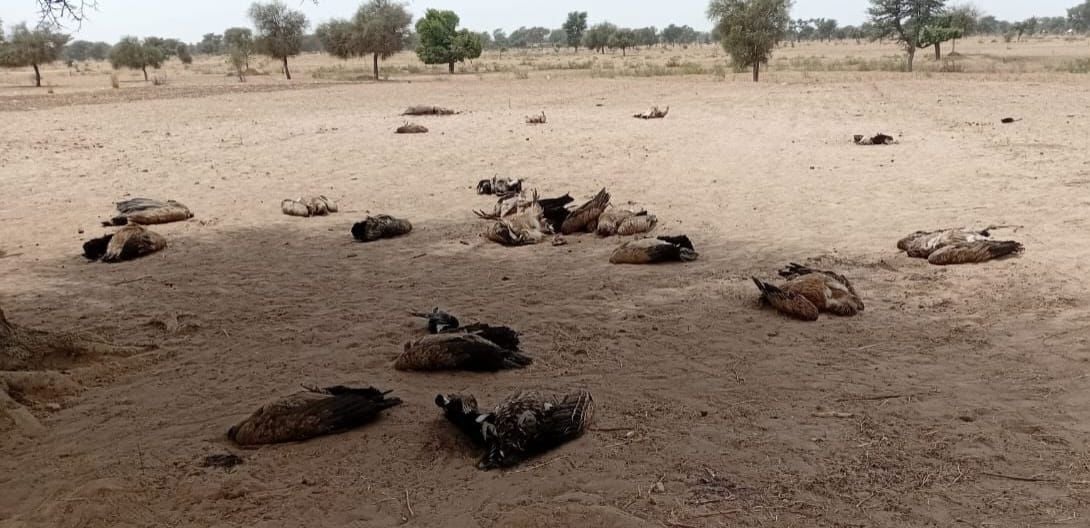
As 2025 draws to a close, so does the penultimate chapter of the BalkanDetox LIFE project—a five-year regional effort aimed at tackling one of the most harmful threats to wildlife in the Balkans: illegal poisoning.
Working across seven countries, the project has brought governments, enforcement agencies, environmental groups and local communities together to build safer environments for wildlife. And this past year has been one of the most impactful ones yet.
Turning policy into protection
One of the standout achievements in 2025 came from Albania, where the government took a big leap forward in wildlife protection. The Ministry of Tourism and Environment officially approved a long-term national “Action Plan for the Protection from Poisoning of the Endangered and Endemic Species of Wild Fauna in Albania, 2025-2035”. This plan, which runs until 2035, comes with detailed procedures on how poisoning cases should be handled, who is responsible for what, and how evidence is collected and processed.
Croatia is finalising its work on the National action plan against wildlife crime, and the plan still needs to undergo the usual adoption process.
Over in Bosnia and Herzegovina, the groundwork was laid for future action. Officials finalised a set of national guidelines to help shape a strategy against wildlife poisoning.
Building skills on the ground
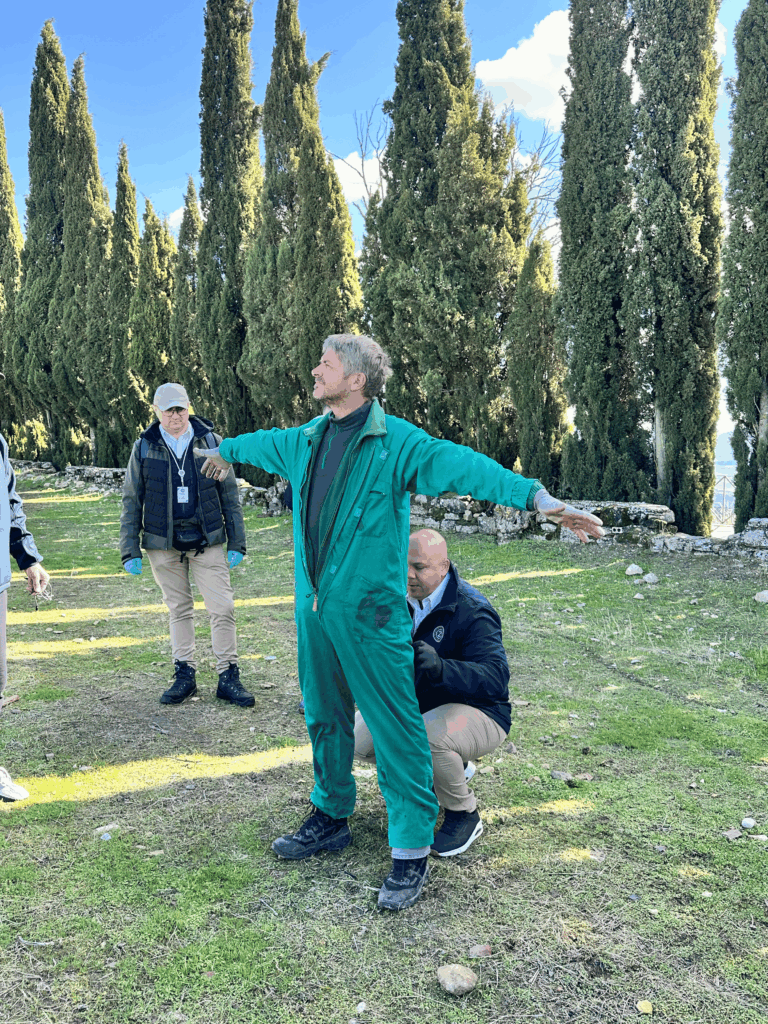
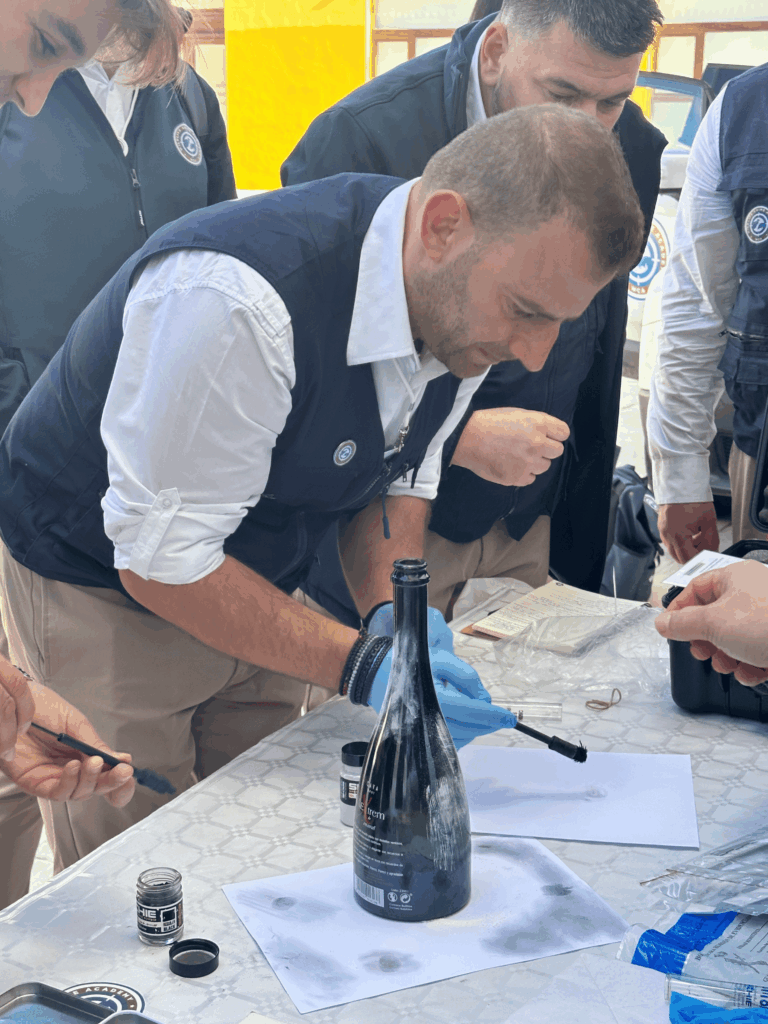
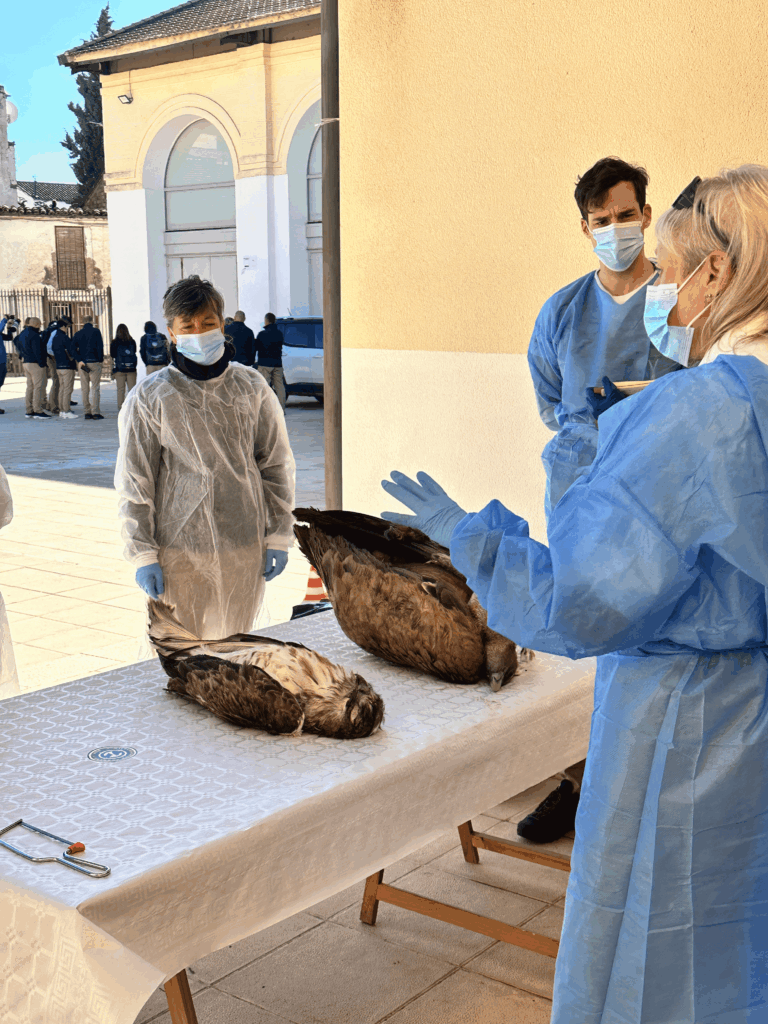
The project also focused on training key authorities and other relevant stakeholders on how to respond to poisoning incidents and other wildlife crimes.
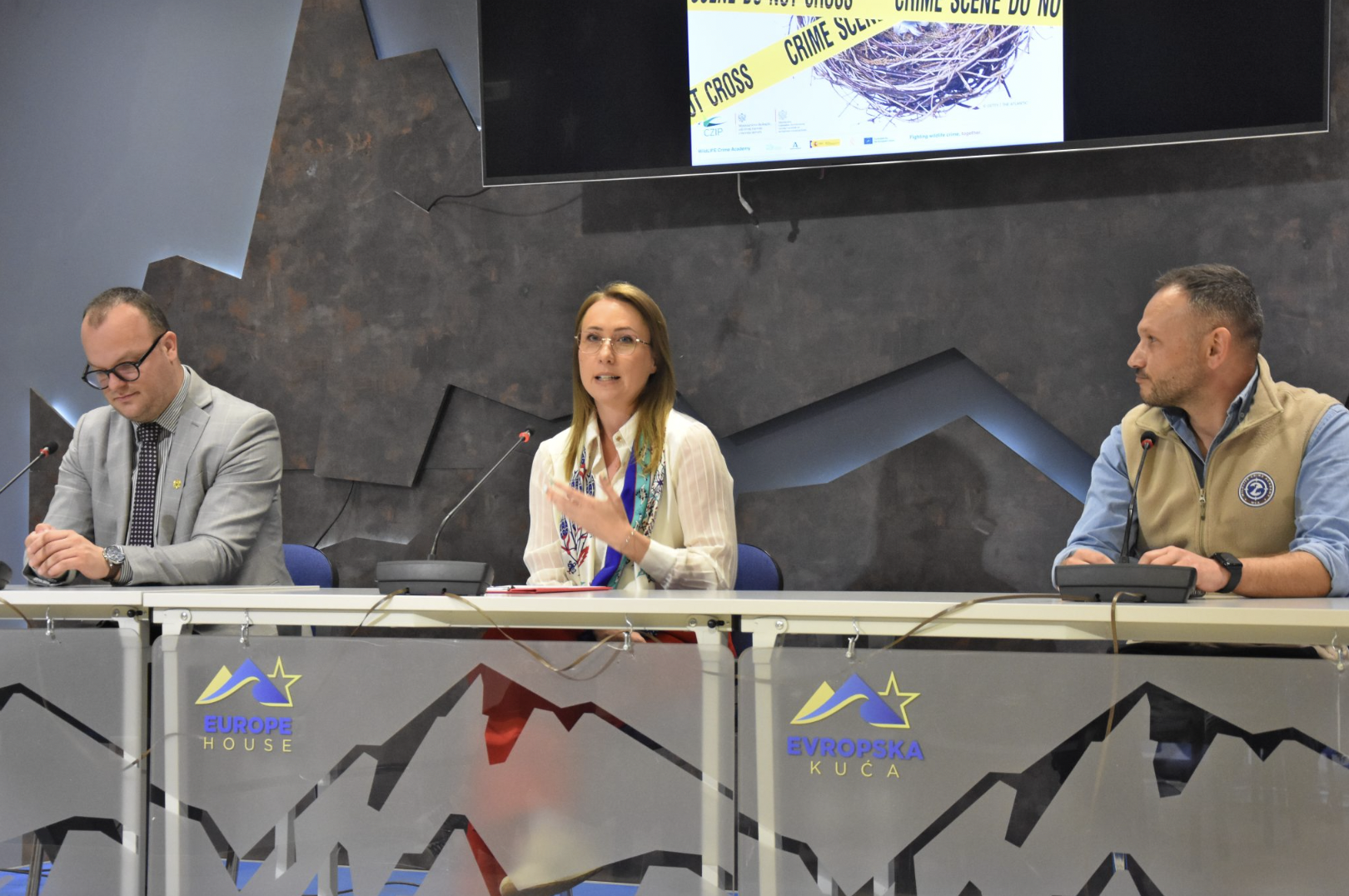
Three professionals from Serbia joined the Wildlife Crime Academy Level 1 e Level 2 courses with the BalkanDetox LIFE project in 2025, becoming advanced wildlife crime investigators.
In 2025, national training courses were held in Albania (1) and Serbia (5), helping frontline staff like environmental inspectors, veterinarians and police to build the skills they need to detect, investigate and properly manage wildlife poisoning cases. These trainings were done in partnership with national initiatives already working in the field.
Coming together, sharing lessons learned
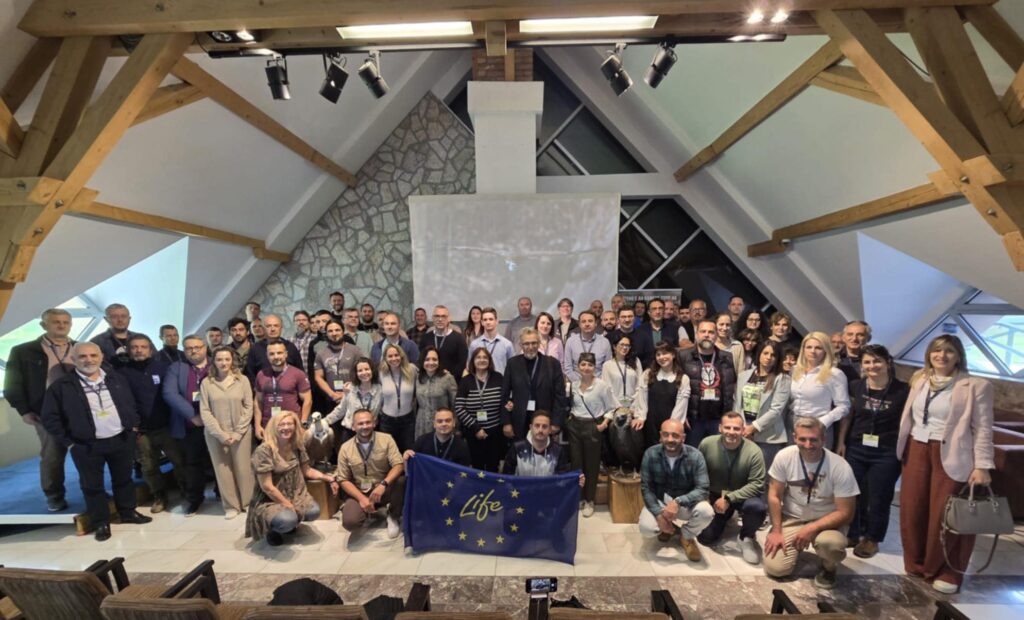
A major highlight of the year was the BalkanDetox LIFE Closing Conference, held in May in Sjenica, Serbia. The event brought together around 85 participants—from government agencies and NGOs to law enforcement and legal professionals. It was both a celebration of what had been achieved and a chance to share experiences, align goals and keep collaboration alive beyond the life of the project.
2026: Wrapping up and looking ahead
While 2025 marked the last full year of implementation, the project isn’t finished yet. In 2026, attention will shift toward pulling together everything that has been learned and achieved. Several key reports will be released, including a second edition of the Study on Wildlife Poisoning in the Balkan Peninsula, offering the most up-to-date look at poisoning trends and hotspots across the region.
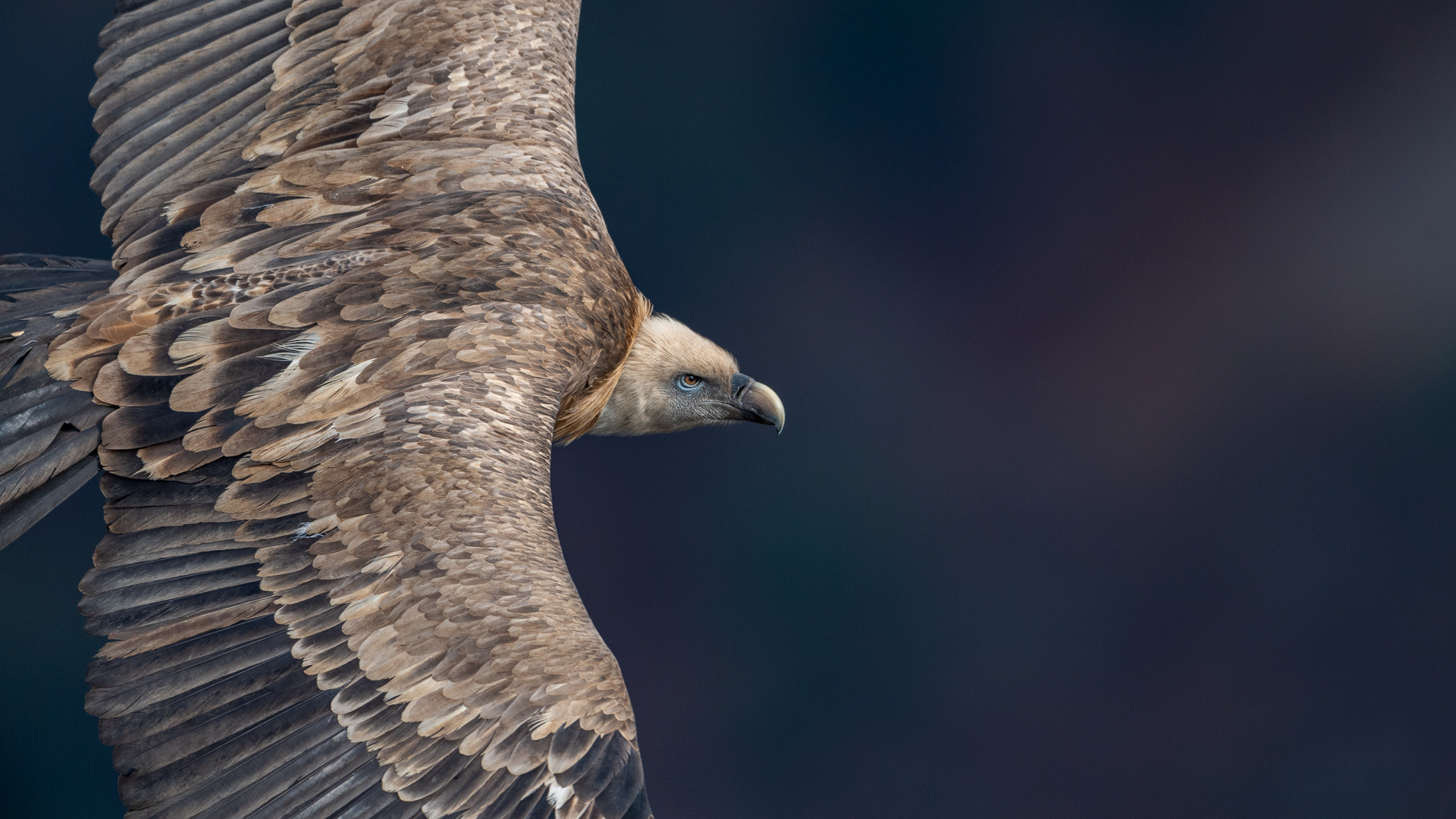
Another report will evaluate how national institutions performed in addressing wildlife poisoning, using a scoreboard to assess improvements in cooperation and enforcement. A third will share insights from five years of tracking GPS-tagged Griffon Vultures, which play a vital role in understanding where and why poisoning risks are highest.
There will also be a final summary of the project’s legal training workshops for judges and prosecutors. And to make all of this accessible, a Layman’s Report will offer a reader-friendly overview of the project’s achievements. An audit report and final monitoring visit will wrap up the administrative side of things, bringing BalkanDetox LIFE to an official close.
What 2025 made clear is that the work done through BalkanDetox LIFE is not just about ticking boxes. It’s about laying the foundations for long-term change—through policies that outlive the project, institutions that are better prepared, and a region that is more connected in the fight to protect its wildlife. Not to mention that two projects came to fruition thanks to the groundwork laid by BalkanDetox LIFE: the WildLIFE Crime Academy and the upcoming LIFE Balkan GriffON project.
The BalkanDetox LIFE project

The ‘BalkanDetox LIFE‘ project aims to strengthen national capacities to fight wildlife poisoning and raise awareness about the problem across Albania, Bosnia & Herzegovina, Bulgaria, Croatia, Greece, the Republic of North Macedonia and Serbia. It is a five-year endeavour with a €1.8 million budget that received funding from the EU’s Programa LIFE and co-funding by the Vulture Conservation Foundation, the MAVA Foundation and Euronatur. Project partners are the Vulture Conservation Foundation as the coordinating beneficiary, and the Albanian Ornithological Society, Association BIOM, Bird Protection and Study Society of Serbia, Fund for Wild Flora and Fauna, Hellenic Ornithological Society, Macedonian Ecological Society, Ornitološko društvo NAŠE Ptice and the Protection and Preservation of Natural Environment in Albania as associated beneficiaries. Furthermore, this project is based on Spanish best practice experience and counts on the support from the Junta de Andalucía and the Spanish Ministry for the Ecological Transition and the Demographic Challenge.