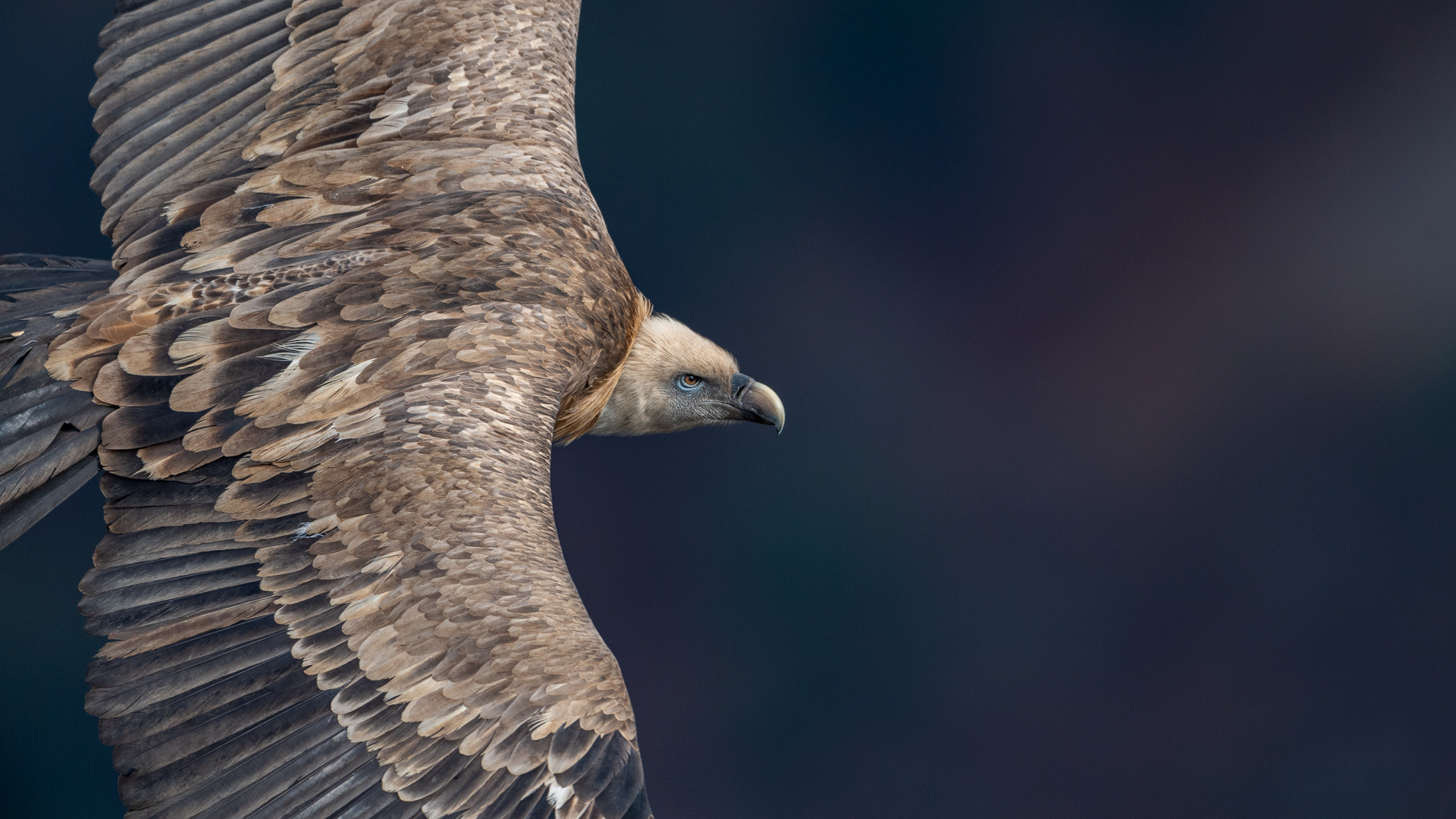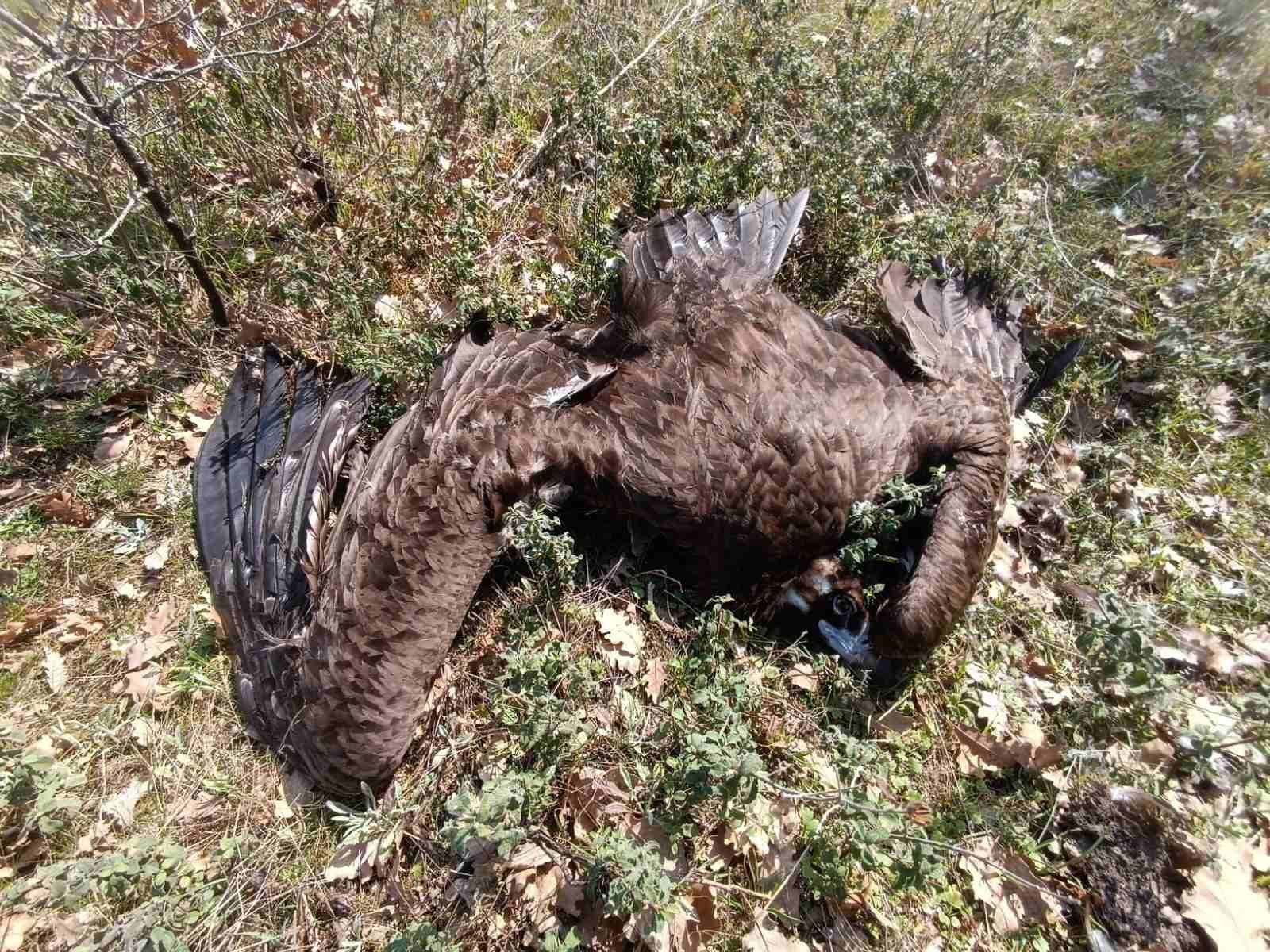
An adult Bearded Vulture (Gypaetus barbatus) known as “Centenario” has been recently found dead after being poisoned in the Picos de Europa mountains, in northern Spain. This incident represents a serious environmental crime and a major setback for the recovery of the species in the Cantabrian Mountains.
The carcass of Centenario was discovered on the afternoon of 18 January by technicians from the Fundación para la Conservación del Quebrantahuesos (FCQ), at the border between the municipalities of Peñarrubia and Cillorigo de Liébana in Cantabria.
Discovery and confirmation of poisoning
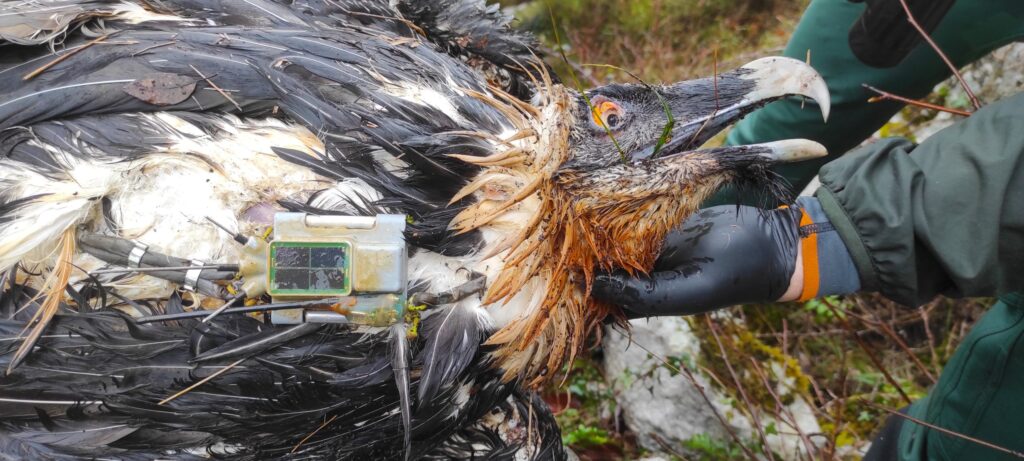
Centenario was carrying a satellite transmitter, whose data had shown abnormal and stationary locations indicating a possible problem. This prompted the immediate deployment of the FCQ field teams to the area, where the bird was found dead.
Following the discovery, the protocol for suspected non-natural mortality was activated and the competent authorities were informed. Environmental agents of the Government of Cantabria documented the case and collected biological samples, which were transferred to the Cantabria Wildlife Recovery Centre. A necropsy carried out by the centre’s veterinary team confirmed poisoning as the cause of death.
To further investigate the case, further toxicological analysis are being done at the Institute for Game and Wildlife Research (IREC), part of the Spanish National Research Council (CSIC). These analyses will aim to identify the toxic substance used and support a traceability investigation.
Extensive search operation in the area
In the days following the unfortunate mortality, an extensive search operation was organised in the surrounding area to locate possible poisoned baits, further victims, or other evidence, and to prevent further incidents.
The operation involved the specialised Canine Unit for Poison Detection, environmental agents from the Government of Cantabria, rangers from the Picos de Europa National Park, SEPRONA officers of the Guardia Civil, and technicians from the Fundación para la Conservación del Quebrantahuesos.
A serious blow during the breeding season
Centenario was a male Bearded Vulture provided by the Government of Aragón and released in July 2017 on the Asturian side of the Picos de Europa National Park as part of the programme to restore the species in the Cantabrian Mountains.
He formed part of the first breeding unit established in Cantabria since the disappearance of the species from the region around 70 years ago. His death comes at a critical moment, during the breeding season, and significantly reduces the chances of successful reproduction this year.
Beyond the loss of an individual, the poisoning of Centenario represents a serious setback for ongoing conservation efforts and highlights the continued threat that illegal poisoning poses to vultures and other scavenging birds.
Severe legal consequences for wildlife poisoning
The Bearded Vulture is classified as an endangered species, and its deliberate killing carries severe legal consequences under Spanish law. Article 334 of the Penal Code establishes prison sentences of six months to two years, as well as disqualification from hunting, fishing, or animal-related professions for two to four years. When the offence involves an endangered species, penalties are applied at their upper limits.
In addition, biodiversity legislation considers the intentional killing of a protected species a very serious administrative offence, punishable by fines ranging from €50,001 to €200,000, which may reach up to €600,000 in the most serious cases.
This unfortunate death of Centenario shows how illegal poisoning remains one of the most serious threats to Bearded Vultures in Europe. Eliminating this practice is essential to ensure the long-term survival of the species and the success of reintroduction efforts across its former range.