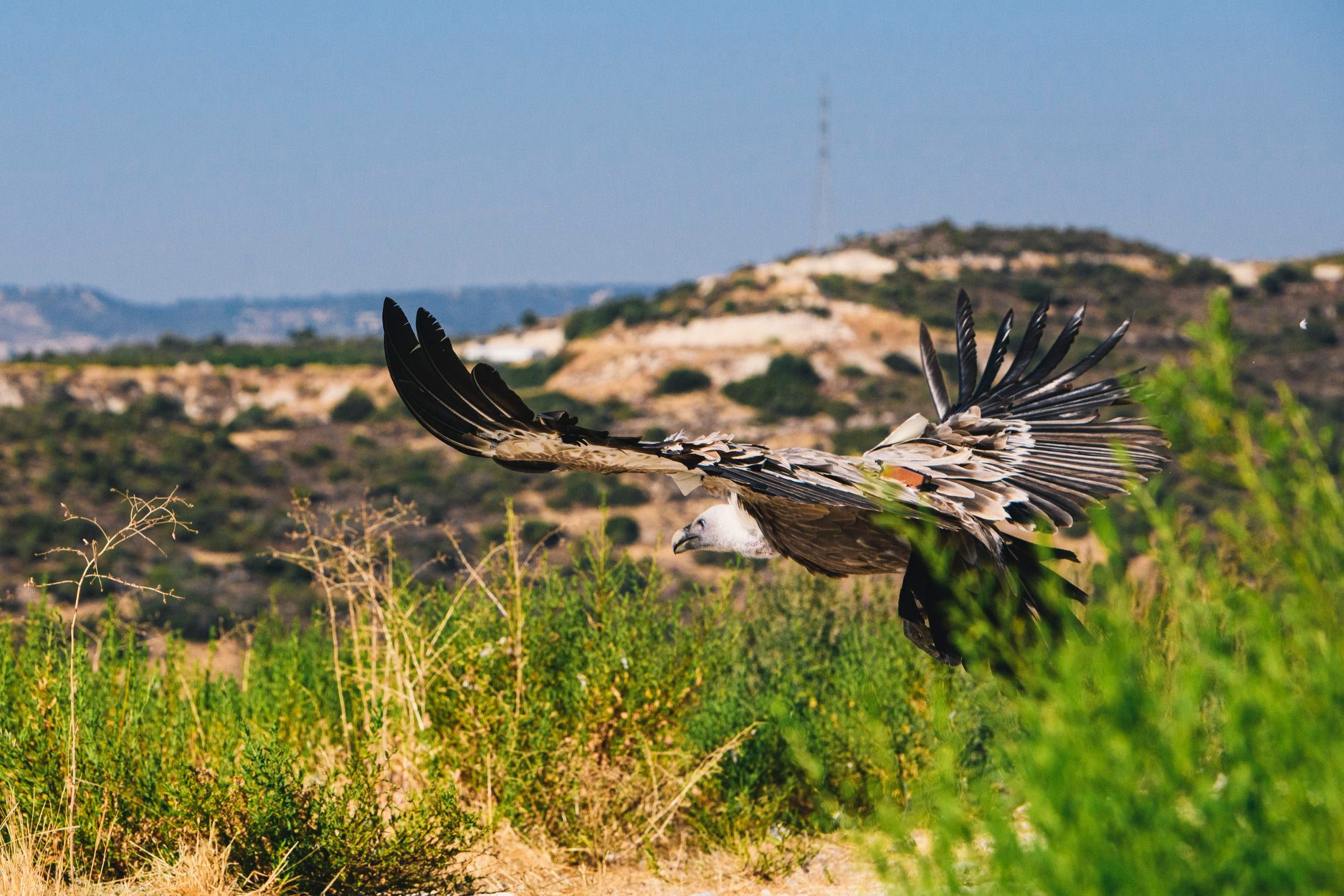
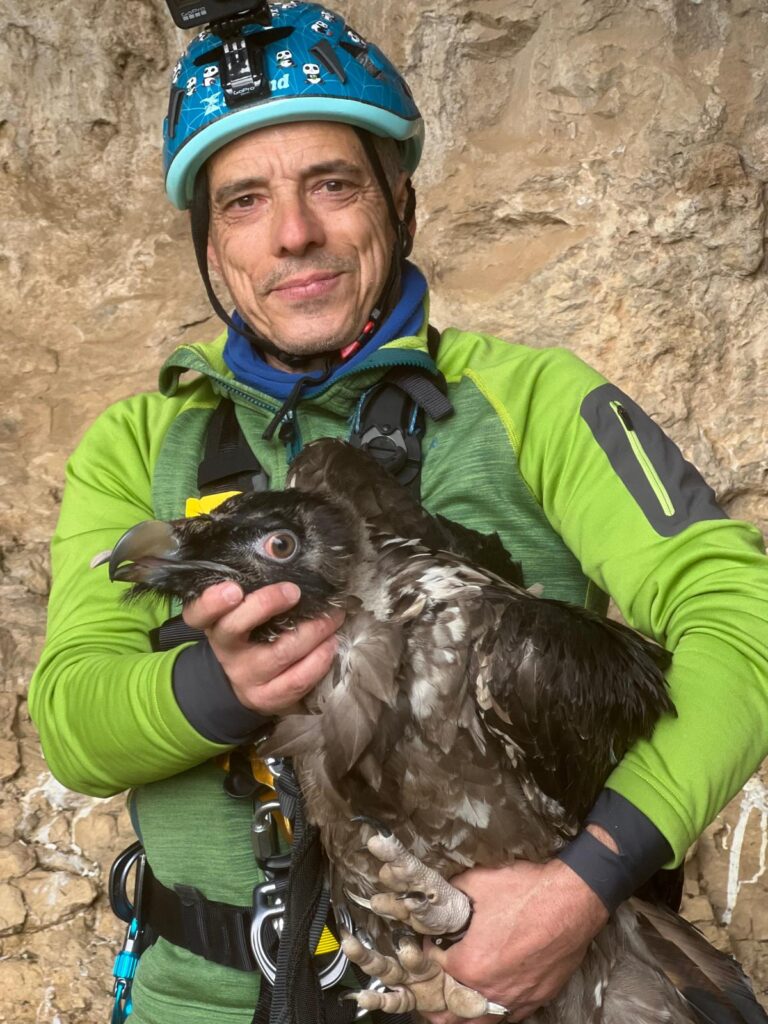
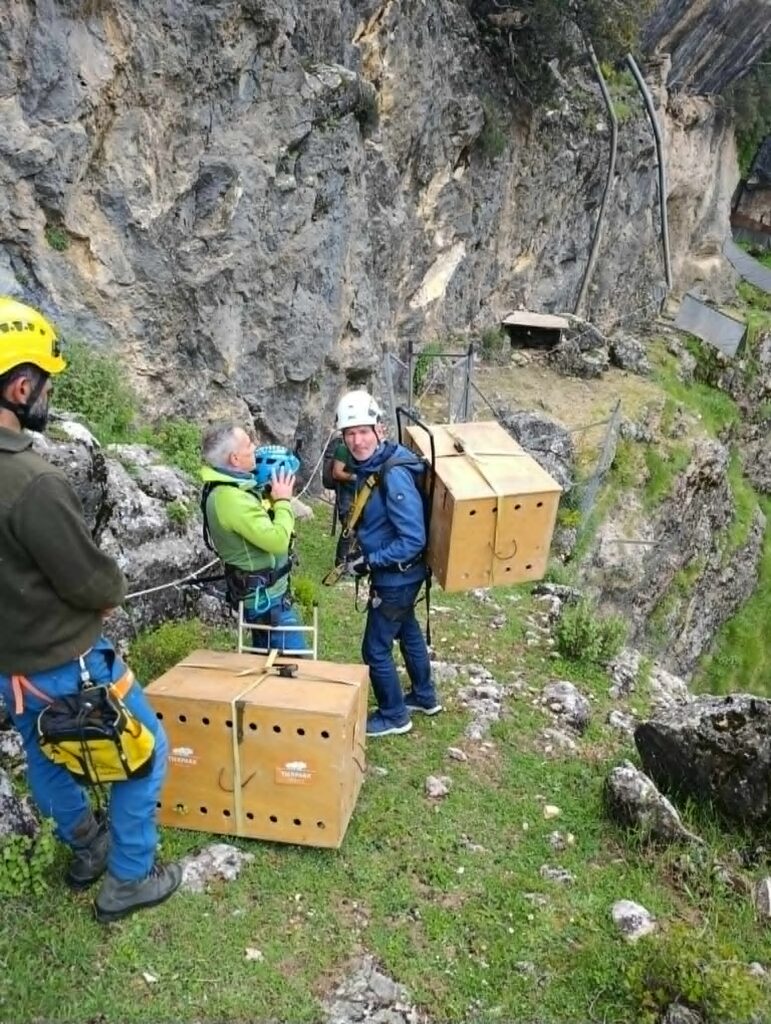
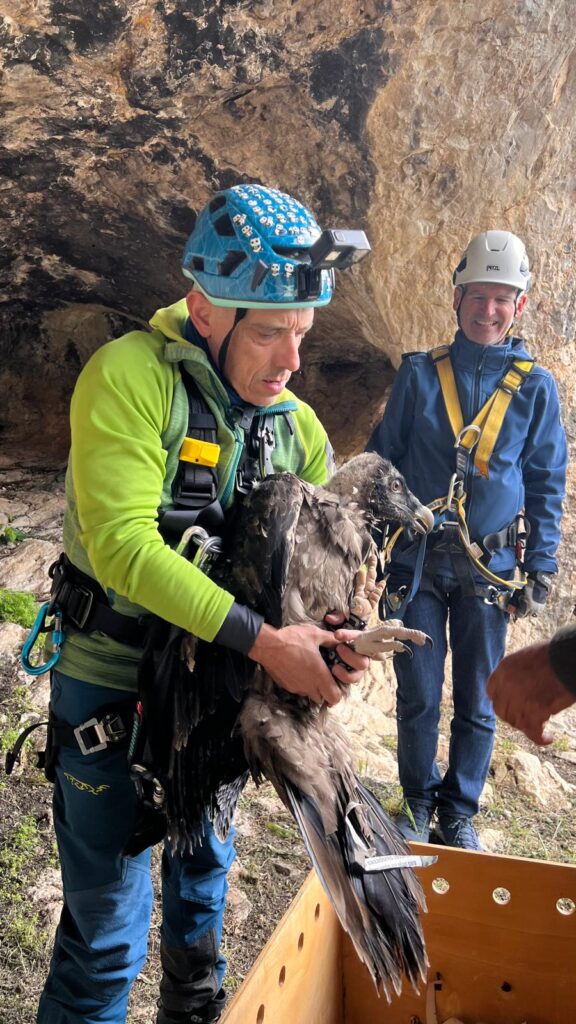
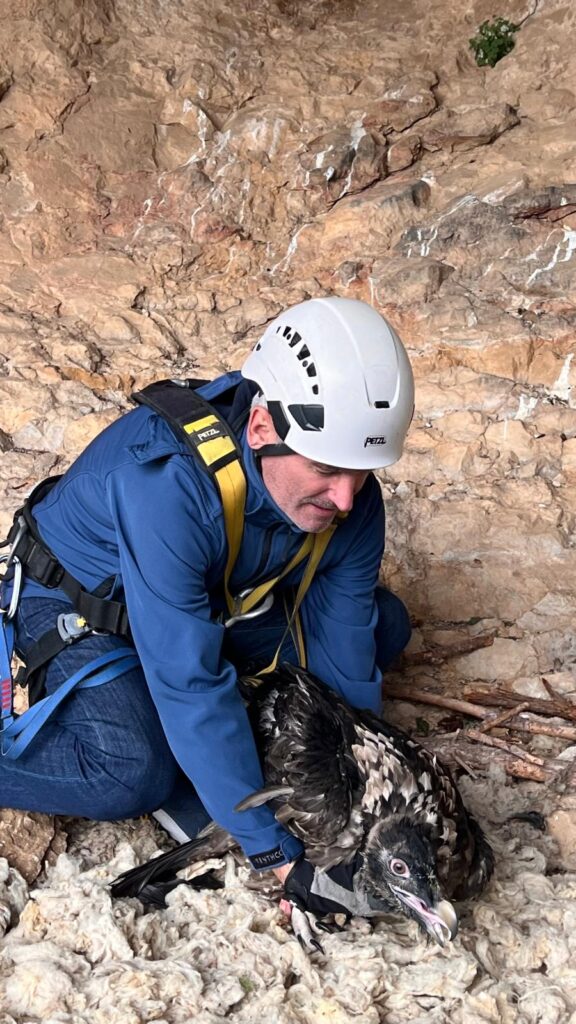
The 2026 release season got underway on Thursday, May 7, with two female Bearded Vultures released into the Sierras de Cazorla, Segura y Las Villas Natural Park in Andalusia.
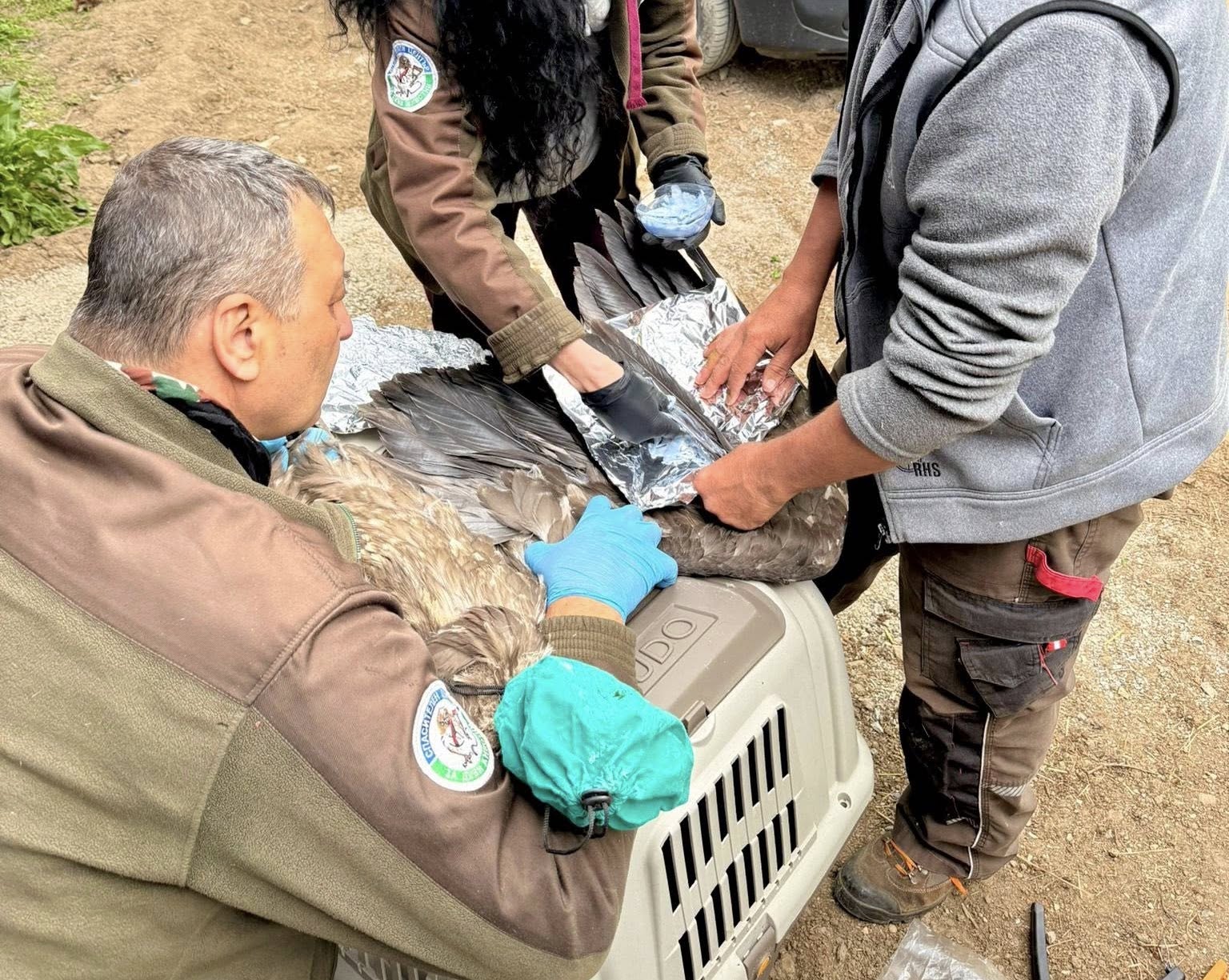
The release was carried out by the Junta de Andalucía, the Vulture Conservation Foundation (VCF), and their partners as part of the Andalusian Bearded Vulture reintroduction programme. Present at the release were Juan Antonio Martín, Coordinator of the Plan for the Recovery and Conservation of Scavenger Birds (PRCANA), together with PRCANA staff, environmental officers and VCF staff.
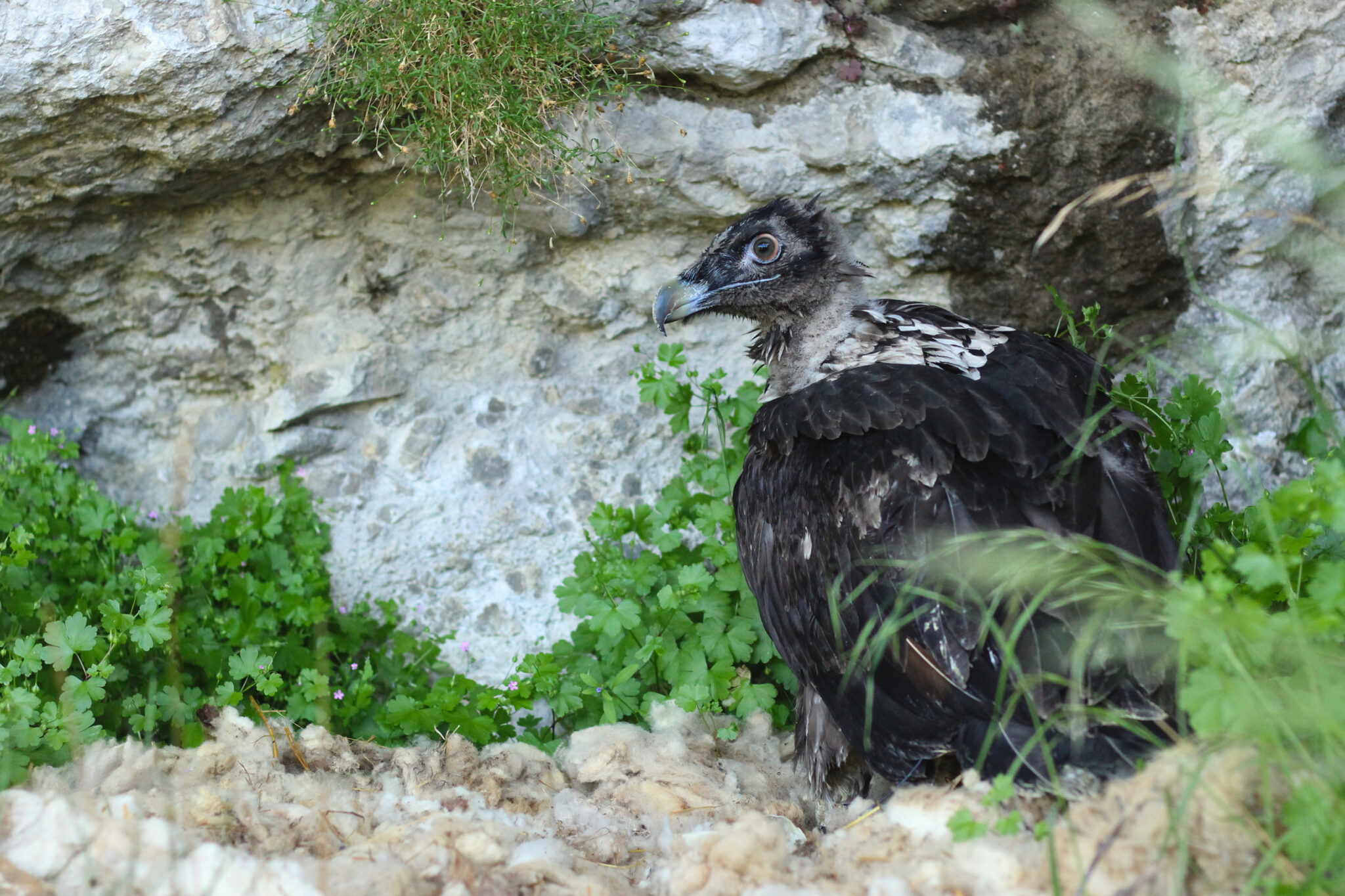
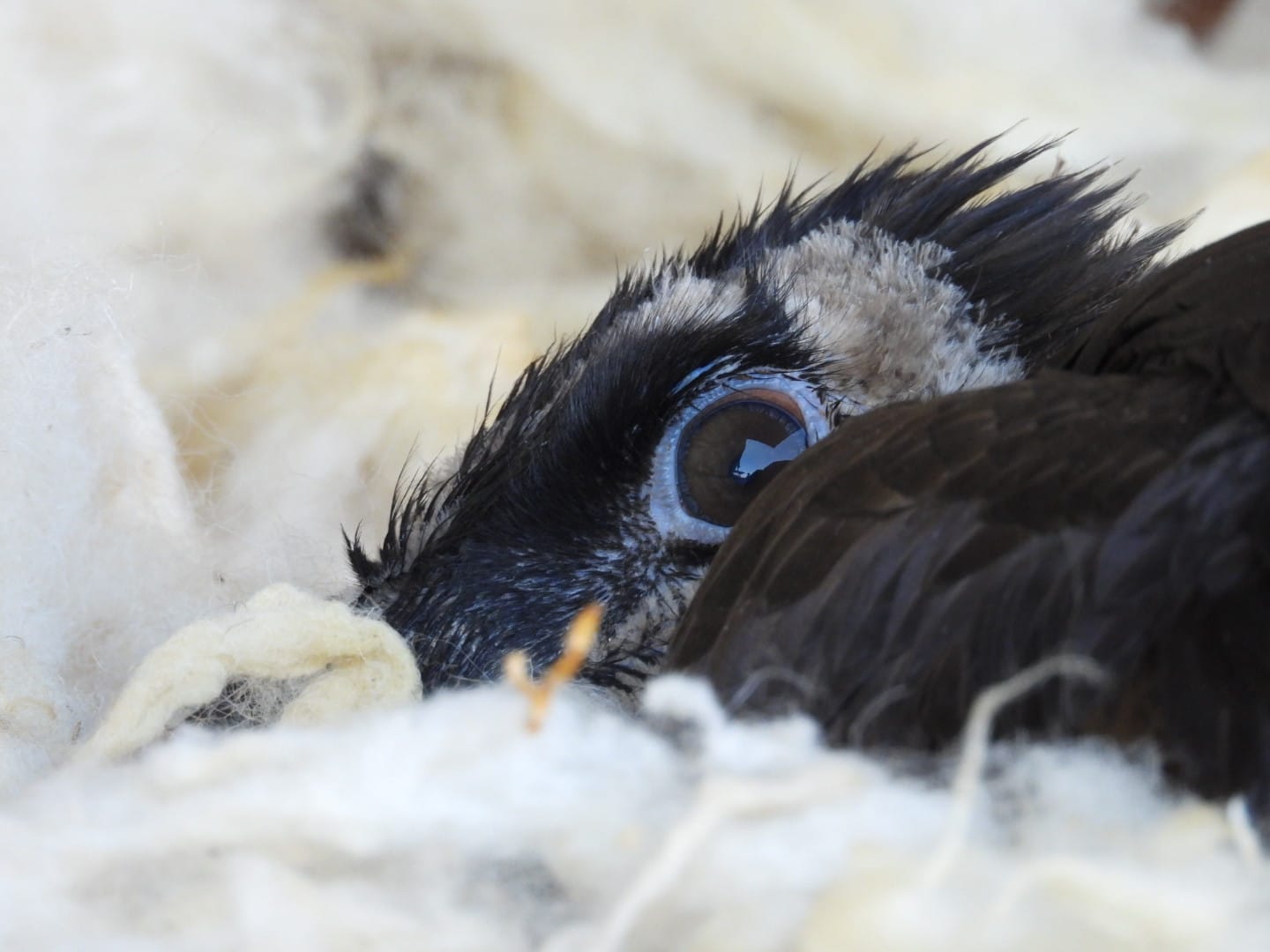
The two birds released this season are Matea and Cabañas. Both spent their first months at specialised breeding centres within the European captive-breeding network before being transferred to the hacking site in Cazorla, where they will continue developing until they fledge independently in the coming weeks.
Since 2006, we have been releasing Bearded Vultures in Andalusia to reintroduce the species. This year marks the 20th consecutive annual release, completing two decades of work to restore the Bearded Vulture to the mountain areas of southern Spain, where it disappeared in the twentieth century.
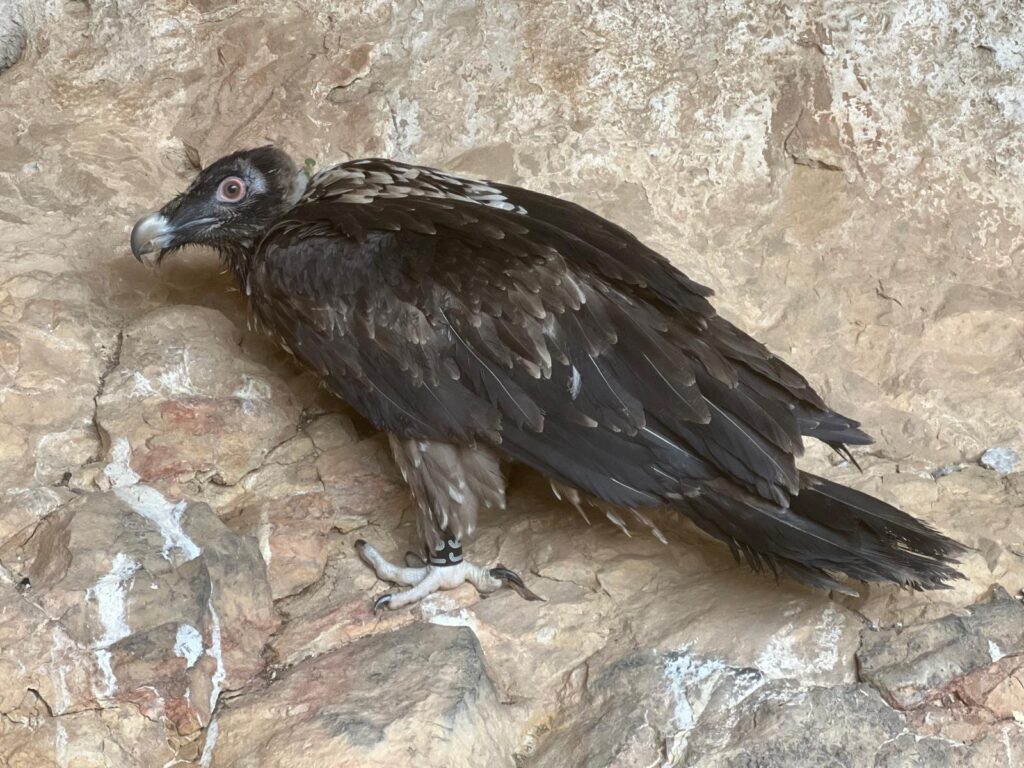
Meet Matea
Matea (BG1289) hatched at ASTERS and is the first offspring from the breeding pair BG860 and BG622 after several previously unsuccessful attempts.
The male has been attempting to mate with the female since 2021, but she refused his advances for the first year. That same year, she laid for the first time. The following season she began mating, but the clutch was again infertile. This season, the pair finally produced a fertile egg.
The egg showed signs of hatching difficulties in early February and was exchanged from the nest with dummy eggs for monitoring. No further progress was observed, so assisted hatching support was provided. The chick hatched on 4 February, weighing 137.1 grams.
After veterinary treatment, Matea was adopted by foster pair BG454 and BG502 on 9 February. Both adults accepted and fed the chick without issue.
Its father, BG860, hatched in 2015, comes from a Pyrenean bloodline. Its mother, BG622, descends from the Vallcalent breeding pair BG371 and BG103. After several infertile clutches in previous seasons, this was the pair’s first fertile egg.
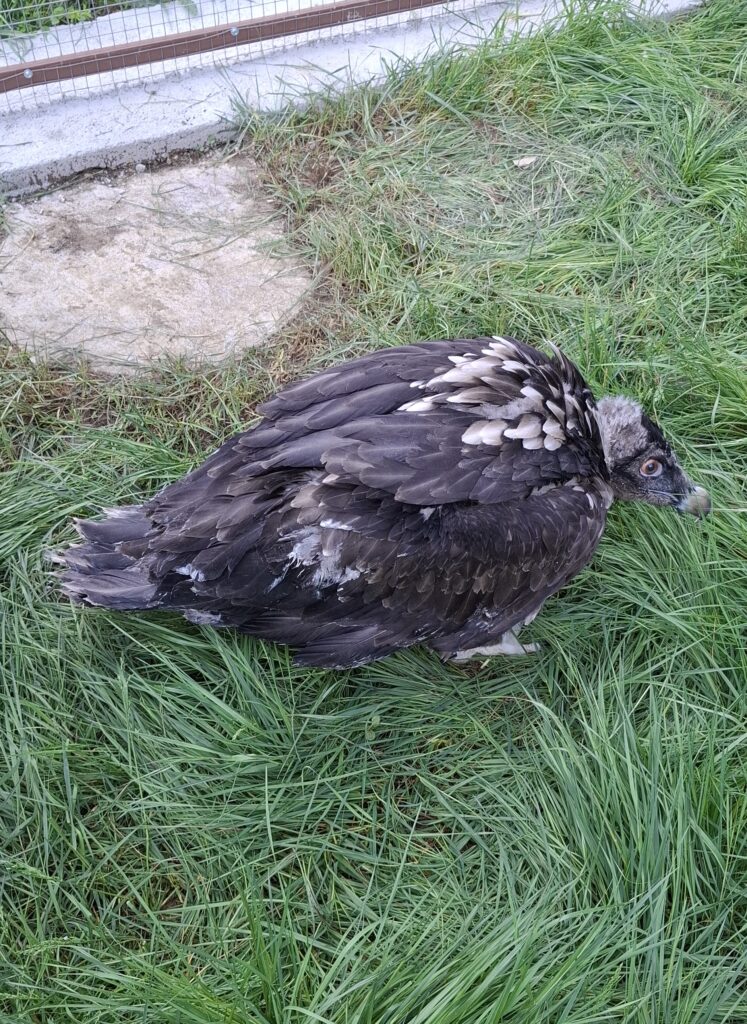
Meet Cabañas
Cabañas (BG1292) hatched at the Richard Faust Bearded Vulture Specialised Captive Breeding Centre (RFZ) from breeding pair BG594 and BG892.
On 7 February, a nest check found the egg with a 2x2cm hole and the chick alive but stuck. It was swapped for a dummy egg and moved to the incubator, where it hatched the following morning, independently weighing 176 grams.
On 10 February, Cabañas was adopted by foster pair BG201 and BG576. On 7 March, it was temporarily removed to allow the adoption of another chick, BG1297, and returned three days later in a secondary nest. During this second placement, the foster pair stopped feeding it, so the breeding team stepped in with daily hand-chopped food.
In April, the bird tested positive for the parasite Cyathostoma and received two doses of ivermectin before transfer to Andalusia. The day before her transport to Malaga for her release, she weighed 6.35kg.
Her father, BG594, hatched in 2009. Her mother, BG892, hatched in 2016 and is a daughter of BG725, the well-known Pyrenean female with the distinctive mandible. The pair began reproducing in the 2023/24 season. In 2025, their chick died from Cyathostoma, which turned out to be the first confirmed case of this parasite ever recorded in a Bearded Vulture, initially mistaken for aspergillosis due to the breathing symptoms.
Twenty years of reintroduction in Andalusia
The Andalusian Bearded Vulture reintroduction programme has grown into one of the most significant conservation efforts for the species in southern Europe. In 2015, a reintroduced pair hatched the first chick in the wild, named Esperanza, who hatched her first chick last year in 2025. There are now around 70 birds and around 15 breeding pairs established in the region.
The programme combines captive breeding, releases, field monitoring, and threat mitigation, and runs through cooperation between regional governments, conservation organisations, zoological institutions, and the Bearded Vulture European captive-breeding network.
The Sierras de Cazorla, Segura y Las Villas Natural Park remains one of the primary release sites in Andalusia and continues to play a central role in the project.
As with previous releases, both birds will remain at the hacking site for several weeks, fed without direct human contact, to preserve natural behaviour before fledging independently.