The campaign generated a wave of solidarity, and donations are helping to recover the most isolated and fragile colony of this endangered species in Portugal.
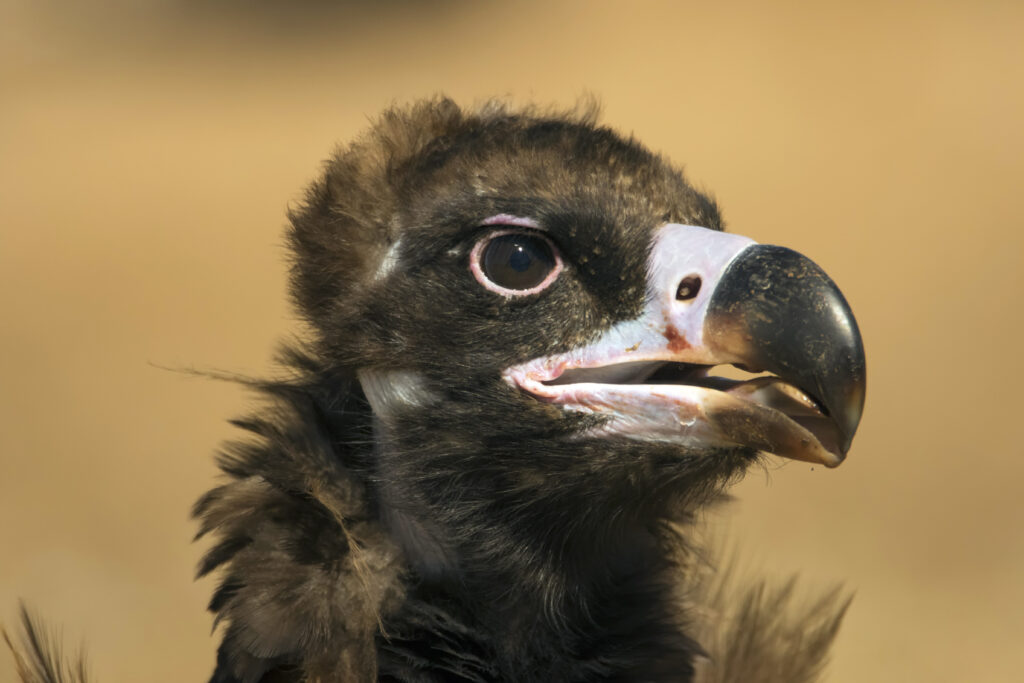
The wave of solidarity generated by the fundraising campaign “Helping the Cinereous Vulture (Aegypius monachus) after the fire in Douro Internacional“, launched in August 2025, has successfully reached its target of €30,000. This amount was necessary to implement the most urgent post-fire recovery and conservation actions.
The funds were donated by individuals and groups, as well as companies and entities that contributed significant sums. These included the International Union for the Conservation of Nature Netherlands (IUCN NL), with support from Conservation Connect, through the Green Lifeline Action Fund – an IUCN NL emergency funding mechanism that offers rapid support to organisations and communities facing urgent threats to nature conservation; REN – Redes Energéticas Nacionais; Lightsource bp e Proactivetour.
Funds were granted both through the campaign launched by the environmental non-governmental organisation (NGO) Palombar – Conservation of Nature and Rural Heritage on the Gofundme crowdfunding platform, and via direct donations to the NGO.
With the fundraising target reached, the campaign – promoted by Palombar as part of the projeto LIFE Aegypius Return project – is now closed. Efforts are now continuing to mitigate damages and losses, and to recover the habitat and the Cinereous Vulture colony within the Douro International Natural Park (PNDI).
A heartfelt thank you
Palombar and the LIFE Aegypius Return project partners are deeply grateful for the support and donations provided by everyone involved. These contributions have been absolutely essential for implementing the emergency plan on the ground to address the fire’s significant impact on the country’s most fragile and isolated Cinereous Vulture colony.
What has been done with the donations?
Cinereous Vultures successfully completed the acclimatisation period
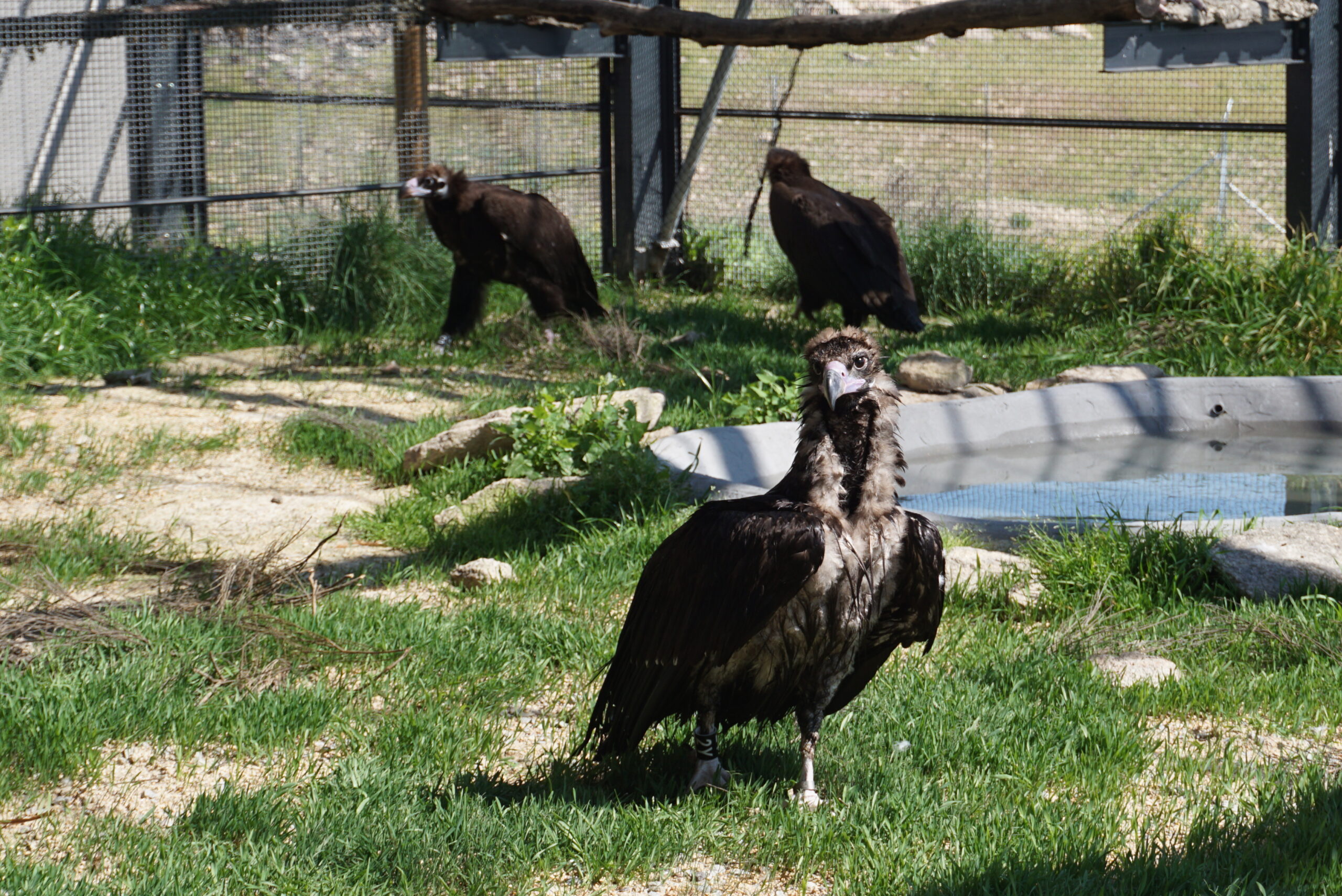
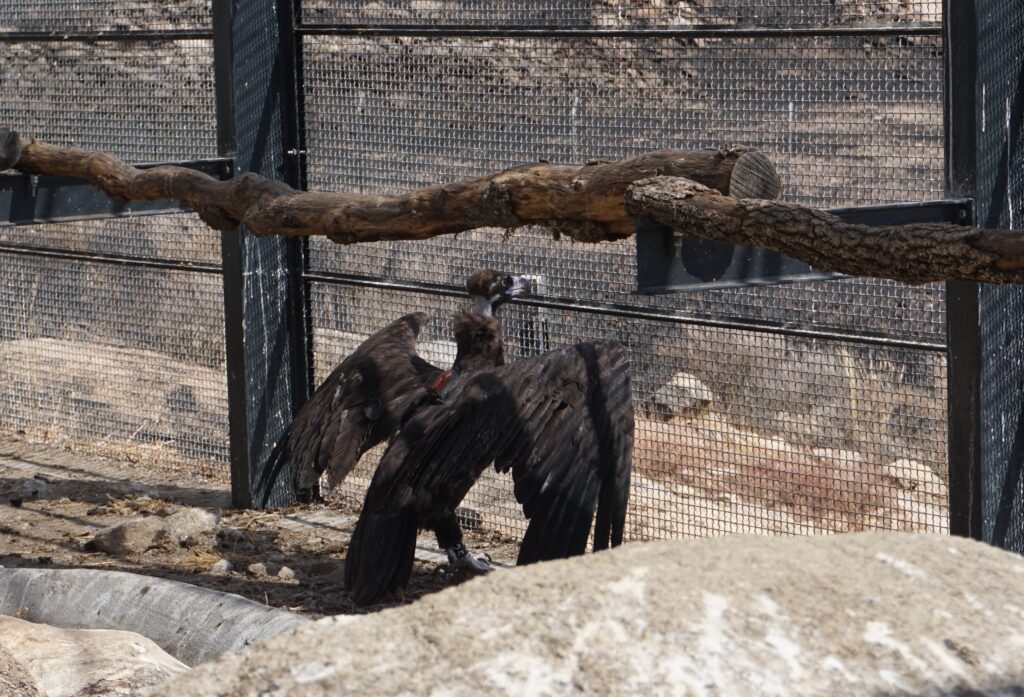
Thanks to the collective support received, the six Cinereous Vultures that were at the PNDI acclimatisation station during the major fire that swept through the region successfully completed their acclimatisation period and were returned to the wild at the end of October 2025.
Burned area cleared and logistics centre restored
Palombar has already cleaned up the burnt area and removed the supporting infrastructure destroyed by the fire. It was possible to salvage the metal structure of the container that housed the logistics centre, which was almost entirely destroyed. This infrastructure is vital for the operation of the acclimatisation station, as it houses, for example, the continuous video surveillance system for the vultures, the infirmary, and other essential equipment and materials.
Essential equipment purchased
The funds raised allowed for the purchase of the necessary equipment to replace and ensure the autonomy and operation of the video surveillance system destroyed by the fire, namely solar panels and long-life batteries.
Cinereous Vultures with reinforced food supply
In the area of the Cinereous Vulture colony affected by the fire, the Palombar team reinforced the availability of food for the vultures. This measure was essential to reduce nutritional stress resulting from this adverse event and to ensure adequate nutrition and good physical condition before the breeding season.
Close monitoring on the ground
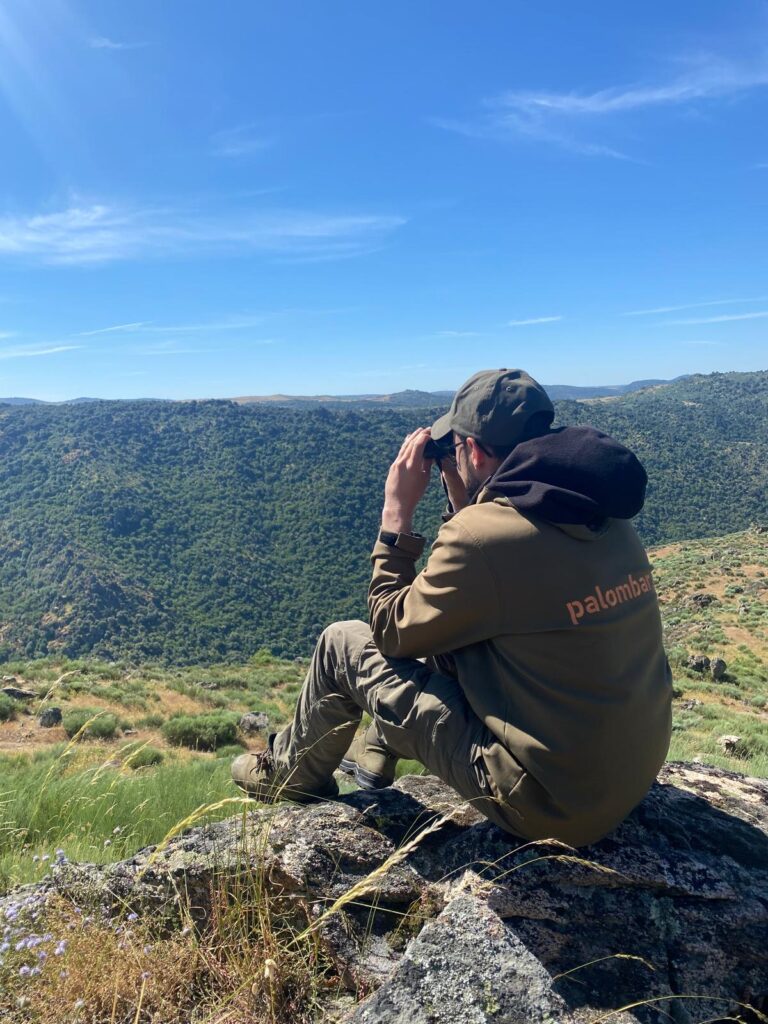
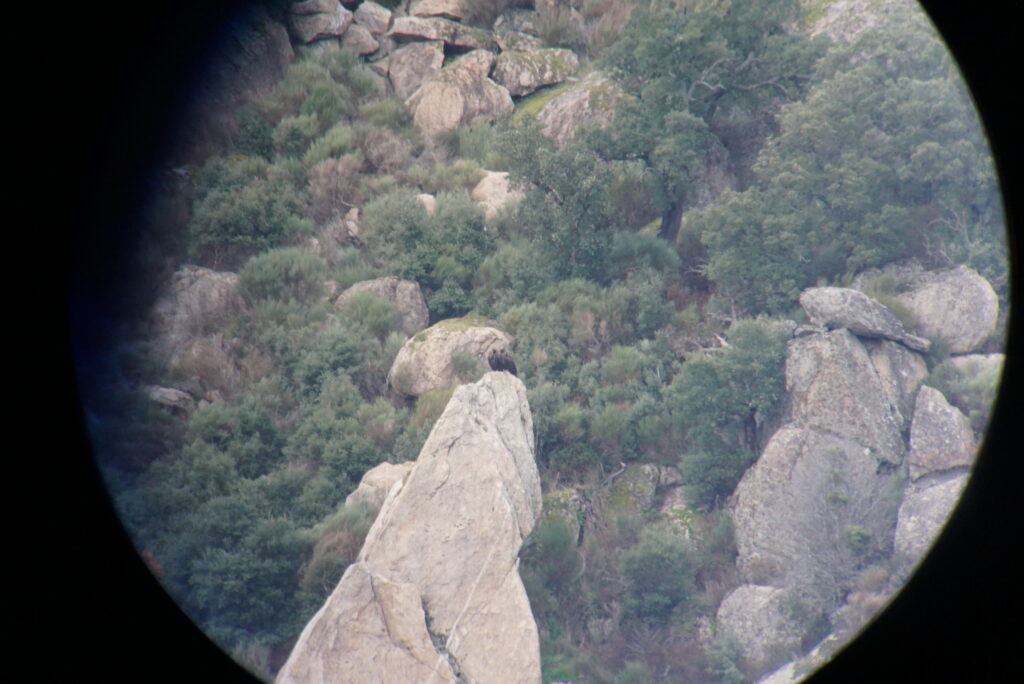
Since the immediate aftermath of the fire, the Palombar team has continuously monitored the affected Cinereous Vulture colony in situ. The goal is to assess its status and dynamics and obtain essential information for the effective implementation of the measures defined in the emergency plan.
Three artificial nests built, and four nest platforms rebuilt
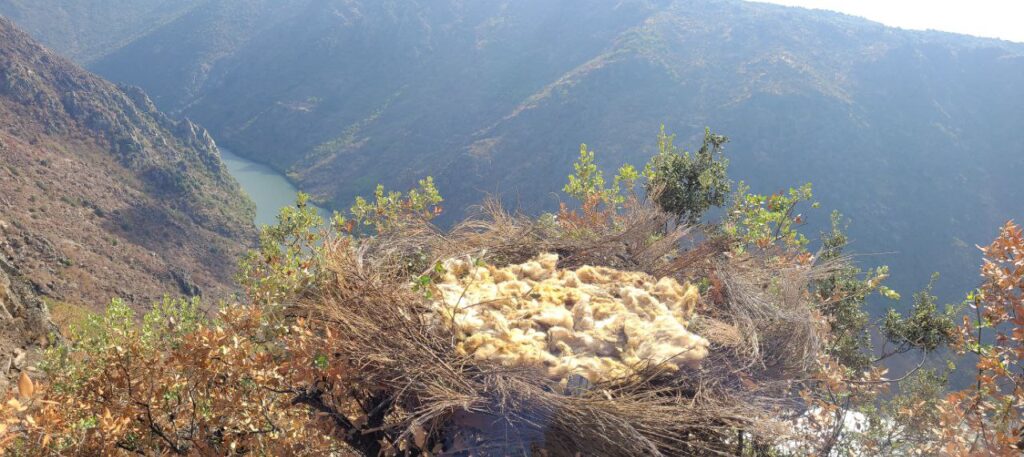
In October 2025, in collaboration with the Grupo de Intervención en Altura (GIAM) of the Agentes Forestales from the Comunidad de Madrid, Spain, three artificial Cinereous Vulture nests were built and installed in the area of the PNDI colony, and four other nest platforms that had been damaged by the fire were rebuilt. These structures are fundamental to encourage nesting in the territory and promote colony growth, especially after the landscape changes caused by the fire.
Watering and feeding stations installed for wildlife
Another important measure implemented on the ground was the installation of five watering systems and five feeding stations to reinforce the food available for wildlife in the fire-affected zone. Increasing the number of wild animals in the colony area promotes, in the medium and long term, the existence of carcasses that serve as food for the vultures, thus ensuring their nutritional self-sufficiency.
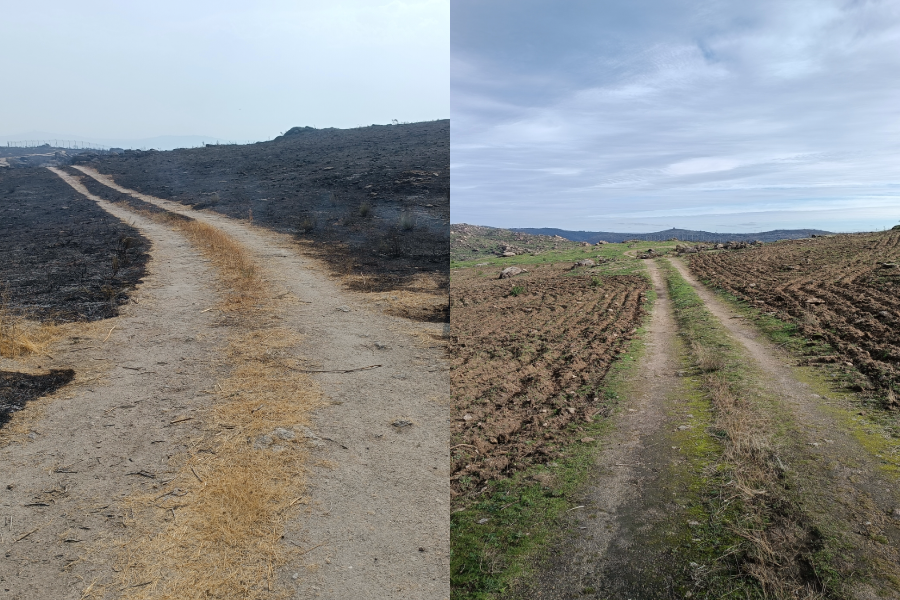
Sowing to benefit extensive livestock farming and encourage wild species
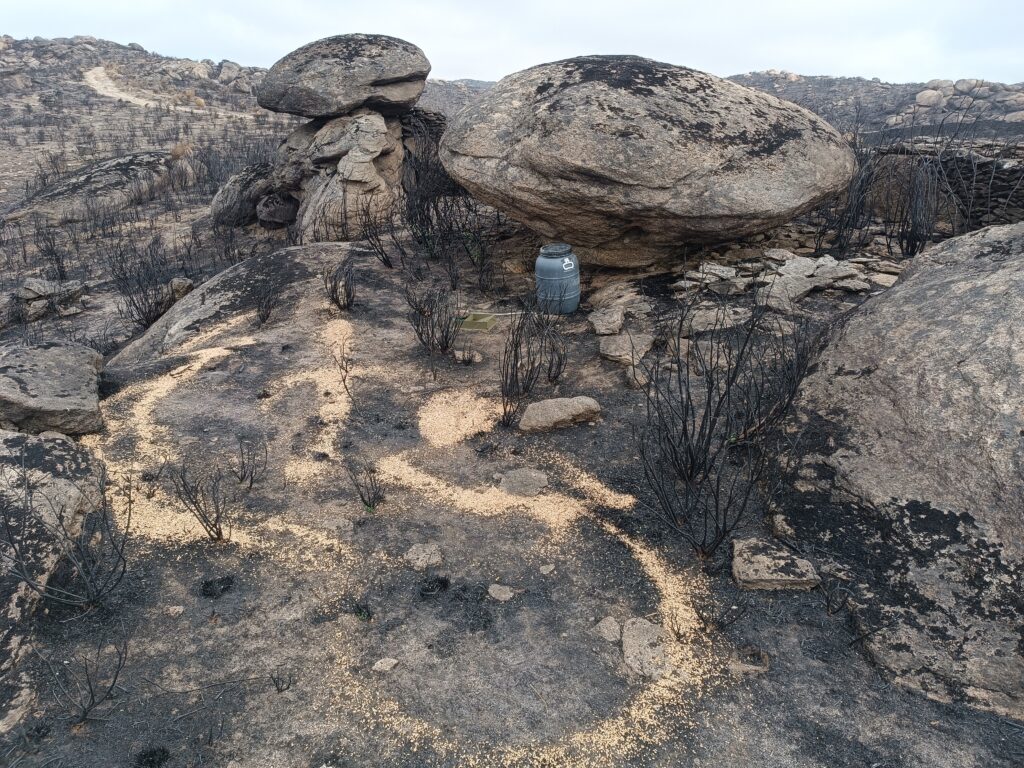
Sowing was carried out in the area hit by the fire to benefit extensive livestock farming, which is essential for the conservation of the Cinereous Vulture and other vulture species. At the same time, these sowings contribute to increasing food availability for wildlife, particularly promoting species such as roe deer, wild boar, wild rabbit, hare, and partridge. By accelerating the recovery of herbaceous and shrubby vegetation after the fire, the sowings reinforce the ecosystem’s trophic base, supporting both sustainable agro-pastoral activity and the ecological dynamics of ungulate and small vertebrate populations essential to the territory’s functional balance.
Multi-sector collaboration
To minimise human disturbance around the colony, Palombar is coordinating with various local entities to act through a multi-sectoral and participatory approach to optimise habitat management and conservation. The LIFE Aegypius Return project reiterates its thanks to everyone who contributed to the campaign to ensure a promising future for the Cinereous Vulture. With everyone’s support, we believe this “giant of the skies” will continue to fly over us.
About the LIFE Aegypius Return project

The LIFE Aegypius Return project is co-funded by the programa LIFE da União Europeia.O seu sucesso depende do envolvimento de todos os stakeholders relevantes, e da colaboração dos parceiros: a stakeholders and the collaboration of the partners: the Vulture Conservation Foundation (VCF), the coordinating beneficiary, and local partners Palombar – Conservation of Nature and Rural Heritage, Herdade da Contenda, the Portuguese Society for the Study of Birds, the League for the Protection of Nature, the Transhumance and Nature Association, Fundación Naturaleza y Hombre, the National Republican Guard e the National Association of Rural Owners of Game Management and Biodiversity.