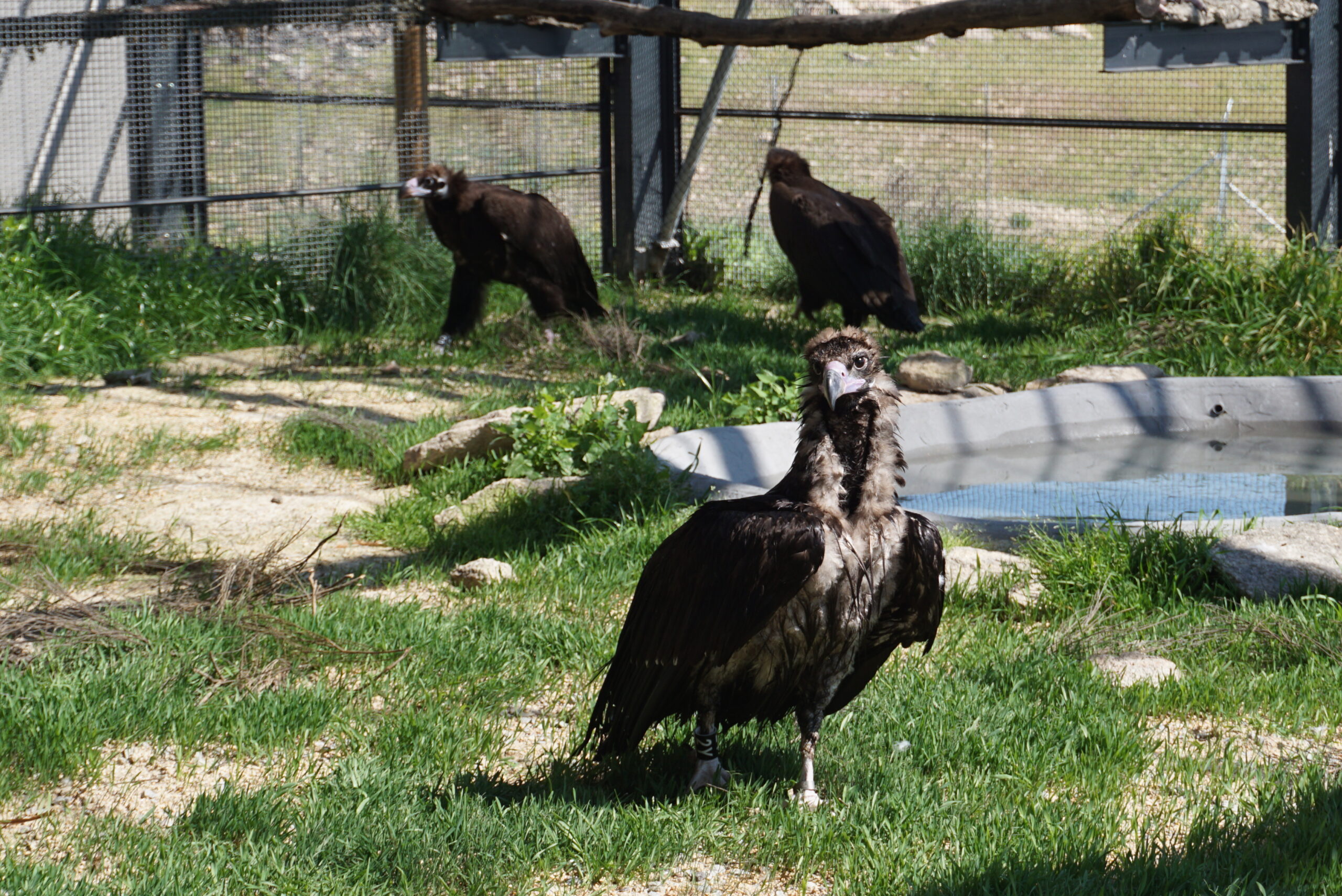
After a long journey, 25 young Griffon Vultures made their way from Spain to Romania, marking the first step in reintroducing a species to a landscape it had disappeared from more than 70 years ago.
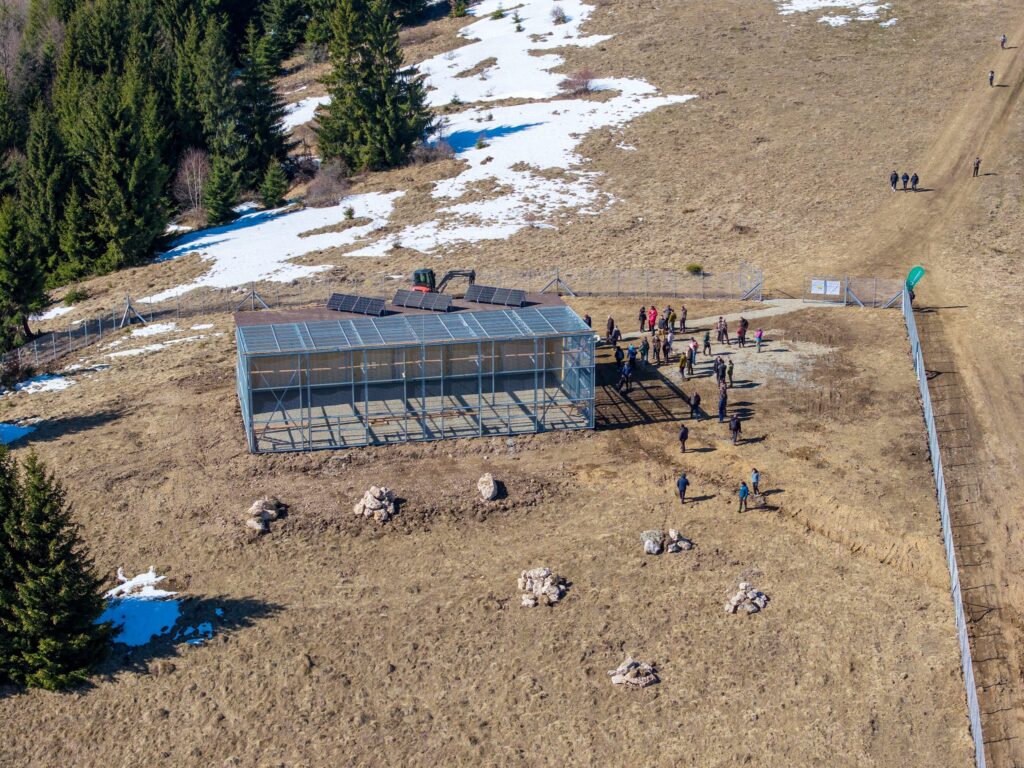
The birds are now settling into an acclimatisation aviary near the commune of Rucăr, in Argeș County, at roughly 1,150 metres above sea level in the Southern Carpathians, overlooking cliffs that could potentially become nesting sites.

Where the birds came from
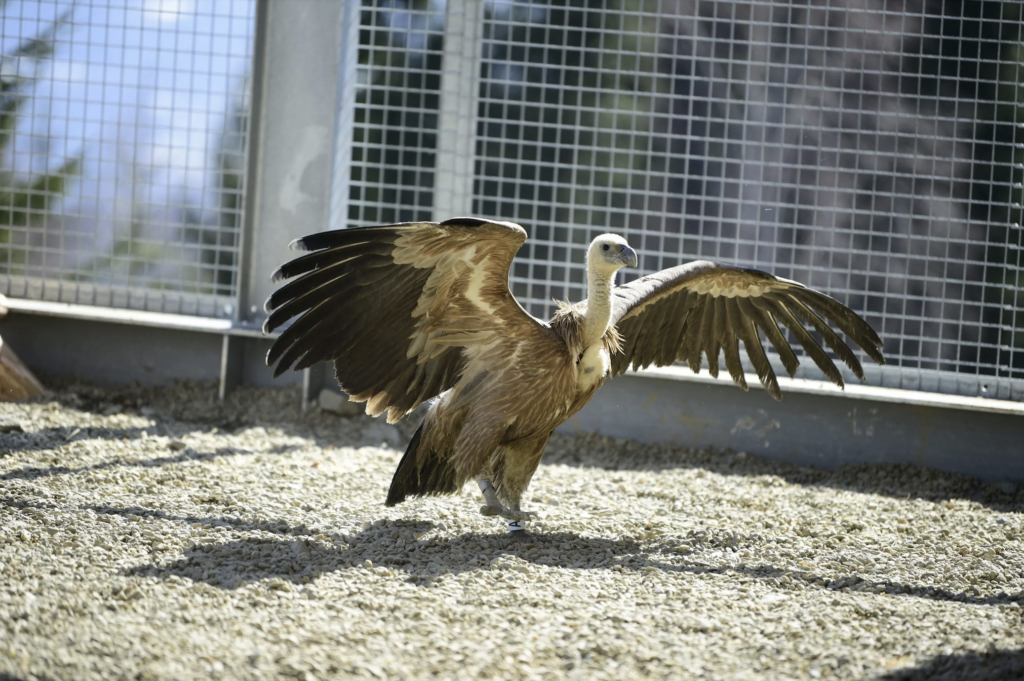
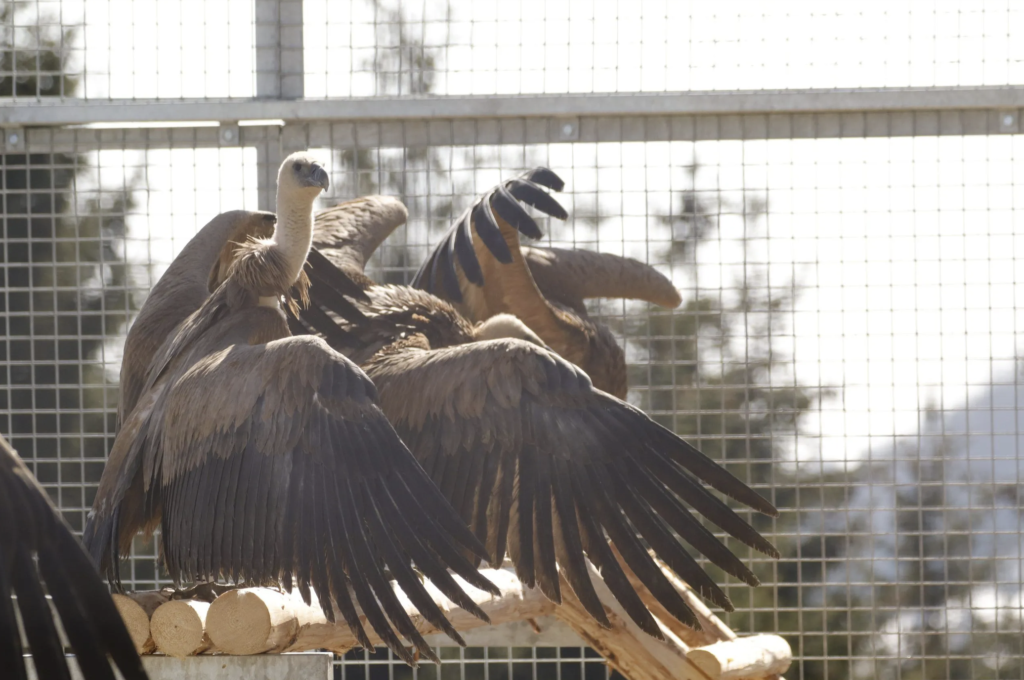
Several of the vultures had been found injured or weak in the wild in Extremadura, Spain, and were rescued. After being nursed back to health, these 25 birds were selected for the Romanian programme, donated by the regional government, Junta de Extremadura. Spain hosts 95% of the world’s Griffon Vulture population, and regularly contributes birds to reinforcement and reintroduction projects across Europe.
Before the transfer, all birds were quarantined and prepared for transport at the AMUS Wildlife Recovery Centre in Villafranca de los Barros. This effort and transfer were coordinated by the Vulture Conservation Foundation (VCF), working alongside a range of partners across both countries.
In Romania, the project is led on the ground by the Foundation Conservation Carpathia, in partnership with the Milvus Group Association, ING Bank Romania, the municipalities of Lerești, Rucăr, and Valea Mare Pravăț, and the Argeș County Veterinary and Food Safety Directorate.
Settling in
On arrival, each bird was given a health check and fitted with an identification ring. They were then moved into a specially designed acclimatisation aviary, around 160 square metres and six metres high, designed to withstand harsh mountain winters and equipped with remote video surveillance monitoring.
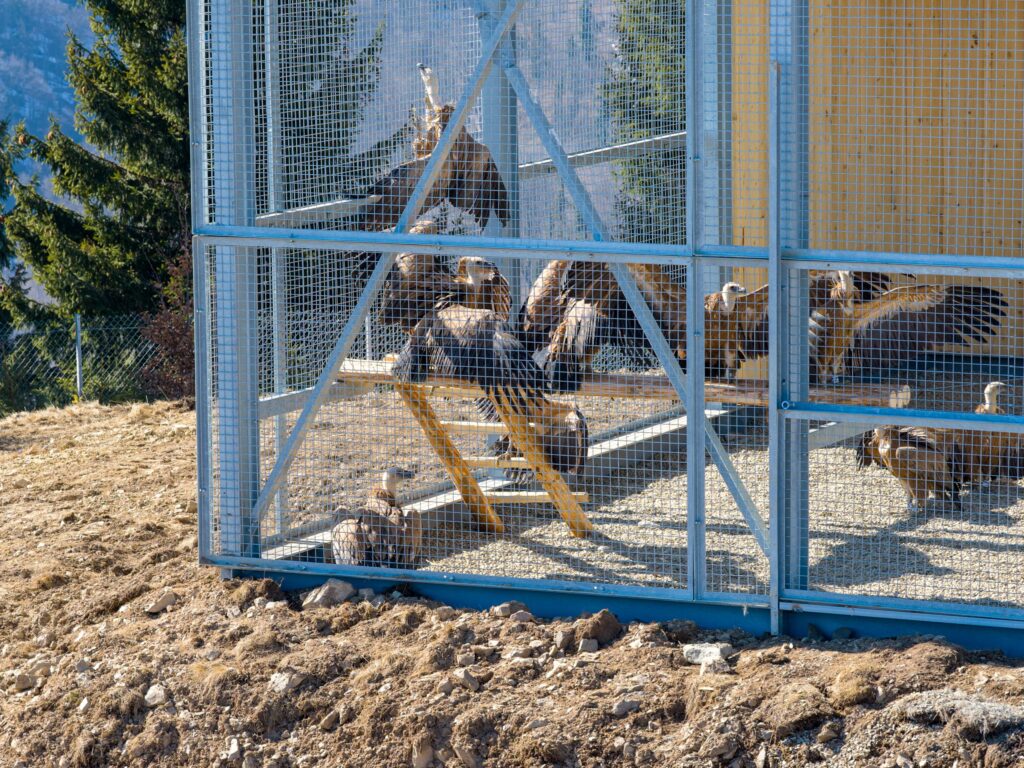
While the vultures are adapting to their new habitat over the next six months, the team will observe how the birds behave together and how they feed. Food is delivered through dedicated openings so the vultures don’t associate people with feeding, which is a key part of preparing them for life in the wild. Once released, each bird will carry a transmitter, allowing conservationists to track their movements and observe how they adapt in the wild.
Griffon Vultures reach sexual maturity at around 4-5 years old and raise just one chick per year, making the breeding cycle a slow one. It will be years before the first individuals breed successfully, and longer still before a self-sustaining population takes hold, but that is precisely the scale of ambition behind this long-term reintroduction effort.
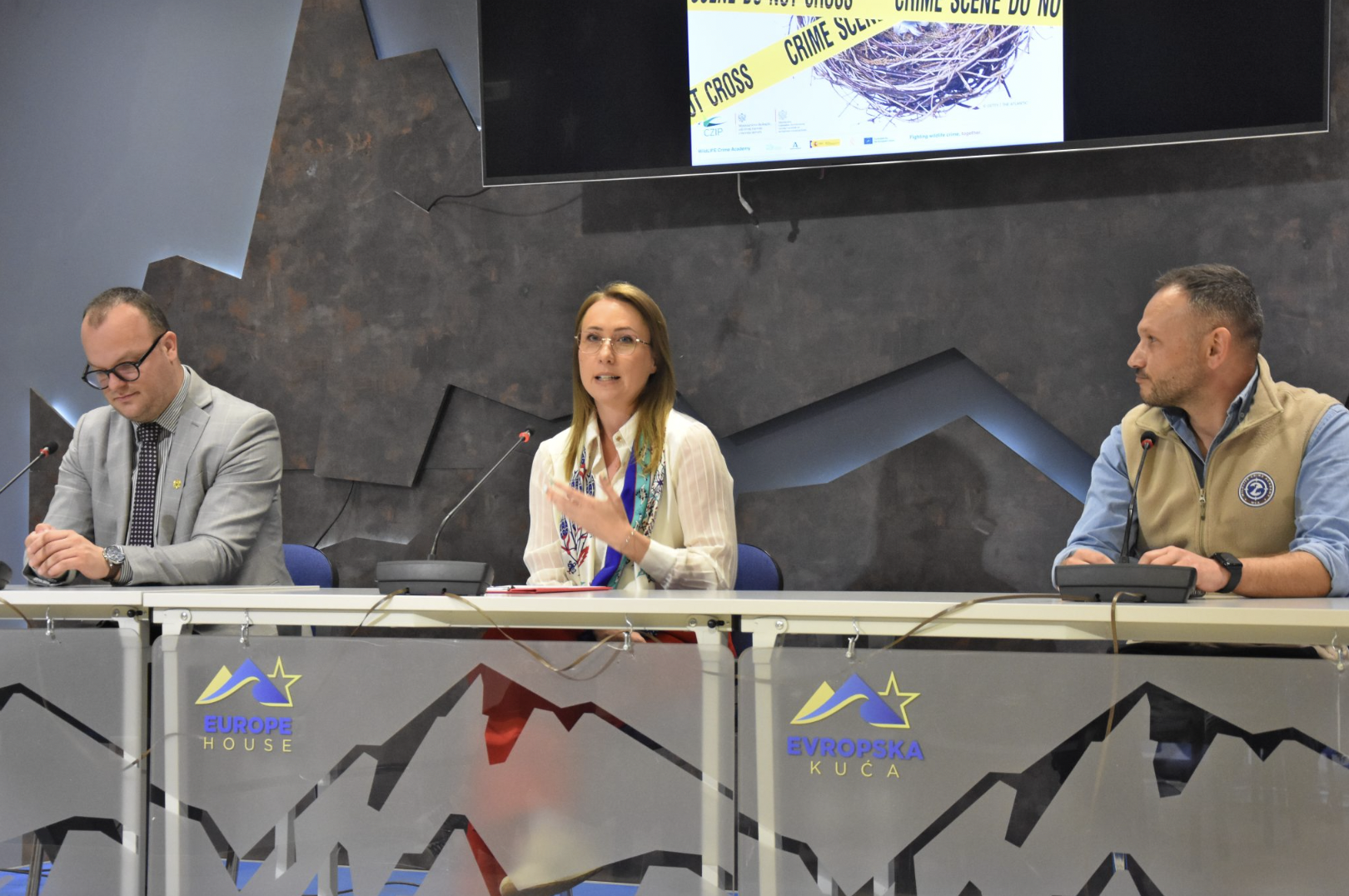
To ensure their long-term survival, we are collaborating with Romania’s Ministry of Environment, Waters and Forests to create national capacities for effectively investigating and prosecuting wildlife crimes in Romania through the WildLIFE Crime Academy.
Reintroducing vultures means restoring ecosystems
Griffon Vultures vanished from Romania in the mid-20th century, driven out primarily by poisoning. Toxic baits set out to control wolves and bears killed scavengers as unintended victims, and direct persecution played a role, too.
Their absence left a real gap. As obligate scavengers, animals that feed exclusively on carrion, vultures act as a natural clean-up service, removing carcasses that could otherwise spread disease and slow nutrient recycling. Their presence signals a healthy, functioning landscape.
The Făgăraș Mountains, where the reintroduction is taking place, are increasingly recognised as one of Europe’s most important wilderness landscapes. They already host brown bears, wolves, and lynx, and previous projects have brought back European bison and Eurasian beavers. But vultures had been missing. Romania was historically home to all four European vulture species: Bearded, Cinereous, Egyptian and Griffon. Their return is considered essential to completing the picture.
The return of Griffon Vultures to the Făgăraș Mountains is also about rebuilding a relationship between nature and the people who live alongside it, including through “Eagle House,” a new visitor centre planned in Valea Mare Pravăț that aims to put the region on the map for nature tourism.
Looking further ahead, conservationists hope that a Carpathian population could eventually connect with established vulture populations in Bulgaria and Greece, strengthening the species’ resilience across south-eastern Europe.
These 25 Griffon Vultures are the beginning. Additional transfers are planned for the coming years, and as the reintroduction programme takes shape, Romania is quietly becoming part of a broader European effort to bring this species back for good.
© Photos by Foundation Conservation Carpathia