The past year has marked a decisive step forward for the Wildlife Crime Academy (WCA), transforming an already proven training model into a truly international platform for cooperation, capacity building and enforcement against wildlife crime. From the launch of the WildLIFE Crime Academy LIFE project to the delivery of the first two training courses, national roadmaps and a new website, the first year has laid solid foundations for long-term impact.
From vision to action
Wildlife crime is one of the most urgent and pervasive threats facing biodiversity today. Illegal killing, poisoning, trapping and trafficking of wildlife undermine conservation efforts, public health, economic stability and the rule of law. Recognizing the need to treat crimes against wildlife with the same seriousness as other forms of organised crime, the WildLIFE Crime Academy was launched to strengthen law enforcement capacity and foster cross-border collaboration.
Building on the success of the original Wildlife Crime Academy created under the BalkanDetox LIFE project, the new LIFE phase (2024–2028) scales up this model across Europe, the Caucasus and North Africa. The approach is simple but powerful: equip professionals with practical skills, connect institutions across borders and ensure that wildlife crime is taken more seriously.
A strong and successful start
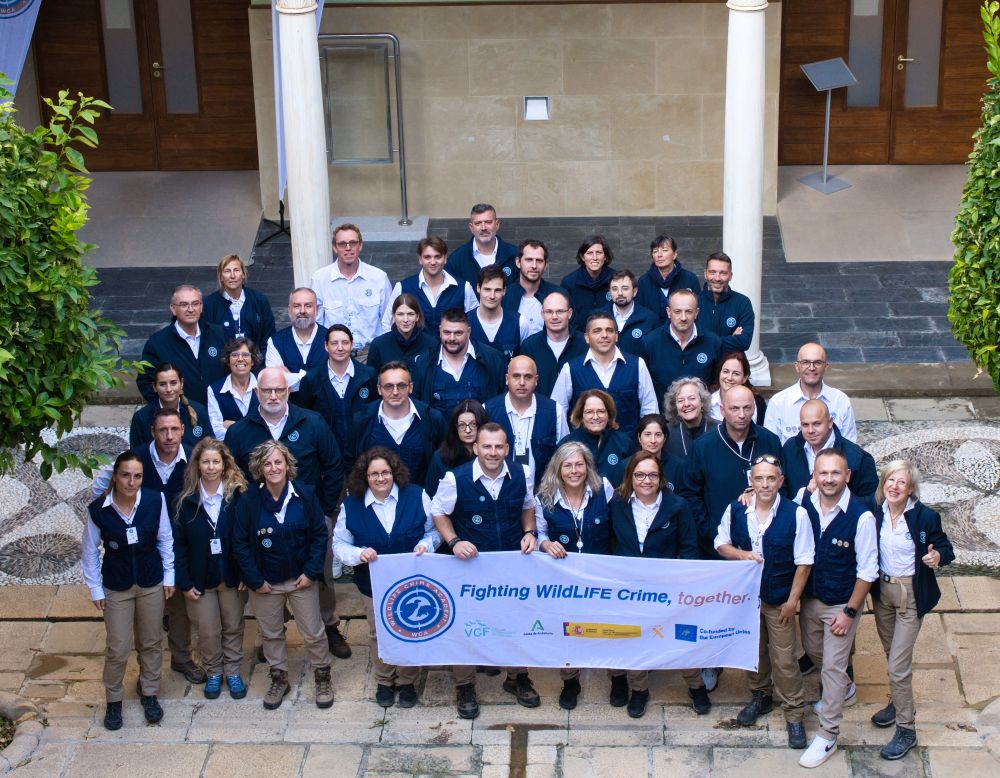
The project officially kicked off in Seville, Spain in February 2025 bringing together partners and representatives from across Europe and strengthening the commitment towards tackling wildlife crime.
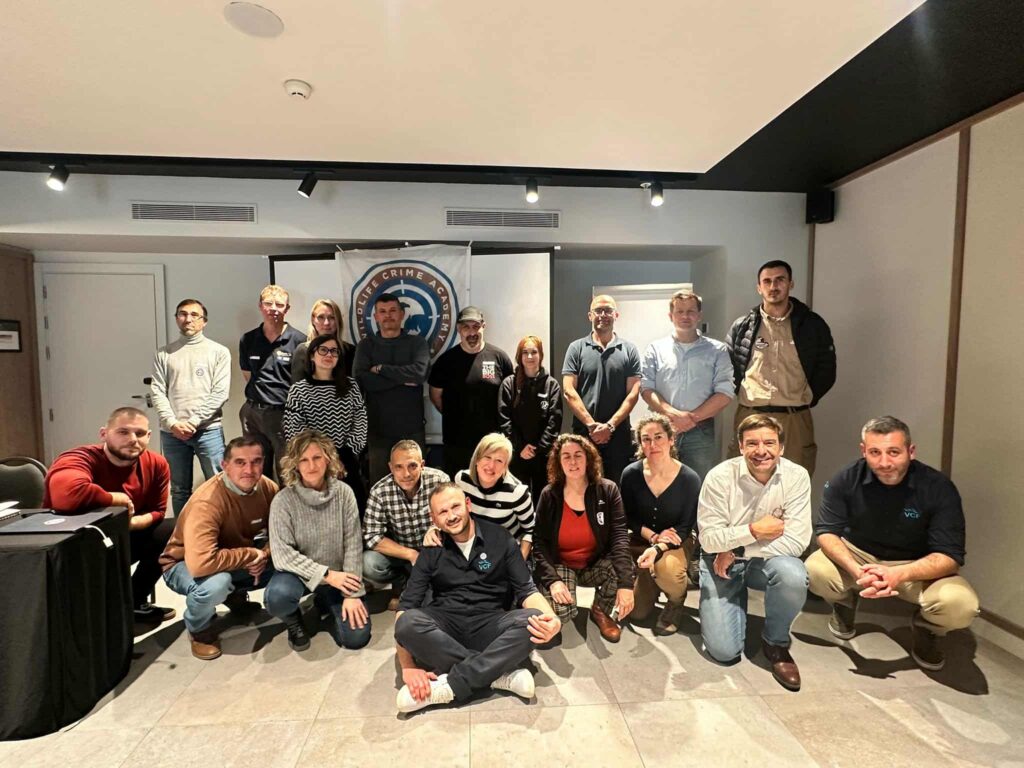

Engagement with governmental authorities from Spain, Portugal, France, Slovenia, Montenegro, Serbia, Bulgaria, Cyprus, Romania and beyond started strong from the very beginning and has been one of the true highlights of the first year. From the outset, the Wildlife Crime Academy has already established a stable foundation as a space for dialogue and cooperation between governments, law enforcement agencies, NGOs and international bodies.
Level 1 Training course June 2025 – Foundations of Forensic and Police Investigation in Wildlife Crime
Another major achievement of the first year has been the delivery of two key international training courses in Spain.
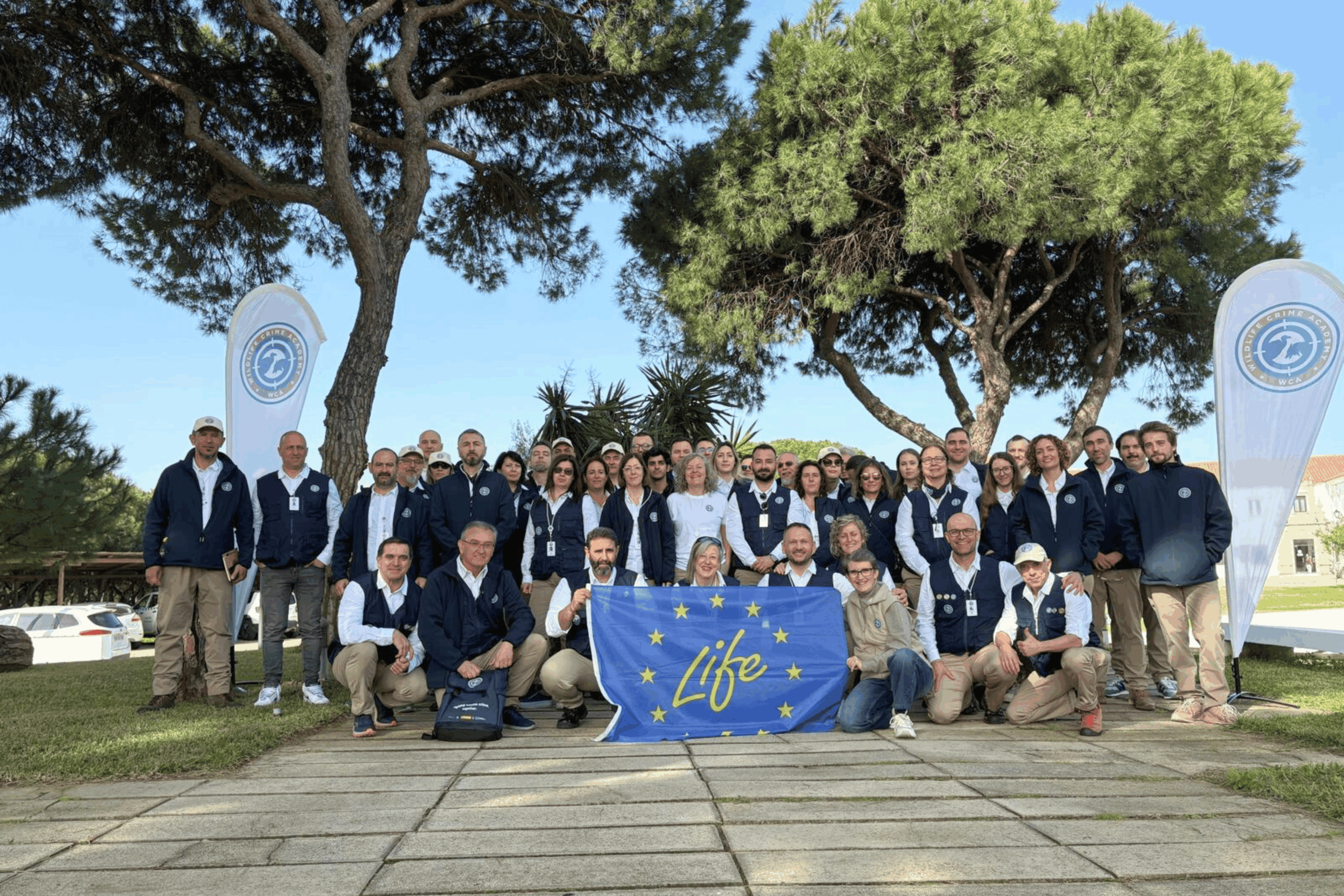
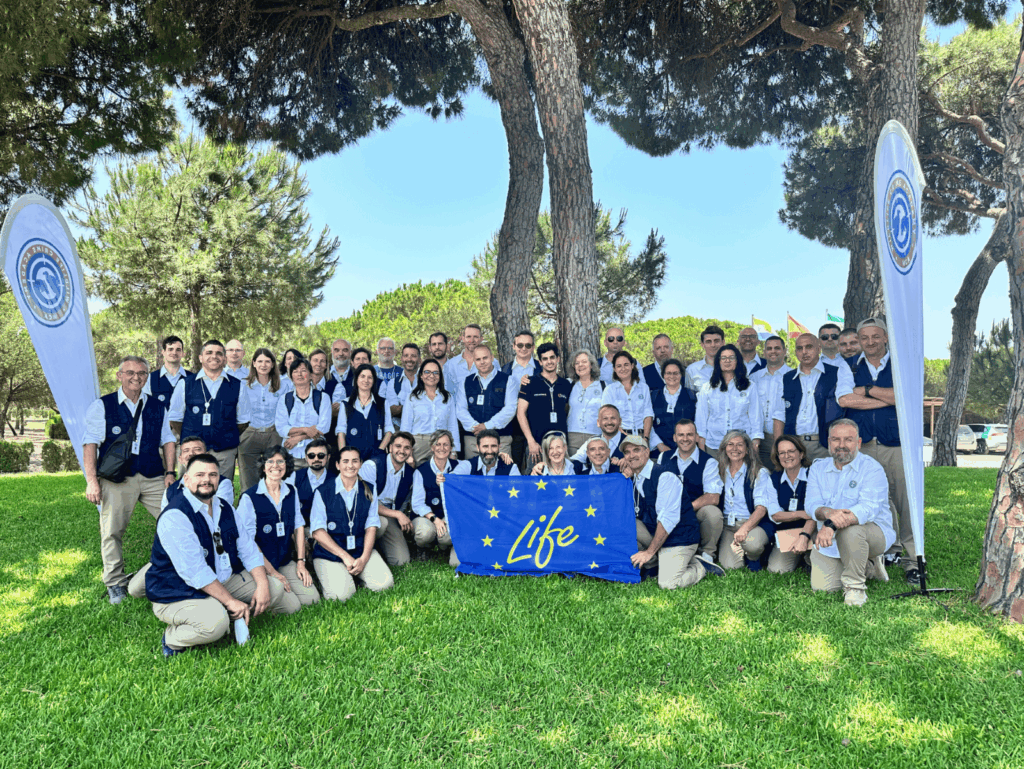
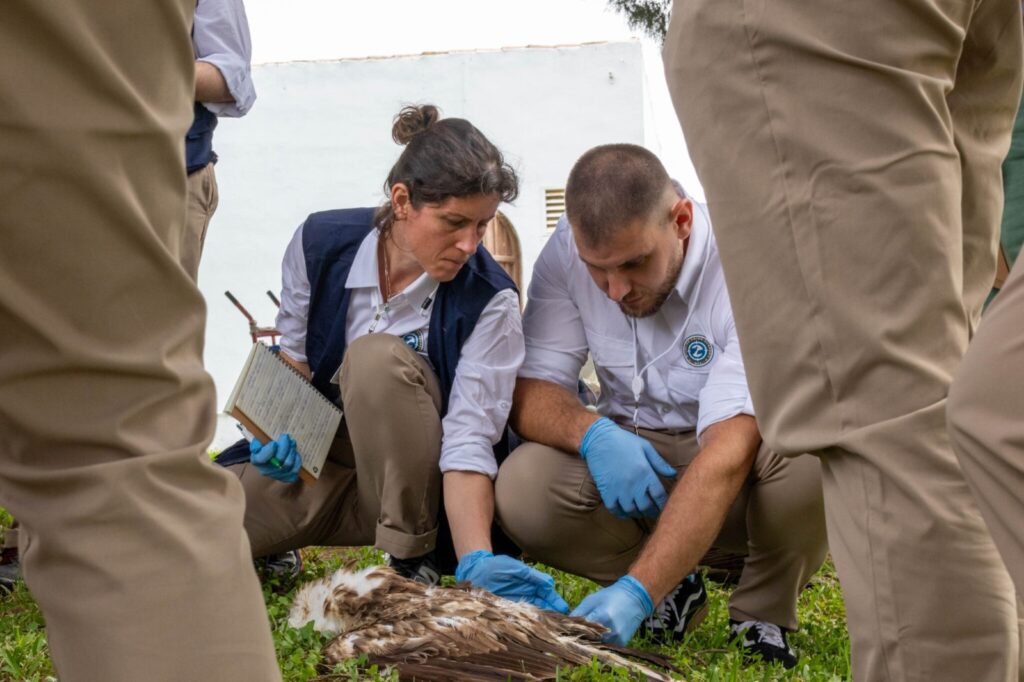
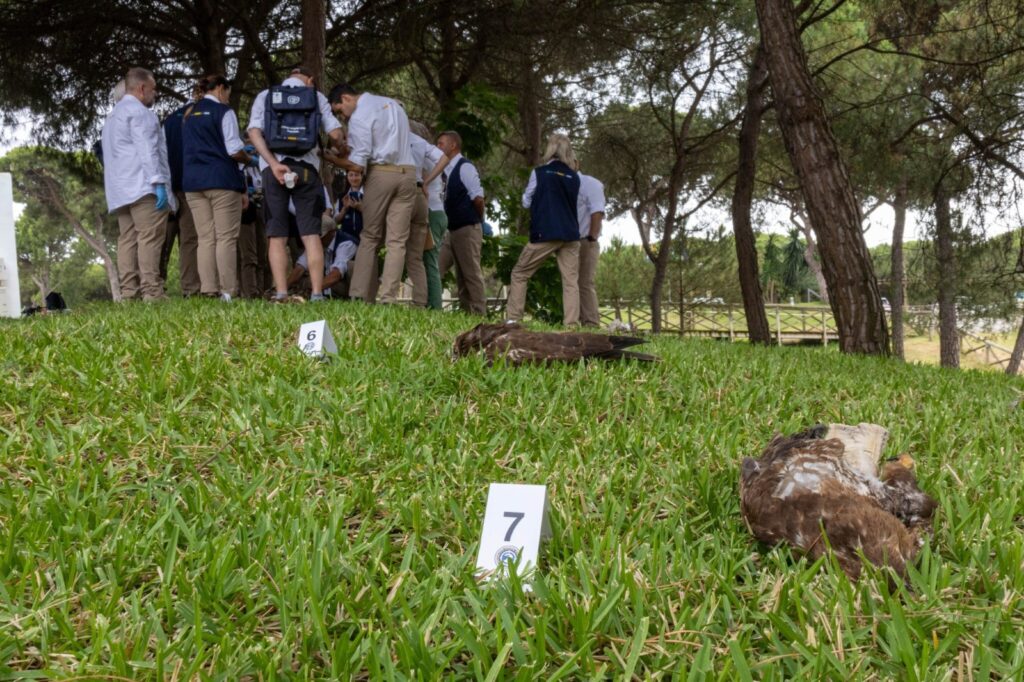
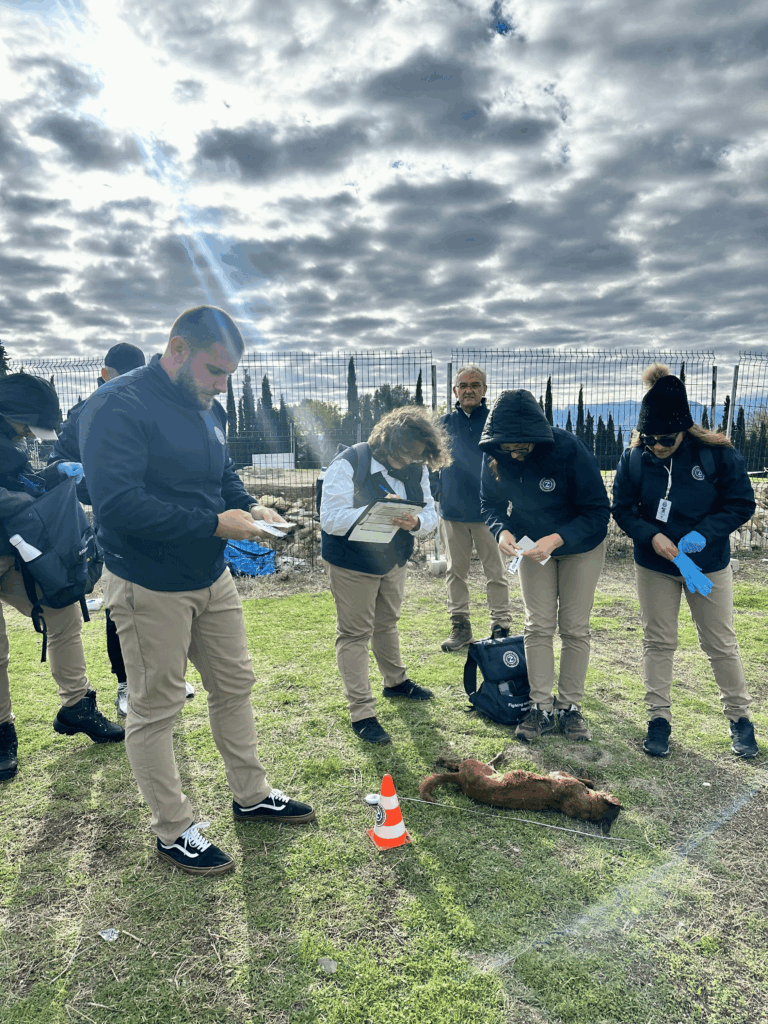
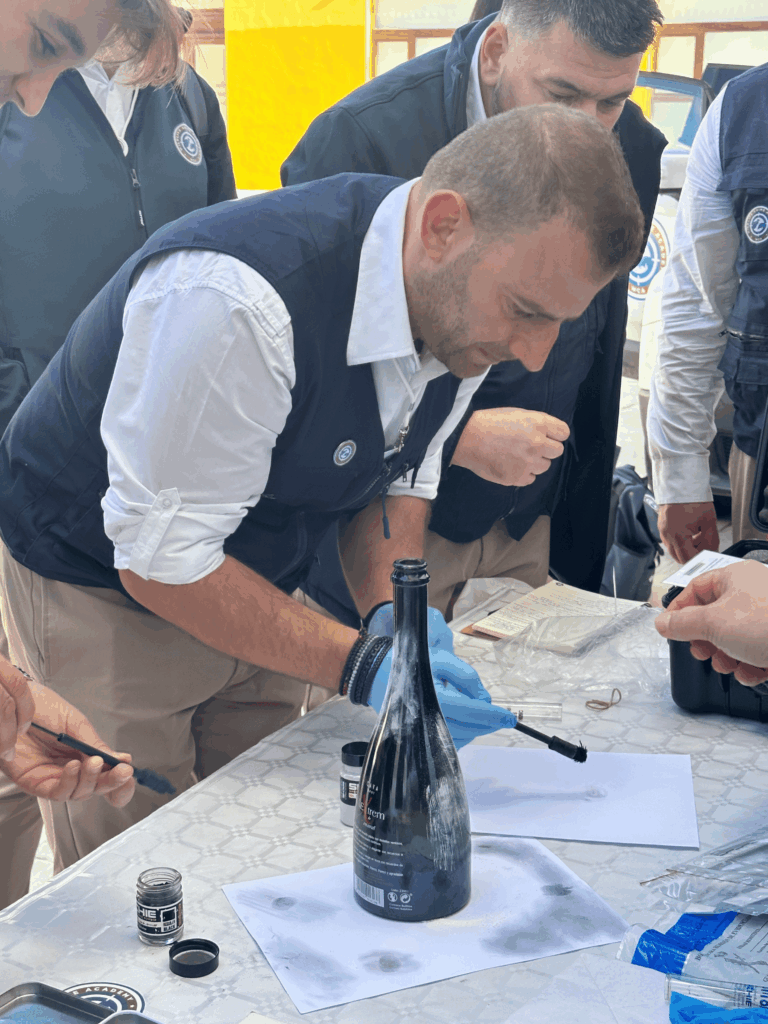
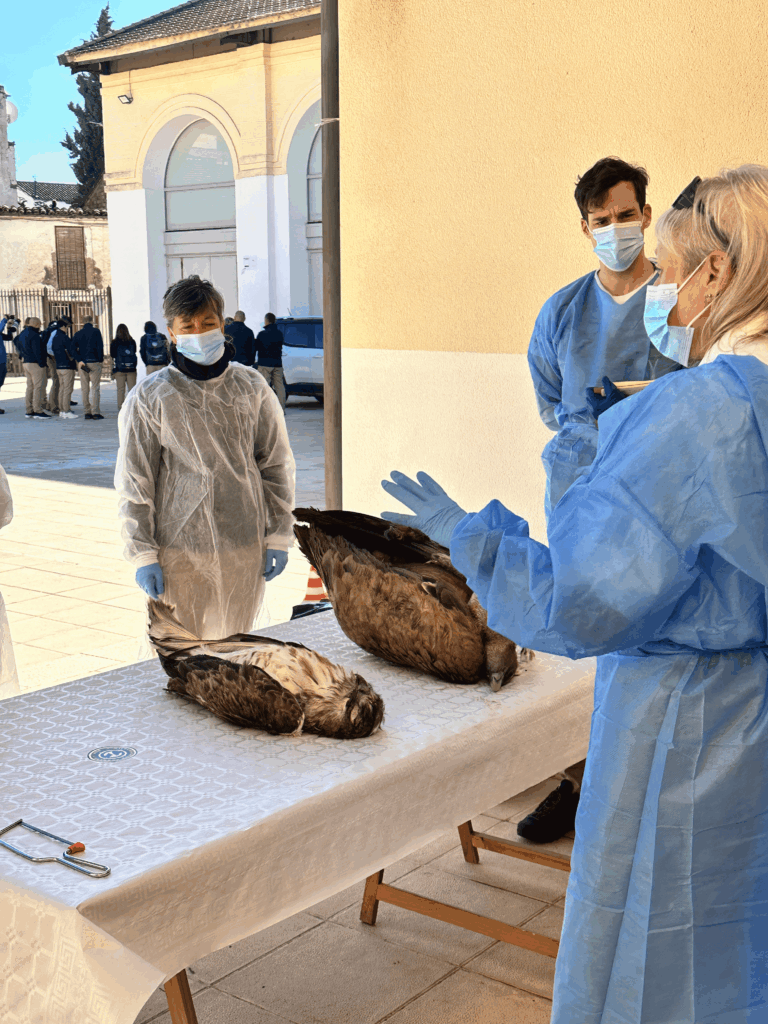
In June 2025, the first training course under the WildLIFE Crime Academy LIFE project was held at the International University of Andalucía in La Rábida. This Level 1 course, Foundations of Forensic and Police Investigation in Wildlife Crime, brought together 37 professionals from nine countries. Participants included police officers, environmental inspectors, prosecutors, forensic veterinarians and NGO representatives. Over three intensive days, they were trained in crime scene management, forensic necropsies, toxicology, evidence collection and investigation coordination, drawing directly on decades of experience from Andalusia — a region that has reduced wildlife poisoning by around 90% through strategic enforcement.
Level 2 Training course November 2025 – Investigation of Wildlife Crime
Momentum continued in November 2025 with the delivery of the Level 2 course, Investigation of Wildlife Crime, in Baeza, Spain. This advanced training brought together 35 professionals who had already completed Level 1 earlier in the year. With participants from across Europe, the course deepened expertise through a dual-track system focused on forensics and law enforcement, combined with joint sessions on organised wildlife crime, behavioural analysis and cross-agency cooperation. Realistic crime scene simulations tested participants under real-world pressure, ensuring that training translated into operational readiness.
Together, these two courses represent a major step towards building a new generation of specialised wildlife crime investigators capable of leading complex cases from detection to prosecution.
National momentum: turning training into action
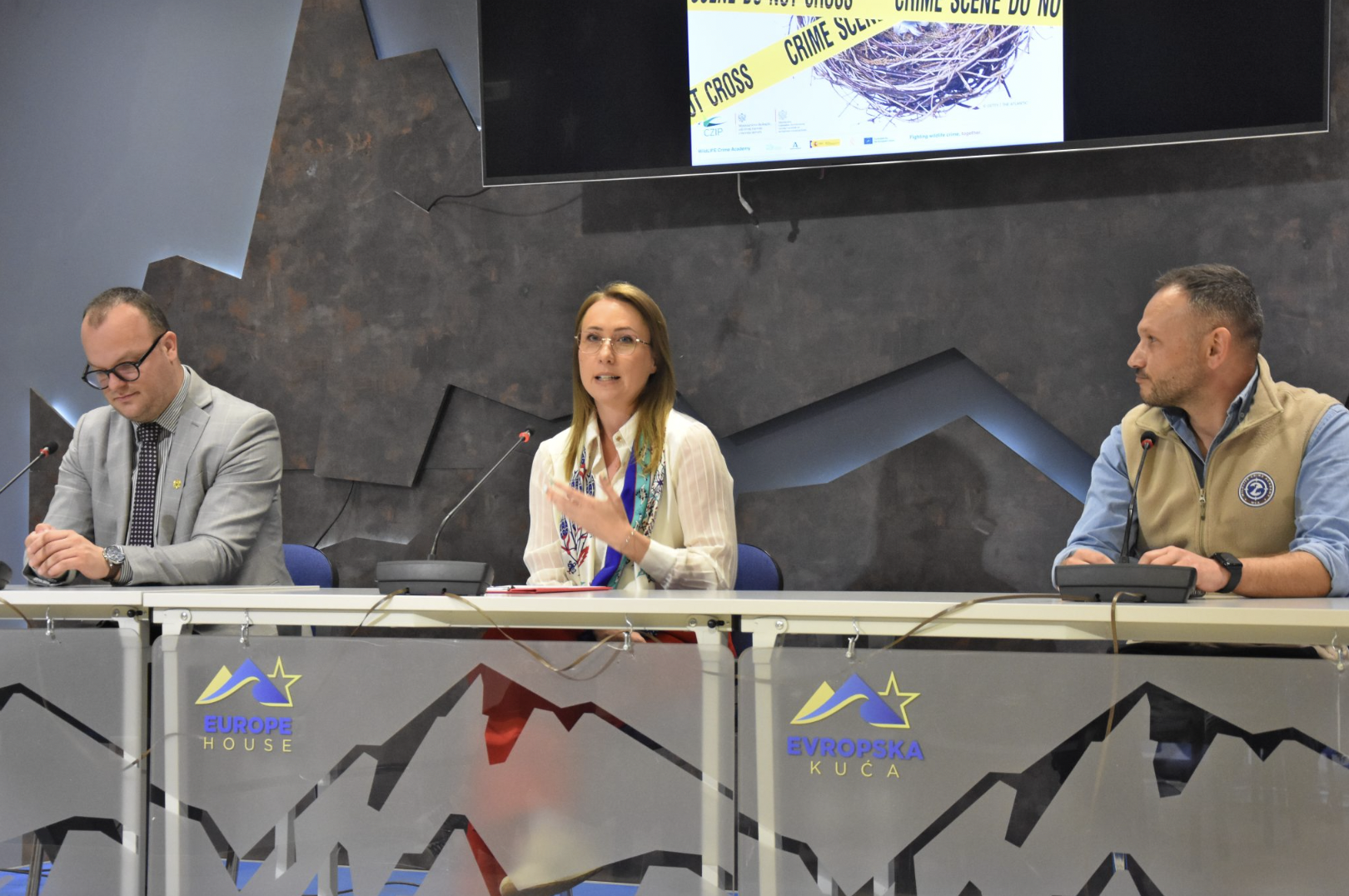
Beyond international courses, the first year has seen important progress at national level. Dedicated national meetings were held in Romania, Montenegro and Slovenia, where authorities and partners are working intensively to establish formal national working groups.
These groups are tasked with drafting national roadmaps and investigation protocols tailored to each country’s legal and institutional context. In Montenegro, this process has already delivered concrete results, with a national action plan formally adopted — a clear example of how the Academy’s work is translating into policy and practice on the ground.
A new digital home for the Academy
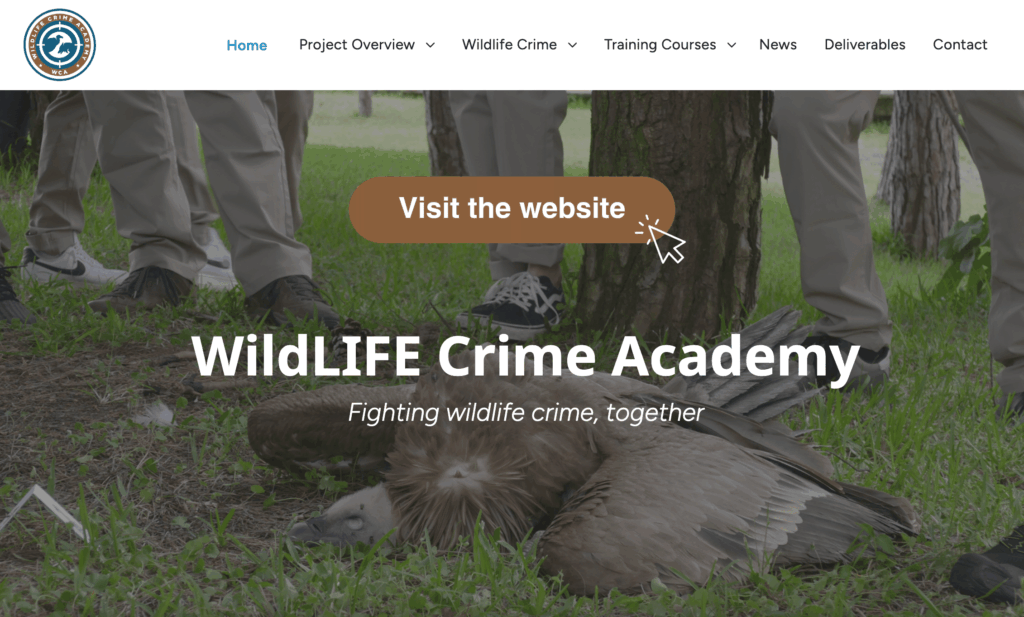
Another key milestone has been the launch of the official WildLIFE Crime Academy website. More than just a communication tool, the website serves as a central hub for the project, offering information on wildlife crime, the training courses, and activities.
It also lays the groundwork for the next major step: a knowledge exchange platform for trained professionals. This upcoming platform will allow alumni to stay connected across borders, access training materials, share experiences and support real investigations — ensuring that learning does not end when a course concludes.
Collaboration at the core
The achievements of the first year would not have been possible without strong collaboration. Strategic partners including the Junta de Andalucía, Spain’s Ministry for Ecological Transition and the Demographic Challenge (MITECO), Guardia Civil, the International University of Andalucía (UNIA), Europol and CMS/MIKT have played a crucial role in strengthening the Academy’s reach, credibility and operational relevance. Also the strong commitment from our partners, Ministry of Environment, Waters and Forests (MMEDIU), DOPPS BirdLife Slovenia, Centar za zaštitu i proučavanje ptica (CZIP) and Taskent Doga Parki (Taskent Nature Park) TNP has been crucial for the successful start.
This multi-sectoral partnership — linking regional authorities, national governments, international institutions and conservation organisations — remains one of the Wildlife Crime Academy’s greatest strengths.
Looking ahead
After its first year, the Wildlife Crime Academy is no longer just a promising initiative — it is an operational, growing network. With trained professionals already applying their skills, national working groups taking shape and international cooperation deepening, the foundations are firmly in place.
The coming years will see further international cohorts, expanded national training programmes and the launch of new tools to support collaboration and intelligence-sharing. Step by step, the Academy is helping to reshape how wildlife crime is investigated and prosecuted, ensuring that those who commit crimes against nature are met with coordinated, professional and effective responses.
The first year has shown what is possible when expertise, political will and cooperation come together. The challenge ahead is to build on this momentum — and the Wildlife Crime Academy is ready to do just that.
WildLIFE Crime Academy is a five-year (2024-2029) EU-funded initiative dedicated to tackling wildlife crime through training, knowledge-sharing, and international cooperation. Led by the Vulture Conservation Foundation, the project has several local partners, including Ministerul Mediului (Romania’s Ministry of Environment, Waters and Forests), DOPPS – BirdLife Slovenia, Centar za zaštitu i proučavanje ptica (Birdlife Montenegro), and Taskent Doga Parki (Taskent Nature Park). The project works across Portugal, Slovenia, Romania, Montenegro, Morocco, Tunisia, Egypt, North Cyprus, and Georgia. By equipping law enforcement, NGOs, and forensic experts with specialized skills and tools, the Academy strengthens investigations and prosecutions against poaching, poisoning, illegal trade, and other wildlife crimes.