Two separate poisoning incidents, one at the Kenya-Tanzania border and one in Burkina Faso, killed 56 vultures in ten days. The authorities are investigating both cases, and suspects have been taken into custody.

Human-wildlife conflict claims victims in the Amboseli National Park
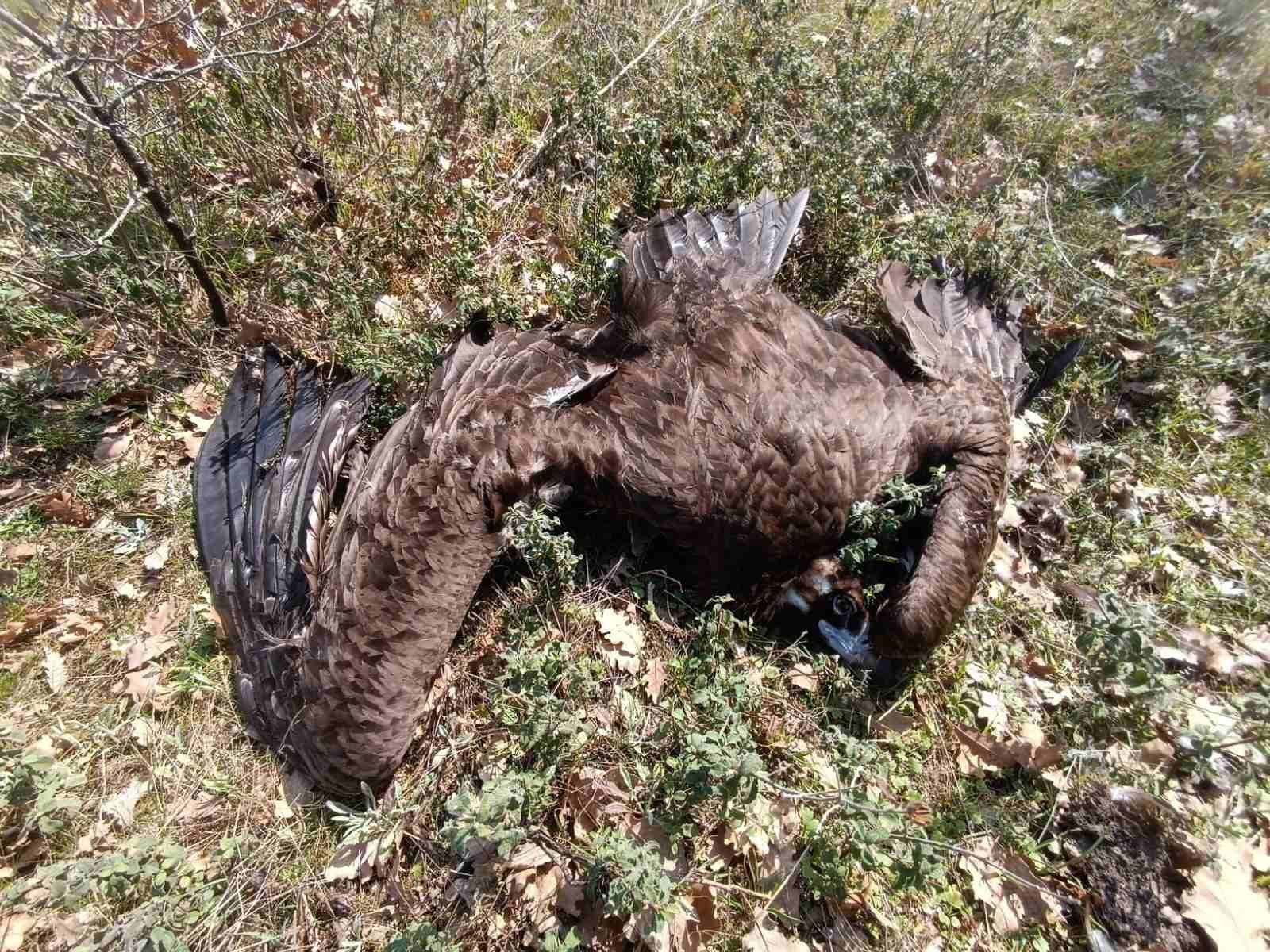
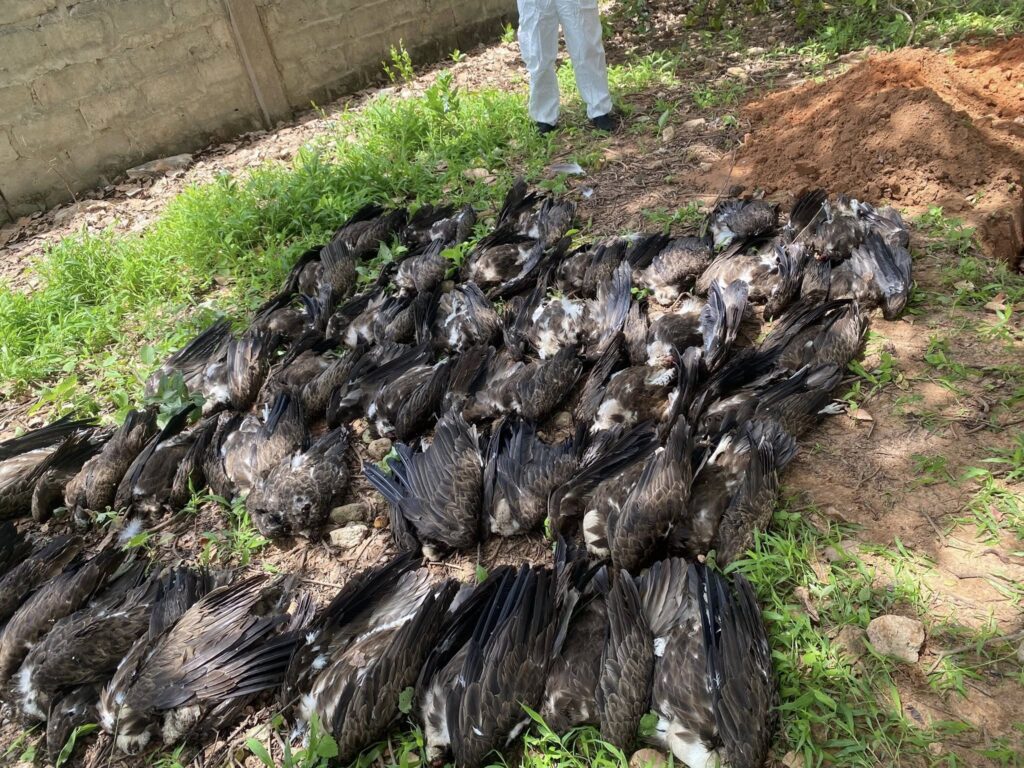
Thirty-four vultures died in the Amboseli National Park at the Kenya-Tanzania border after feeding on a cow carcass laced with poison. According to preliminary investigations, the poisoned bait was intended to kill lions. The animals were targeted after praying on three bulls in a village across the border in Tanzania. The contaminated carcass killed six lions and thirty-four vultures. The authorities describe it as one of the most serious poisoning cases ever recorded in the Amboseli ecosystem.
Hooded Vultures intentionally poisoned in Burkina Faso
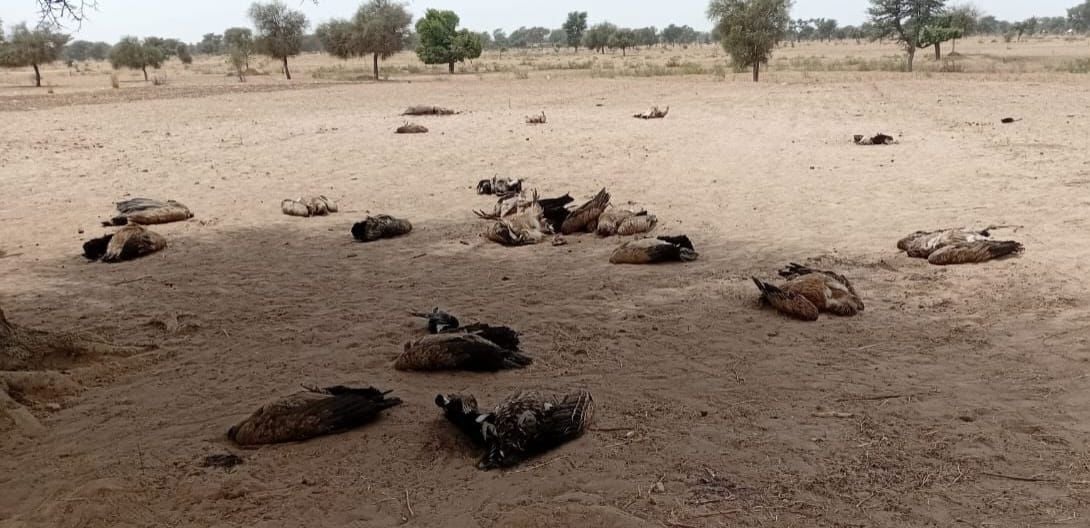
The second devastating incident took place in Burkina Faso. Residents alerted the authorities to a large number of Hooded Vultures (Necrosyrtes monachus) dead near a slaughterhouse. On the site, officers counted twenty-two dead vultures. The initial investigation revealed that the vultures had been intentionally poisoned. The suspect confessed that the birds were to be exported and sold for mystical purposes.
The roots of the conflict
These two tragedies show two of the most common reasons behind poisoning incidents involving vultures. The vultures poisoned in the Amboseli National Park were unintended victims of human-wildlife conflict. In this case, the poisoned bait was intended to illegally manage the presence of lions in the area after a predation incident. Vultures feeding on the poisoned carcass was a tragic incident. Poisoned baits rarely affect only the intended species, and the ecological damage they cause is immense.
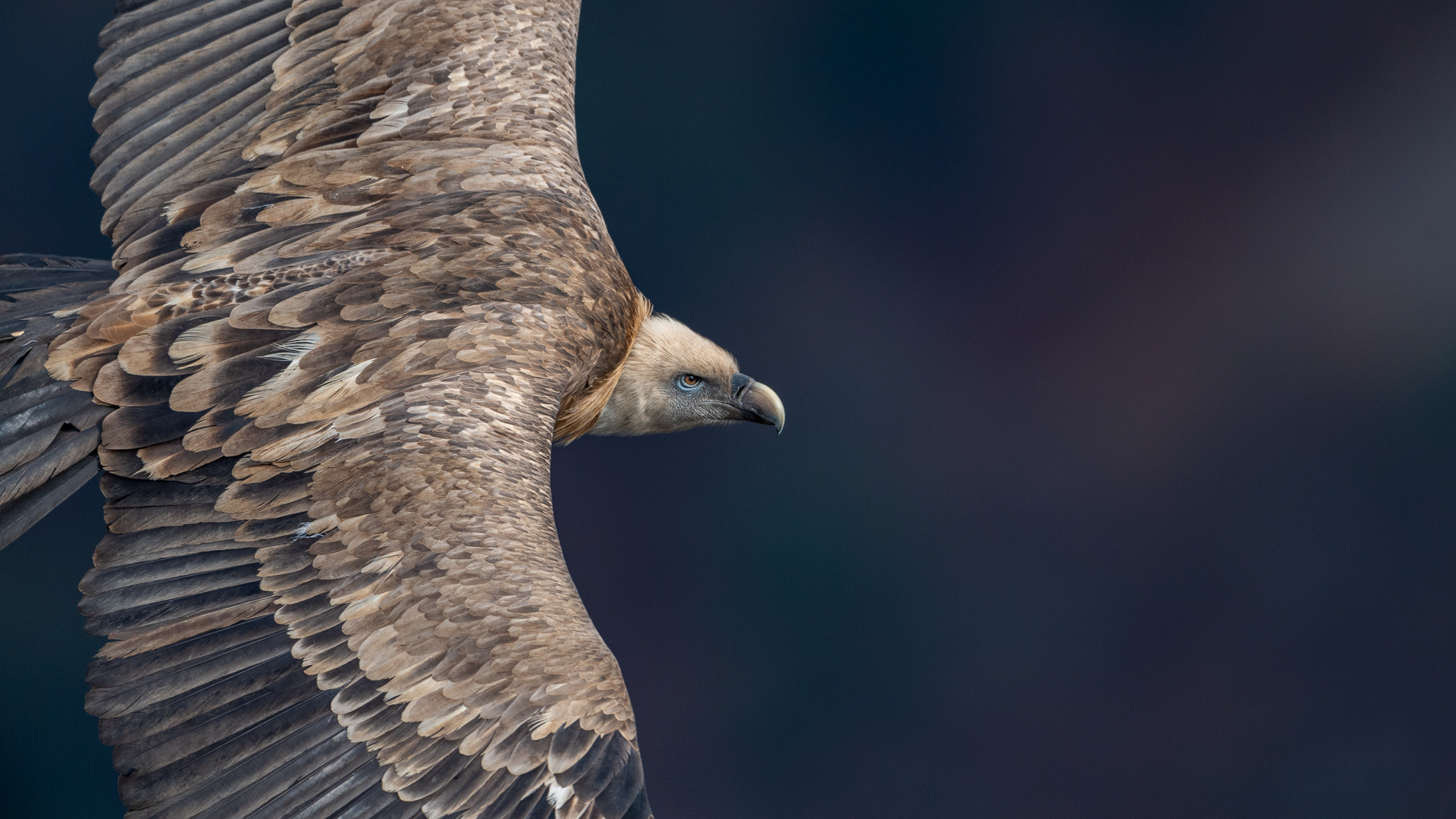
The Burkina Faso case shows another side of the conflict. Vultures were deliberately targeted, and their instinct was used against them. Unfortunately, in some areas of the world, vultures are still victims of misconceptions and are used in mystical rituals. These cultural practices often fuel an underground market that kills hundreds of animals every year, vultures included. In this case, the damage was even more severe because Hooded Vultures are classified as Critically Endangered by the International Union for the Conservation of Nature‘s Red List of Threatened Species. Their population suffered a steep decline of over 65% in less than three generations, with their global population estimated at approximately 130,000 individuals.
A beam of hope
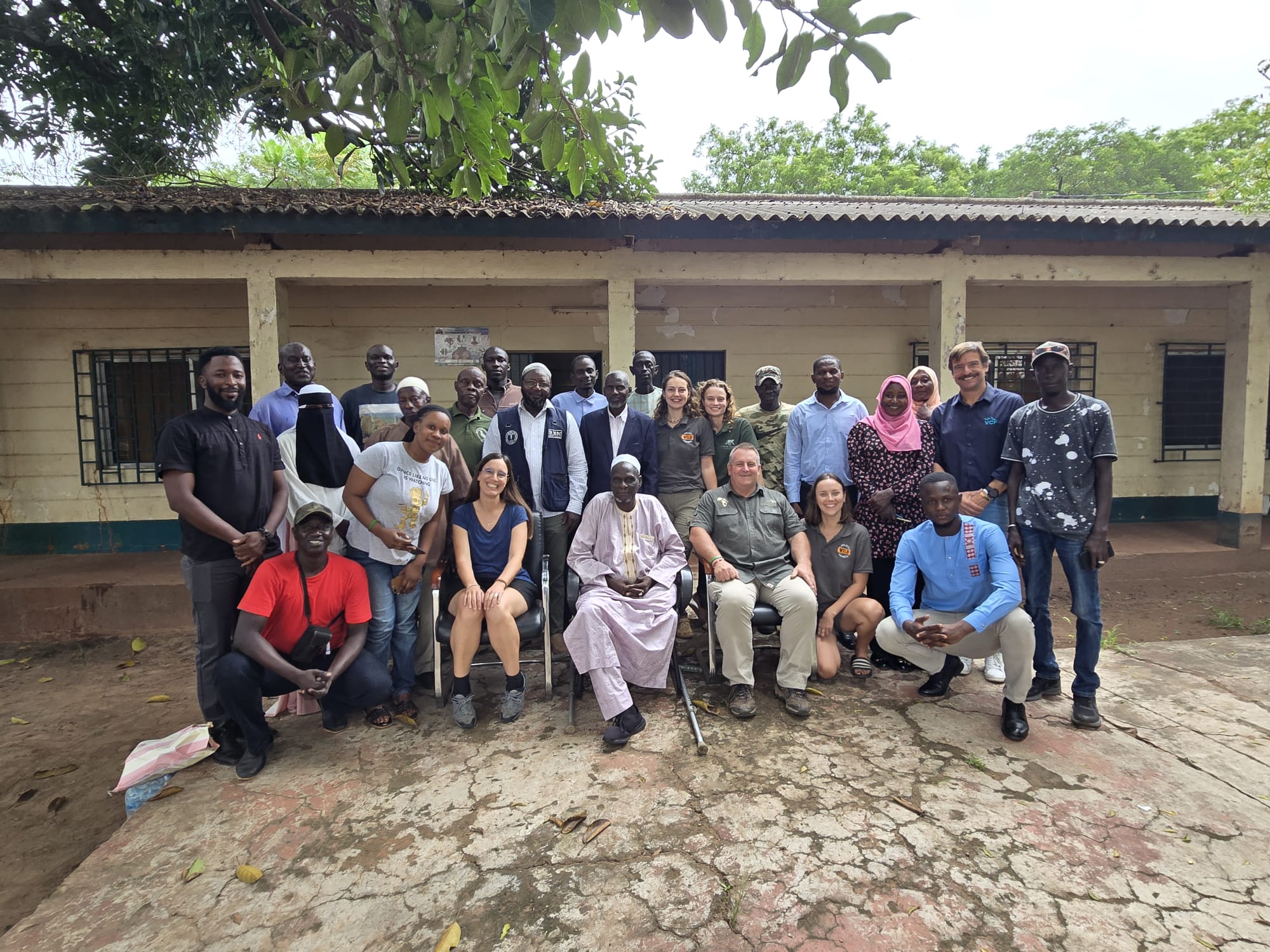
Similar incidents plagued South Africa e The Gambia last summer, killing hundreds of vultures. They triggered an immediate coordinated international response to protect vultures. An international mission, in collaboration with the local government, reached The Gambia to strengthen the local authority’s capacity to intervene against wildlife crime. The mission was incredibly successful and showed that the international community unanimously condemns these actions and is ready to act as one to protect vultures worldwide.
Vultures are a cornerstone of their ecosystems. Losing so many individuals of endangered species jeopardizes decades of conservation actions and has far-reaching consequences on local ecosystems. Despite the tragedy, we want to thank the authorities for their swift response and the residents for their collaboration in the investigations. These decisive actions led to finding the suspects and preventing further losses. Protecting vultures is a collective effort. Last year’s mission in The Gambia showed us the power of networking and collaboration. Today, more than ever, we have the capacity to build unified protocols to target and mitigate human-wildlife conflict and prevent these tragedies from happening.