A soft release programme of the LIFE Aegypius Return project has already completed the acclimatisation of ten Cinereous Vultures (Aegypius monachus) in the Douro Internacional Natural Park, in Northern Portugal. With just a few weeks to go before another group arrives, let’s find out where these birds are.
A – The founding group
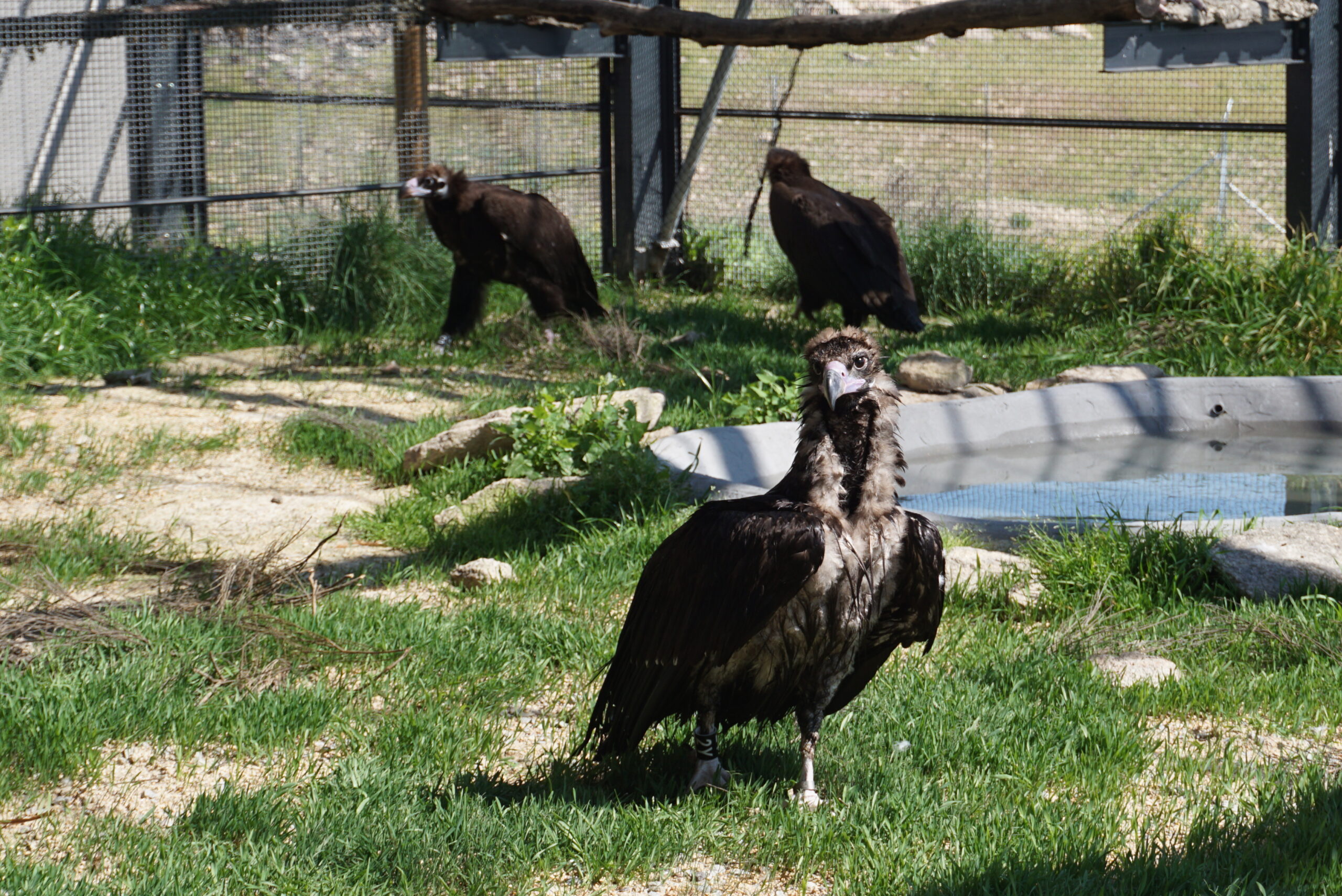
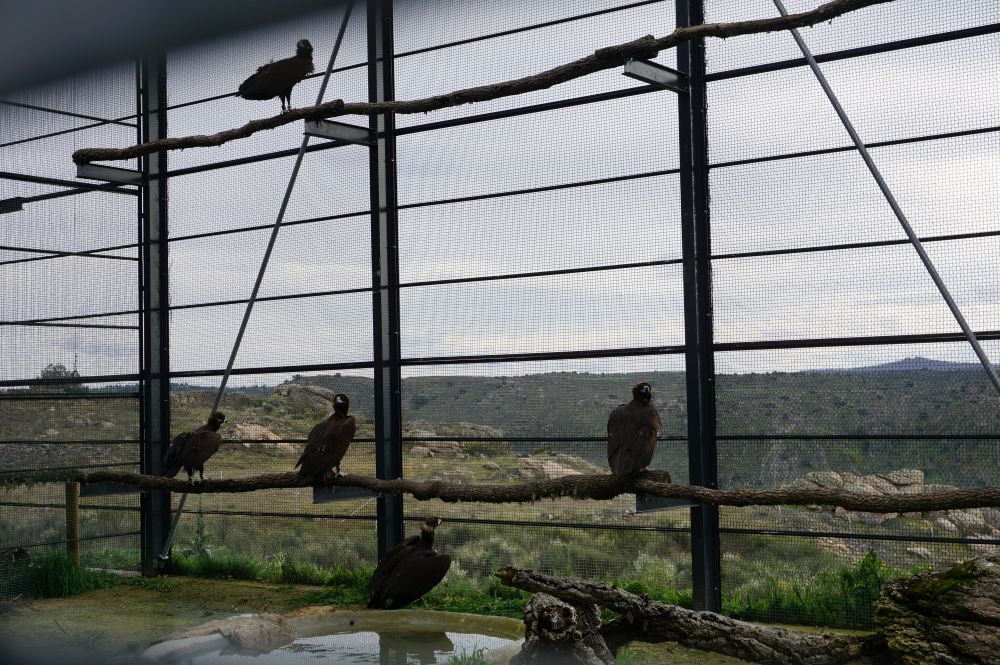
The Douro Internacional acclimatisation station was inaugurated in May 2024 with four juvenile Cinereous Vultures rescued from various parts of the country and rehabilitated in different Wildlife Rehabilitation Centres. Six months later, in November, the aviary was opened and the vultures were free to leave. However, they only left after a curious episode, encouraged by a wild Griffon Vulture (Gyps fulvus) and another Cinereous Vulture from the outside.
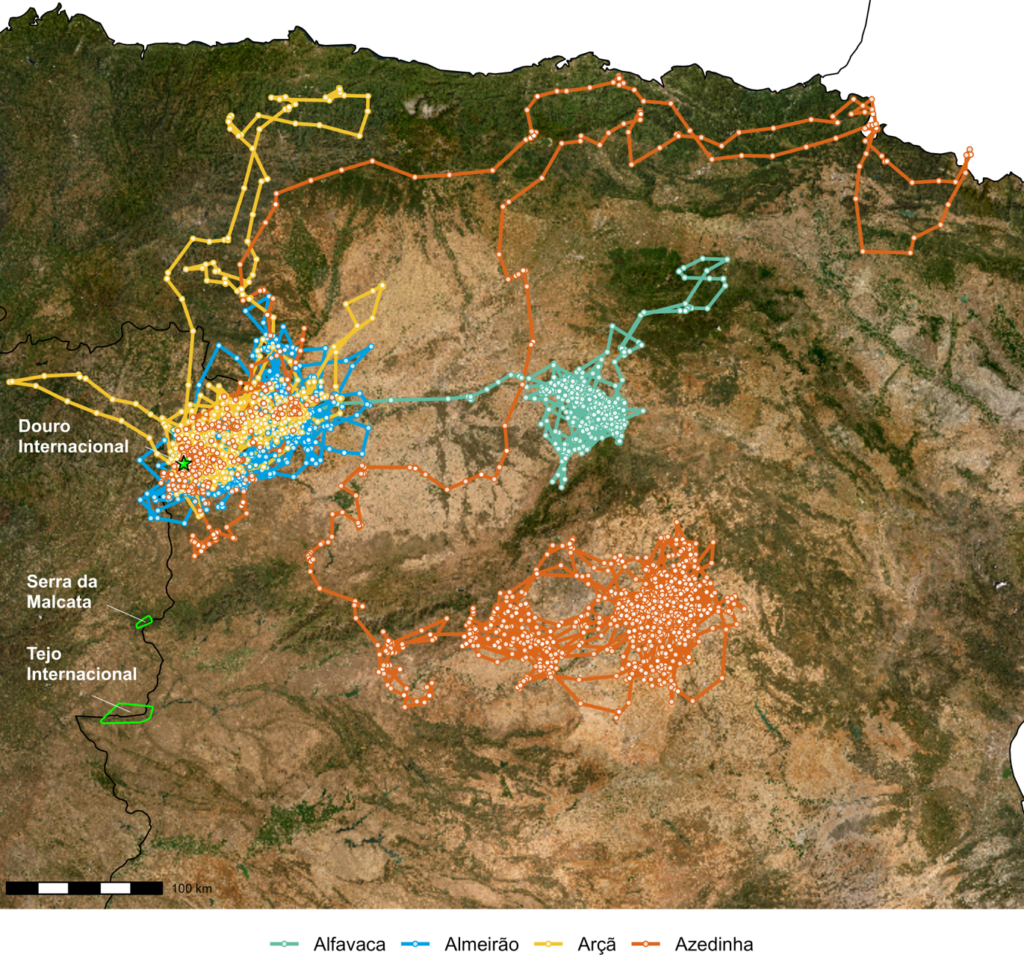
All the Cinereous Vultures in this founding group of the soft release programme were given names beginning with the letter A, for easy reference. Arçã, Alfavaca, Azedinha e Almeirão, three females and one male, are monitored daily via movements transmitted by the GPS/GSM transmitters they are equipped with. All are alive and apparently healthy.
Since its release, Azedinha made a large movement towards the western Pyrenees, later moving to central Spain (north of Madrid), where she has remained since June 2025. Alfavaca also moved away from the Douro Internacional area, spending the last year in the Hoces del Río Riaza Nature Reserve in the province of Segovia. Arçã made a noteworthy movement north to Somiedo but, like Almeirão, has generally stayed in the Douro Internacional region, occasionally exploring the Spanish landscapes as far as Zamora.
Arçã e Almeirão have been inseparable; they often feed and land in synchronous movements and, recently, they have begun to exhibit behaviour that may indicate the start of nest-building activity. We hope they succeed as a breeding pair, contributing to the reinforcement of the fragile Douro population.
B – The class of 2025
In 2025, the LIFE Aegypius Return acclimatisation programme included six Cinereous Vultures: four males and two females, also juveniles rescued and rehabilitated across the country. They began their acclimatisation in March and, by the time of release, in October, had been named with the letter B: Baga, Bétula, Bolacha, Branco, Brisa, e Bruçó.
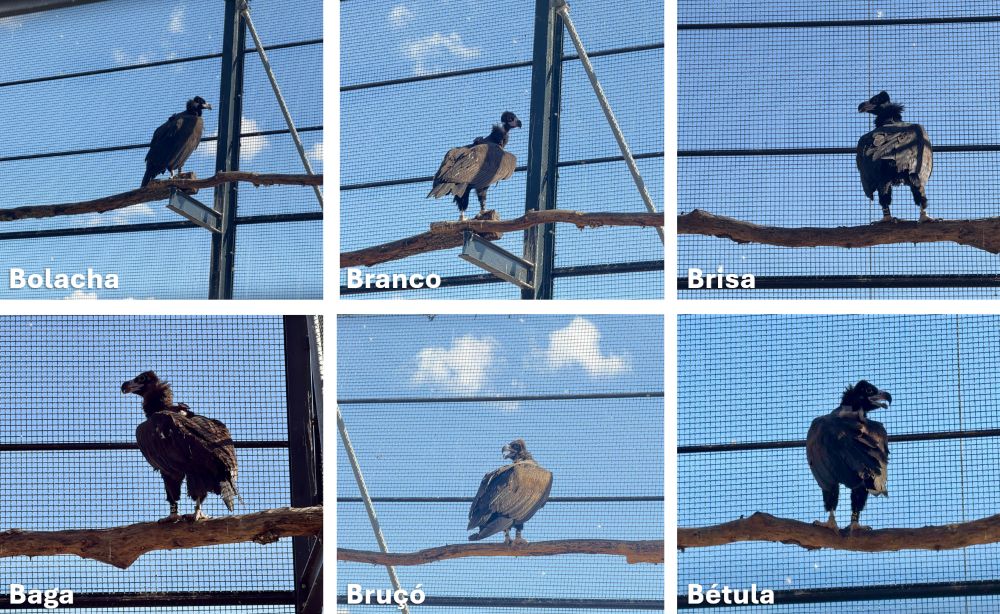
In August, this group had to be temporarily transferred to the facilities of CIARA (Centre for Environmental Interpretation and Animal Recovery), in Felgar, as a precaution due to the fire that broke out in the Douro Internacional Natural Park and caused extensive damage to the acclimatisation station. Fortunately, acclimatisation was resumed in September with no consequences for the six Cinereous Vultures.
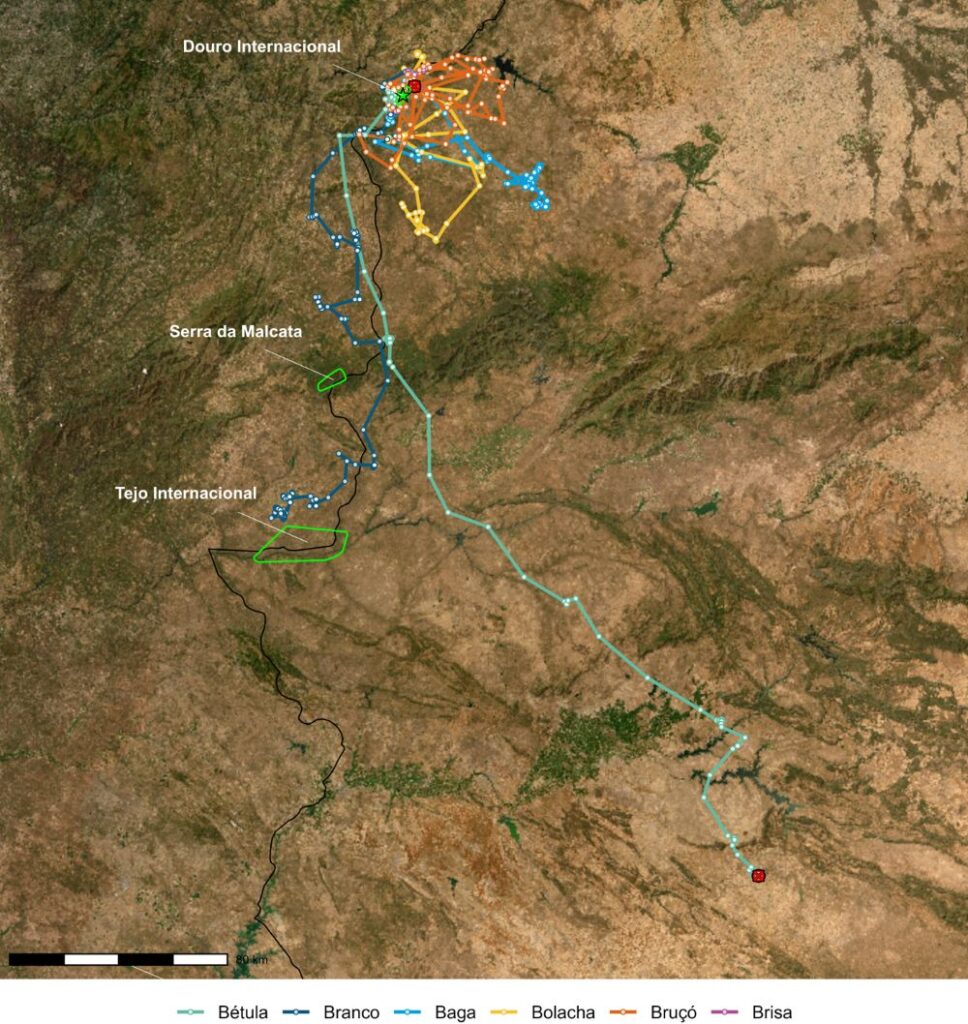
Since their release, they have remained relatively close to the Douro region, and have made a few visits to Spanish territory. One individual, Branco, ventured further south, towards the breeding colony of the Tejo Internacional. Bétula flew to Andalusia, from where it did not return.
Two deaths
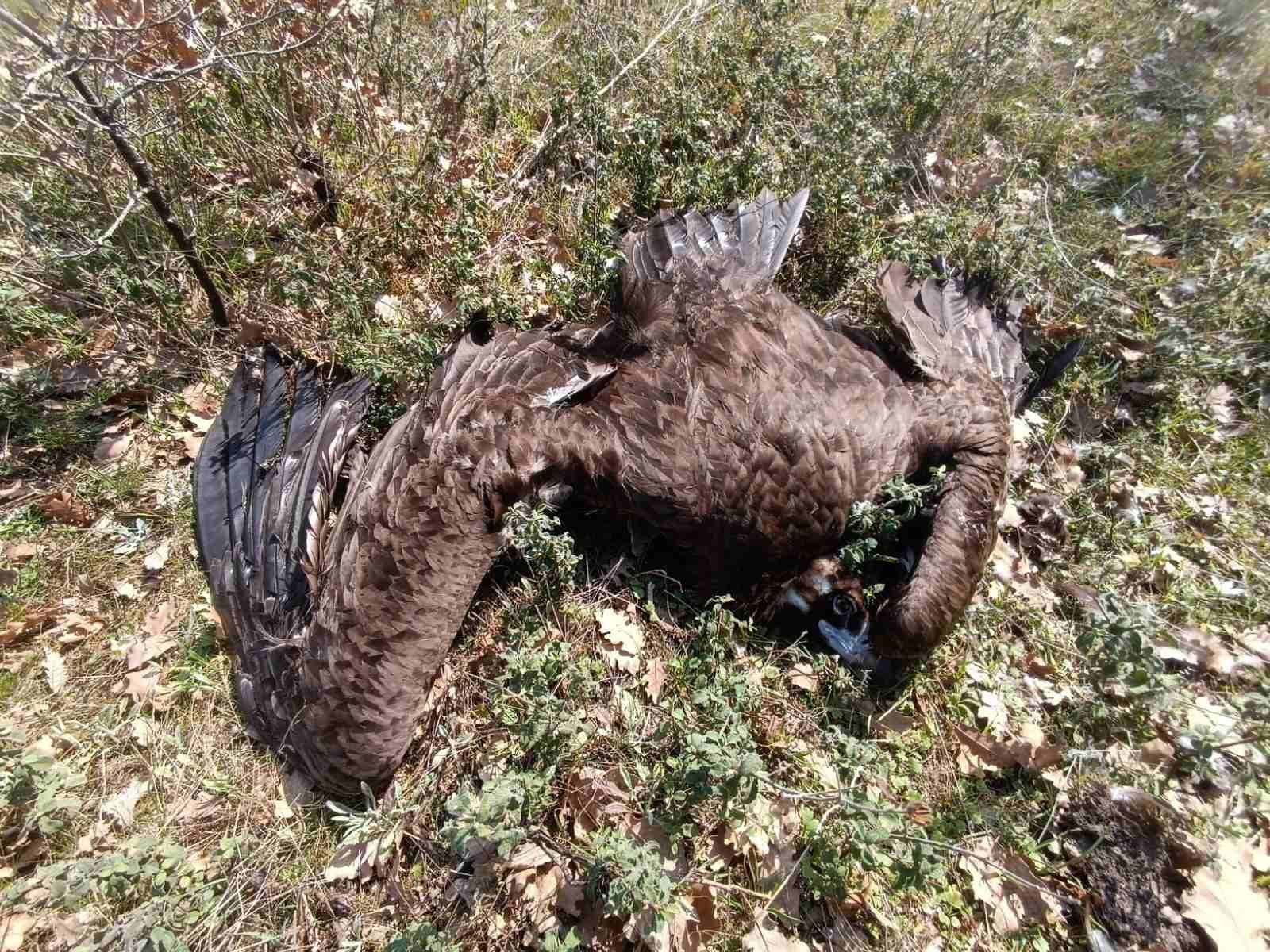
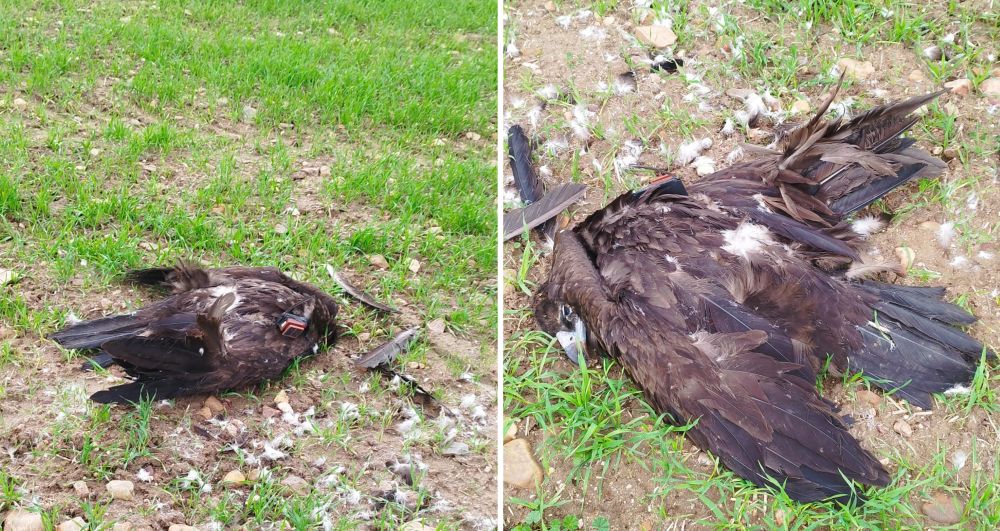
Unfortunately, the males Brisa e Bétula died.
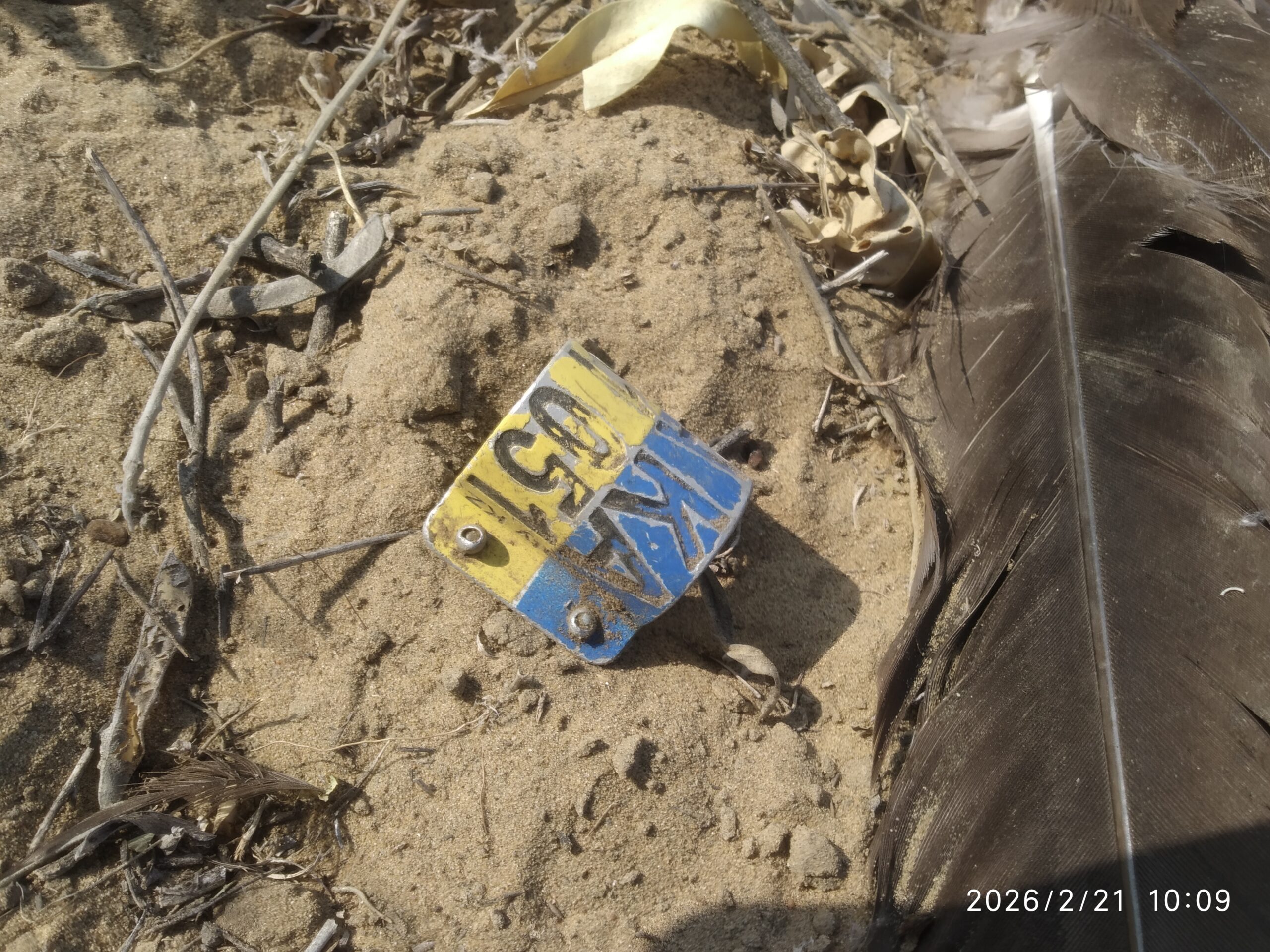
Brisa died on 15/11/2025 from a collision with a high-voltage power line near the supplementary feeding station (muladar) of Aldeadávila, Spain. The carcass, recovered by the Agentes Medioambientales from the Junta de Castilla y León, was transferred to the CRAS Valladolid for a necropsy, which confirmed the cause of death. This power line had been previously identified as hazardous, due to the proximity with the feeding station. Despite prior contact with the Spanish authorities and the electricity company, which led to corrective marking measures, deaths continue to occur. Consequently, authorities are currently in the process of deactivating supplementary feeding stations located near the power line to prevent further fatalities.
Bétula died on 10/12/2025 near Belalcázar (Andalusia, Spain), for reasons that remain under investigation. GPS data indicated a likely mortality event after the bird remained active in the same area for 18 consecutive days. Local authorities and the Junta de Andalucía were contacted; the carcass was recovered and sent to CAD (Centro de Análisis y Diagnóstico de la Fauna Silvestre) in Málaga for necropsy and toxicological analysis.
What is acclimatisation for?
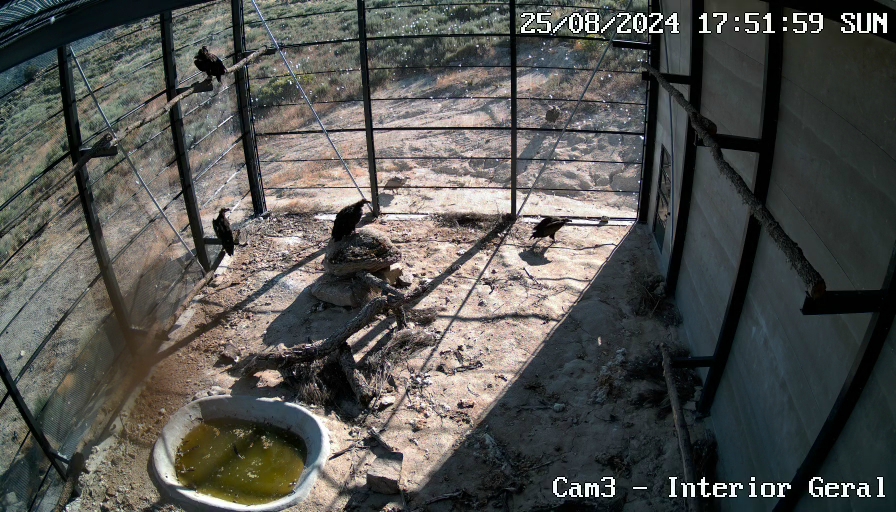
Acclimatisation is a period during which birds become accustomed to a specific region – in this case the Douro Internacional – and is part of a process generally known as soft release.
Soft-release programmes have been applied in various regions of Europe and are well-documented and tested with several vulture species. Compared to other techniques used in conservation programmes, soft-release encourages birds to remain faithful to the release area, increase the survival rates of the released birds, and is a recommended procedure for accelerating settlement and increasing the viability of a population.
In LIFE Aegypius Return, the Cinereous Vultures entering acclimatisation are juveniles coming exclusively from Portuguese Wildlife Rehabilitation Centres. These are birds that were born and developed in the wild but had to be recovered due to injury or weakness before establishing a breeding territory (which in Cinereous Vultures only happens at five or six years of age). Following their rehabilitation, instead of being directly returned to nature, they are sent for acclimatisation lasting between five and nine months. After this period, they are released by opening the aviary without human contact, in the hope they will remain in the release region and establish their nesting territory there. The Douro Internacional region holds the smallest, most isolated, and vulnerable colony in Portugal, which suffered a severe setback during last August’s fires; soft-release is thus a vital contribution to its population reinforcement.
Progress of the soft-release programme is published annually in reports available on the LIFE Aegypius Return project website. The 2025 report is available here.
Acknowledgements
In February, a new group of Cinereous Vultures, currently in rehabilitation, will join the acclimatisation programme. The LIFE Aegypius Return partners would like to thank all the people and entities that make this conservation action possible, in particular the Institute for Nature Conservation and Forests (ICNF) and all the Wildlife Rehabilitation Centres.
Thanks are also due to the Spanish authorities, laboratories, and the technicians and agentes de medio ambiente of the Juntas de Castilla y León, Extremadura and Andalucía for their constant cooperation with the project, from field rescues to clinical and forensic investigations.
About the LIFE Aegypius Return project

The LIFE Aegypius Return project is co-funded by the European Union’s LIFE programmeO seu sucesso depende do envolvimento de todos os stakeholders relevantes, e da colaboração dos parceiros: a stakeholders and the collaboration of the partners: the Vulture Conservation Foundation (VCF), the coordinating beneficiary, and local partners Palombar – Conservation of Nature and Rural Heritage, Herdade da Contenda, the Portuguese Society for the Study of Birds, the League for the Protection of Nature, the Transhumance and Nature Association, Fundación Naturaleza y Hombre, the National Republican Guard e the National Association of Rural Owners of Game Management and Biodiversity.