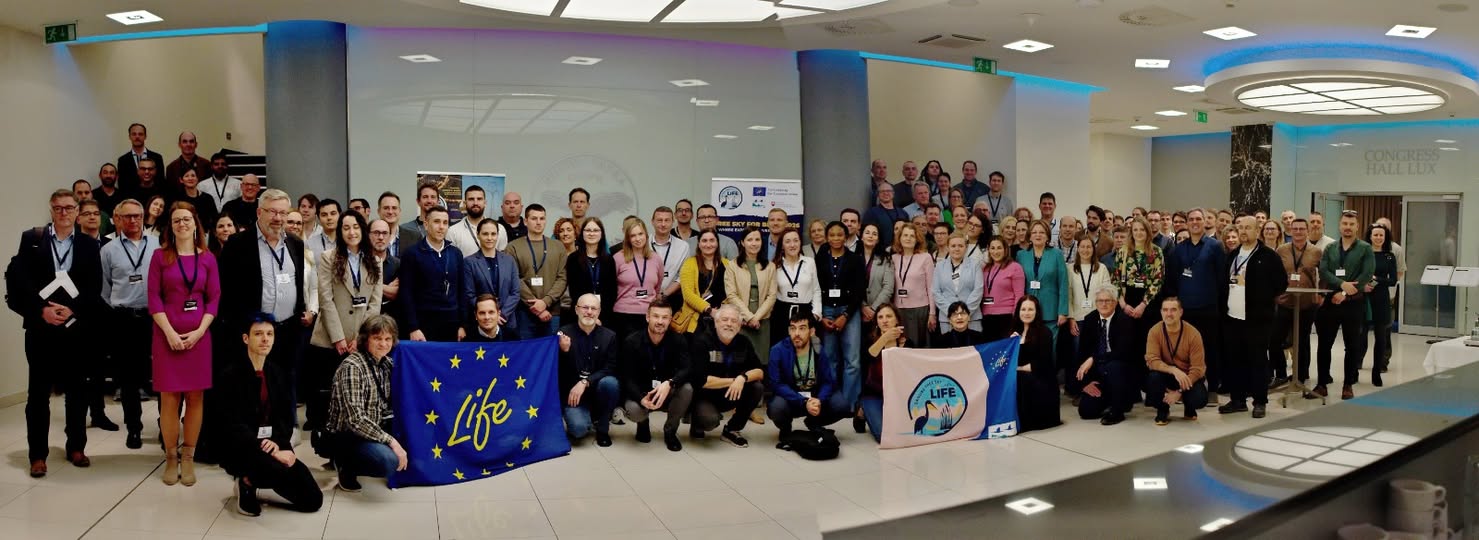
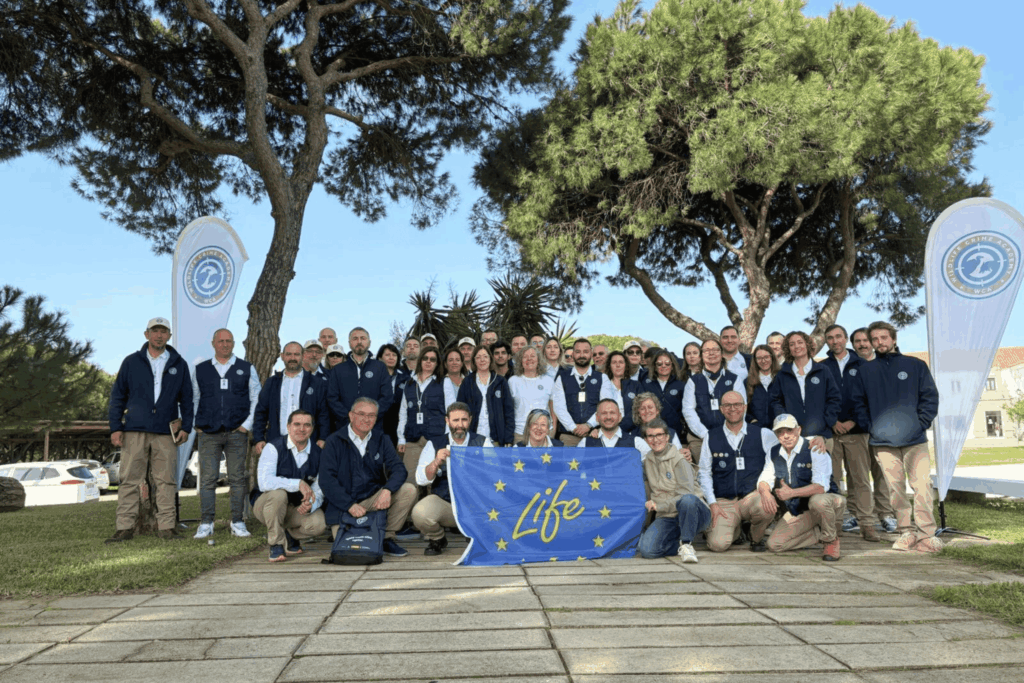
The international effort to treat wildlife crime as a serious and prosecutable offence continues to grow. From 24–26 February 2026, 35 enforcement officers, forensic specialists, prosecutors and conservation practitioners gathered in Huelva, Spain, for the Wildlife Crime Academy’s Level 1 training for Cohort 4.
The training brought together professionals from across Europe to strengthen the skills needed to investigate wildlife crime effectively and ensure offenders face prosecution.
Wildlife crime ranks among the world’s largest transnational criminal activities, generating billions of dollars annually while driving biodiversity loss, fuelling corruption and threatening public health. Yet inconsistent enforcement means offenders frequently walk free. The Academy exists to change that.
From crime scene to courtroom
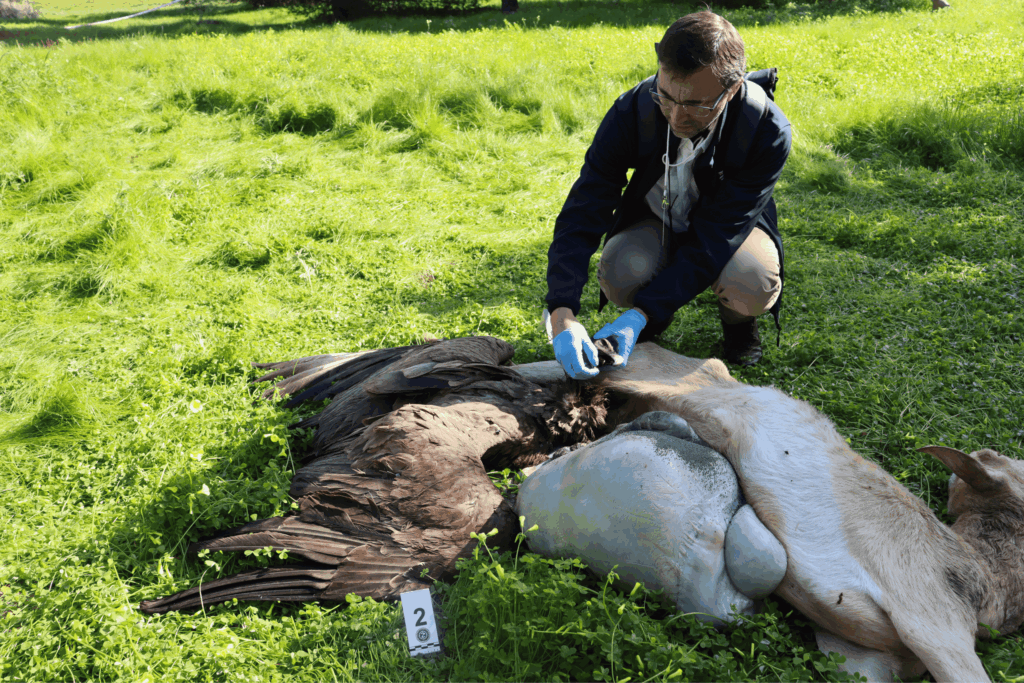
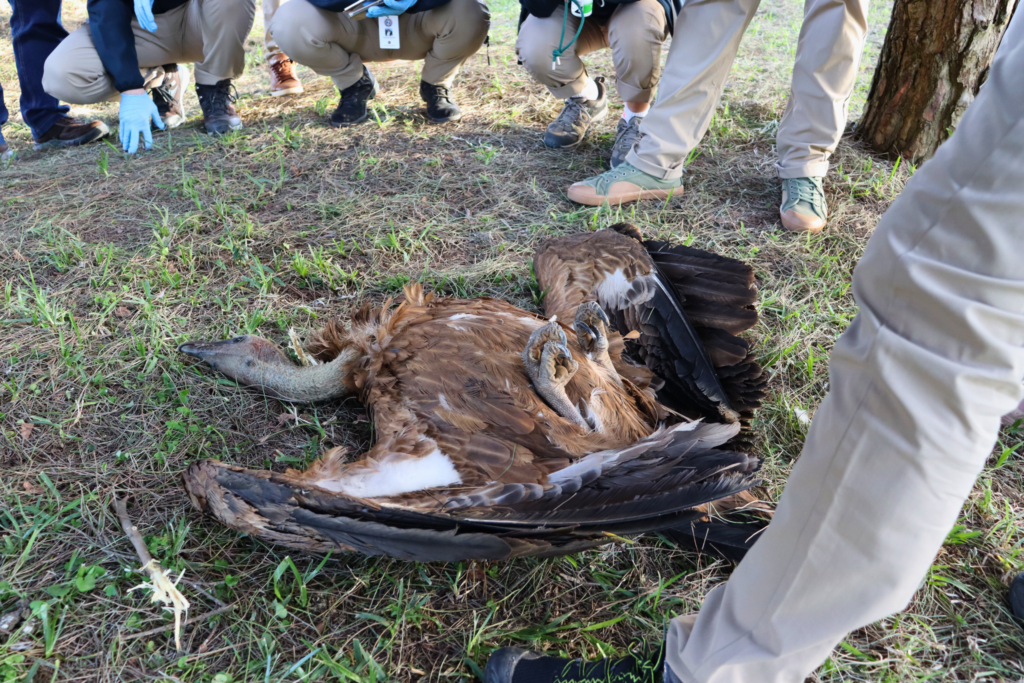
Over three intensive days, participants built skills across the full arc of a wildlife crime investigation, covering offences including illegal shooting, poisoning, trafficking, illegal trapping, and electrocution and collision.
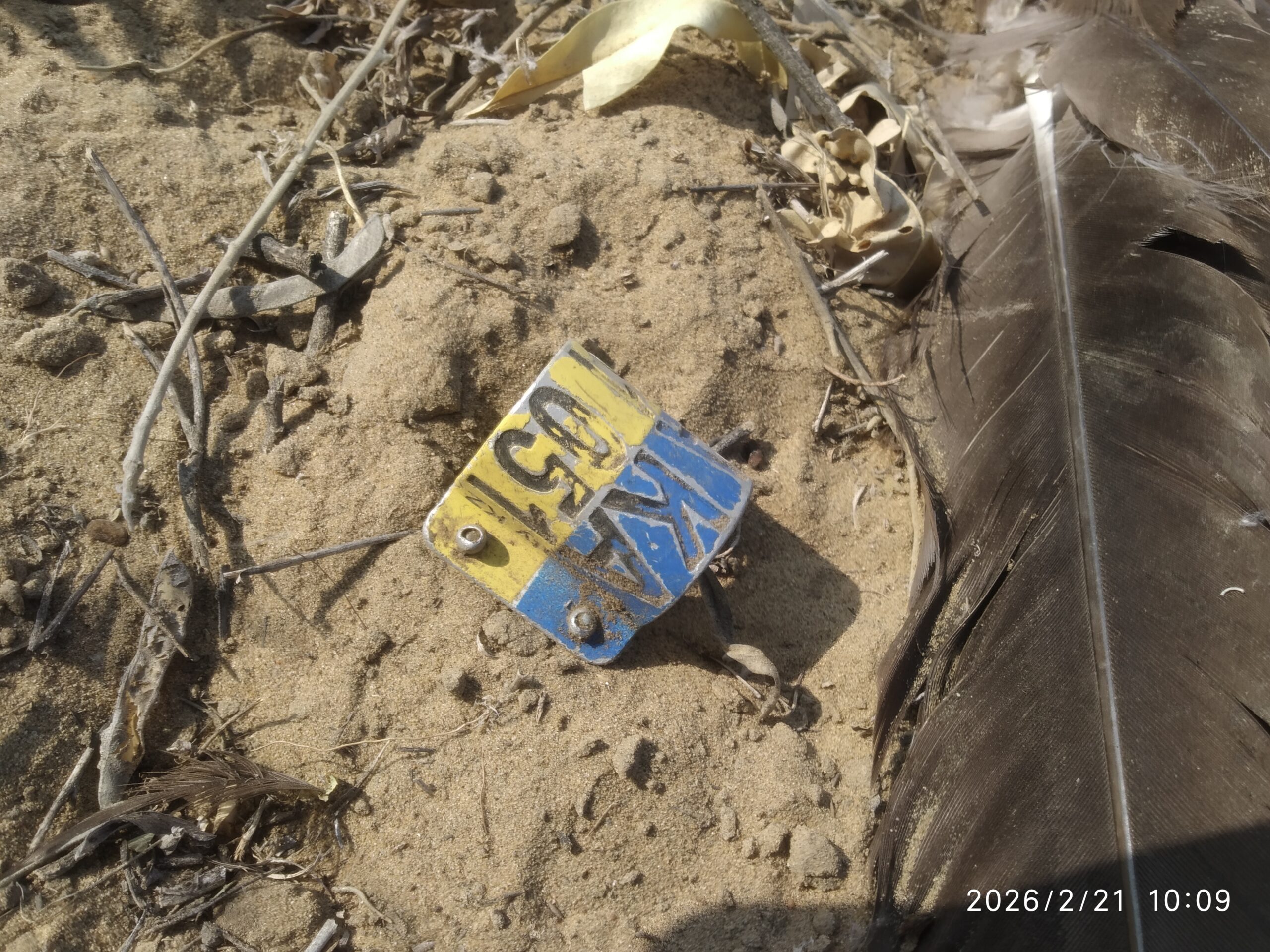
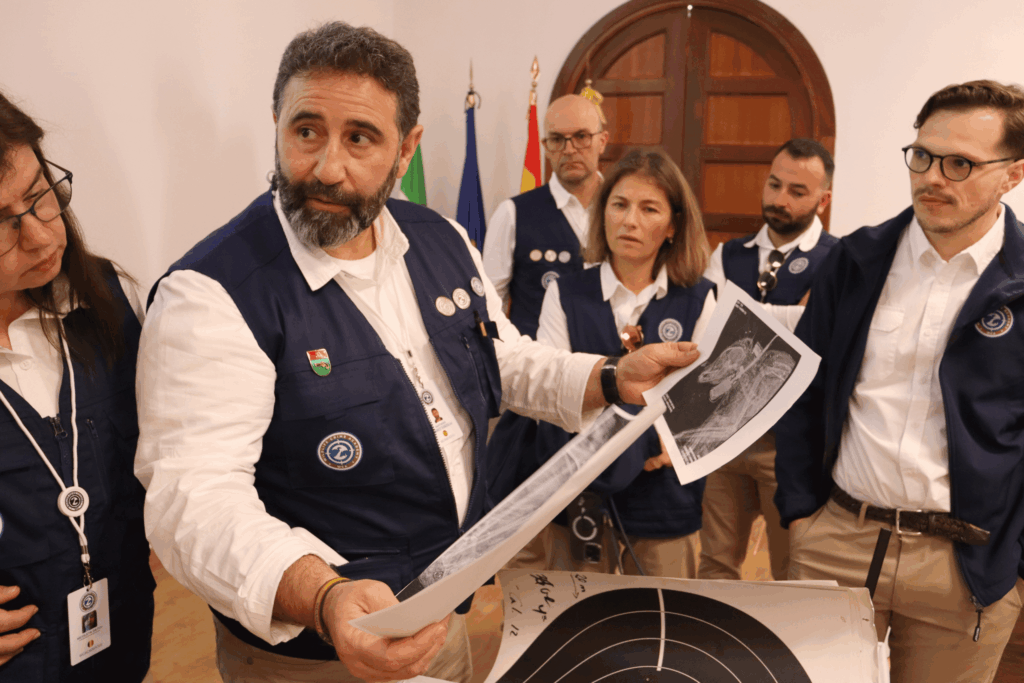
Classroom sessions were paired with field exercises designed to mirror real investigations, where participants practised crime scene assessment, forensic sample collection and evidence documentation, alongside the legal procedures needed to ensure findings hold up in court. Additional sessions covered firearms and ballistics basics, interview techniques, and methods for analysing poisoning trends.
The cohort also marked a milestone for the Academy’s geographic reach. Romania and northern Cyprus joined the programme for the first time, while returning participants from Portugal, Montenegro, Slovenia and Spain continued to strengthen national capacity and cross-border collaboration.
Enforcement that works
The Academy’s approach is grounded in proven results. In Andalusia, coordinated investigation and prosecution of wildlife poisoning cases contributed to a reduction of more than 90% in incidents over 20 years. Professionals from the Junta de Andalucía, whose work drove that success, now serve as trainers within the programme.
The Academy has also partnered with the Universidad Internacional de Andalucía to co-organise all courses and provide certificates recognised by the university.
“It is truly inspiring and deeply motivating to witness how the Wildlife Crime Academy community continues to grow. What started as an idea has now become a network that spans more than 20 countries, bringing together over 130 professionals who have been part of the Academy. Each one of them shares the same commitment and determination to fight the illegal practices that threaten wildlife.
When you see this community of motivated and dedicated experts working together, exchanging knowledge and supporting one another, it gives you real hope. It reminds us that solutions to wildlife crime do exist — and that they lie in the hands, passion, and collaboration of these 130 incredible professionals who refuse to accept wildlife crime as inevitable.”
– Jovan Andevski, Conservation Director, Vulture Conservation Foundation
Acknowledgments
EU-funded by the LIFE Programme, the WildLIFE Crime Academy project is led by the Vulture Conservation Foundation, with strategic support from:
- Junta de Andalucía/ Regional Government of Andalusia
- Spain’s Ministry for Ecological Transition (MITECO)
- Guardia Civil – Spanish Police
- Europol
- CMS/MIKT – Convention on Migratory Species
- BirdLife International trough IKB initiative
- International University of Andalucía
- The governments of all participating countries
Download the press release