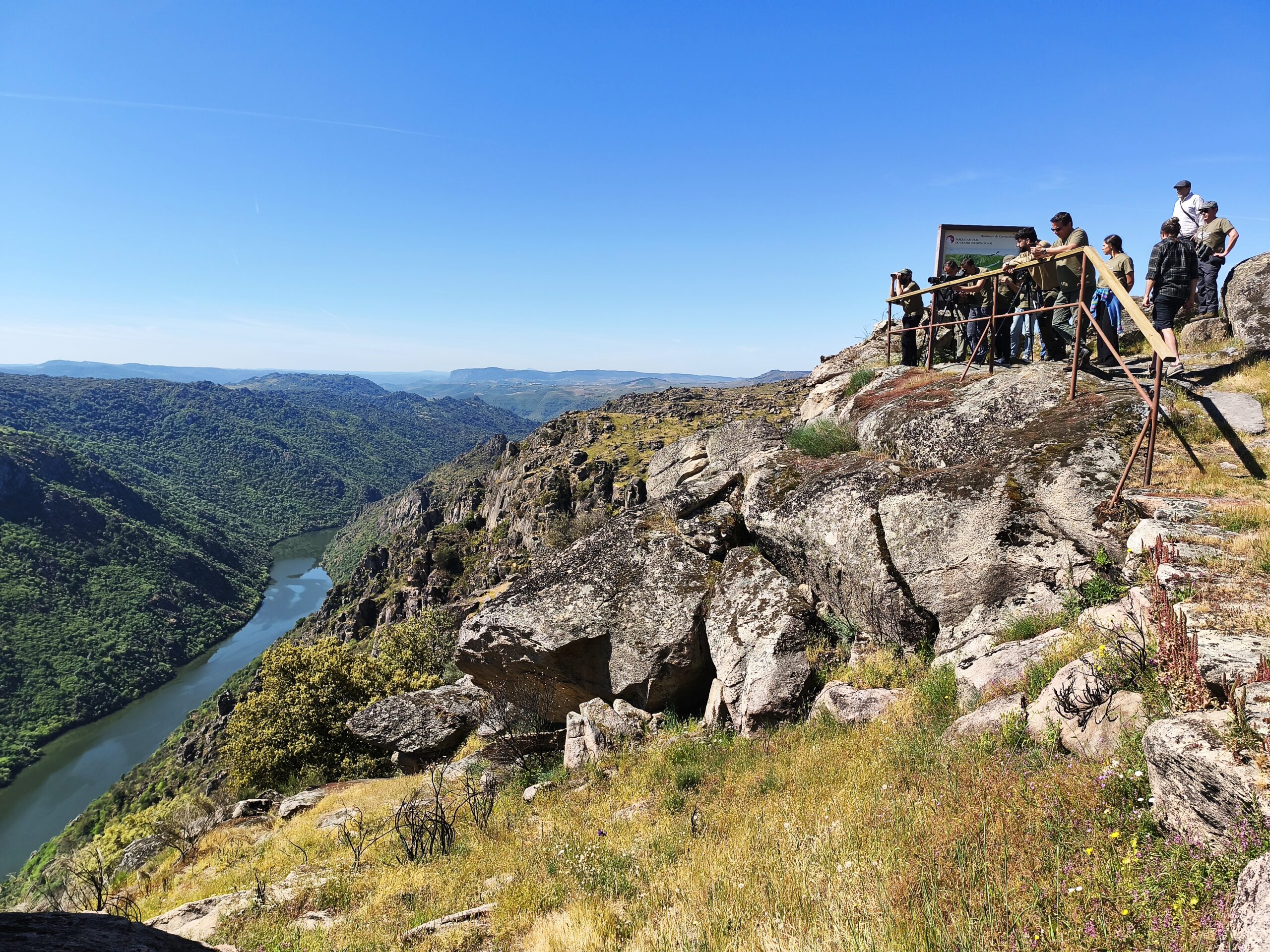
The LIFE Aegypius Return project presented the diplomatic and scientific approach adopted in Portugal to harmonise the energy transition with the protection of biodiversity.
Electrical infrastructure is a major cause of bird mortality
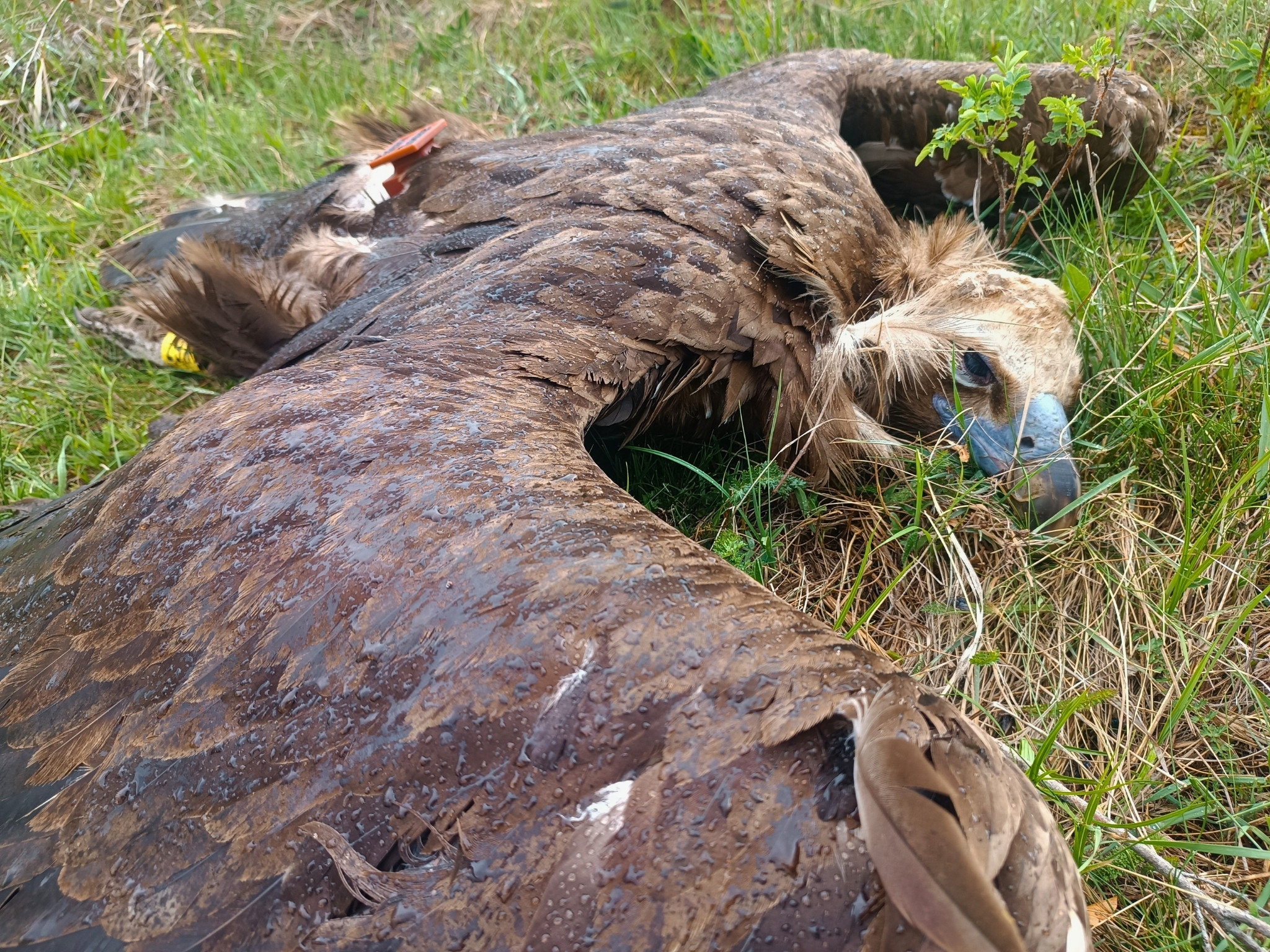
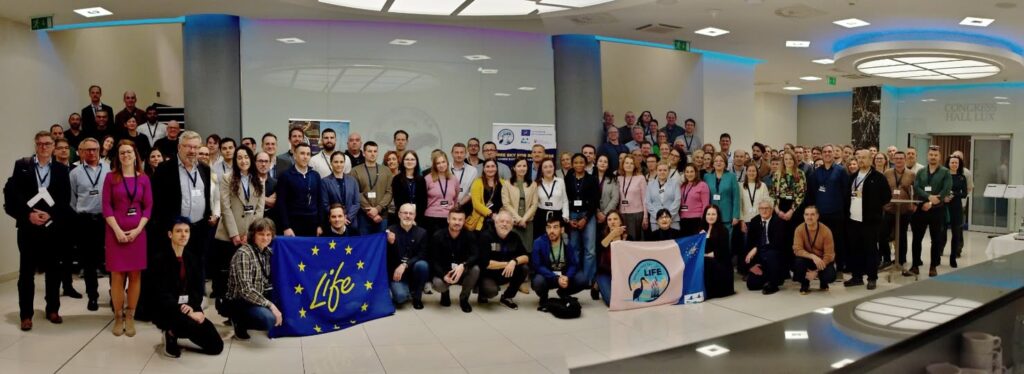
Electrical infrastructure – including transmission and distribution lines and their supporting structures – represents one of the greatest threats to bird conservation worldwide, causing the deaths of millions of birds from various species every year. Large birds, such as birds of prey and scavengers, which often face fragile conservation statuses, are among the most common victims.
Mortality caused by these structures is essentially due to two phenomena:
- Collision: Occurs due to the difficulty birds have in visualising conductor and earth wires in their frontal field of vision, which is why these cables must be properly marked.
- Electrocution: Happens when birds use the pylons as perches or nesting sites, establishing contact between different live components (phases) or between a conductor and the earthed structure.
Various European projects (e.g. LIFE PowerLines4Birds, LIFE SafeLines4Birds, LIFE Danube Free Sky) have been tackling these threats by detecting critical mortality hotspots and subsequently installing anti-collision devices (diverters) and insulating dangerous pylons. With the acceleration of the energy transition, the increase in renewable energy projects and their respective transport networks makes it urgent to develop technical solutions that minimise the impact on wildlife and the ecological functionality of the landscape
Free Sky for Birds 2026 Conference
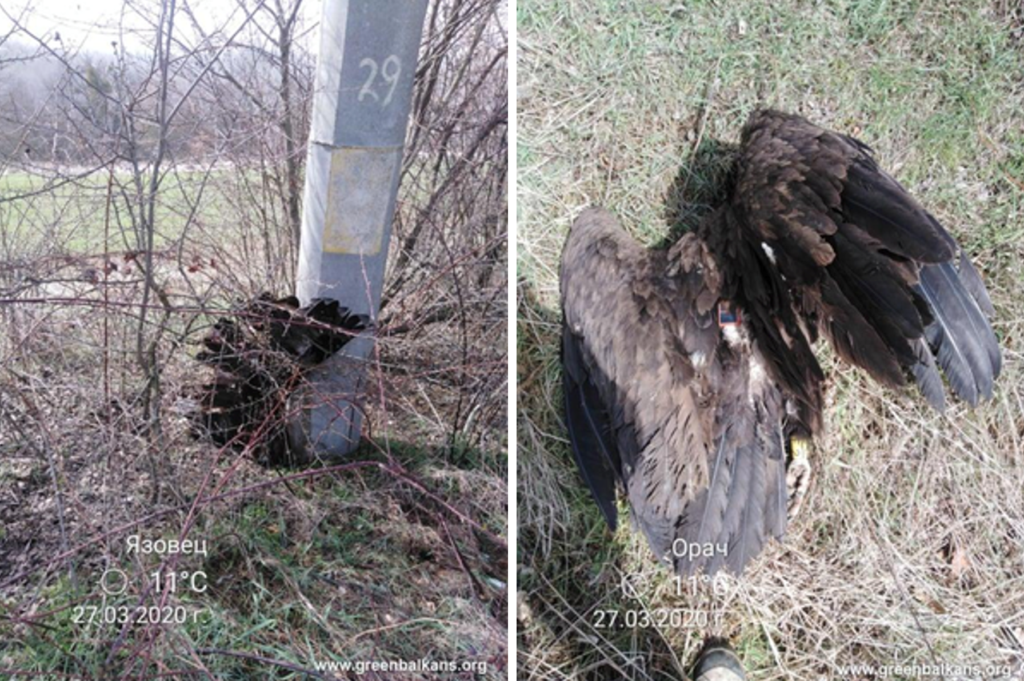
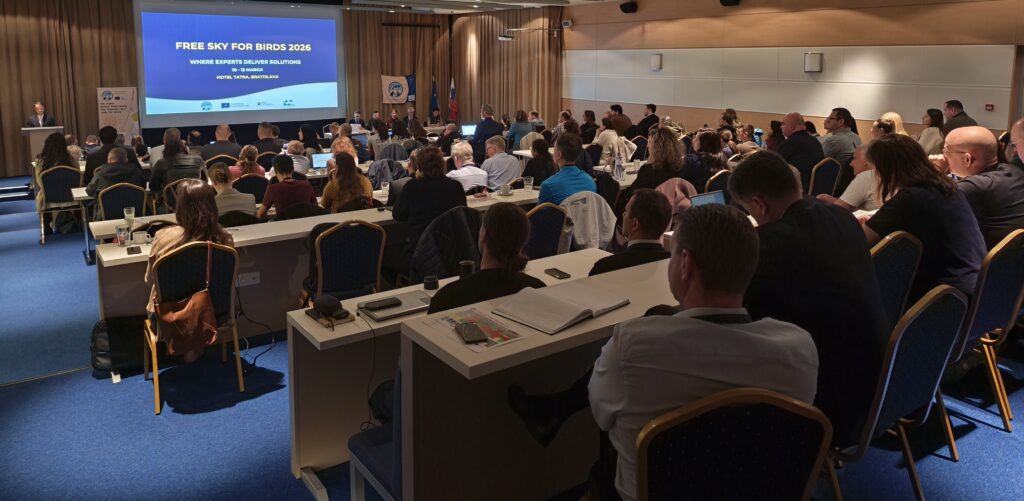
Bratislava, the capital of Slovakia, hosted this benchmark event for discussing mitigation solutions. The Free Sky for Birds 2026 Conference brought together over 140 experts from 24 countries, representing environmental non-governmental organisations (ENGOs), universities and research centres, government agencies, energy sector companies, electrical equipment and infrastructure producers, and manufacturers of technical solutions to minimise collision and electrocution incidents.
The objective of the conference was to gather different perspectives, exchange experiences and knowledge, share technological progress, and promote cross-sectoral and international cooperation to accelerate efforts to protect birds and their habitats.
Technology for conservation
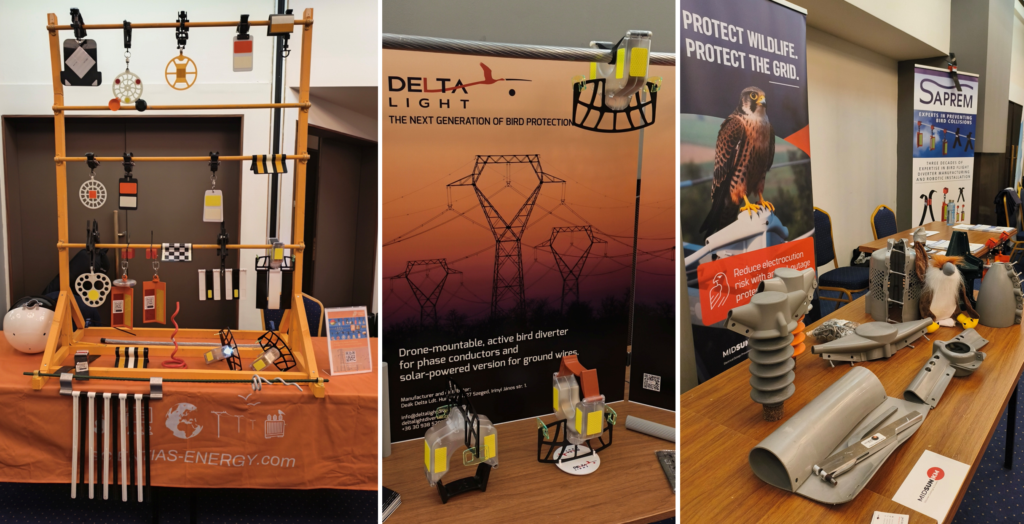
The programme featured around 50 speakers, scientific posters and an exhibition of suppliers and technical solutions currently available on the market.
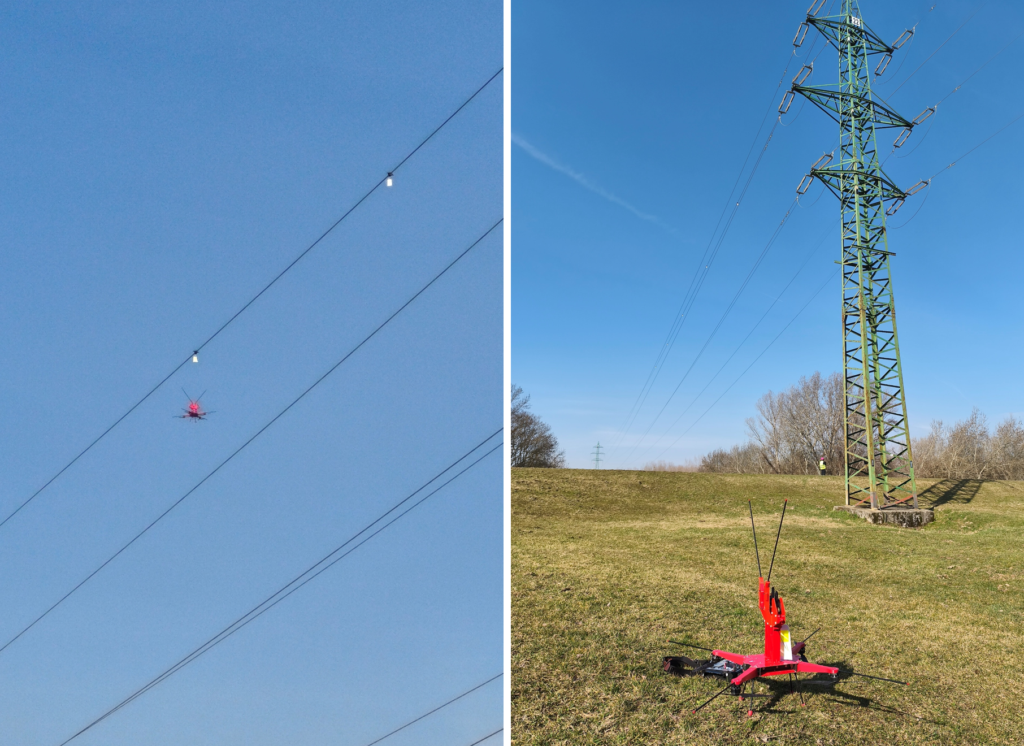
A field trip took place to protected areas in Slovakia, Hungary, and Austria, where various techniques for installing anti-collision and electrocution devices were demonstrated, alongside technical solutions in different stages of testing, application, and commercialisation.
Throughout the programme, the clear and growing need to develop technical solutions for preventing bird mortality that keep pace with the energy sector’s technological progress was highlighted. For example, there is an urgent need to develop artificial intelligence and computing solutions that facilitate the monitoring of birds’ three-dimensional use of the landscape, incident detection, and micro-scale factor analysis to reduce the probability of mortality incidents. The rapid marking of vast stretches of power lines increasingly depends on the use of technologically advanced devices (e.g. made of durable polymers, UV-light emitters powered by the magnetic field of the conductor cables, among other solutions) that can be installed by drones. Avoiding the use of cranes or lifts facilitates the marking of cables in sensitive or difficult-to-access habitats (wetlands, cliffs, etc.) and drastically reduces execution time.
Persistent gaps
Despite the significant progress already made in mitigating the energy sector’s impacts on biodiversity, some gaps persist.
For instance, the energy transition is also accompanied by more sustainable mobility solutions. Railway electrification also causes mortality through collision and electrocution, an aspect often overlooked in Environmental Impact Assessments.
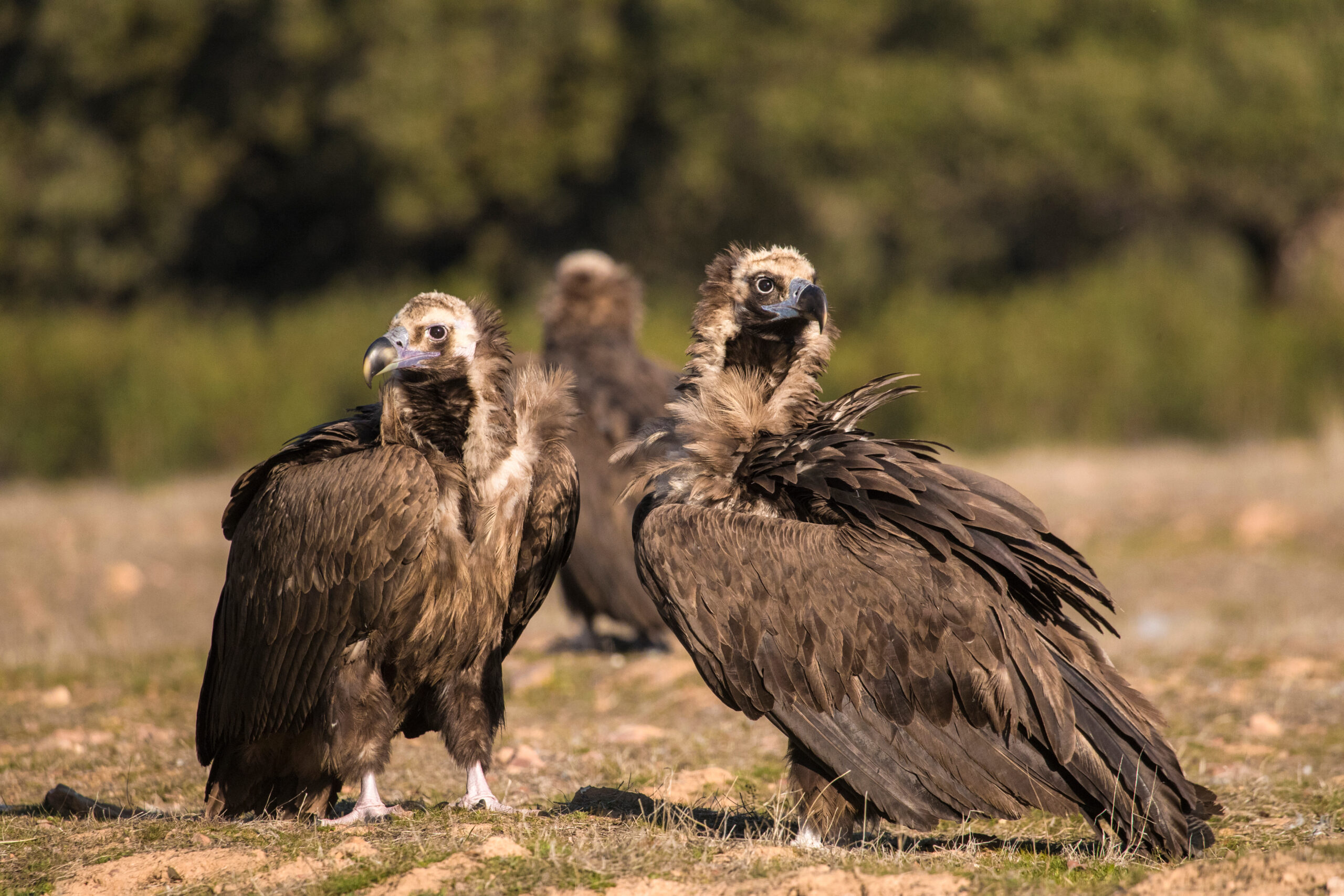
There is an urgent need to define clear, scientifically validated standards for safety distances between bird feeding and breeding sites and the installation of electrical infrastructure, similar to the study published as part of the LIFE Aegypius Return project to safeguard Cinereous Vultures from wind turbines.
The needs for impact mitigation further extend to the legal field, with a common demand being the publication of EU directives that regulate impact mitigation measures and hold non-compliant parties accountable.
The Cinereous Vulture and the LIFE Aegypius Return approach
The LIFE Aegypius Return project was presented during the Free Sky for Birds 2026 Conference as an example of best practice regarding efforts to prevent harmful effects potentially arising from the expansion of renewable energy in Portugal. These efforts include active participation in technical discussions and public consultation processes, the presentation of scientific arguments, diplomatic mediation of discussions between different stakeholders, and the promotion of cross-sectoral cooperation in the development of sustainable projects compatible with biodiversity conservation.
About the LIFE Aegypius Return project

The LIFE Aegypius Return project is co-funded by the European Union’s LIFE programme. Its success depends on the involvement of all the relevant stakeholders and the collaboration of the partners: the Vulture Conservation Foundation (VCF), the coordinating beneficiary, and local partners Palombar – Conservation of Nature and Rural Heritage, Herdade da Contenda, the Portuguese Society for the Study of Birds, the League for the Protection of Nature, the Transhumance and Nature Association, Fundación Naturaleza y Hombre, the National Republican Guard y the National Association of Rural Owners of Game Management and Biodiversity.