A planned wind energy project in the Krumovgrad (Natura 2000) area of southern Bulgaria has sparked serious concern among conservationists. The Bulgarian Society for the Protection of Birds (BSPB) has filed a formal objection demanding the termination of the procedure.
The project and the Krumovitsa protected area
VEC Rodopi AD, a Bulgarian energy company, is seeking approval to build a wind farm of 26 turbines and an associated 110 kV overhead power line across seven villages in Krumovgrad Municipality, in the Eastern Rhodopes mountains of southern Bulgaria. The site lies within the Natura 2000 protected area “Krumovitsa”. The industrial development would cover overs 20% of the territory of an area created specifically for nature conservation.
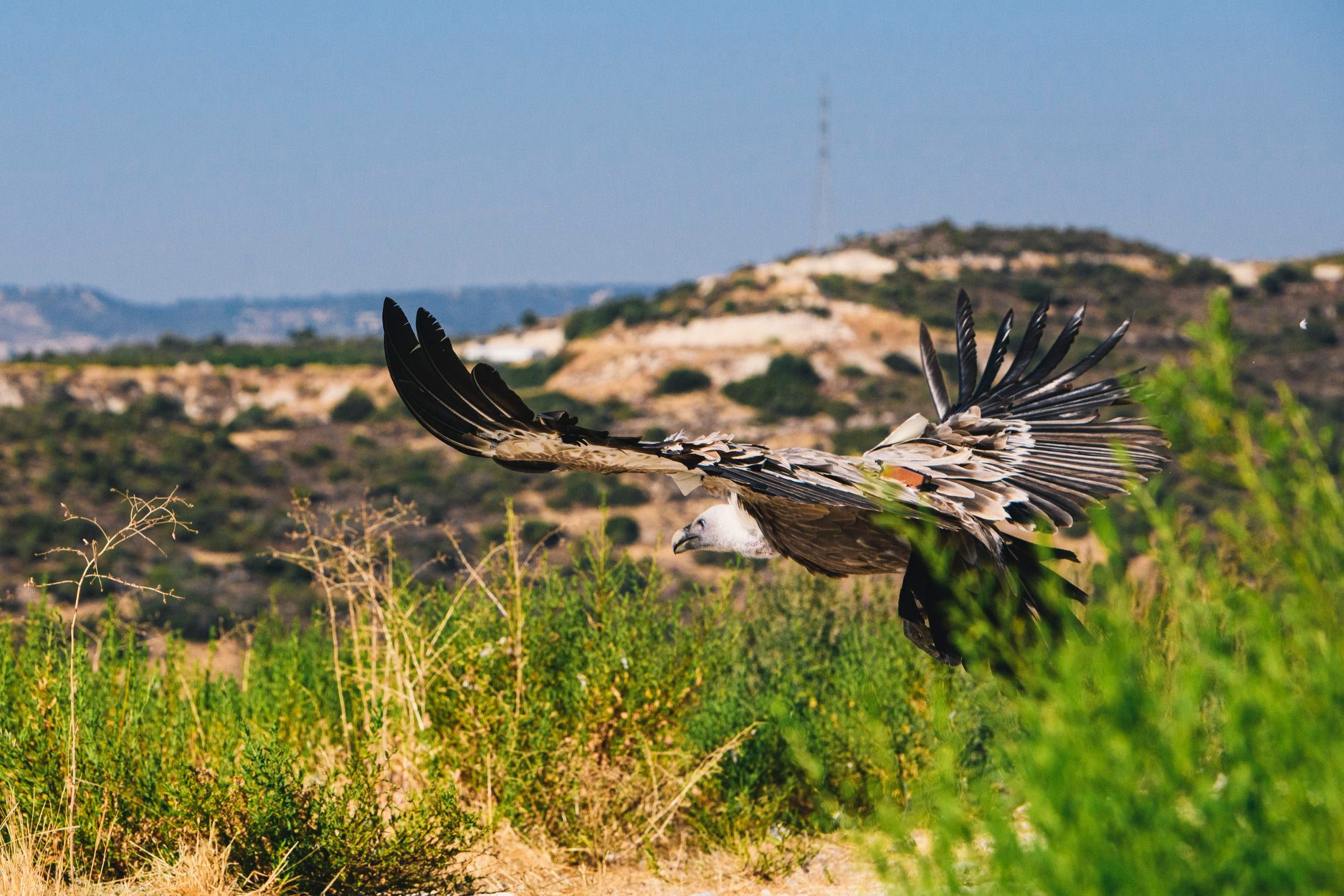
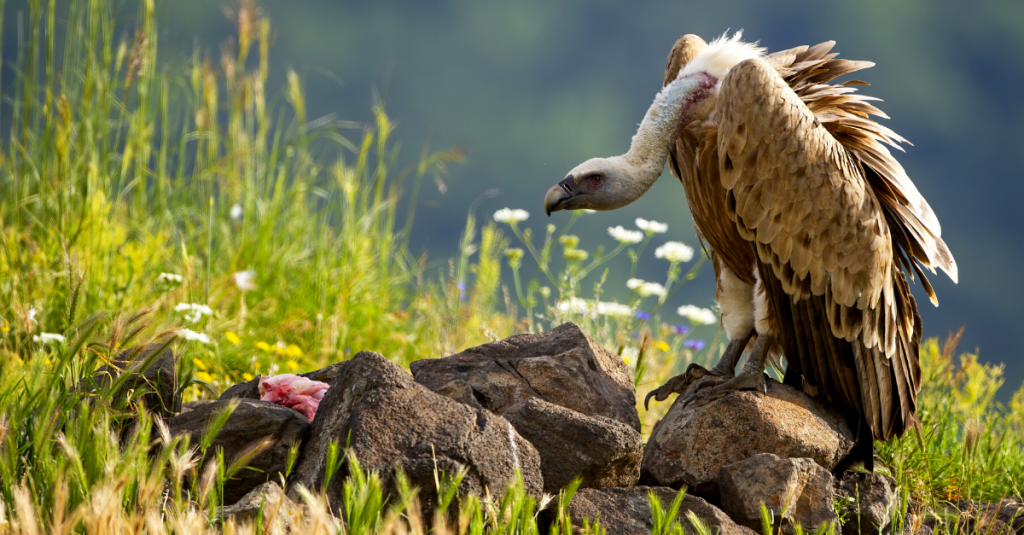
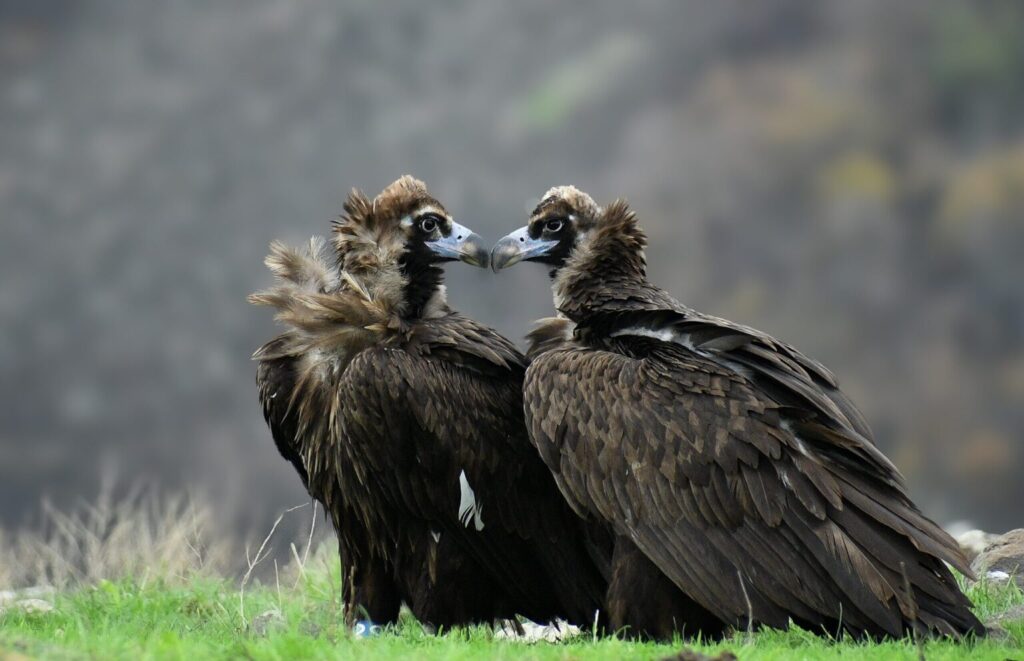
Krumovitsa protected area is one of the most valuable natural sites in Bulgaria. It hosts exceptional biodiversity and rare and endangered species, including the Globally Endangered Egyptian Vulture (Neophron percnopterus), the Cinereous Vulture (Aegypius monachus), which had recently disappeared from the country and is now recovering thanks to reintroductions and ongoing conservation efforts, and the Griffon Vulture (Gyps fulvus), symbol of the Eastern Rhodopes. The proposed project would be located in a key area for vultures, close to Egyptian and Griffon Vultures’ nests, and across the main flight route for Cinereous and Griffon Vultures. The Bulgarian Society for the Protection of Birds (BSPB), coordinator of the LIFE Rhodope Vulture project, produced a formal report, highlighting the danger this project would pose for the survival of local wildlife species, especially large soarers.
Impacts and risks for vultures and people
If the planned wind farm becomes a reality, the lush landscape of the Krumovitsa protected area will be irreversibly scarred. Thanks to its wild nature and cultural and historical heritage, the area attracts tourists, scientists, and nature lovers. The presence of a wind farm and its consequences on wildlife may reduce tourism in the area. In addition, it will create noise pollution, and the generated energy will not directly support the local community, as it will be included in the national grid.
Electrocution and collision with energy infrastructure are among the main threats to vultures worldwide. Krumovitsa protected area is home to three of the five European vulture species, and the 26 wind turbines would be built precisely in an area vital for each one of them. The consequences could be catastrophic. Moreover, mortality is not the only risk associated with wind farms. In fact, the habitat displacement impacts are also to be considered. The wind farm may force vultures to avoid key areas and flight routes, changing their habits. In summary, the project could compromise decades of conservation work.
Renewable energy should not come at the cost of conservation
Wind energy is undoubtedly vital for climate action, but it should not come at the cost of irreplaceable habitats. Together with BSPB, VCF supports the idea that energy infrastructure projects must be evidence-based and supported by tracking data and collision models. Since electrocution and collision with energy infrastructures are significant threats to many species, these projects should always include mitigation measures. The future of energy production cannot be built on the survival of endangered species. Collaboration between energy production companies and conservation projects is vital for the future of people and wildlife alike.
LIFE Rhodope Vulture
Co-funded by the Programa LIFE of the European Union and Rewilding Europe, The LIFE Rhodope Vulture project is dedicated to the recovery of the Cinereous Vultures population in the Rhodope mountains, between Bulgaria and Greece. The project aims to increase food availability for the species and address human wildlife conflicts. It will reintroduce birds from Spain to establish a new colony in Bulgaria and conserve the Greek colony in Dadia-Lefkimi-Soufli National Park. Lastly, the project aims to foster cooperation among local businesses, conservation initiatives, and stakeholders, and raise awareness about the ecological benefits of Cinereous Vultures. The project duration is 5 years, from June 2024 to May 2029. The total budget is €4,160,118 Euro. It is coordinated by Bulgarian Society for the Protection of Birds (BSPB) with the participation of Rewilding Rhodopes Foundation. It also benefits from international collaboration, including the Vulture Conservation Foundation.