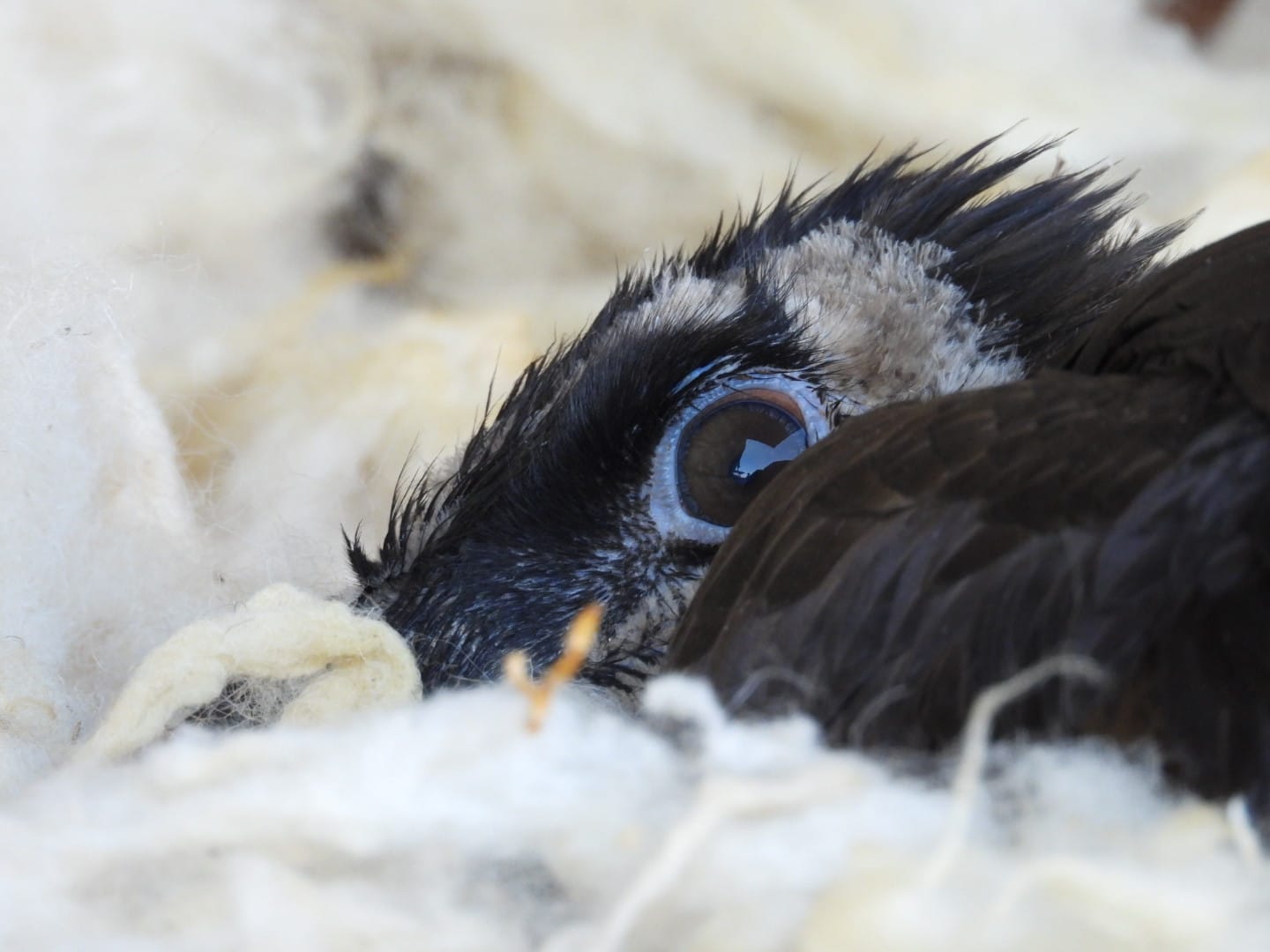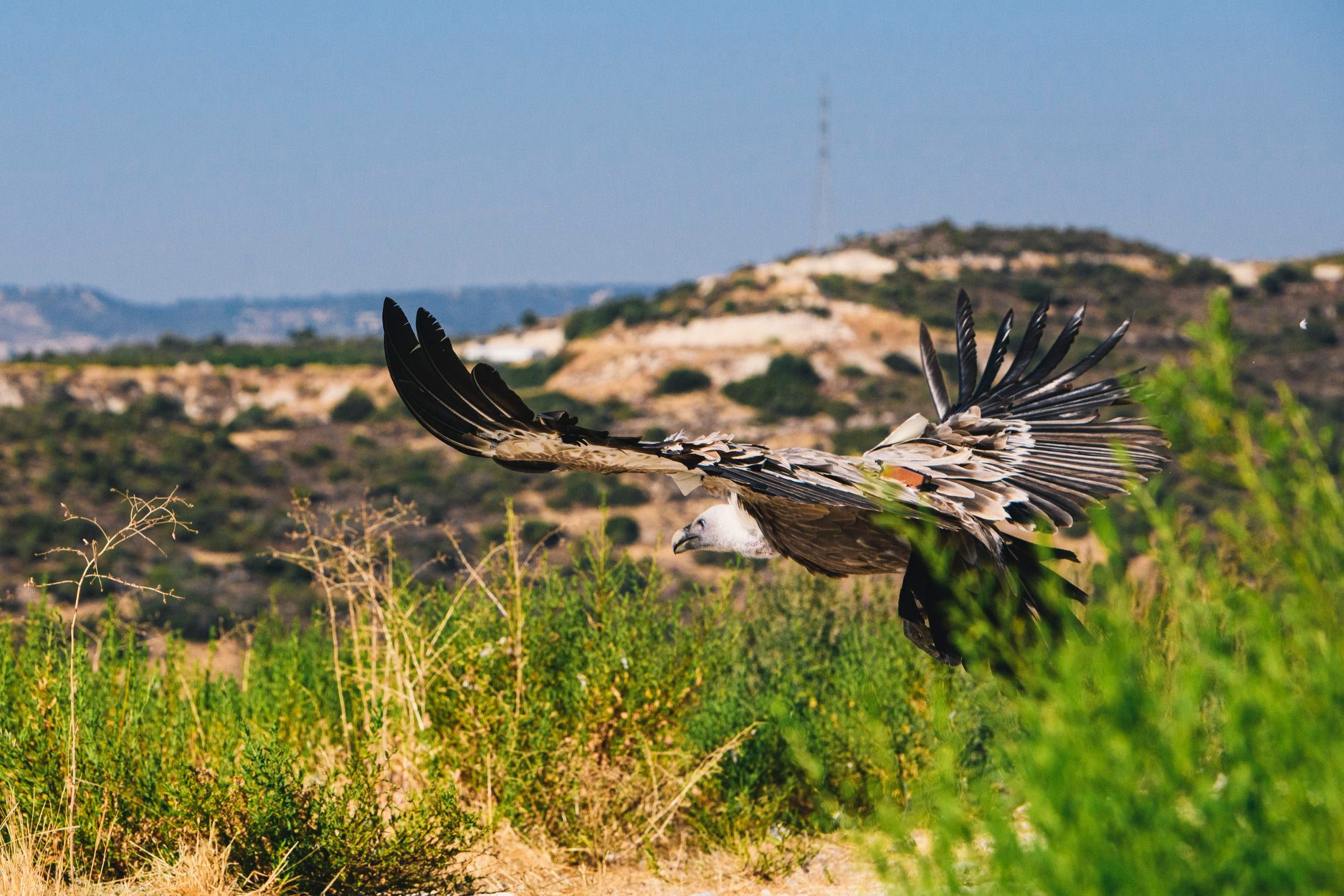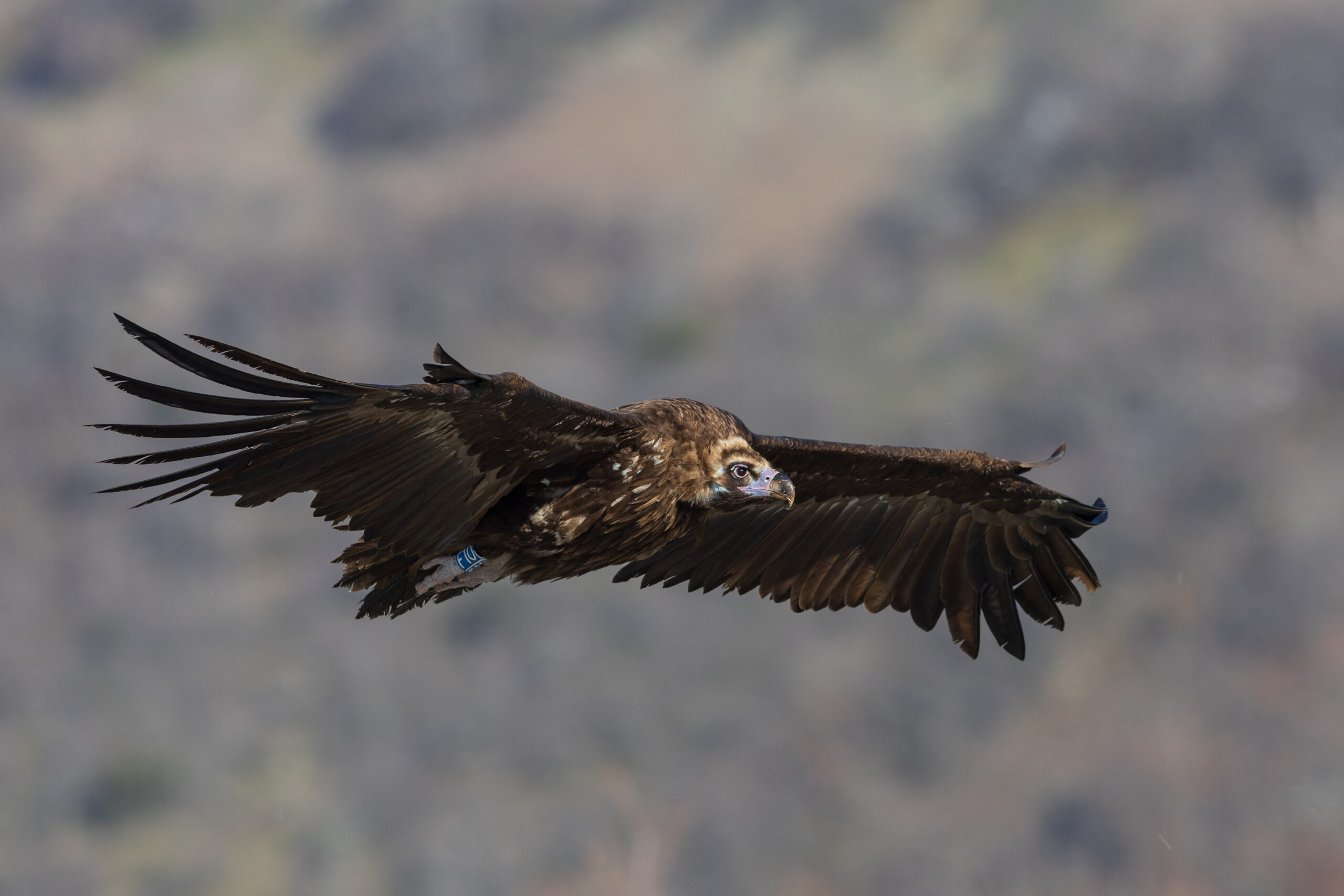
One of the two White-backed Vultures tagged in Morocco at the beginning of the month, with the contribution of the Vulture Conservation Foundation (VCF), lost its life while crossing the Strait of Gibraltar. The other one is flying between Spain and Portugal.
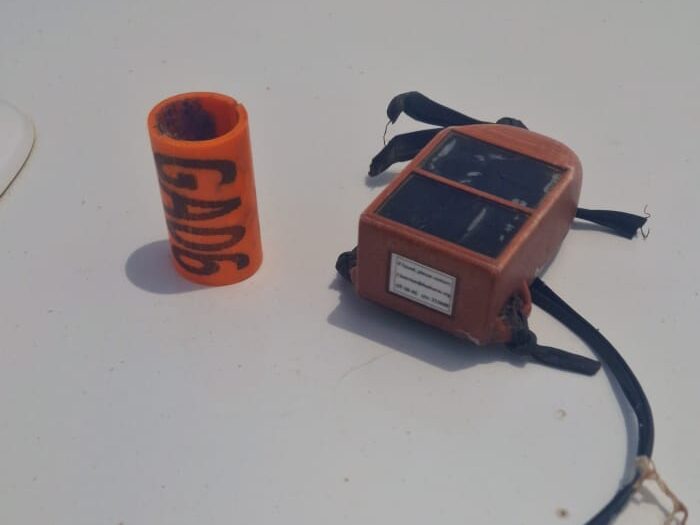
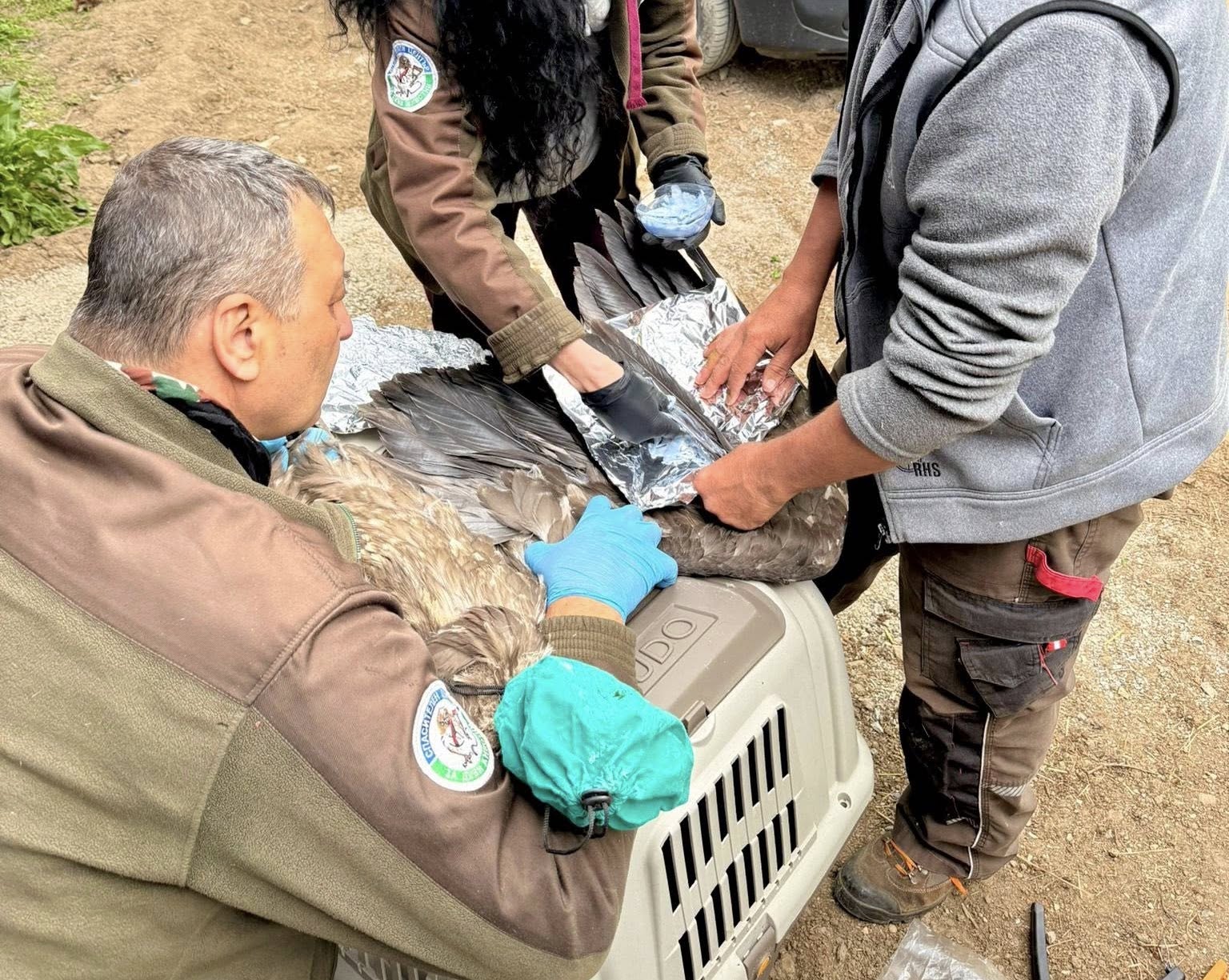
At the beginning of May, the Vulture Rehabilitation Centre JBel Moussa (CRV) team tagged two Critically Endangered White-backed vultures (Gyps africanus) with GPS transmitters provided by the VCF. The two individuals, a two-year-old and a rare four-year-old (calendar year), followed Griffon (Gyps fulvus) y Rüppell’s Vultures (Gyps rueppelli) in their spring migration towards Europe. Unfortunately, while the fourth-year individual safely crossed the Strait of Gibraltar, the youngest one drowned in the attempt.
A complicated operation
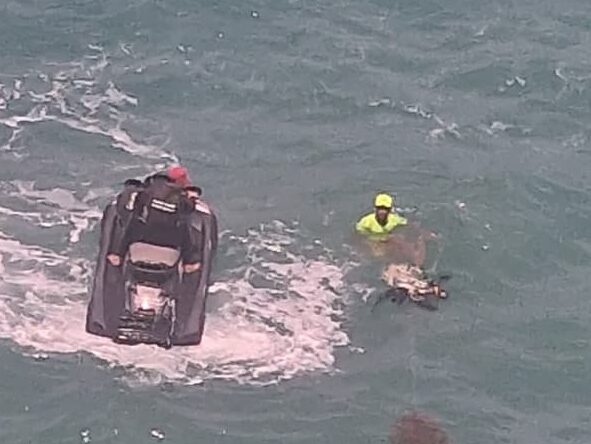
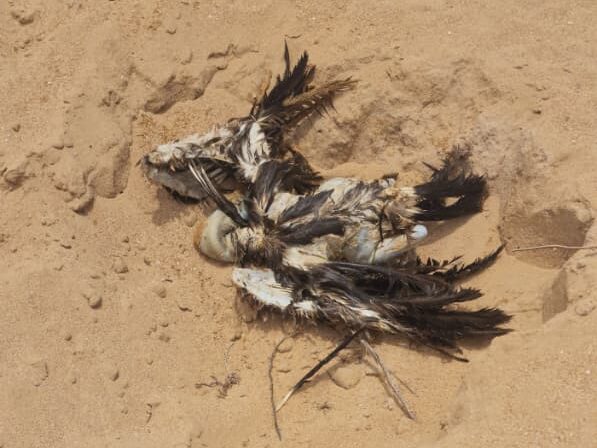
As soon as the flight signal was lost, the CRV JBel Moussa and VCF coordinated a retrieve operation with their partners in Spain and Gibraltar. However, winds and currents carried the body eastward into the Mediterranean, dragging on the operations. The vulture’s body drifted past Al Hoceima and near Melilla before being recovered, trapped in seaweed, near Cap de l’Eau, close to Nador. The sea transported it more than 400 kilometres away from its point of departure at JBel Moussa.
Recovery was made possible through the coordinated efforts of the Rif Regional Directorate, the Oriental Regional Directorate, and the Nador Provincial Directorate of the National Water and Forestry Agency (ANEF), working in collaboration with the province of Nador and the Civil Protection.
This unfortunate loss reminds us of the dangers that vultures face during migration, especially when they cross open waters. The scientific monitoring conducted by the CRV JBel Moussa and its partners highlighted that each year, Critically Endangered Rüppell’s and White-backed Vultures follow Griffon Vultures in their migration north. The causes behind this process might be traced back to environmental changes, human pressures, and shifts in resources. The migration exposes these inexperienced individuals to the dangerous conditions of the Strait, causing several fatalities.
Every vulture counts
While the loss of the youngest bird is a significant blow, we follow the adventures of the oldest one with great interest. After successfully crossing the Strait of Gibraltar, it is flying between Spain and Portugal. Only a handful of White-Backed vultures have ever been tagged in Morocco, and even fewer have reached as far as Spain. Moreover, this bird is a sub-adult in its fourth year, representing the first-ever record of this age class in the region. Every movement and every behavioural pattern recorded enriches our understanding of this species in its expanding range. Every new piece of information, even the ones gathered from the tragic loss of the young vulture, will support further informed conservation actions both in Africa and in Europe.