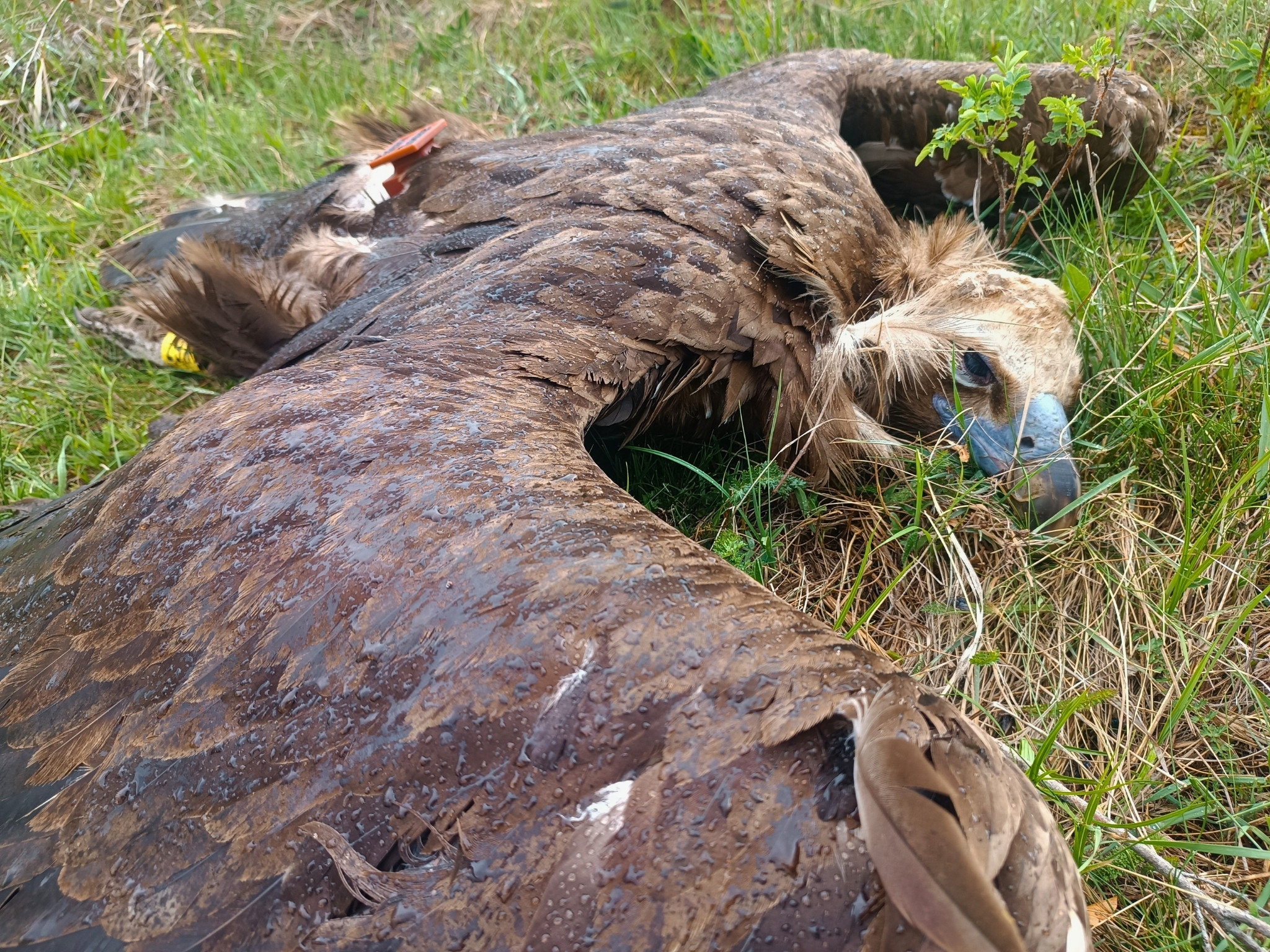
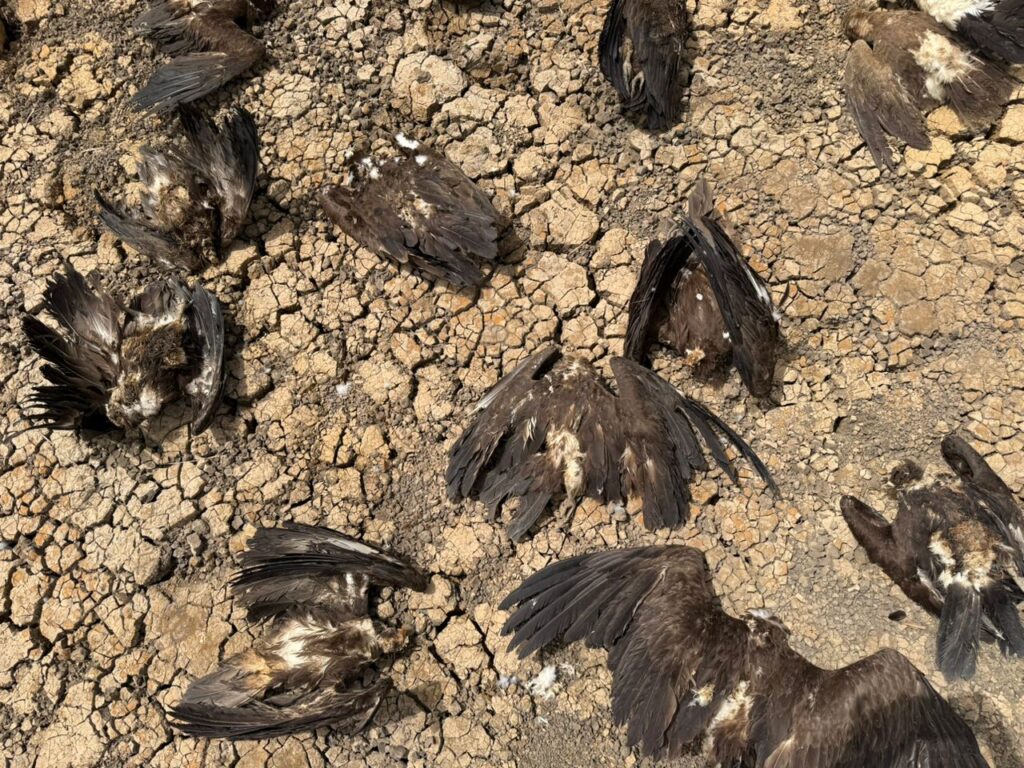
50 Critically Endangered Hooded vultures (Necrosyrtes monachus) were poisoned and decapitated in Guinea-Bissau at the end of May. The local NGO Organization for the Defense and Development of Wetlands (ODZH) investigated the scene.
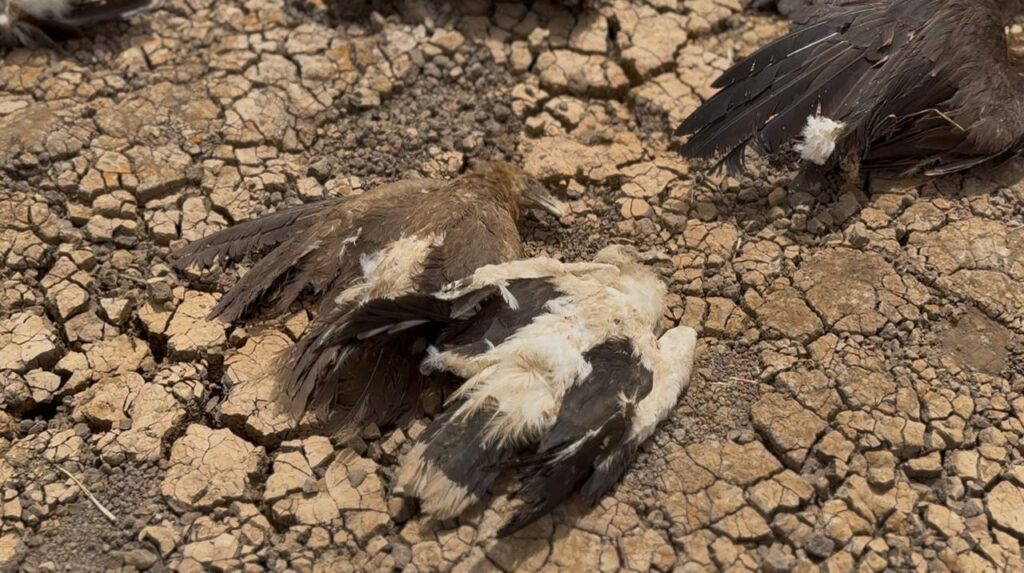
At the end of May, the citizens of Mansoa (Guinea-Bissau) alerted the authorities to a mass poisoning case. 50 Critically Endangered Hooded vultures (Necrosyrtes monachus) and a Palm-nut Vulture (Gypohierax angolensis) had been poisoned in the area. More alarmingly, all the Hooded vultures had been beheaded, and the heads removed from the scene.
According to the local NGO Organization for the Defense and Development of Wetlands (ODZH), which investigated the scene, it is a case of deliberate poisoning associated with poaching episodes and traditional rituals. The case is still under investigation. The same area saw multiple smaller poisoning incidents between February and March 2025, for a total of 16 Hooded vultures killed.
A widespread issue with catastrophic consequences
Belief-based mass poisoning incidents are unfortunately a widespread issue in the African continent. Since the beginning of 2026, we have reported four mass poisoning incidents outside Europe, three of them in Africa: one in Tanzania, in the Amboseli National Park, one in Burkina Faso, and one in Senegal. While the first one was rooted in human-wildlife conflict, the other two were motivated by traditional rituals.
Each poisoning incident affects dozens of vultures, dramatically damaging local populations and hindering decades of conservation work. The Hooded Vulture is classified as Critically Endangered by the International Union for the Conservation of Nature‘s Red List of Threatened Species. Over the span of only three generations, the species dramatically declined by over 65%. They are often found near human settlements, making their sanitation roles as obligate scavengers even more crucial for human and environmental health. Sadly, living in close contact with humans makes them extremely vulnerable to persecution. Every lost vulture increases the risk of pathogens spreading uncontrollably from rotten carcasses, with spiralling effects on local ecosystems, human and wildlife health.
The power of local outreach and international collaboration
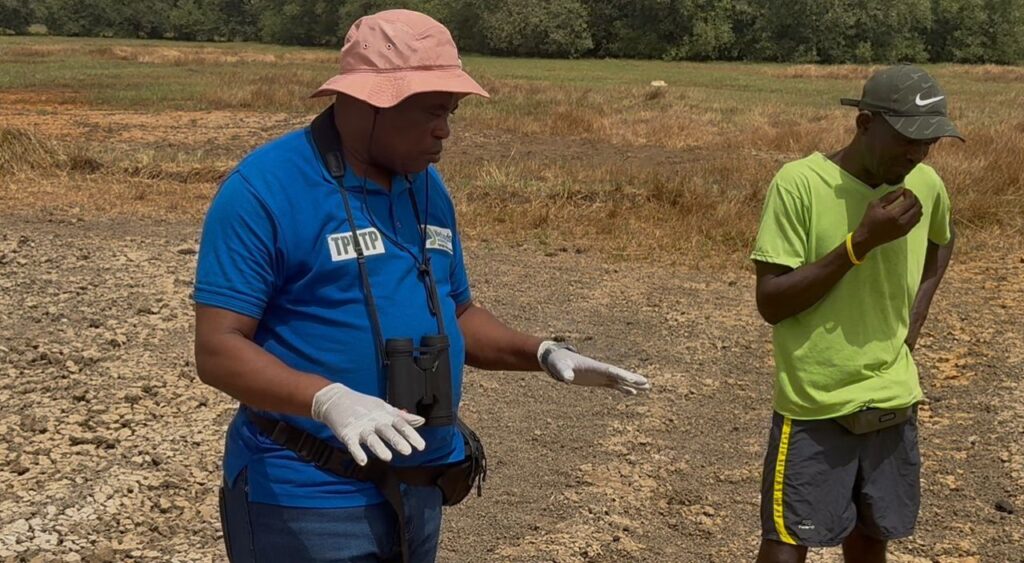
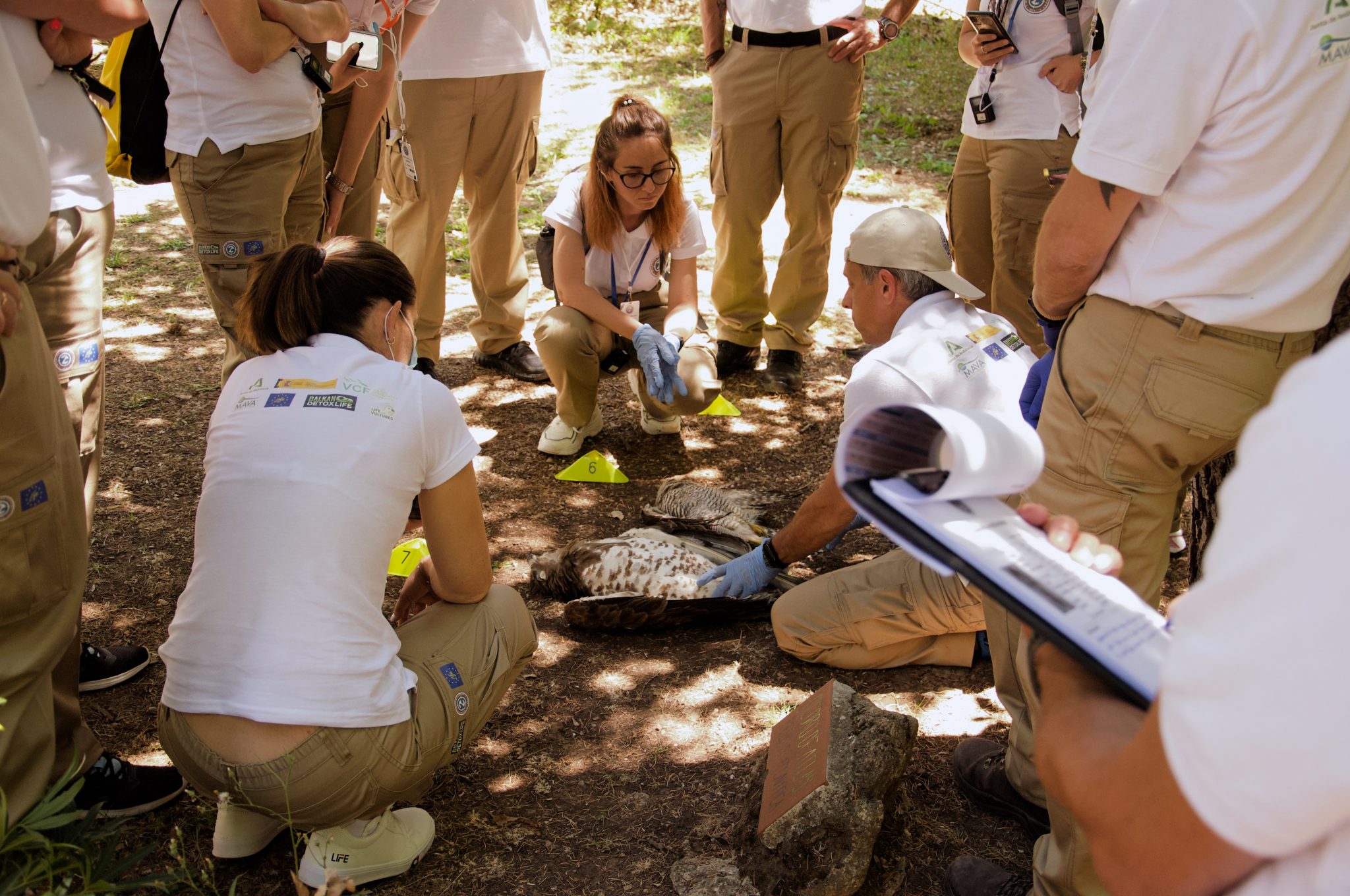
Last summer, similar incidents plagued The Gambia, resulting in an international mission organised by The Gambia government and led by the CMS Raptors MOU, Vulture Conservation Foundation (VCF), and Birdlife International to strengthen capacity among key stakeholder groups, including government agencies, to prevent and respond to illegal wildlife poisoning incidents.
This time, the case was discovered and reported by the local community, thanks to the awareness-raising, education, and outreach actions that ODZH has been developing in the Mansoa area. This case highlights once again that conservation benefits from both local and international networks and cooperation. Local communities must be on the front line of conservation actions, and communication and education are crucial to give them the instruments to effectively cooperate with NGOs and local authorities.