In an impressive anti-poaching operation, the Niš Police Directorate arrested a man suspected of poisoning a Cinereous Vulture near Svrljig (Serbia). This case is a prime example of an effective wildlife crime investigation.
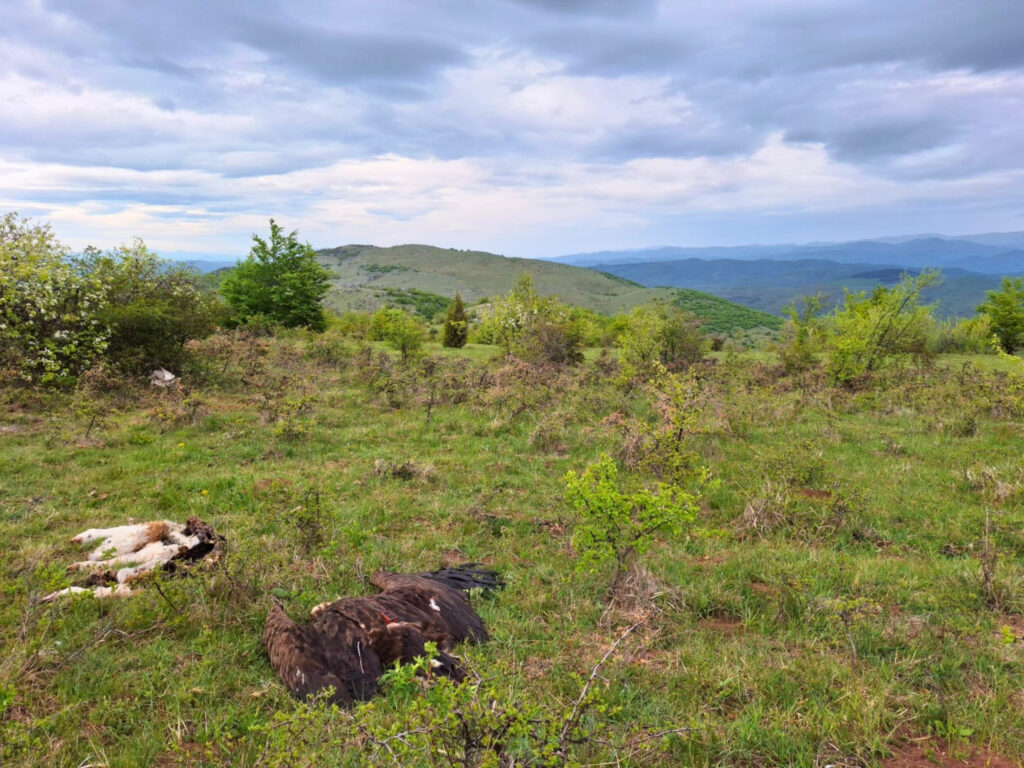
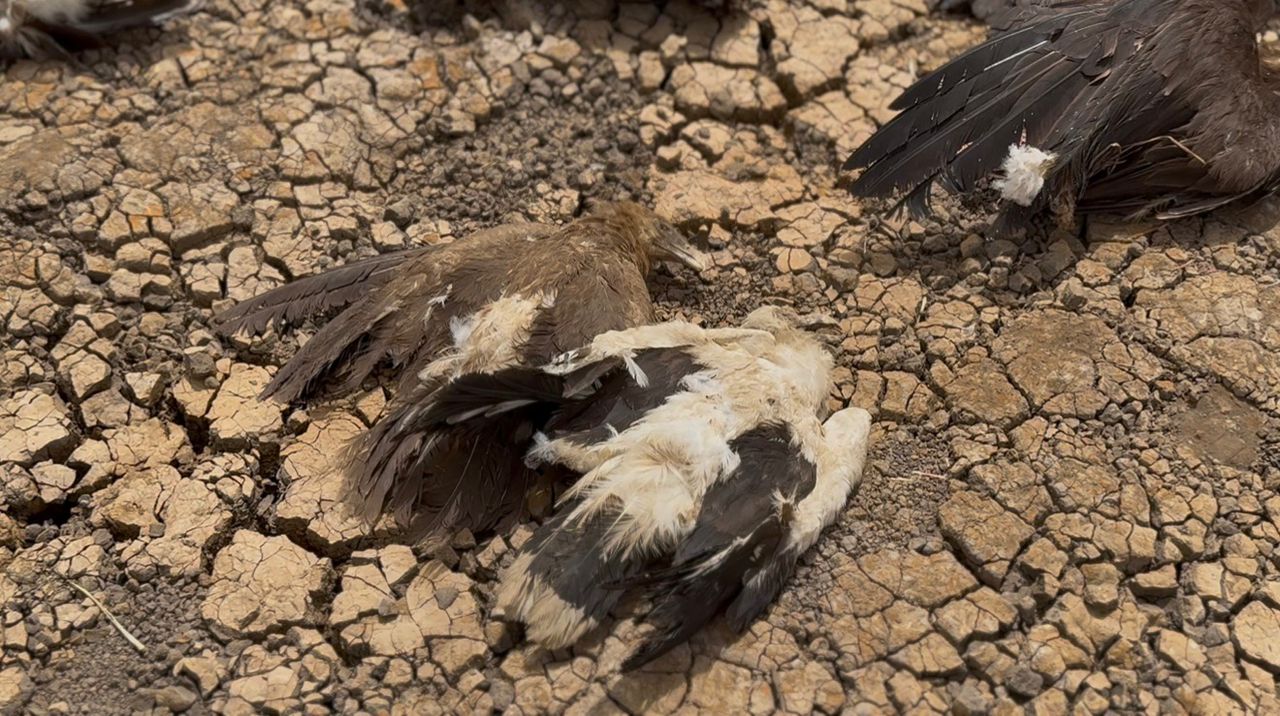
On May 7, the Bird Protection and Study Society of Serbia (BPSSS) received an urgent alert from colleagues at Green Balkans e The Fund for Wild Flora and Fauna in Bulgaria: a Cinereous Vulture (Aegypius monachus) had died near the town of Svrljig in eastern Serbia. BPSSS ornithologists immediately started the investigation and found the vulture’s carcass lying beside the remains of a calf.
The scene showed unmistakable signs of deliberate poisoning. The calf carcass was covered in dead insects, a characteristic indicator of contamination with a powerful insecticide. A further search presented an even more dreadful testimony of the poisoning. 100 metres from the carcasses, the ornithologists discovered a trail camera, suggesting that whoever laid the bait intended to monitor it. Confirmed the poisoning, BPSSS immediately notified the Criminal Police Directorate and the Institute for Nature Conservation of Serbia.
A successful investigation
Word of the police investigation reached the suspect quickly. During the night, the individual removed both carcasses in an attempt to conceal the evidence. However, officers from the Niš Police Directorate thoroughly searched the area and recovered them. The suspect was identified and arrested.
The suspect now faces charges under three articles of the Serbian Criminal Code: Article 265 (destruction or damage of protected natural assets); Article 273 (contamination of food and water intended for animal feeding); and Article 336 (obstruction of justice). The carcasses of both the calf and the vulture have been sent to the Faculty of Veterinary Medicine at the University of Belgrade for forensic analysis.
A history-making precedent
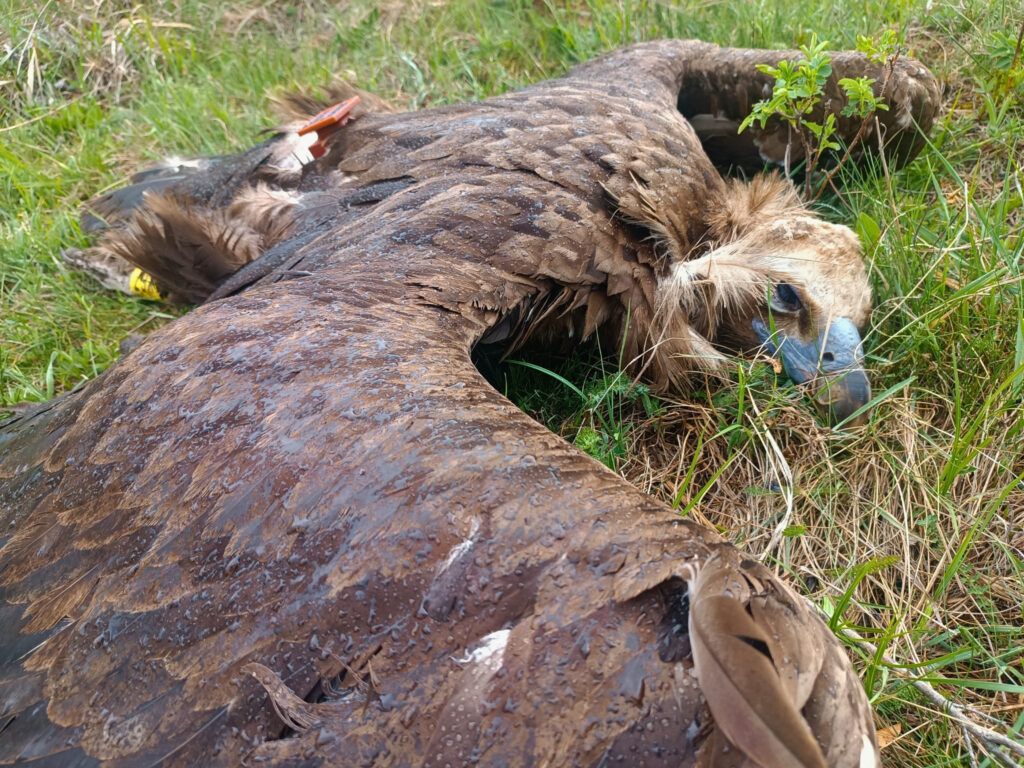
The poisoned vulture was part of a species conservation programme, and the poisoning event was identified thanks to the GPS transmitter it was wearing. It was one of the thousands of poisoning victims recorded in Serbia since 2000. The scale of Serbia’s poisoning problem is staggering. In fact, poisoning was one of the main drivers of Cinereous Vultures’ local extinction in the country. Losing even one Cinereous Vulture is heartbreaking and a significant setback in the recovery of the species.
With these premises, this arrest becomes even more significant. Through the WildLIFE Crime Academy project, the VCF contributes to sharing the best wildlife crime investigation and intervention practices across Europe. The project trains dozens of conservationists, prosecutors, law enforcers, and forensic experts every year. The speed and determination shown by the Niš Police Directorate represent exactly the kind of law-enforcement response that the WildLIFE Crime Academy works on. This case has set a virtuous standard for future wildlife crime investigations in Serbia and beyond. The VCF commends the excellent work of the Niš Police Directorate, the Basic Public Prosecutor’s Office in Niš, and all people involved in the investigation.