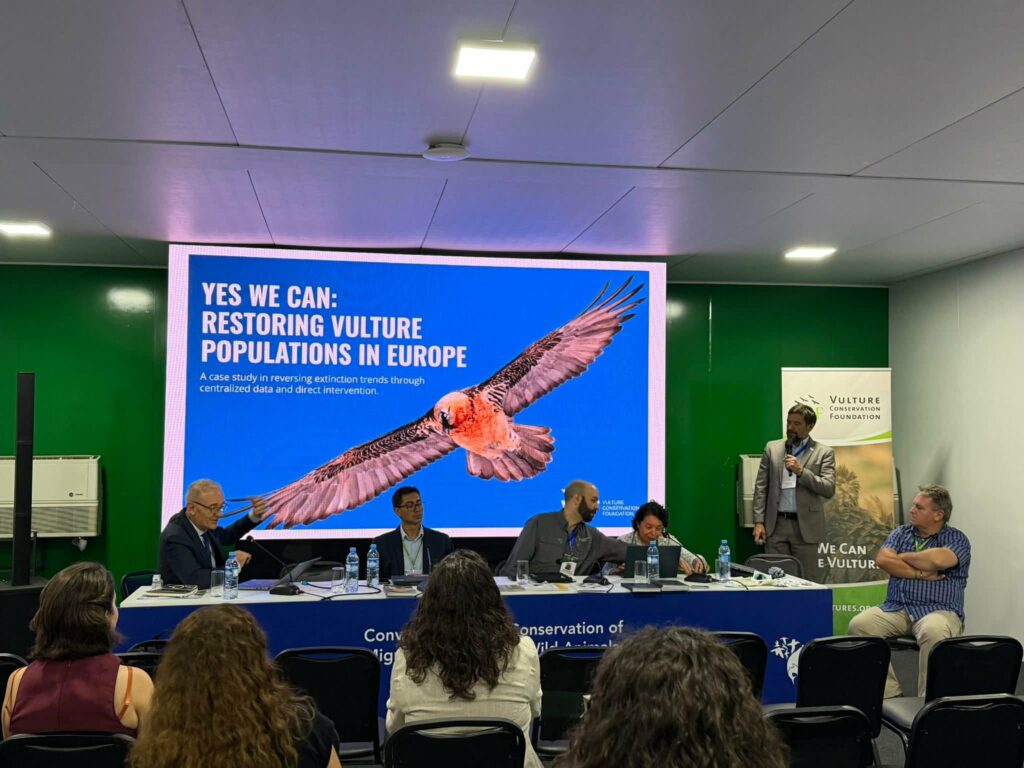
A 15th Conference of the Parties to the Convention on Migratory Species (CMS COP15) convened in Campo Grande, Brazil, from 23–29 March 2026, bringing together governments, scientists and conservation practitioners at a critical moment for global biodiversity. The numbers are concerning: 49% of CMS-listed species populations are in decline, and 24% face extinction risk globally. With these issues in mind, COP15 focused on strengthening international cooperation, sharpening policy frameworks, and moving toward action that actually reaches flyways, ecosystems and the sectors that affect them.
Key takeaways from CMS COP15
COP15 produced concrete results. Governments agreed to list 40 additional species on the CMS Appendices, including 20 on Appendix I, the highest level of protection, strengthening the legal obligations tied to their conservation. The meeting also approved 16 Concerted Actions targeting species-specific priorities, and pushed forward cross-cutting work on illegal and unsustainable taking of migratory species and the restoration of ecological connectivity.
Parties also launched the Global Initiative on Taking of Migratory Species, directly targeting the drivers of illegal killing and exploitation. Taken together, these decisions signal a meaningful move to implementable tools, though the data presented at COP15 makes clear that reversing population declines will demand urgent and sustained follow-through.
Vultures at CMS COP15
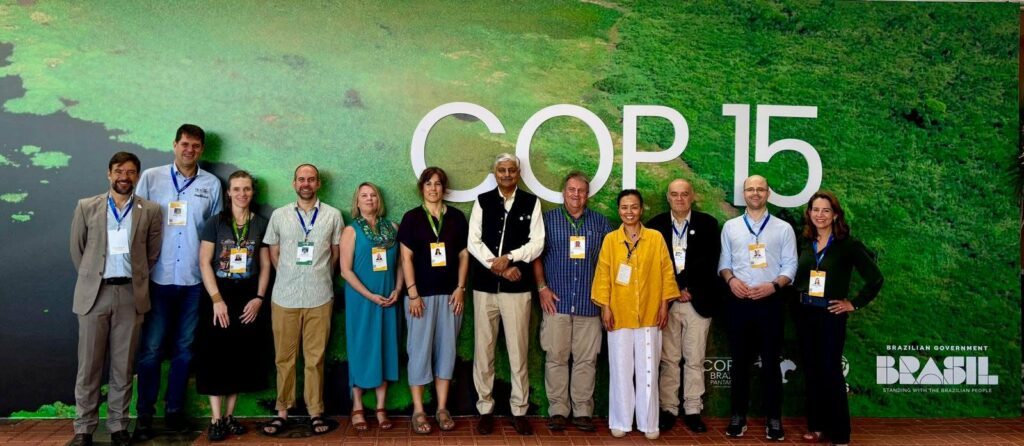
Vultures were a notable presence at COP15. The Vulture Conservation Foundation (VCF) was present, focusing on policy-oriented approaches. Alongside partners, the VCF’s Conservation Director was involved in two presentations: one on implementing the Vulture Multi-species Action Plan (MsAP) and one on the transition away from lead ammunition.
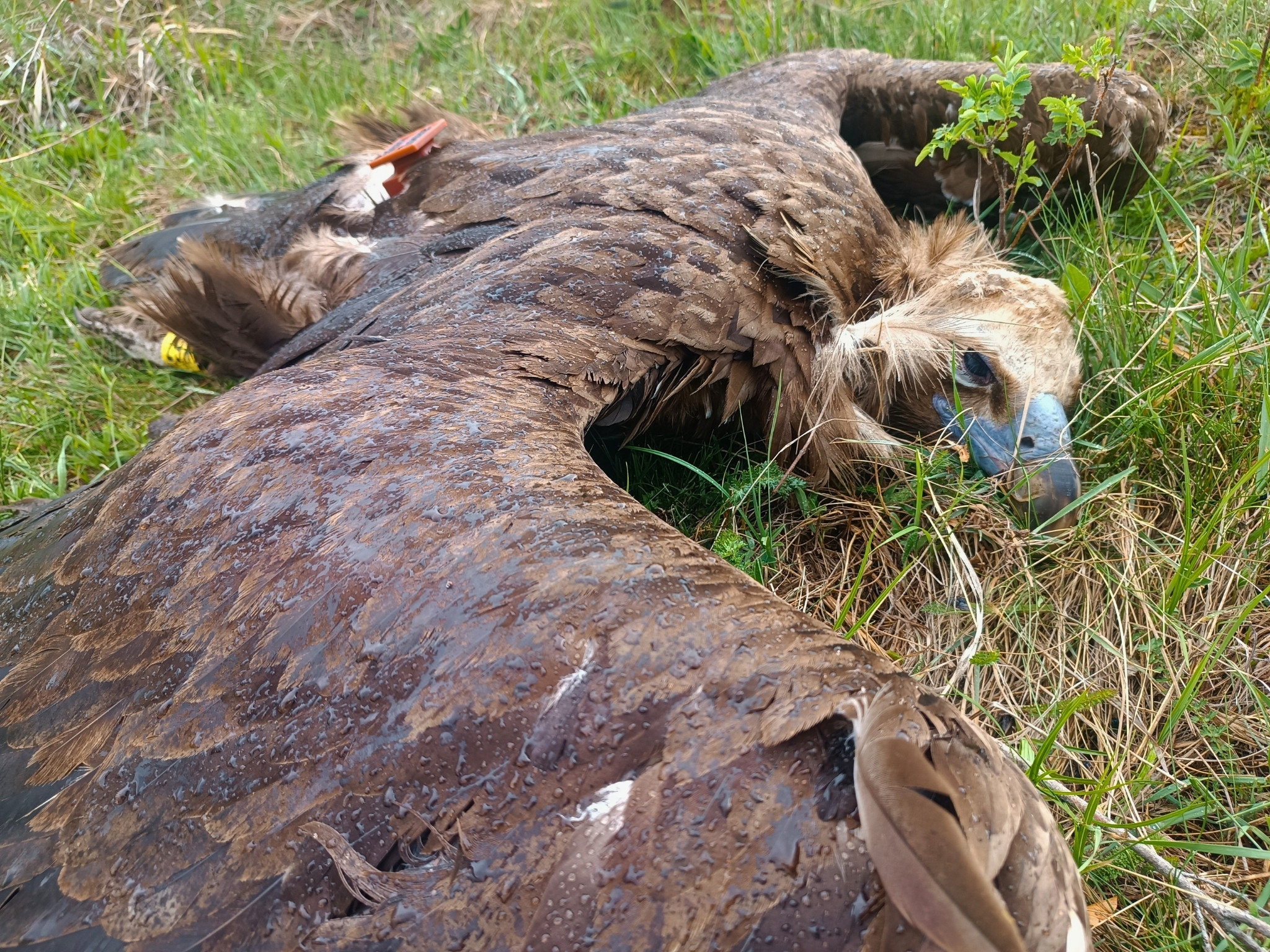
On the MsAP, the message was direct: the frameworks exist, but enforcement is where progress stalls. The evidence laid out a stark “justice gap” in wildlife poisoning cases, where fewer than 1% of incidents ever reach trial in the Balkans, effectively removing any meaningful deterrent. The BalkanDetox LIFE project was held up as a working model, showing that when field protocols, forensic capacity and judicial training are combined under coordinated institutional action, both poisoning incidents and prosecution rates can improve.
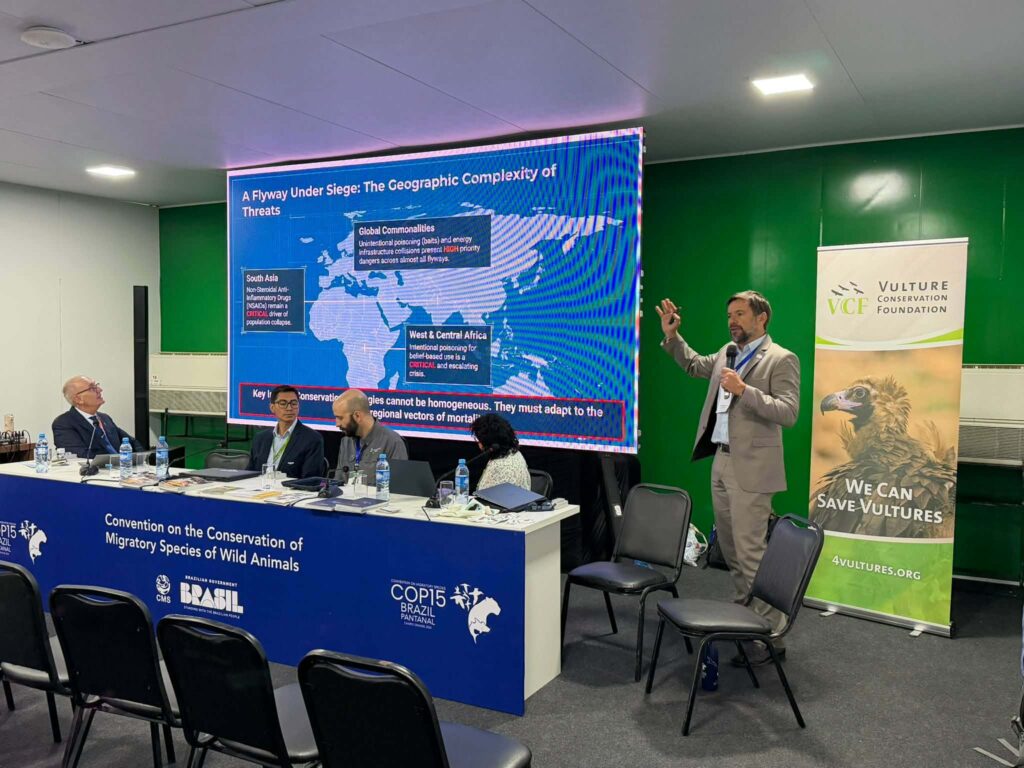
The lead ammunition presentation framed the issue as a transboundary threat with a clear scientific basis: traditional lead ammunition fragments into toxic particles within carcasses, with direct and measurable consequences for scavengers like vultures. The proposed path forward pairs stakeholder engagement with regulatory action, particularly through the EU REACH process, and the data offered grounds for cautious optimism: 90% of hunters using lead-free alternatives reported satisfaction with the switch.
Wildlife Crime Academy side event (CMS MIKT collaboration)
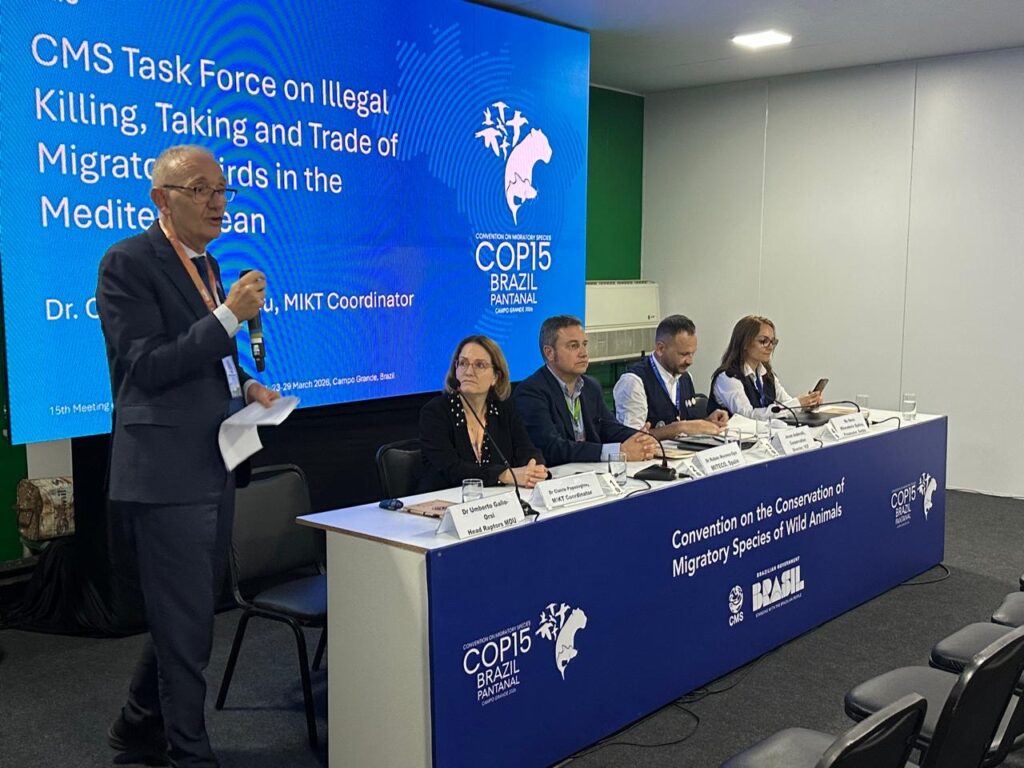
A dedicated side event on the Wildlife Crime Academy (WCA) made the case that tackling illegal bird killing requires enforcement capacity, not just conservation policy. Organised jointly with the CMS Intergovernmental Task Force on Illegal Killing, Taking and Trade of Migratory Birds in the Mediterranean (MIKT) and chaired by Umberto Gallo-Orsi (CMS Raptors MoU Coordinator), the session drew on a strong panel including Foteini Clairie Papazoglou (Coordinator of the Task Force on Illegal Killing, Taking and Trade of Migratory Birds in the Mediterranean Convention on the Conservation of Migratory Species of Wild Animals), Ruben Moreno Opo (Spanish ministry MITEKO), Jovan Andevski (VCF’s Conservation Director) and prosecutor Nena Miloradovic Bjelica (WCA member).
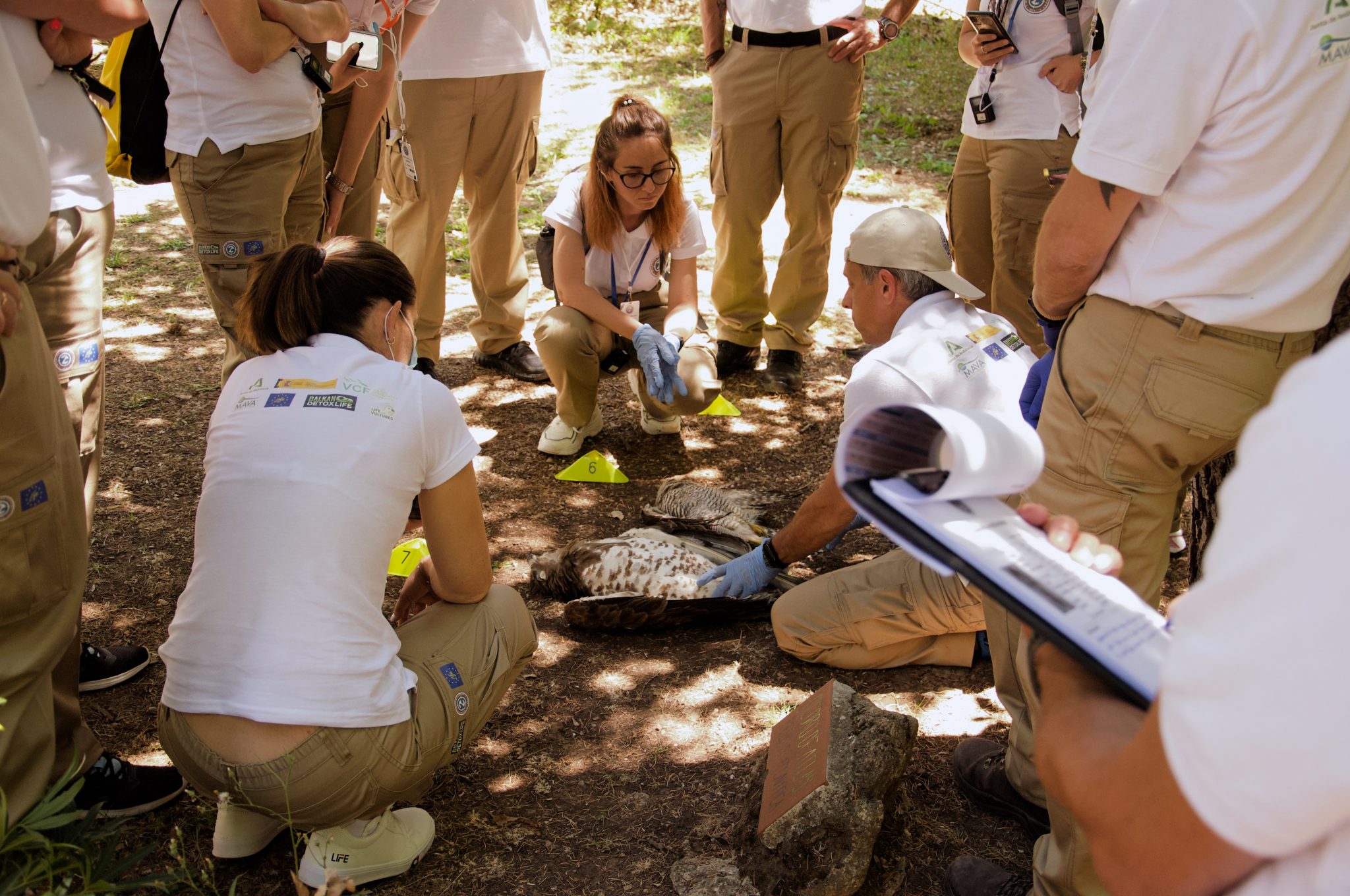
The WildLIFE Crime Academy LIFE project at the heart of the discussion is building practical skills across the entire enforcement chain, from police officers to prosecutors, through crime scene investigation and forensic methodologies. The session was open about the systemic weaknesses the WCA is designed to address: a lack of standardised protocols, limited forensic expertise, and inadequate evidence handling across regions. By treating illegal killing not just as a conservation issue but also as a matter for the justice system, this approach links conservation efforts with the legal processes needed to actually enforce them.
CMS COP15 marked a real shift from commitment to implementation. The policy advances were substantial, but the evidence presented throughout, from declining population trends to persistent enforcement failures, makes clear that outcomes will be determined by delivery.