A new chapter begins for the reintroduction of the Bearded Vulture in the southern Massif Central.
The LIFE Gyp’ACt project, reintroducing Bearded Vultures in southern France, has reached a milestone: a brand-new release site developed in the Cévennes. For the first time in the history of restoration efforts in the Massif Central, young Bearded Vultures have been released in the Aigoual massif, adding another site to the network working to bring the species back to the region.
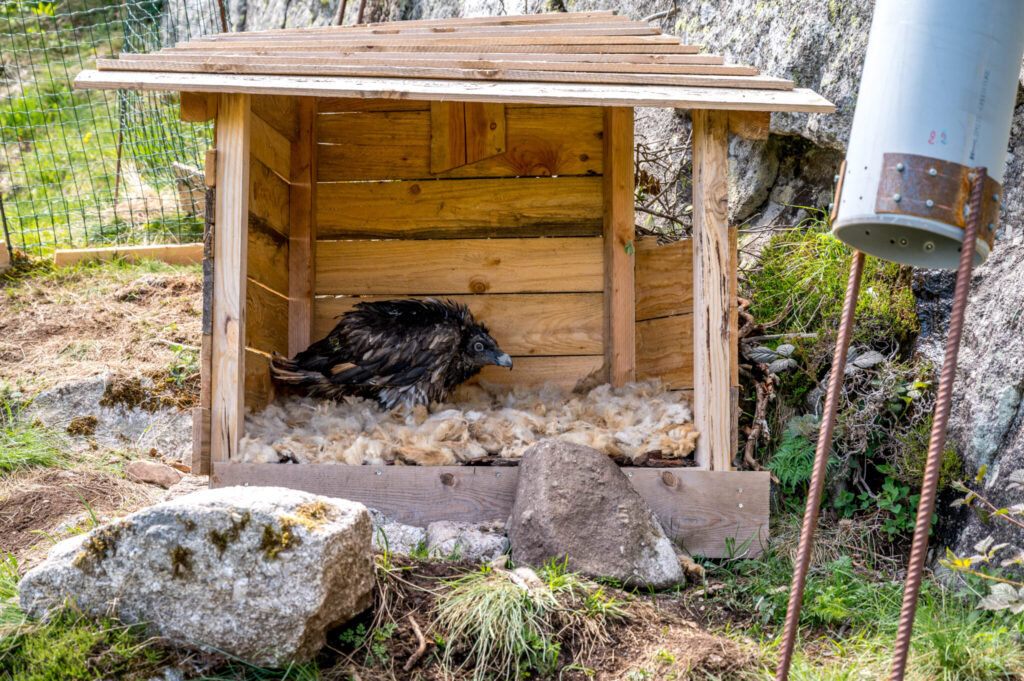
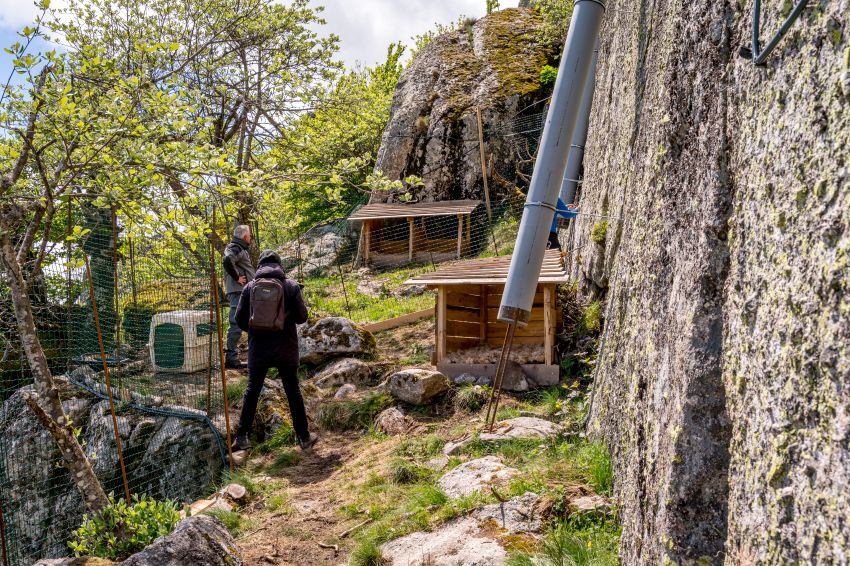
The release took place on the cliffs of Roc du Salidou, inside the Cévennes National Park. The area’s remote rock faces and rough terrain make it well-suited to one of Europe’s rarest mountain birds.
A growing network of release sites
For over a decade, conservationists have been working to restore Bearded Vultures to the southern Massif Central through a series of European LIFE projects. Until now, releases had been concentrated at the two historical sites, the Jonte gorges in Lozère and the Trévezel gorges in Aveyron, which have been used every year since the programme launched in 2012. The Aigoual massif is also far enough from both sites to help reduce the negative interactions that have been observed in recent years between in recent years between subadult birds and newly released juveniles.
The new site sits within a protected natural area managed by the Gard Department. Strategically placed between the Alps and the Pyrenees, it adds another link in the effort to reconnect isolated Bearded Vulture populations across the continent.
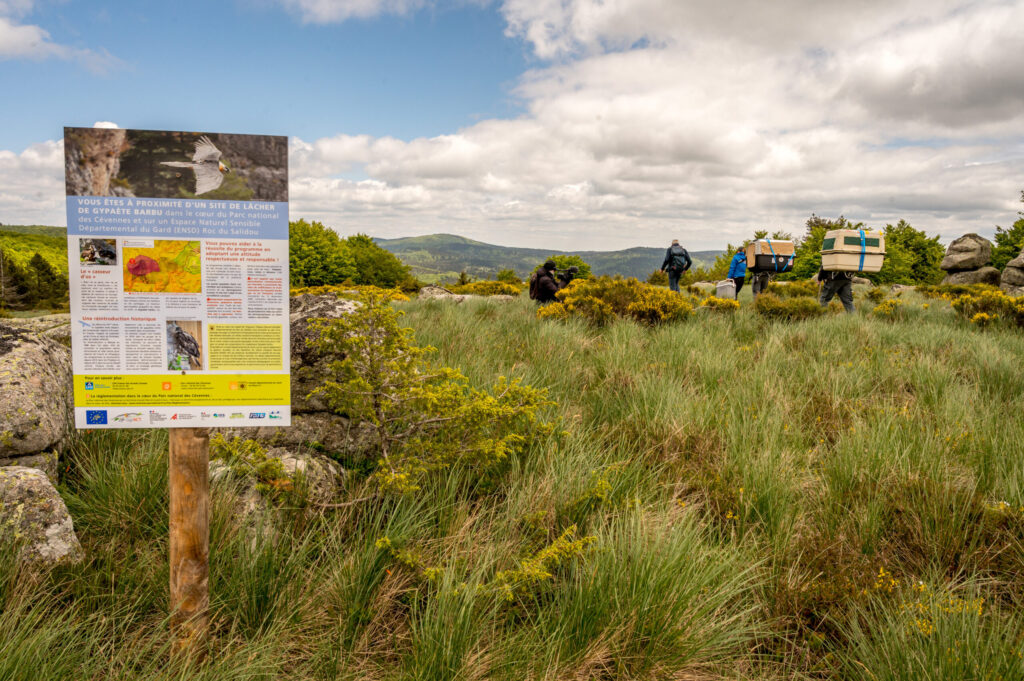
This year marks the fourteenth consecutive year of Bearded Vulture reintroduction in the Grands Causses region. Since 2012, 45 young Bearded Vultures have been released in the area under the LIFE GypConnect and LIFE Gyp’Act projects, and a second release is already planned for next month at the same site.
Two young vultures begin their journey
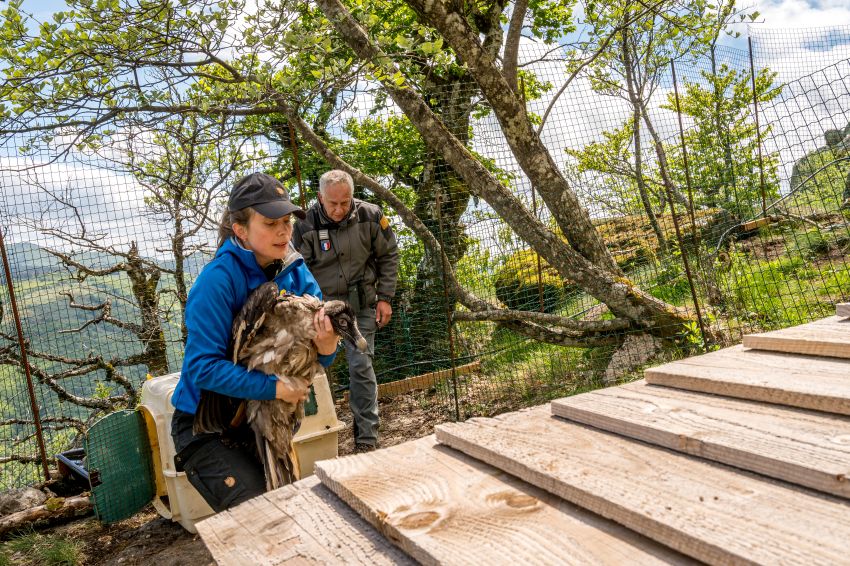
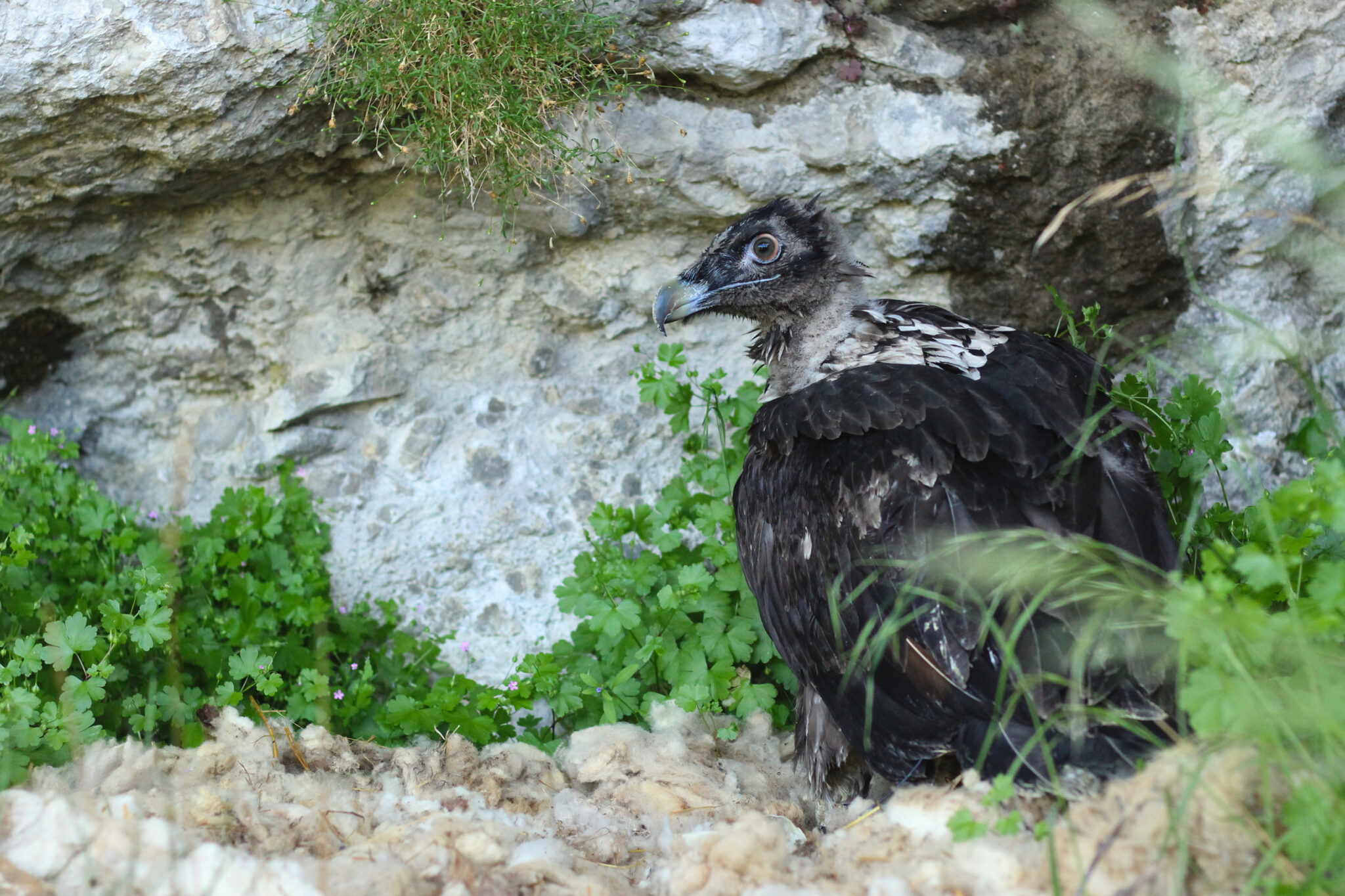
This year’s birds are named Valat and Viatge, chosen through a public naming initiative that drew 604 participants, showing the strong local engagement in the project.
The young female came from the Richard Faust Specialised Bearded Vulture Breeding Centre (RFZ) in Austria. The male hatched at Ostrava Zoo in the Czech Republic. Both institutions are part of the Bearded Vulture Captive Breeding Network, coordinated by the Vulture Conservation Foundation on behalf of EAZA, which manages captive breeding and transfers between conservation centres across Europe.
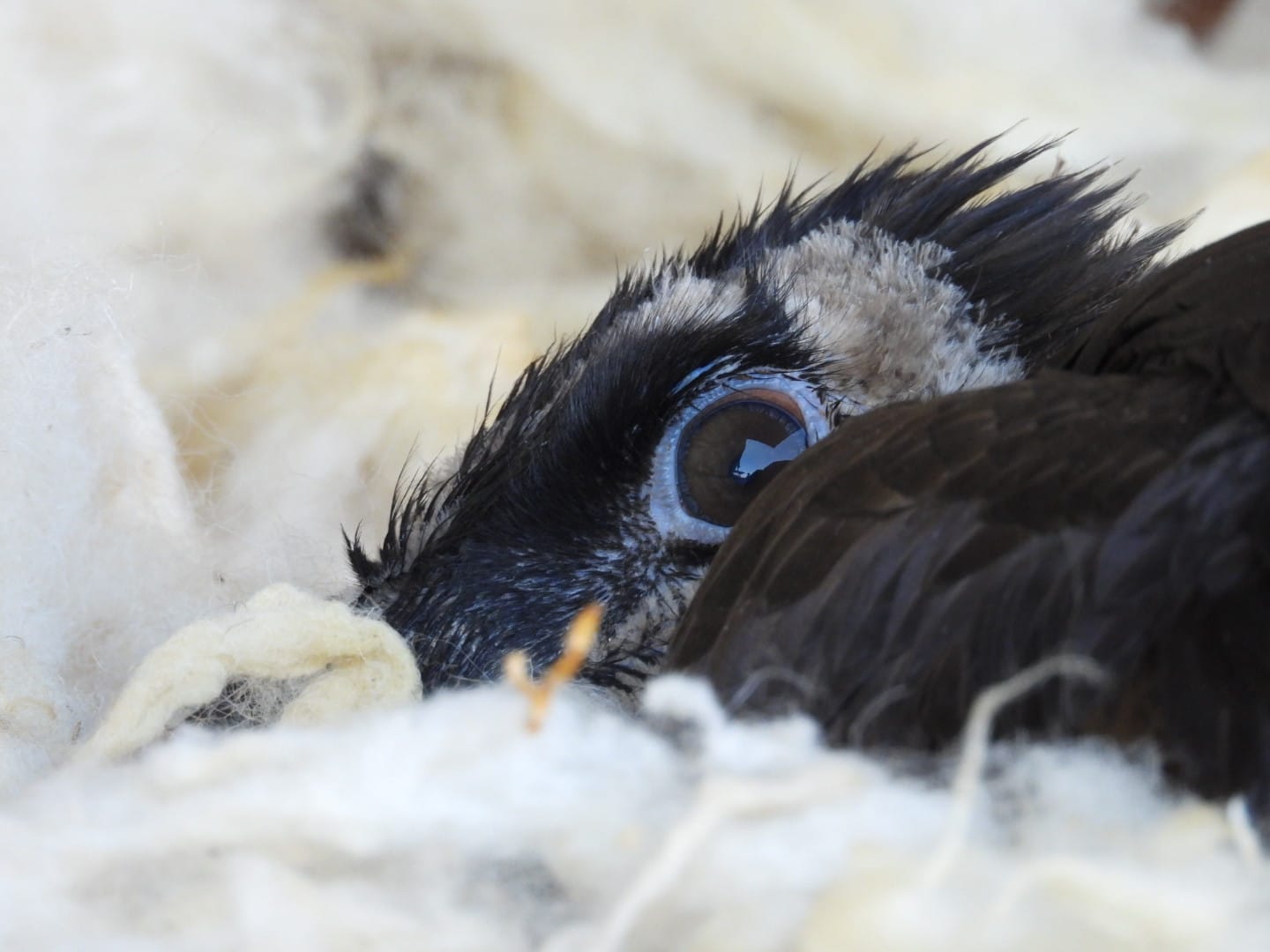
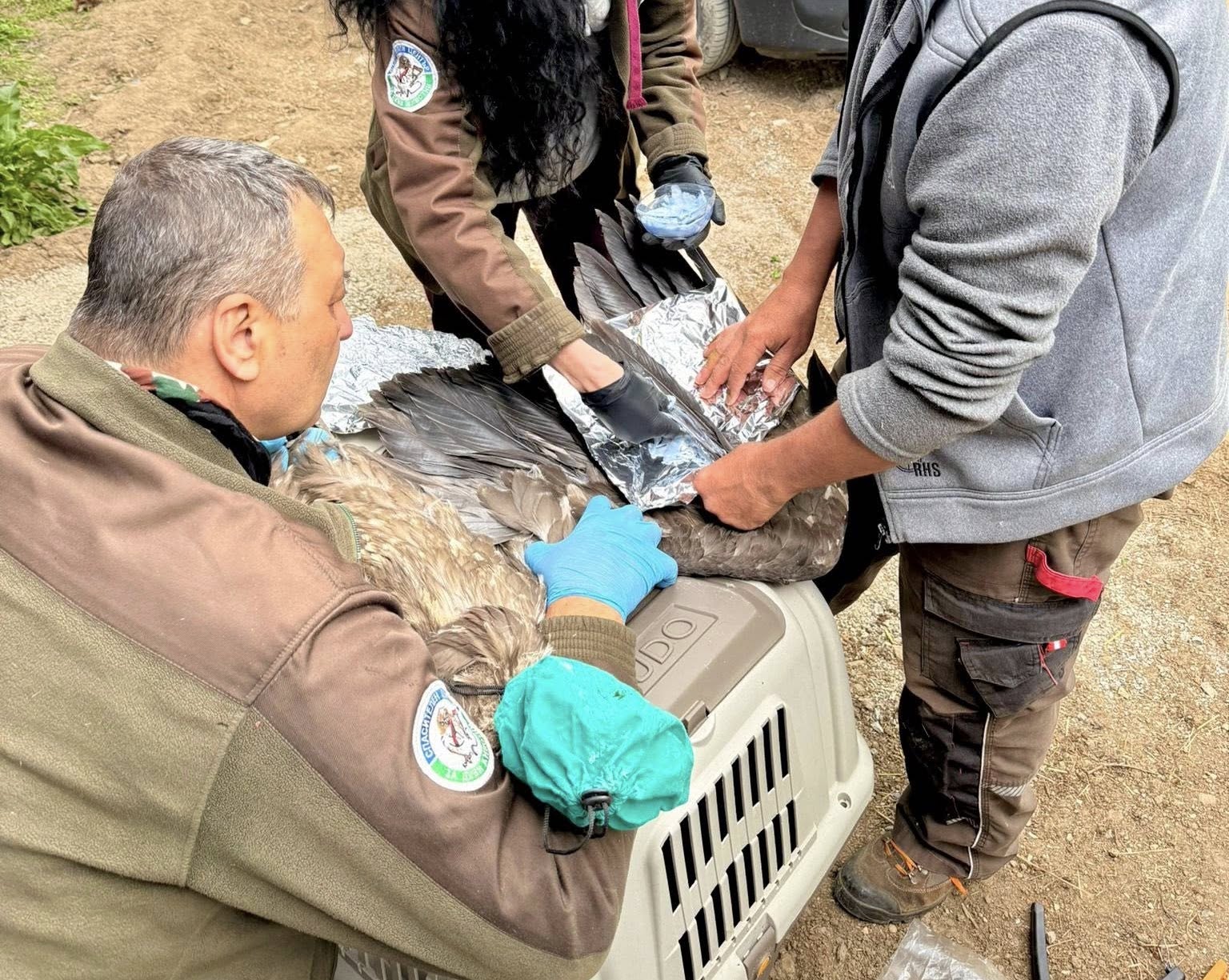
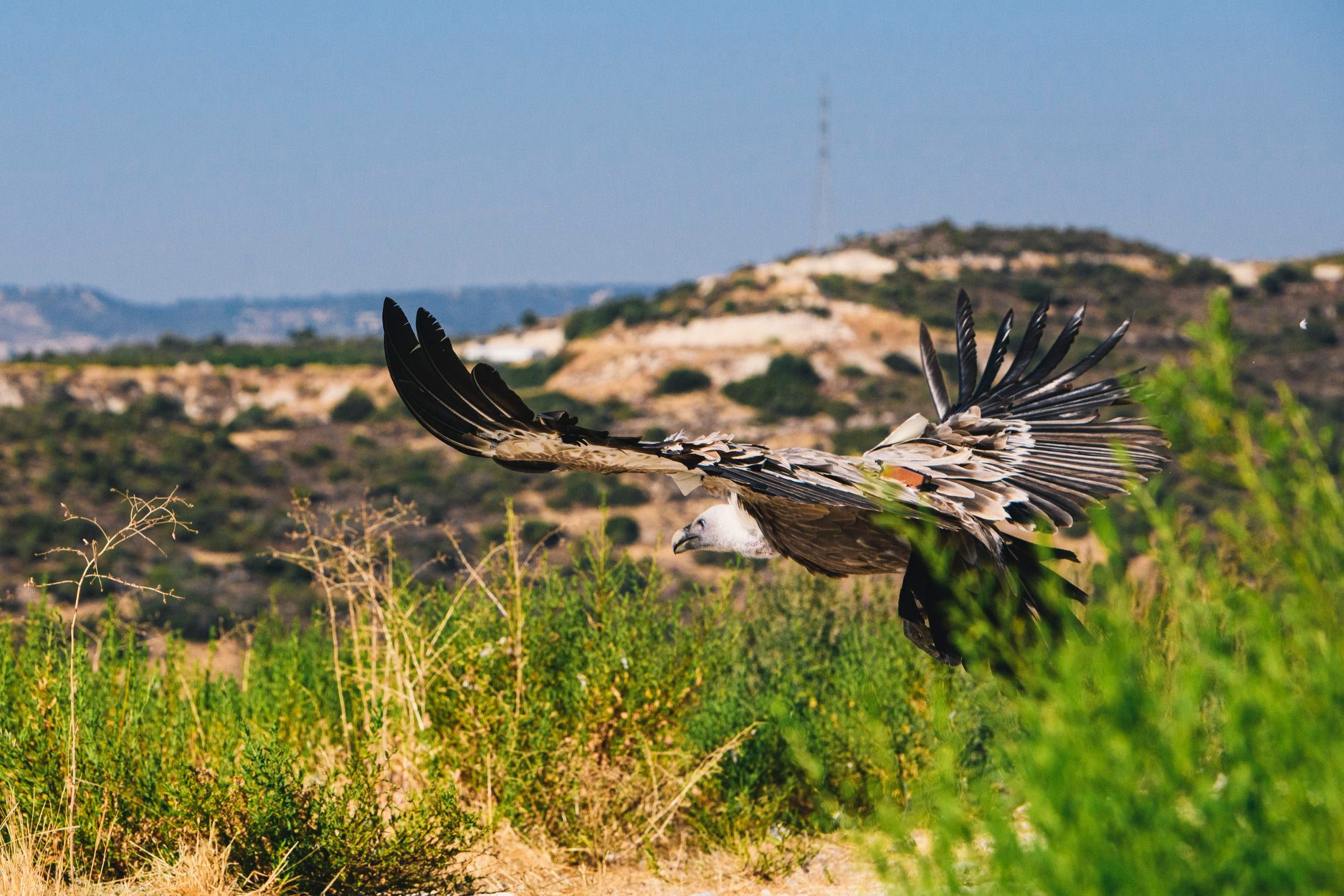
On 13 May 2026, the two birds were placed on the rocky ledge at Roc du Salidou. Before release, some of their feathers were bleached to make them easier to identify from a distance. They were also ringed and fitted with GPS trackers to allow monitoring after fledging, which is expected in around a month. Until then, they need time to acclimatise, learn their surroundings, and feed before becoming independent. A team is remotely tracking their progress every day.
A long-term vision for the species
Bearded vultures disappeared from much of Europe during the last century, mainly due to persecution and poisoning. Coordinated conservation work is slowly turning that around.
By bringing the reintroduction programme into the Cévennes, conservation partners aim to strengthen the ecological connections between existing populations and give the species a real foothold across southern Europe. After a first unsuccessful breeding attempt at the Grands Causses by a pair this winter, hopes of seeing a Bearded Vulture hatching in the wild are growing.
For Valat and Viatge, the next few weeks will matter most. Field teams will monitor them closely as they get their bearings and work up to their first flights above the cliffs of the Aigoual massif – the start, conservationists hope, of a long life in the wild.
Restoring the Bearded Vulture Alpine and Pyrenean populations
To restore the Bearded Vulture metapopulation between the Alps and the Pyrenees, the LIFE Gyp’Act project plans to release 60 captive-bred juveniles in different locations across Southern France and the Pre-Alps. The LIFE Gyp’Act builds on the legacy of the LIFE GypConnect and ensures the continuity of the conservation measures implemented so that Bearded Vultures continue to flourish.

LIFE Gyp’Act is a 13M€ project, co-funded by the EU’s LIFE programme, that will run until 30 November 2028. Project partners are LPO – Ligue pour la Protection des Oiseaux as coordinator beneficiary, and the Vulture Conservation Foundation, Association Vautours en Baronnies, LPO Auvergne-Rhone-Alpes, LPO Occitanie, Sorbonne Université, ENEDIS, Centre National d’Informations Toxicologiques Vétérinaires, Parc National des Cévennes e Parc Naturel Régional du Vercors as associated beneficiaries.