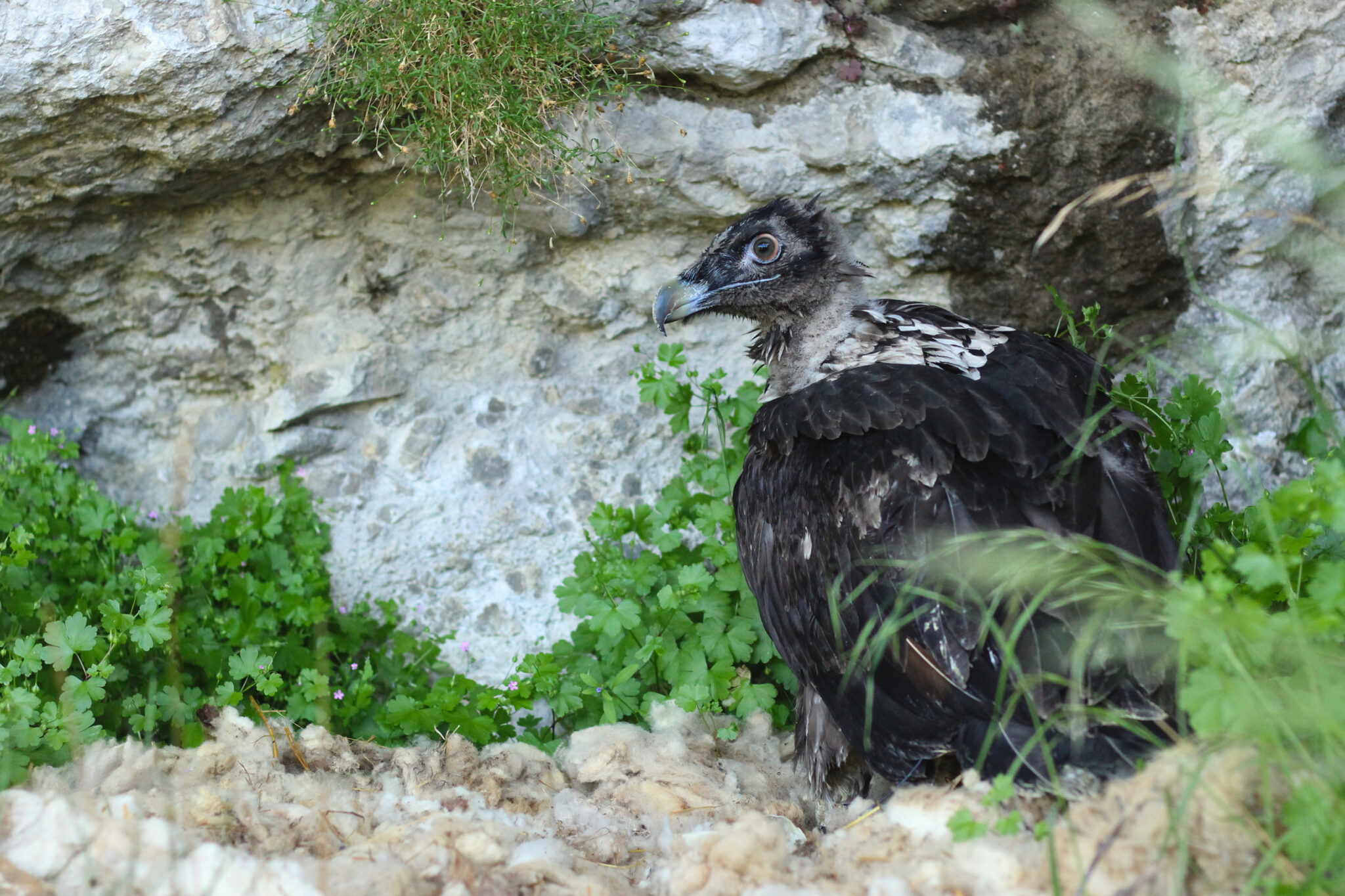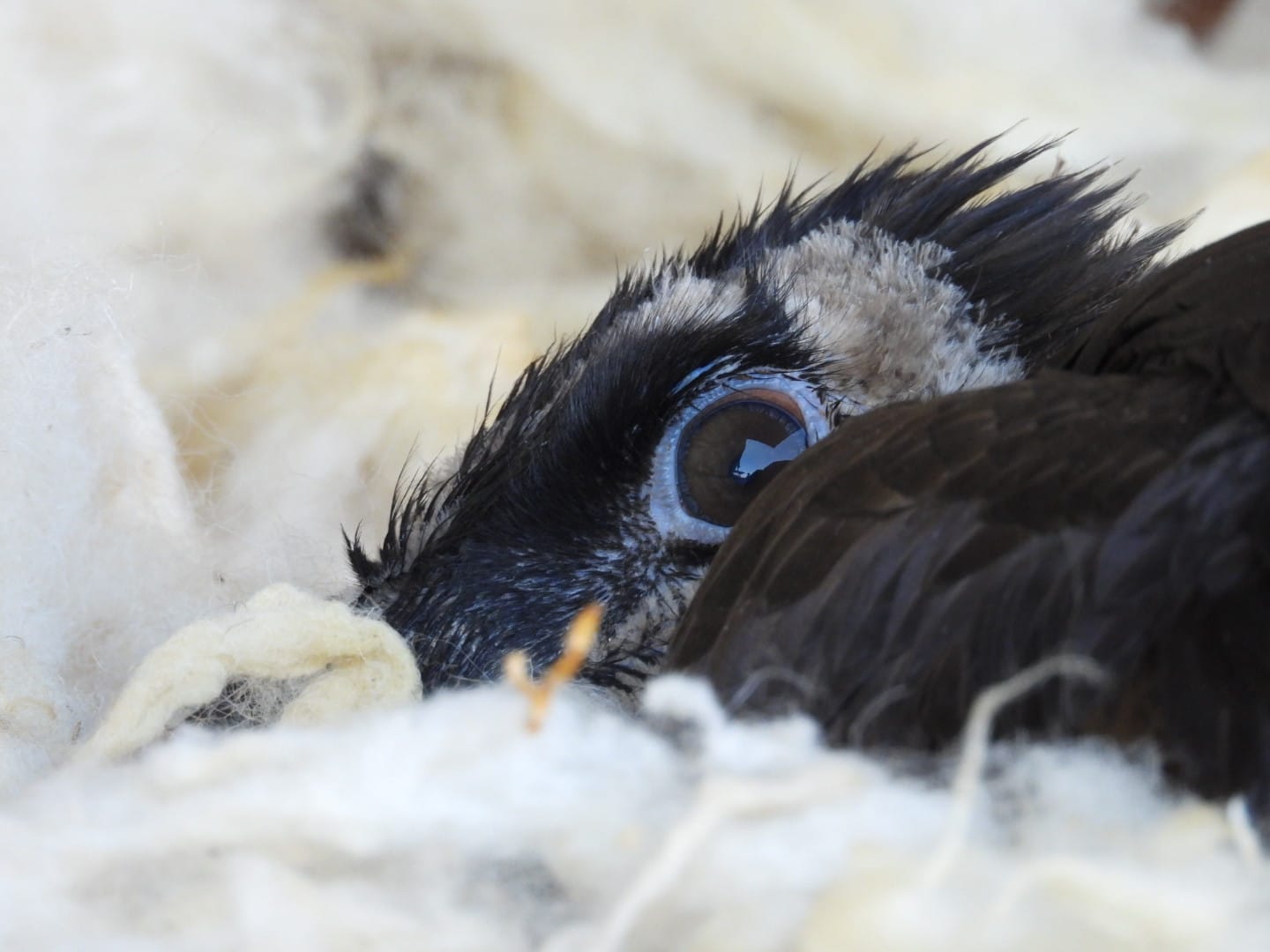
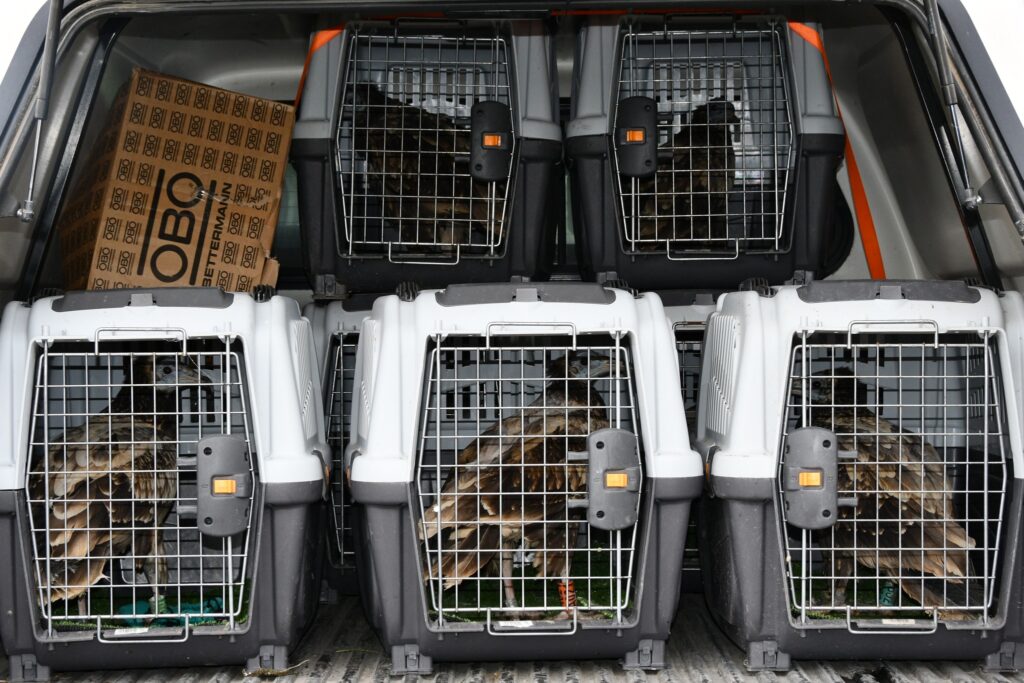
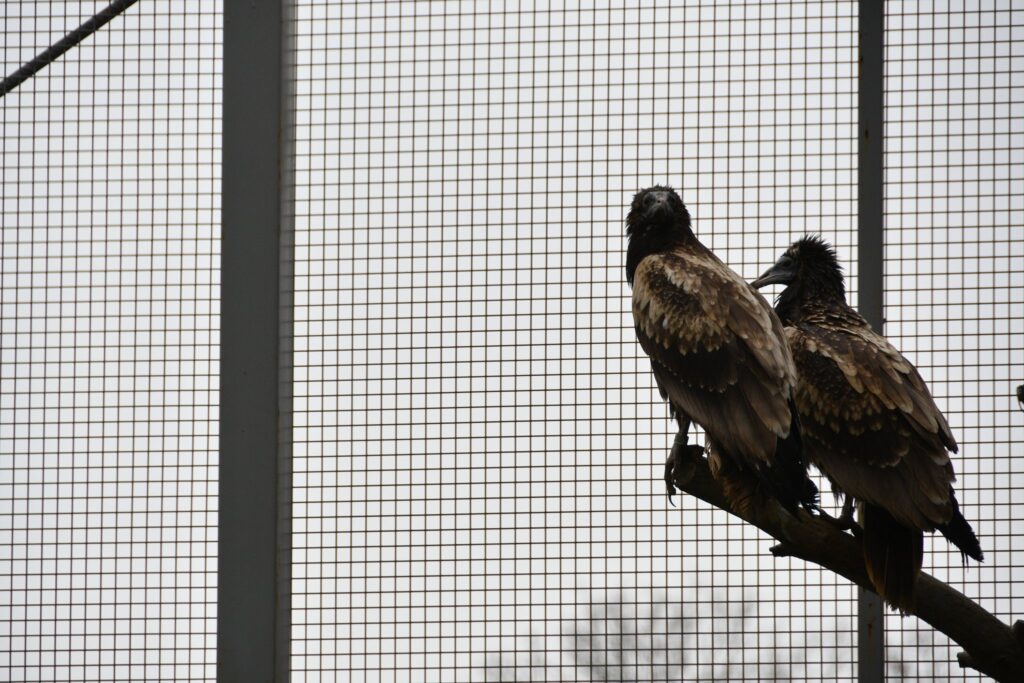
In early April, nine young Egyptian vultures were settled into an adaptation aviary located in the mountains of Bulgaria’s Eastern Rhodopes. The team at the Bulgarian Society for the Protection of Birds (BSPB) calls it the “Vulture School,” and this year, it has its biggest class yet.
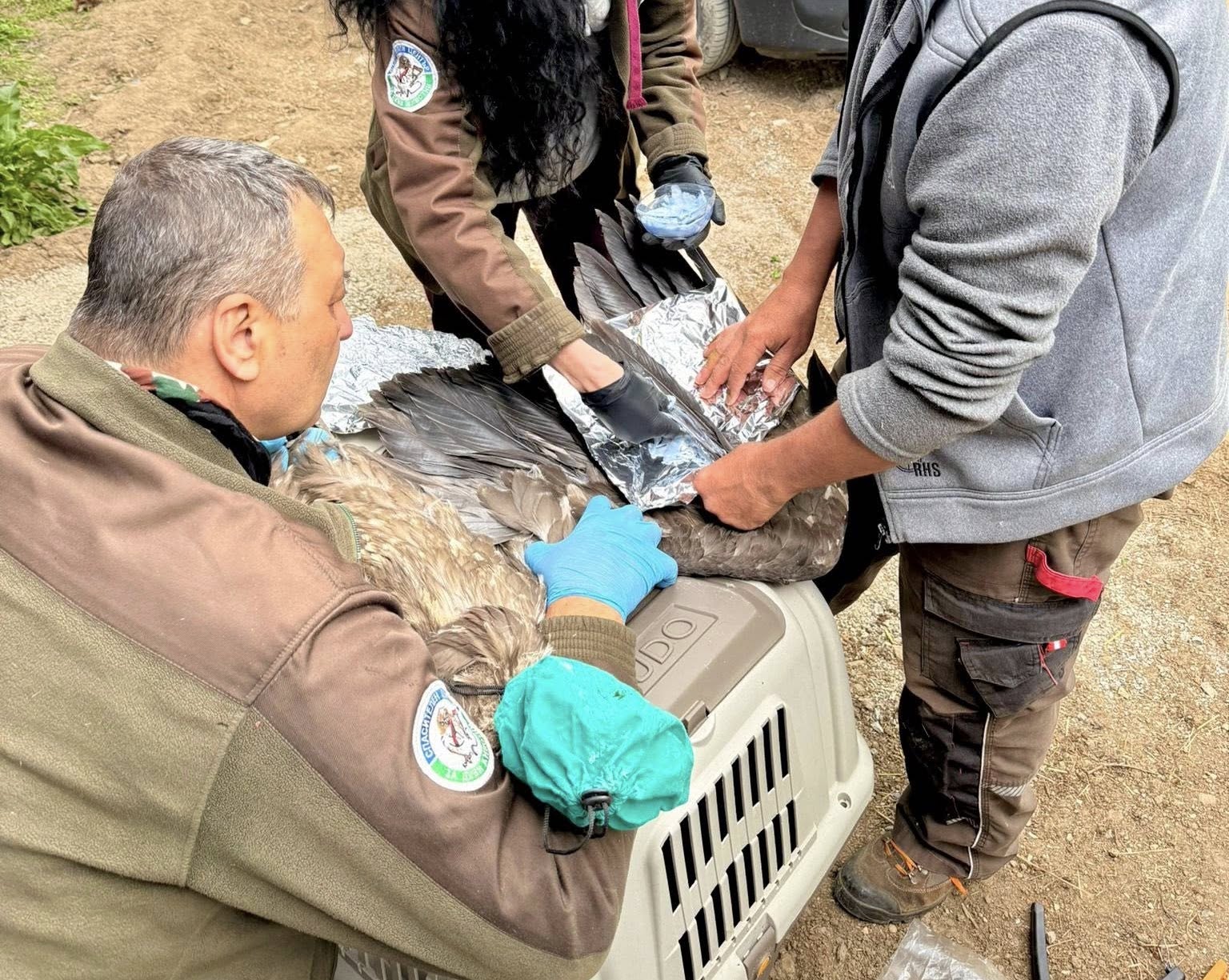
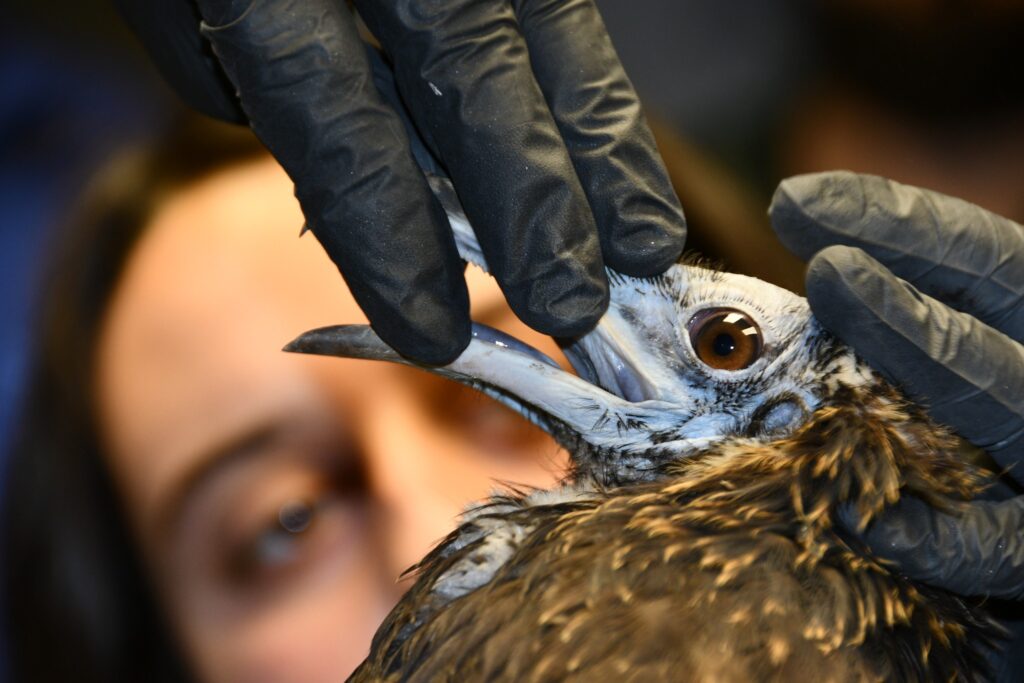
The birds were examined by veterinarians from the Wildlife Rescue Centre at Green Balkans, treated for parasites and fitted with identification rings so they can be recognised and tracked for the rest of their lives.
Nine birds, nine different stories
What makes this intake remarkable is not just the number, but where these birds came from.
Two were donated by Ostrava Zoo in the Czech Republic, which has been supporting the return of vultures to Bulgaria for several years.
One was hatched and raised at the Green Balkans’ Wildlife Rescue Centre itself by one of the resident breeding pairs. Two more were also raised at the Centre, but under more urgent circumstances: their eggs had been retrieved from a wild nest in the Eastern Rhodopes after another aggressive bird was threatening to break them. BSPB staff intervened, brought the eggs to safety, and the chicks hatched there instead.
The remaining four were rescued directly from wild nests in the Eastern Rhodopes and Northern Bulgaria last summer, some because a parent had died, others because they had hatched too late in the season to survive on their own. They spent the winter being cared for at the Rescue Centre.
What the Vulture School actually does
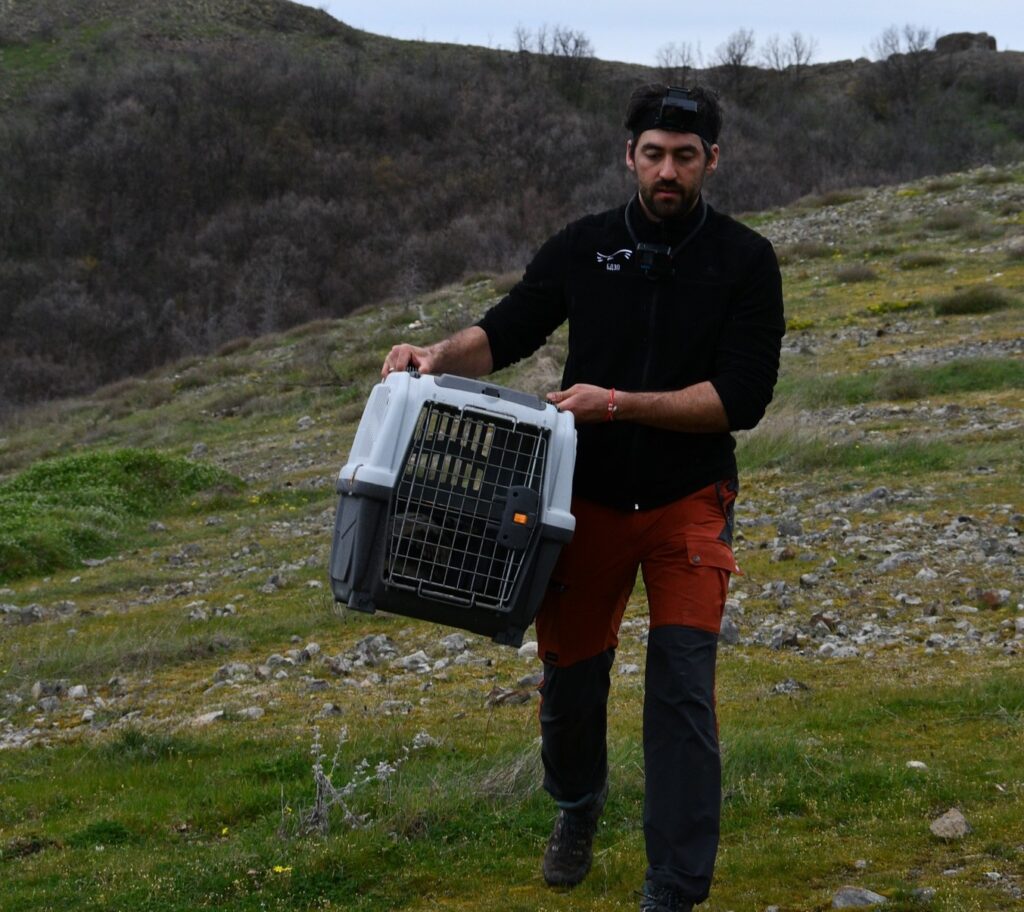
The aviary is positioned so that the young birds can see a nearby feeding station that wild Egyptian Vultures visit regularly. They watch. They learn. Over roughly two and a half months, they acclimatise to the local climate, learn to roost in trees at night, and get used to the kinds of food they will eventually need to find for themselves.
The people caring for them never let the birds see them. Food and water are delivered through special openings in the aviary, specifically to avoid the birds associating humans with food.
A species that needs every helping hand
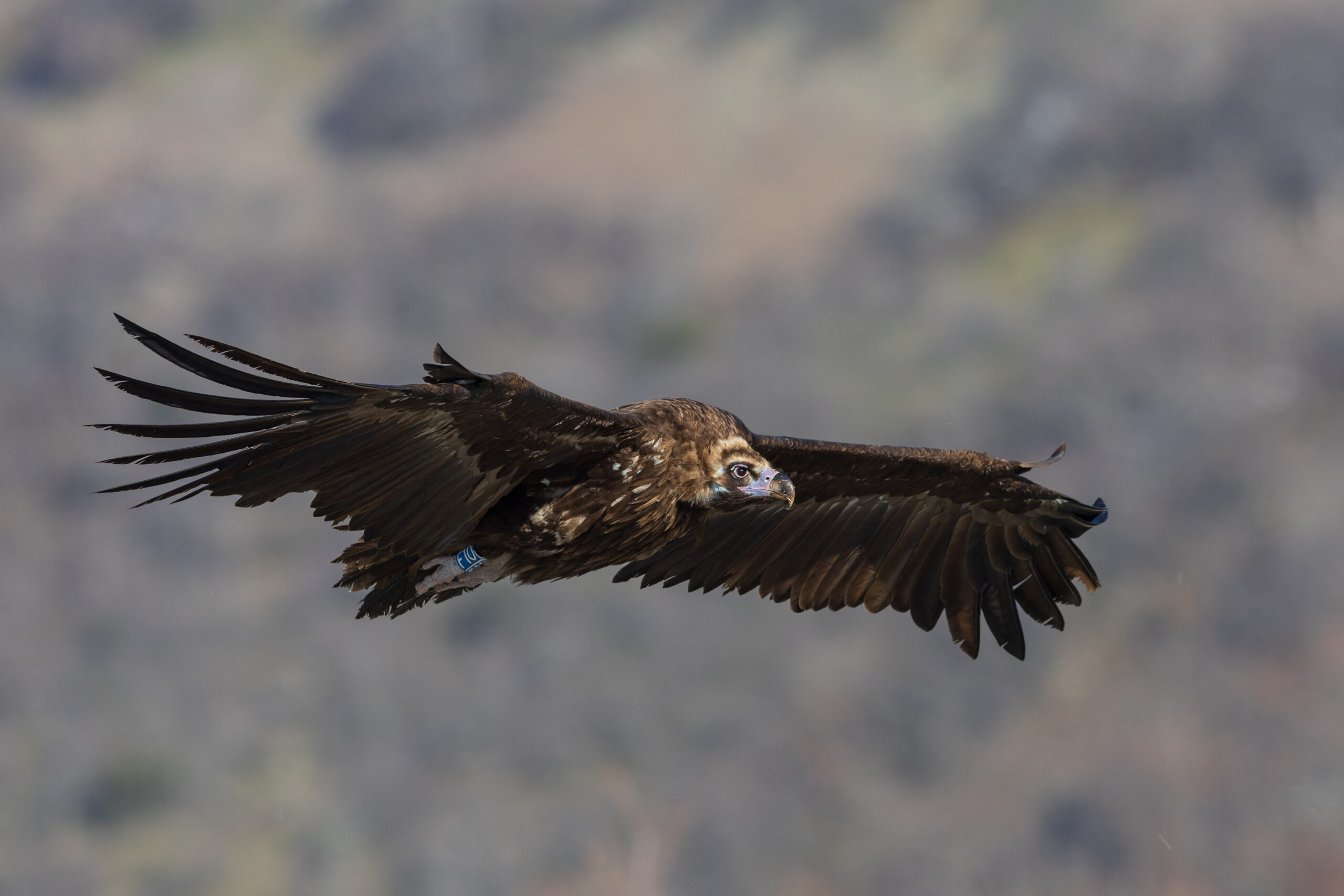
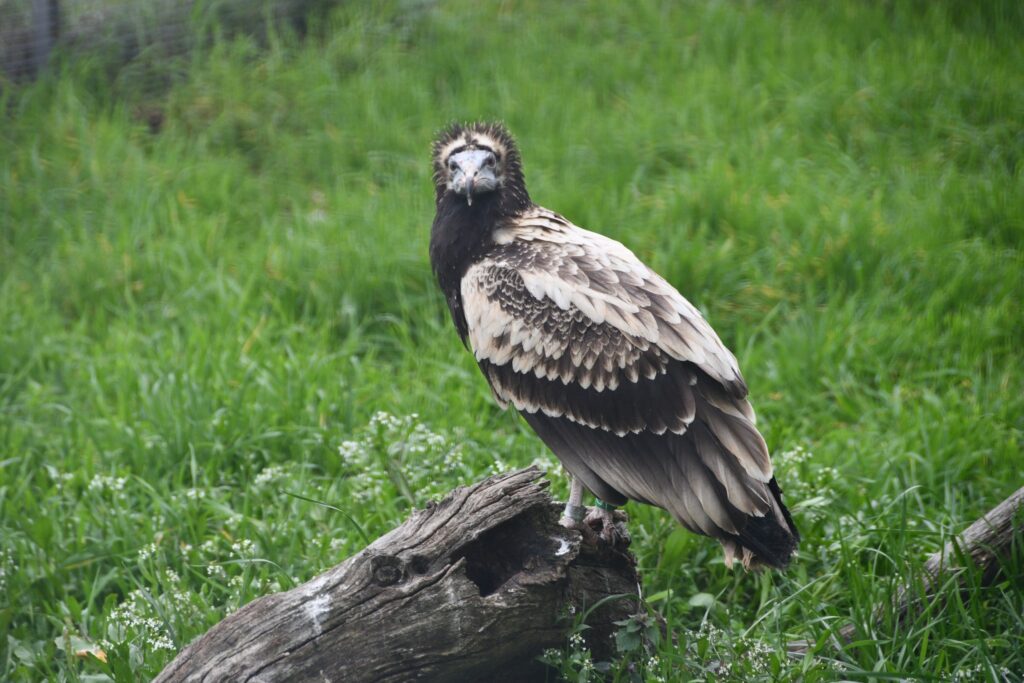
The Egyptian vulture is globally endangered. In Bulgaria right now, only around 35 breeding pairs remain.
The reinforcement programme that runs this school began in 2018. Since then, five birds released through the programme have gone on to form pairs with wild vultures, and together they have successfully raised three chicks in the wild.
None of this happens without collaboration. The Vulture School programme is led by BSPB and Green Balkans, working alongside the EAZA Ex Situ Programme for Egyptian Vultures, coordinated by Antonín Vaidl of Prague Zoo.
Source: BSPB