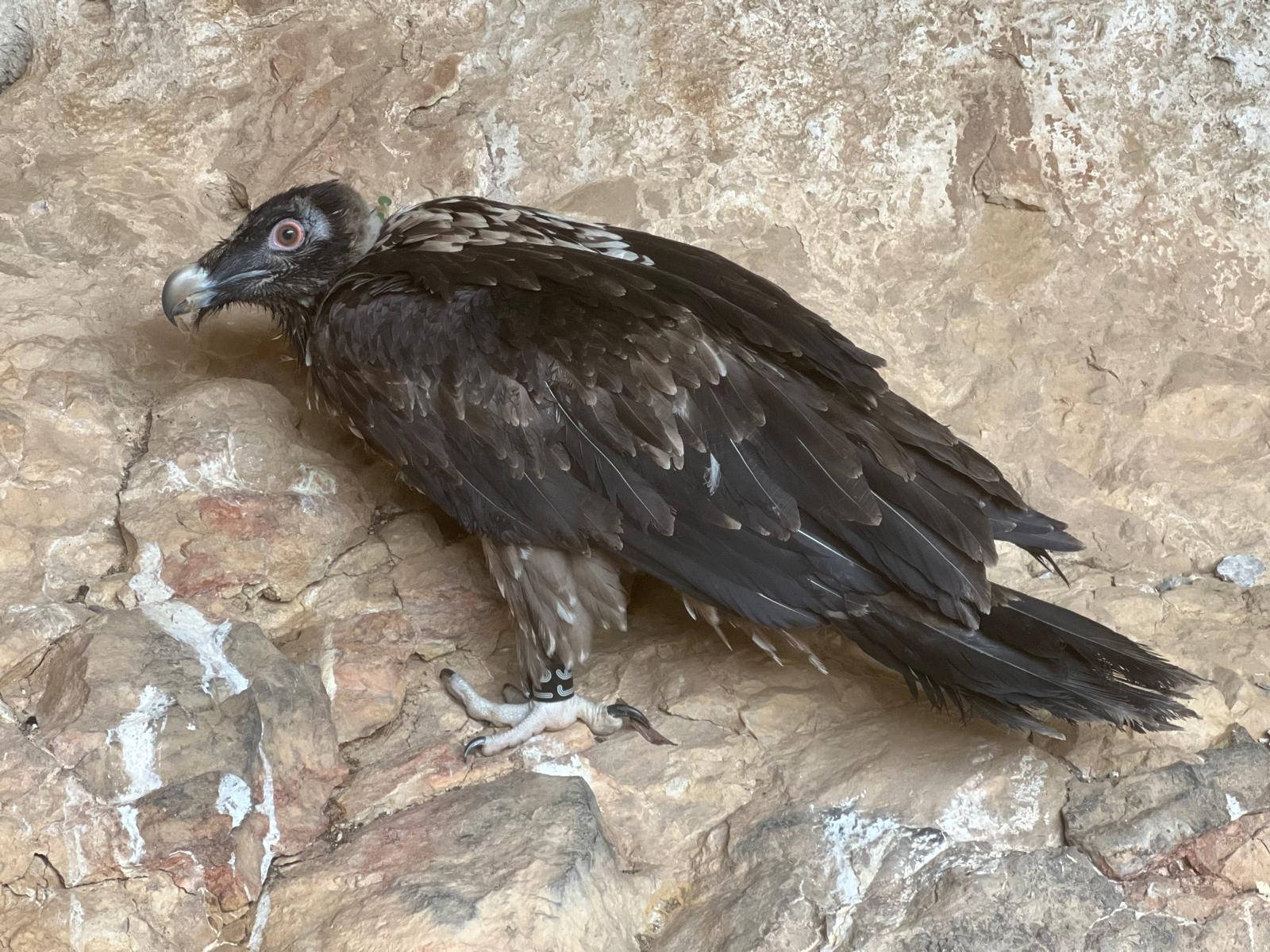
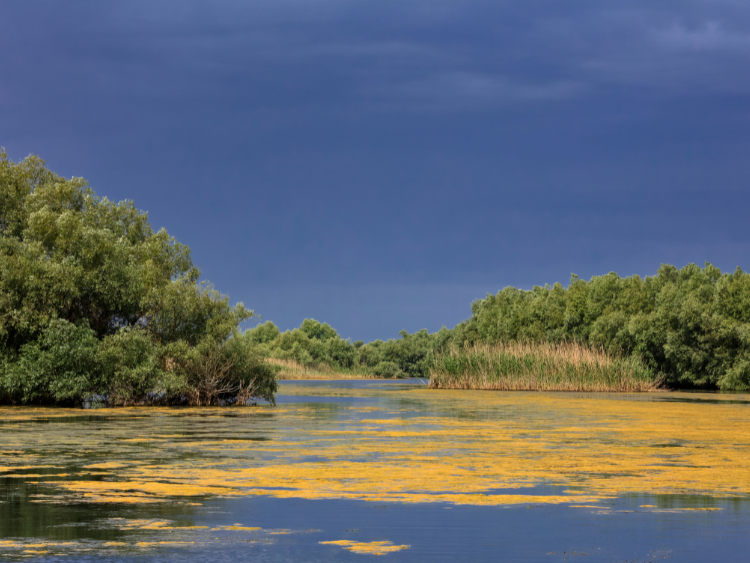
Romania is home to some of Europe’s most significant wildlife, like large carnivores in the Carpathians and fish and birds in the Danube Delta. But illegal hunting and fishing remain serious conservation concerns, and the country still lacks a centralised system for tracking them.
A recent study published in Nature Conservation by Andra Claudia Neagu, Steluta Manolache, and Laurentiu Rozylowicz examined Romanian media reports from 2007 to 2024 to build a clearer picture of poaching in the country, including which species are most affected, where incidents occur, what methods are used, and what drives them.
Because no centralised official database exists for illegal hunting incidents in Romania, media reports offer a practical, if imperfect, window into patterns that would otherwise be hard to assess. The authors are upfront about this: media coverage doesn’t capture the full scale of poaching, and certain species, locations or types of incident may be over- or under-represented.
What the research covered
The team reviewed national and local online publications using Romanian-language search terms for poaching, illegal hunting and illegal fishing. After filtering duplicates and irrelevant articles, they analysed 1,105 reports spanning 2007 to 2024, recording species, location, method used and, where identifiable, motivation. In 650 articles, or nearly 59% of cases, the motivation couldn’t be determined.
Which species appeared most
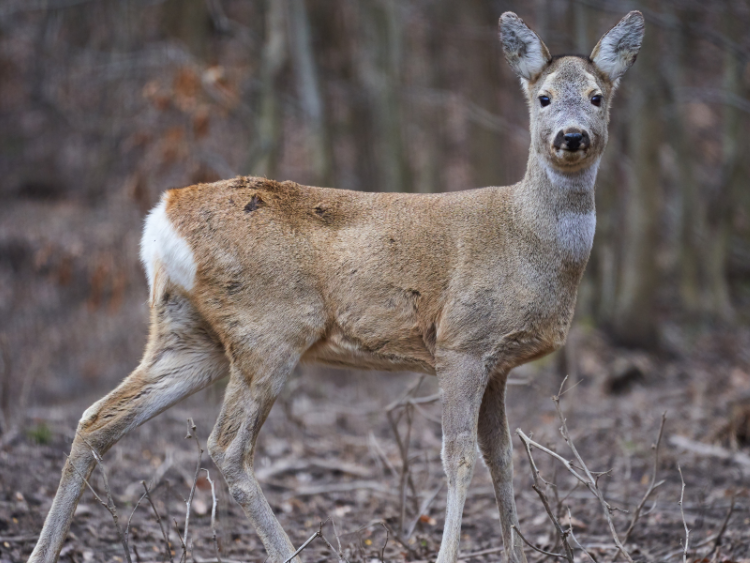
Ungulates were the most frequently reported group, featuring in 461 articles (41.72%). Roe deer appeared most often, in 249 articles (22.53%), followed by wild boar in 181 (16.38%).
Fish and aquatic species came second, appearing in 373 articles (33.76%). Illegal fishing was heavily concentrated in Tulcea County, which overlaps with the Danube Delta – it had the highest number of poaching-related reports overall, with 103 articles, including 88 on illegal fishing alone.
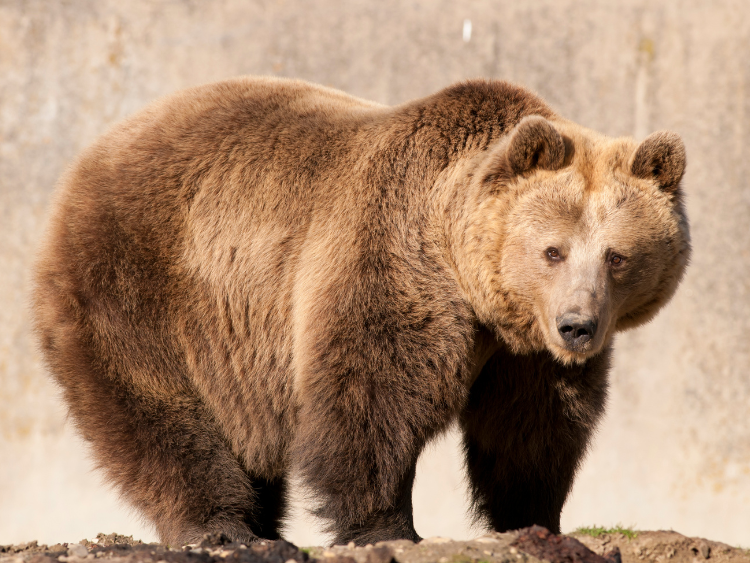
Large carnivores appeared less frequently but remain a significant conservation concern. Brown bears featured in 69 articles, grey wolves in 10.
Why it happens
Poaching doesn’t have a single cause, and the study reflects that.
Where motivations could be identified, the most common was the commercial sale of meat or animal products, recorded in 212 articles, especially linked to fish and aquatic species. Individual use of meat appeared in 137 articles, and trophy hunting in 131, both more common in cases involving birds, ungulates and other mammals.
For large carnivores, the picture was different. Reports involving bears and wolves were more often linked to livestock or property protection, self-defence, accidents, misidentification, or simply low tolerance toward the animals. Human-wildlife conflict, in other words, plays a distinct and important role here.
How it’s carried out
Shooting was the most commonly reported method, recorded in 497 articles. Illegal fishing appeared in 373, and unauthorised or rigged traps in 104. Large carnivore cases had a notable association with snares, a concern because these methods can harm non-target species too.
The data gap
One of the study’s most valuable contributions is highlighting what we still don’t know. In over 84% of reported events, articles only noted that equipment or animals had been confiscated and a criminal case opened, with no follow-up on outcomes, prosecutions or penalties. That makes it difficult to assess how effective enforcement has been.
This is key since good conservation responses depend on reliable information: which species are most affected, where incidents cluster, what methods are being used, and why.
What needs to happen
The study makes the case for stronger enforcement, particularly in poaching hotspots and protected areas, alongside better monitoring and resources for rangers. But enforcement alone won’t fix the problem.
Prevention, public awareness and community involvement matter just as much. In areas where economic opportunities are limited, practical support for local communities is part of the equation too.
For large carnivores specifically, reducing conflict is key. Measures that help people and wildlife coexist, such as better livestock protection, local engagement and intervention support, can address some of the underlying conditions that lead to illegal killing in the first place.
The study also points to the potential of technology: camera traps, citizen science, drones and AI tools that can flag suspicious online activity. These aren’t replacements for on-the-ground work, but they can strengthen monitoring where resources are stretched.
What this means for conservation
This study doesn’t claim to show the full scale of poaching in Romania. What it does is offer a careful picture of what media reports can reveal and, just as importantly, what remains hard to see.
Illegal fishing in the Danube Delta, trophy and meat-driven hunting of ungulates, and conflict-related killing of large carnivores are not the same problem. They need different responses. Addressing wildlife crime effectively means better data, stronger coordination, and solutions that reflect why poaching is happening, not just that it is.
This study is relevant to the WildLIFE Crime Academy’s work in Romania and links directly to the project’s Romania‑focused actions: conducting in‑depth baseline assessments, establishing a National Working Group on Wildlife Crime, drafting national protocols and a Road Map, delivering national training for enforcement and forensic actors, and adapting and deploying monitoring tools (including the early‑warning app).