The Portuguese authorities – Institute for Nature Conservation and Forests (ICNF) and the National Republican Guard (GNR) – are investigating the death of 17 Red kites in central Portugal, but the crime of poisoning appears to be one of the most likely causes. If the investigation concludes that poisoning occurred, it could be the most serious case ever recorded in Portugal regarding the number of dead Red kites.
Case under investigation
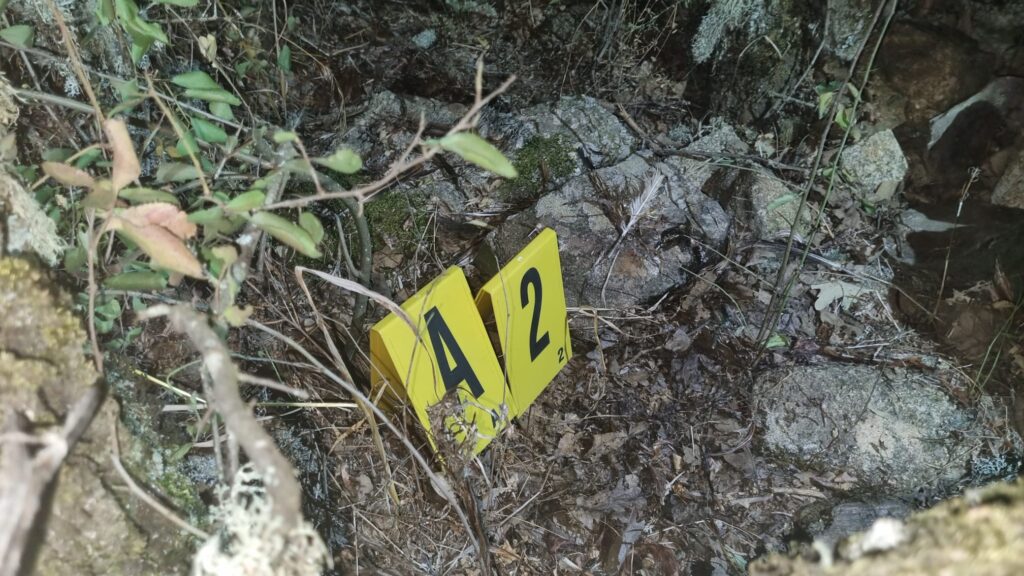
On 12 January, the ICNF received a report regarding the death of wild birds in Leomil, in the municipality of Almeida. Following the protocol for these situations, the competent criminal police body, the GNR, was mobilised, and prospecting and evidence collection were carried out to proceed with the investigation of the case. “As soon as the results of the forensic analyses of the evidence collected at the scene are known, the ICNF will take the necessary measures within the scope of its powers,” the ICNF stated.
Suspicions of poisoning
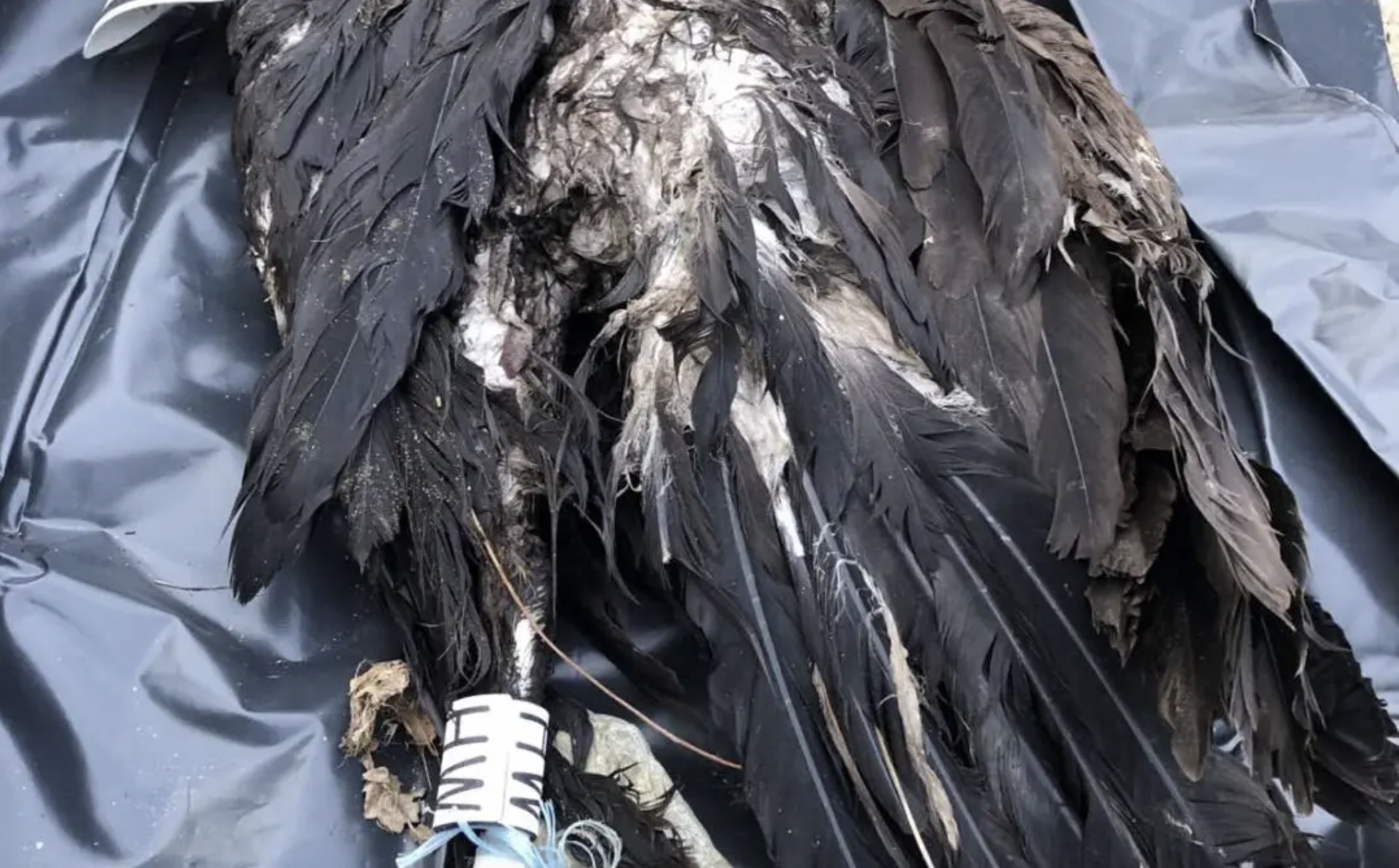
Although no cause has been formally put forward, the high number of dead birds in the same area in a short space of time seems to point to a case of deliberate poisoning. If confirmed, this would not be the first case of Red Kite (Milvus milvus) mortality in suspicious or confirmed poisoning events. According to GNR data, published in a LIFE Aegypius Return report in 2024, at least 21 Red kites died in 19 analysed cases between 01/01/2021 and 30/06/2024. Three individuals (from three different cases) were confirmed to have been poisoned, specifically with strychnine and carbofuran.
The recent case in Leomil appears to be the most serious case ever recorded in Portugal, in terms of the number of Red kites killed. It is all the more serious because it is a threatened, protected species, whose breeding population in Portugal holds the conservation status of “Critically Endangered.”
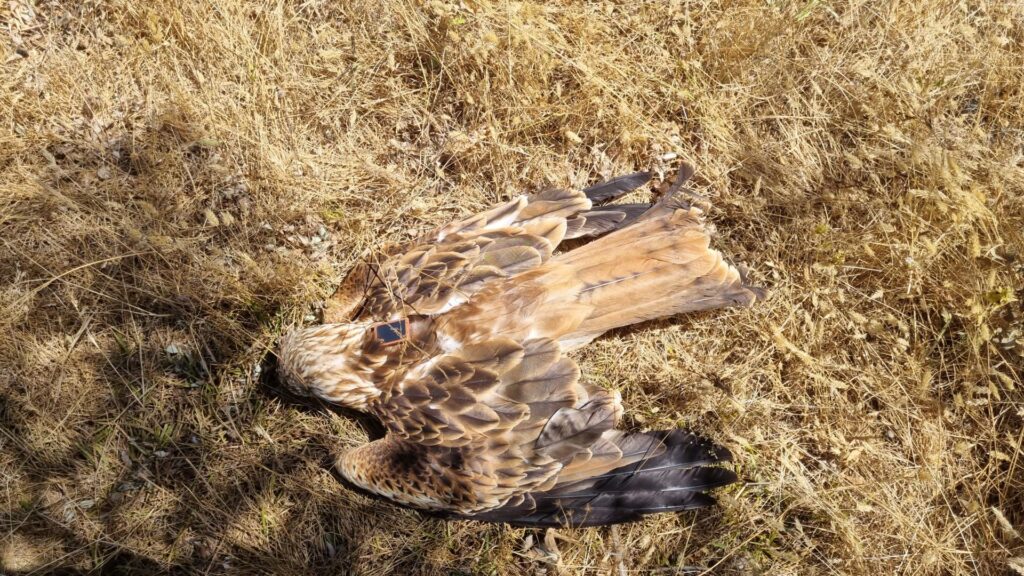
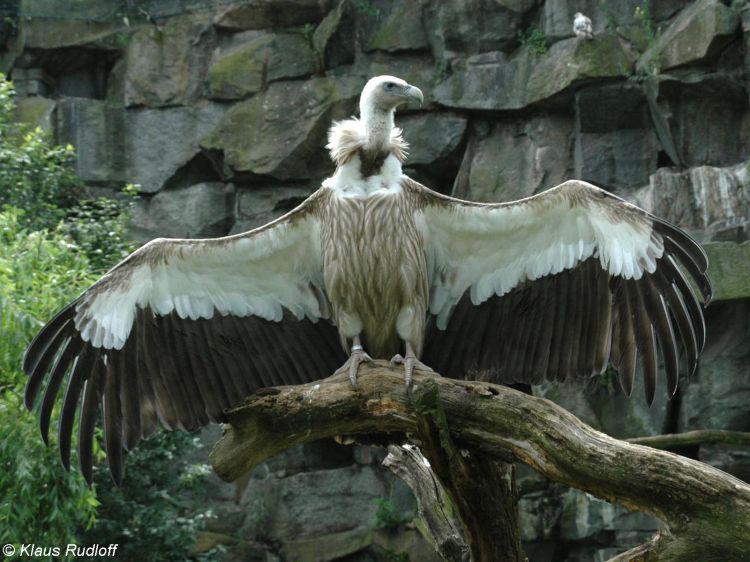
Poisoning is one of the main threats to biodiversity conservation and has severe impacts, especially on species already at risk, such as the Red kite or the cinereous vulture (Aegypius monachus), but it also poses risks to domestic animals and people. The illegal use of poisons, despite being a criminal offence punishable by a prison sentence, is still a relatively common practice in Portugal and worldwide. A proper criminal investigation is fundamental to establishing the facts and identifying potential suspects, who should be brought to court so that the prevailing sense of impunity can end once and for all.
A harmless species threatened with extinction
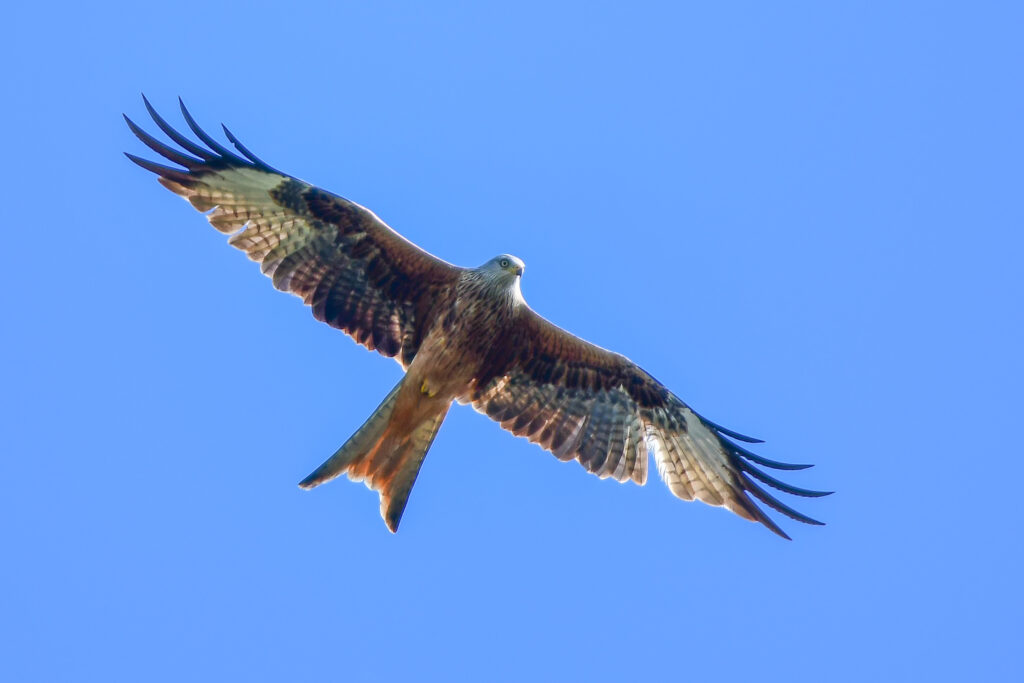
The Red kite is a mostly carnivorous and opportunistic bird of prey, whose habits also include necrophagy, which makes it vulnerable to poisoning through the consumption of baits or contaminated animals. Between 2021 and 2024, Red kites accounted for 34% of wild animals killed in suspected (or confirmed) cases of poisoning. Poisoning, habitat loss and alteration, as well as mortality from power lines, are the primary mortality factors that have contributed to the decline of the species in Portugal, particularly as a breeding species.
In Portugal, Red kite populations have two types of dynamics. There are wintering groups from the centre and north of Europe, which generally concentrate in large roosts, for example, in the interior of the Alentejo, Beiras and Trás- os-Montes. The Iberian Peninsula therefore plays a very important role in the conservation of European populations, as a harmful event there can have serious consequences on a continental scale.
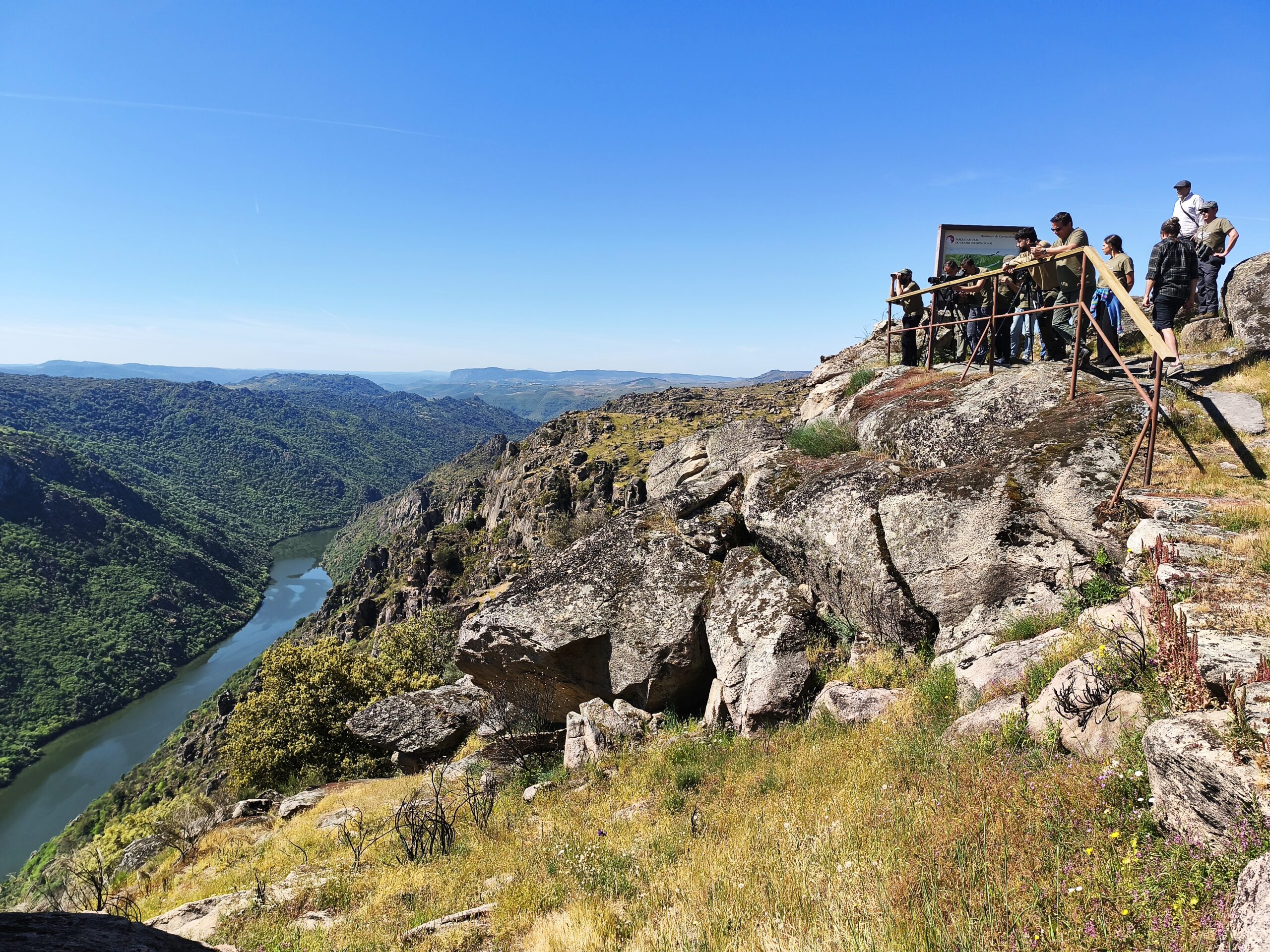
The breeding population is very small and is mainly concentrated in the open or mosaic landscapes of the interior of the border region of Portugal. The highest densities are found in the Mirandese Plateau (Planalto Mirandês), where it has been the target of many conservation efforts by organisations such as Palombar and the ICNF, as well as reinforced surveillance actions by the GNR.
Other partners in the LIFE Aegypius Return project, such as LPN (League for the Protection of Nature), Faia Brava, and SPEA (Portuguese Society for the Study of Birds) have also dedicated conservation efforts to the species’ recovery, and regularly organise winter censuses of the species.
Collective repudiation
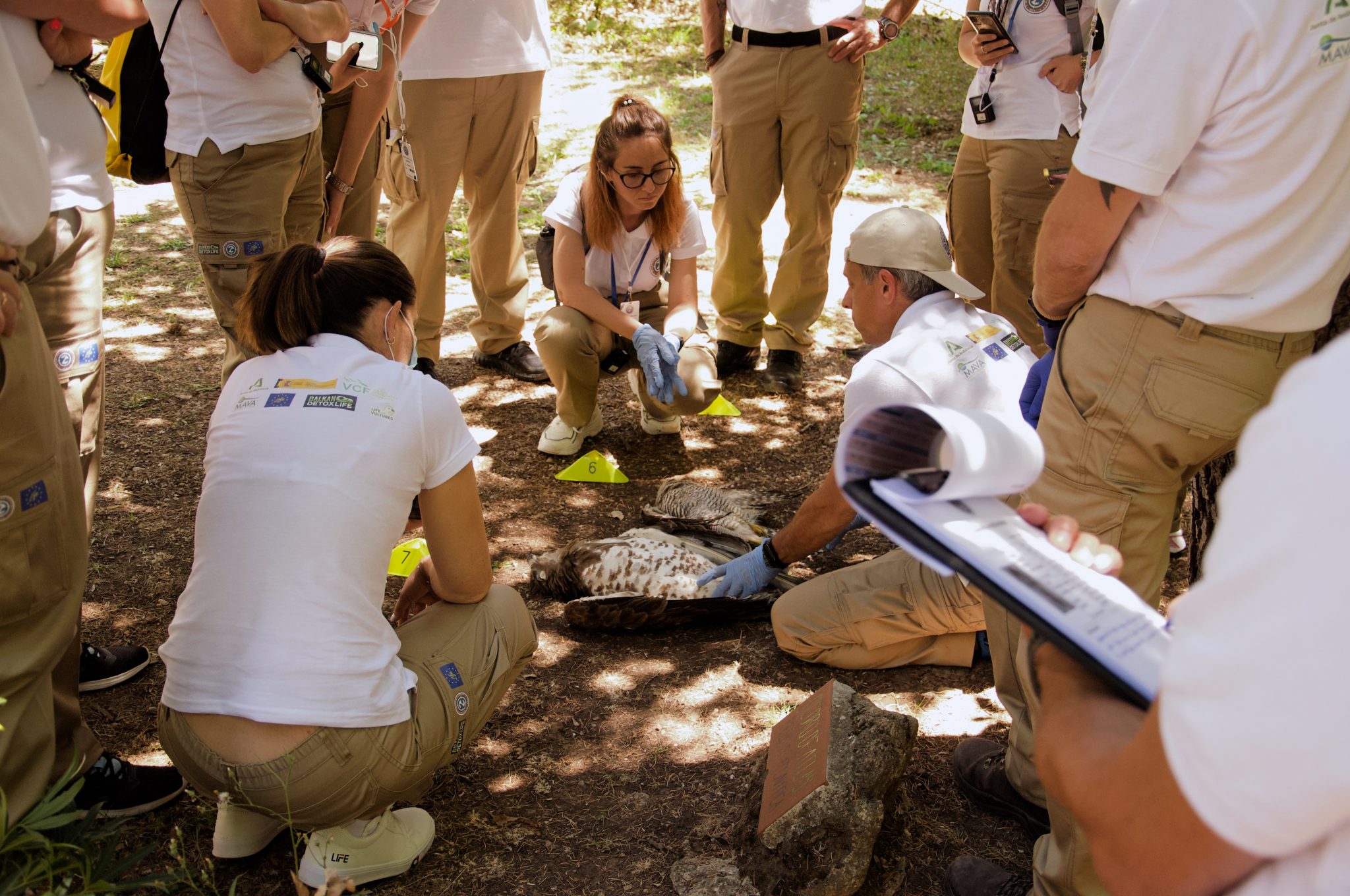
The LIFE Aegypius Return partners express their total repudiation of any type of environmental crime and their availability to assist authorities in establishing the facts and combating wildlife crime through cooperation and the promotion of capacity-building actions such as the WildLIFE Crime Academy. Regarding the Leomil case, SPEA is also available to act as an assistant in the legal proceedings.
About LIFE Aegypius Return
The LIFE Aegypius Return project is co-financed by the European Union’s LIFE programme. Its success depends on the involvement of all the relevant stakeholders, and the collaboration of the partners: the Vulture Conservation Foundation (VCF), the coordinating beneficiary, and the local partners Palombar – Conservação da Natureza e do Património Rural, Herdade da Contenda, Sociedade Portuguesa para o Estudo das Aves, Liga para a Protecção da Natureza, Associação Transumância e Natureza, Fundación Naturaleza y Hombre, Guarda Nacional Republicana and Associação Nacional de Proprietários Rurais Gestão Cinegética e Biodiversidade.