For many years, the Egyptian Vulture was on the verge of extinction in Bulgaria. Once common across the country, their numbers steadily dropped due to poisoning, electrocution and high death rates during migration. By 2019, there were just 24 breeding pairs left in the entire country. But the latest data from 2025 tells a different story, one of hope and hard-earned progress. This turnaround hasn’t been sudden. It’s a result of the long-term reinforcement programme built on strong science and dedicated work in the field.
Population recovery in numbers
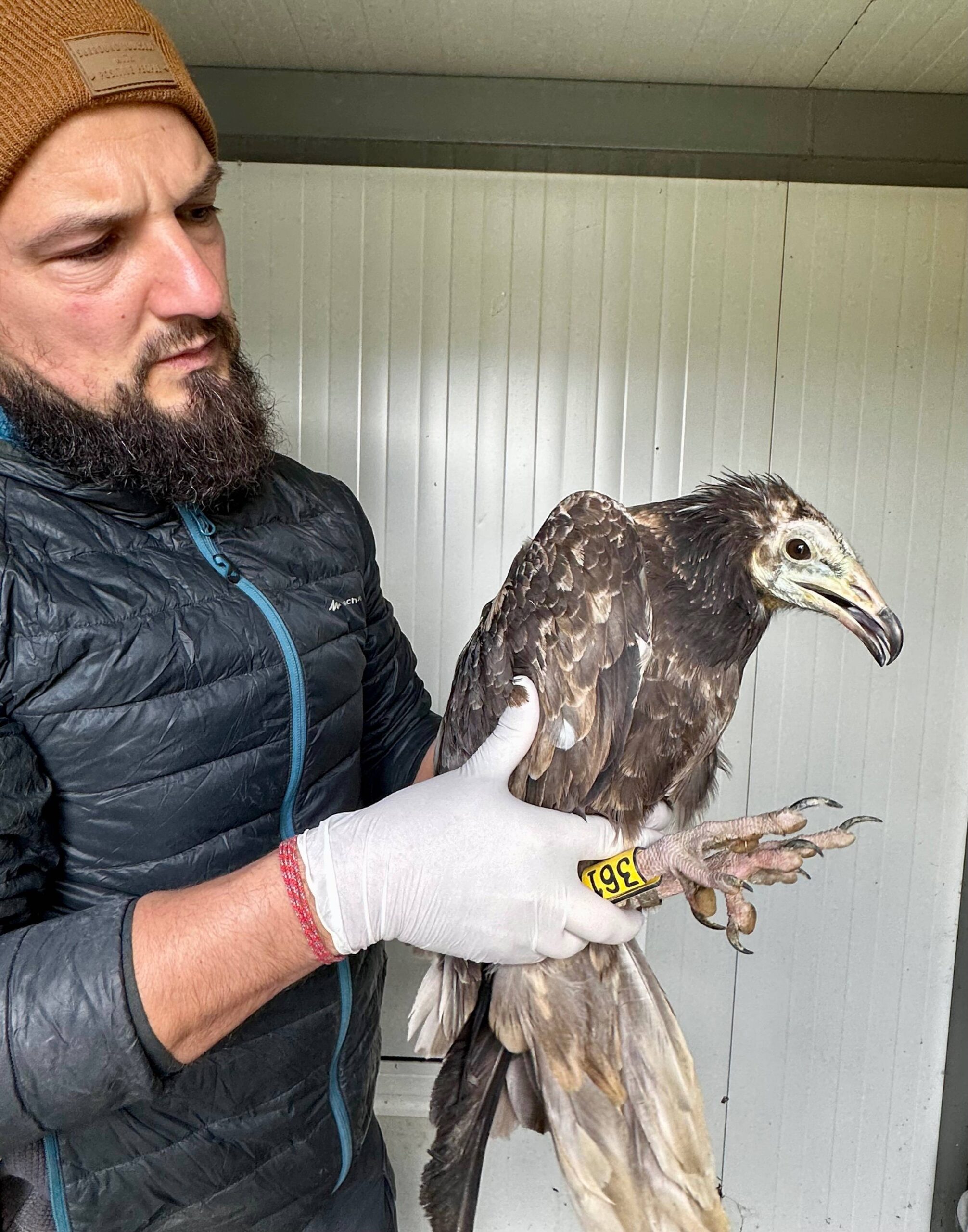
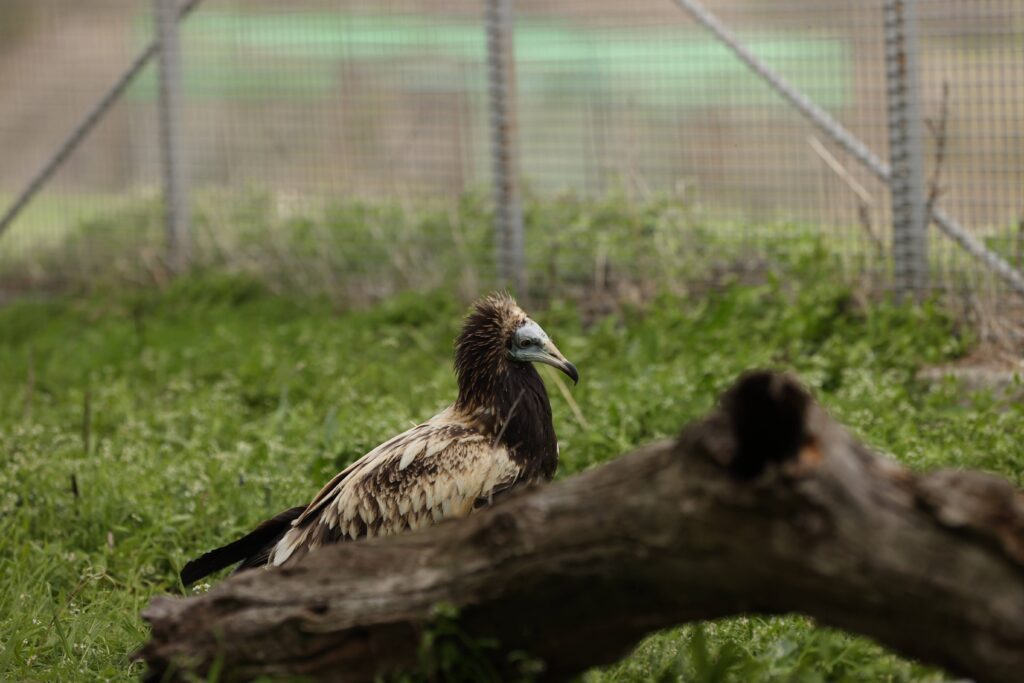
In 2025, the BSPB team recorded 36 breeding pairs of Egyptian Vultures living wild in Bulgaria. One more nesting territory was held by a single female without a mate. Together, these pairs raised 33 chicks, with 30 successfully fledging. The other three chicks were rescued and taken to the Wildlife Rehabilitation and Breeding Centre run by the Green Balkans. They are currently being reared and will be released back into the wild next spring.
When you compare this to 2019’s record low, the picture is clear: the population is no longer shrinking. It’s slowly but steadily starting to grow.
One of the strongest signs of recovery is that birds from the reinforcement programme are now breeding in the wild. Right now, 21% of the breeding pairs in the Eastern Rhodopes include at least one bird that was released by the project. So far, seven released vultures have matured, found wild mates and hatched a chick of their own.
From release to reproduction
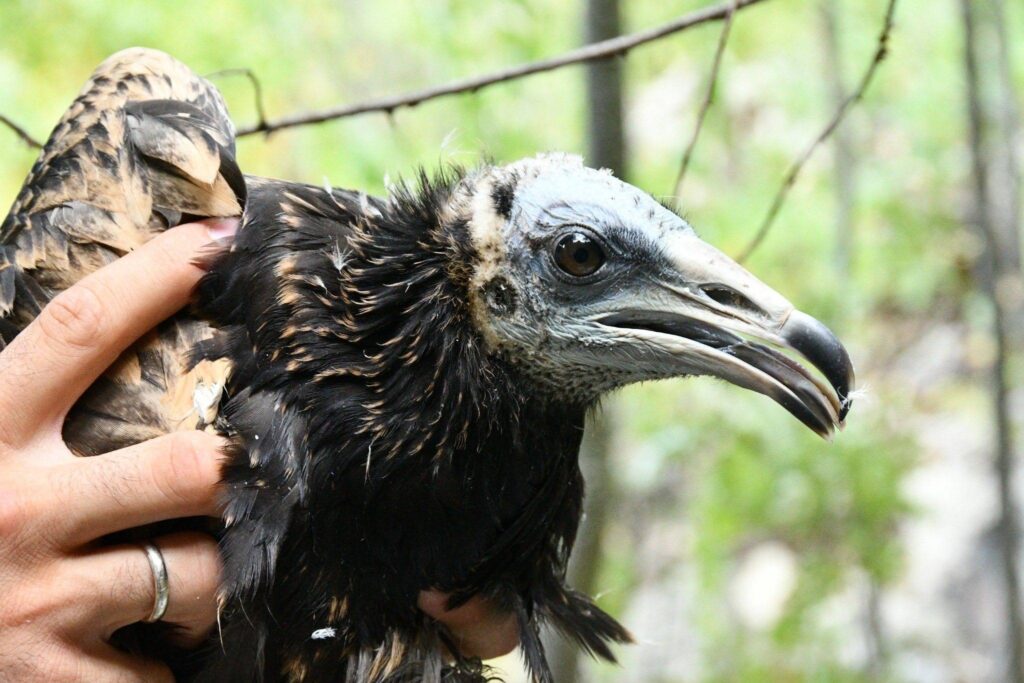
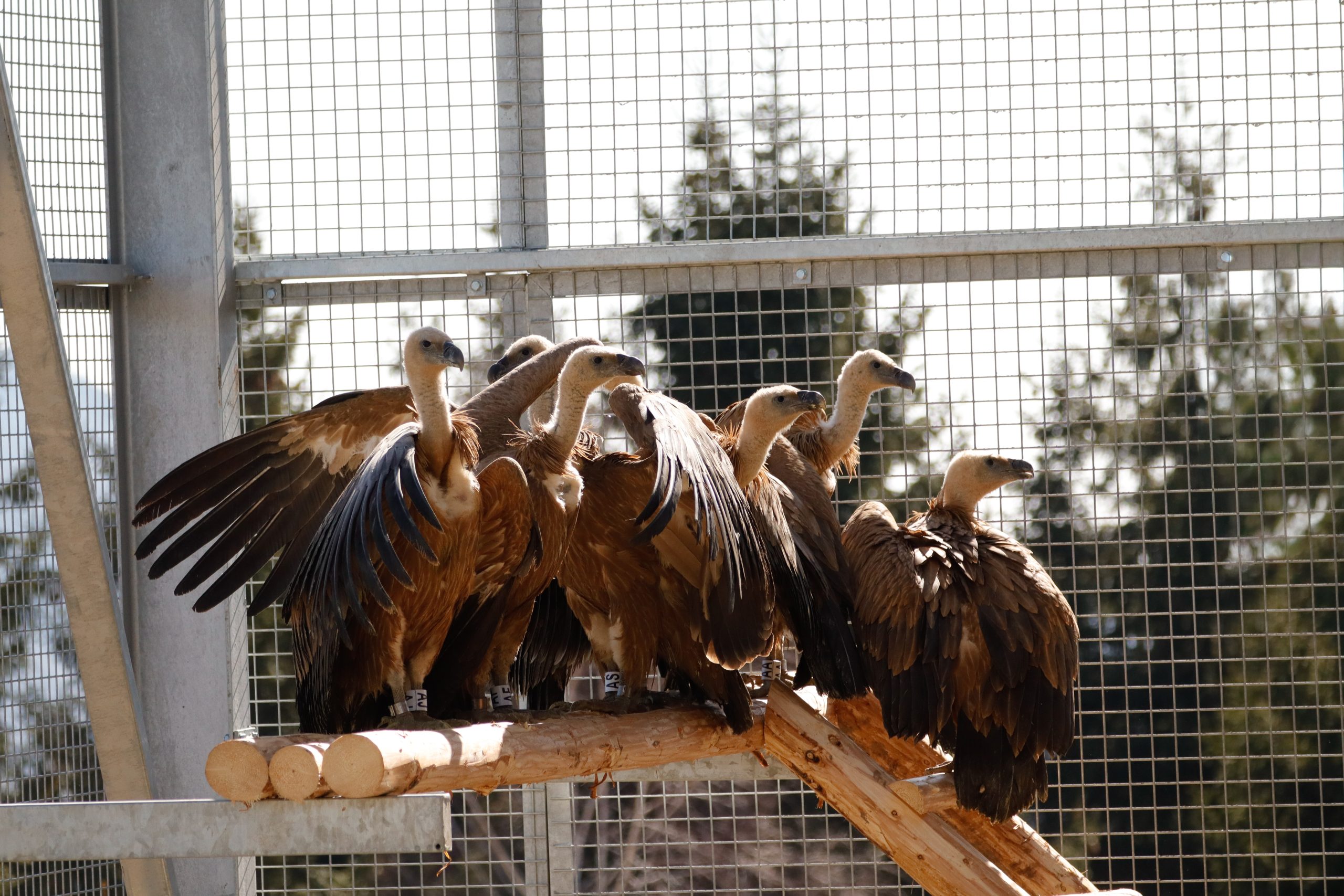
The reinforcement programme releases young vultures using a method called delayed release. In June 2025, six juvenile vultures were released in the Eastern Rhodopes. Two of them – Marti and Elif – were captive-bred at Prague Zoo. The remaining four – Neslihan, Kliment, Majestra and Kushka – actually hatched in the wild in Bulgaria but were rescued as chicks, mainly because hatching late in the season reduces their chances of surviving their first migration.
These birds were carefully hand-reared at the Green Balkans centre, then released the following spring when conditions were safer.
Most of these released birds adapted quickly. They found safe places to roost on cliffs or trees and used special supplementary feeding sites. Five stayed near the release area through the summer, while one explored parts of northern Greece. This is normal for young Egyptian Vultures as they usually travel around a bit before their first migration.
Positive and negative migration news
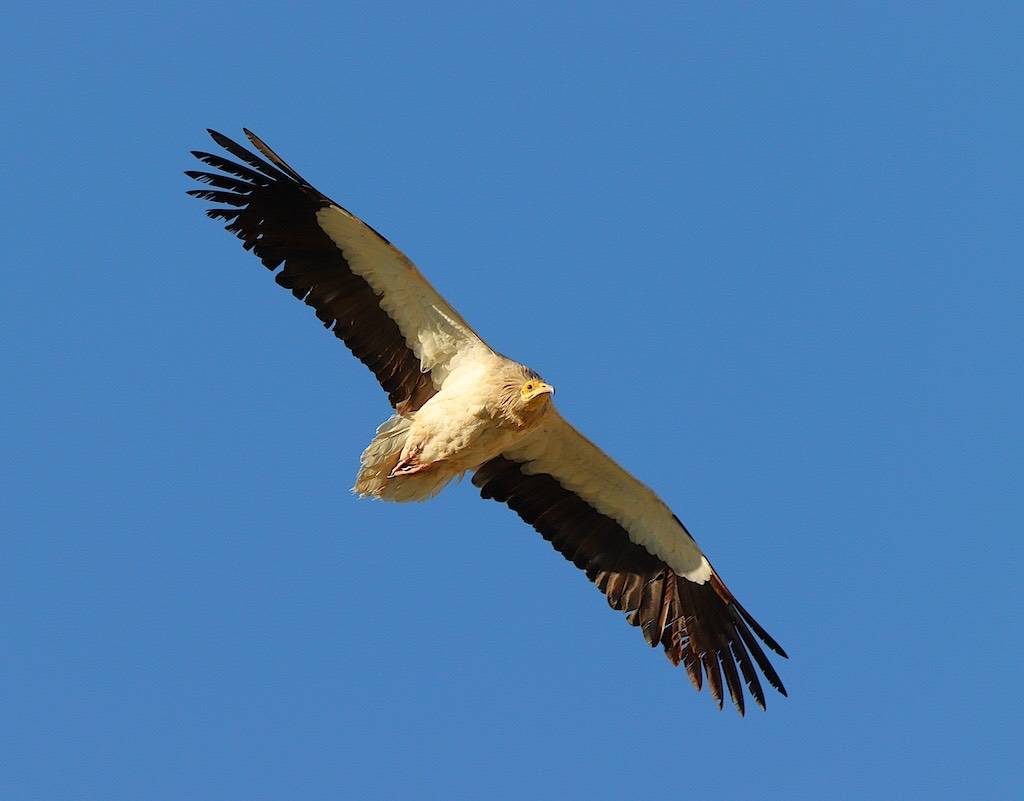
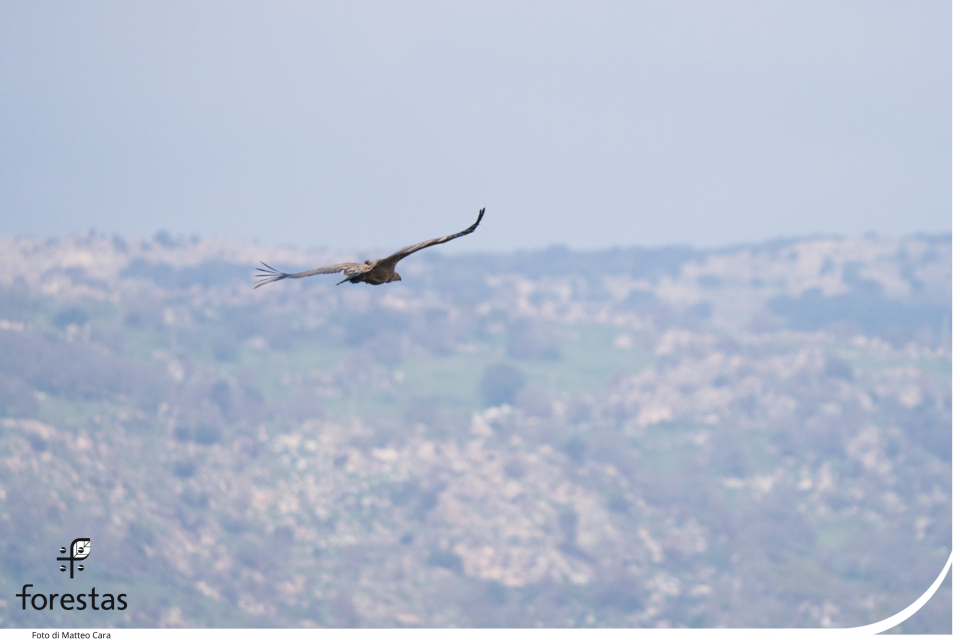
As with any long-lived migratory species, not all the vultures survived. Five out of six released birds followed the traditional migration path through Turkey, reaching wintering grounds in Chad or Yemen. Sadly, two were lost along the way. One was killed by a Bonelli’s Eagle, and another likely died while attempting to cross the sea.
There was also good news: nine Egyptian Vultures released in earlier years came back to Bulgaria in 2025. Six of them formed pairs with wild birds, and three pairs managed to raise chicks. One of these pairs raised two chicks, while the other two pairs raised one chick each.
Persistent threats along the flyway
Even with these successes, serious threats remain. In 2025, one breeding female was poisoned near Krumovgrad, and two other vultures died from electrocution, one in Bulgaria and one during migration through Turkey.
These tragic events serve as a strong reminder that successfully saving Egyptian Vultures requires more than just releasing birds. It is essential to continue addressing dangers along the entire migration flyway from Europe to Africa in order to reduce mortality.
The 2025 results show that with the right actions, a species in deep trouble can bounce back. Carefully planned reinforcement, together with strong efforts to reduce threats, is making a real difference.
Congratulations to all involved in this success story: The Bulgarian Society for the Protection of Birds, the Green Balkans and the EAZA European Endangered Species Programme.