A national meeting organized by the Ministry of Environment and Water and the Bulgarian Society for the Protection of Birds evaluated how to strengthen measures against criminal wildlife poisoning.
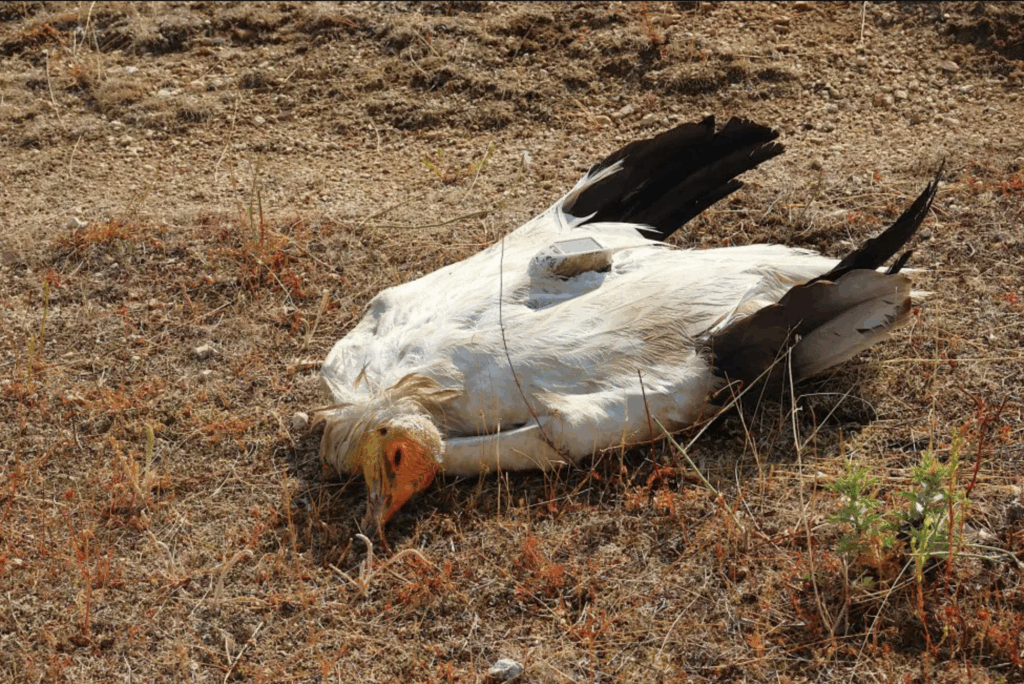
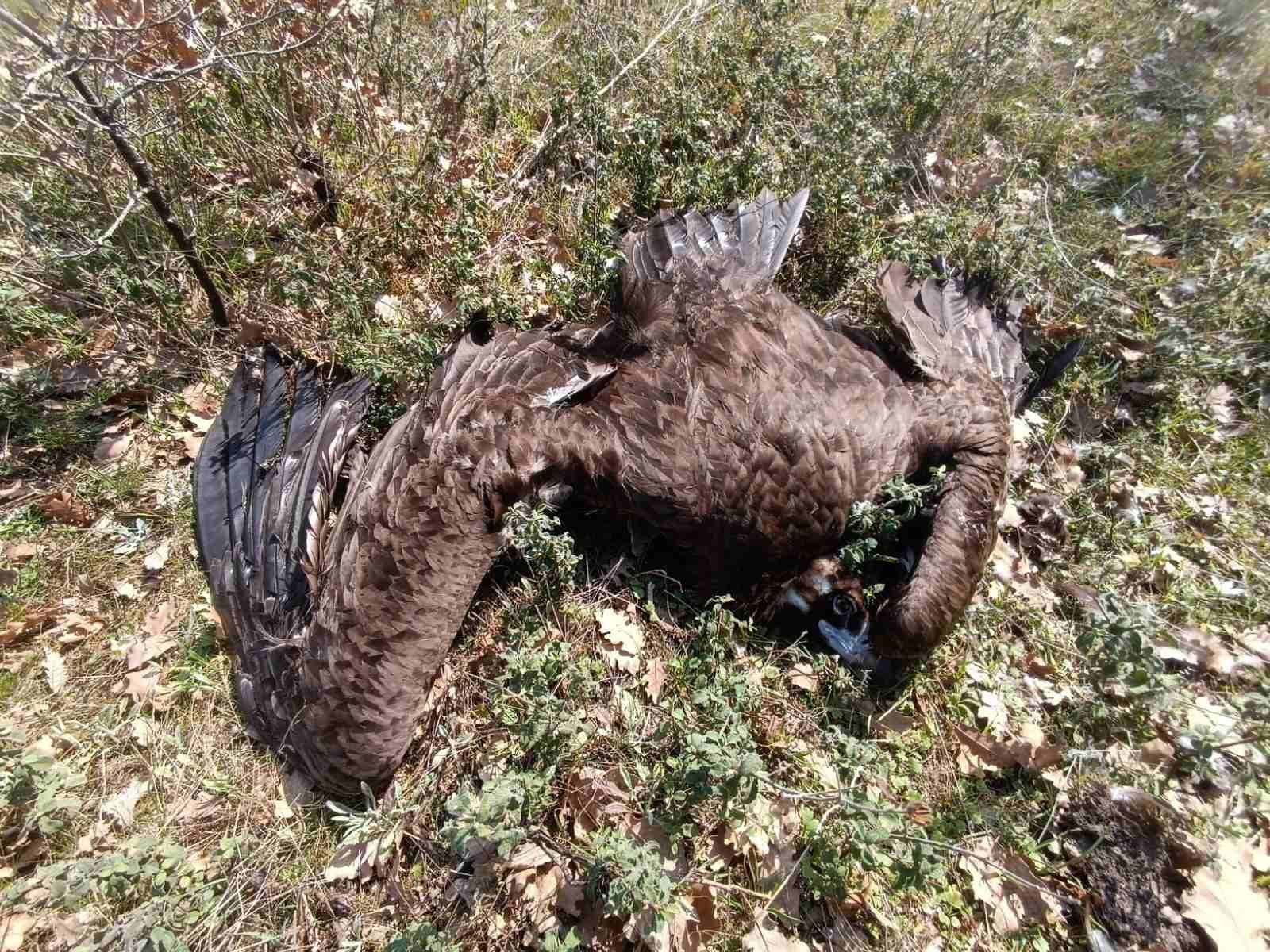
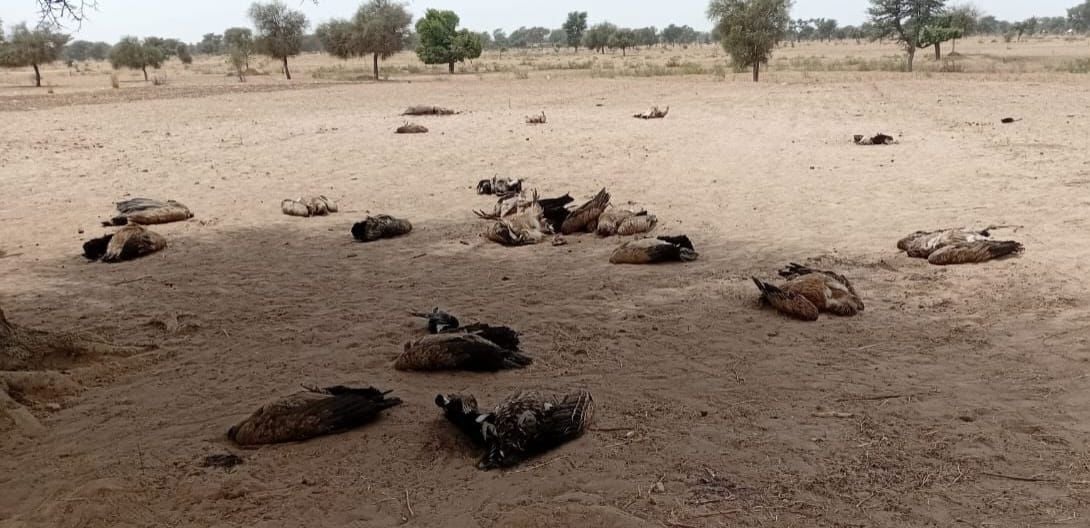
Deliberate wildlife poisoning is one of the most impactful threats for many species, vultures included. Feeding exclusively on carcasses, vultures are often unintentional victims of poisoned baits used to illegally manage predators populations.
At the recent national meeting, organised by the Ministry of Environment and Water (MOEW) together with Bulgarian Society for the Protection of Birds (BSPB), representatives from diverse institutions – from the Ministry of Interior Ministry of Interior, the Ministry of Agriculture and Food, the Bulgarian Food Safety Agency (BFSA), the Customs Agency, the Executive Forest Agency – conservation NGOs – Green Balkans, WWF-Bulgaria, the Fund for Wild Flora and Fauna – Trakia University – Stara Zagora, the Union of Hunters and Anglers in Bulgaria and attorney Emilia Toncheva, gathered to discuss how to better coordinate against criminal wildlife poisoning.
Major conservation projects united
The meeting took place within the framework of LIFE for the Falcon, LIFE Rhodope Vulture and “Together for Nature” project. It marked an important step toward mobilising joined resources and political will to tackle wildlife crime.
During the meeting, special attention was given to banned pesticides that are still illegally imported and traded. These chemicals are often used to create poisoned baits. The participants agreed on the need for more effective investigation and stricter sanctions for wildlife poisoning cases.
A grim reminder
The BSPB team, together with representatives of Green Balkans, presented data on poisoning incidents involving protected species in 2025.
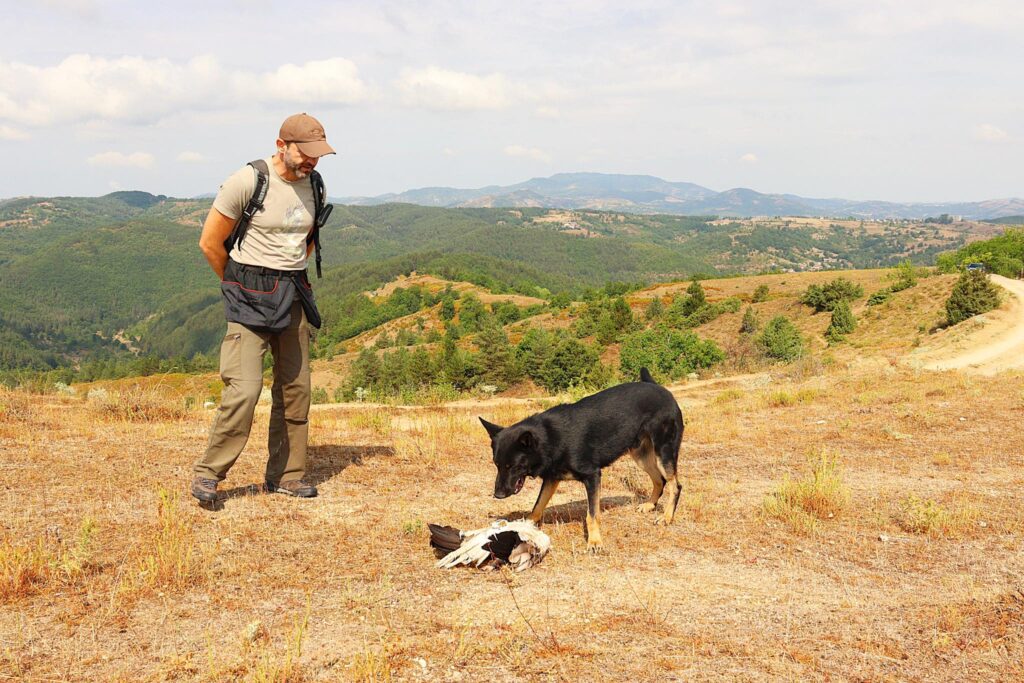
Two female Egyptian Vultures (Neophron percnopterus) died this year after ingesting poisoned baits, leaving their mates behind. One of them, named Deni, was raising a chick, that was promptly rescued by Green Balkans Wildlife Rescue Centre. In both cases, the BSPB anti-poison team, together with trained dogs, rushed to the site. They also immediately activated the emergency procedures under Bulgaria’s National Action Plan to Combat the Illegal Use of Poisons in the Wild (2021–2030).
Thanks to the immediate intervention and to the carefully implemented emergency procedures, the poisoned baits did not make any further victim. Nevertheless, the loss of even one Egyptian Vulture is a dramatic setback for the species conservation in Bulgaria. The local population is, in fact, down to just 35 breeding pairs, with 29 in the Eastern Rhodopes.
A shared vision against wildlife crime
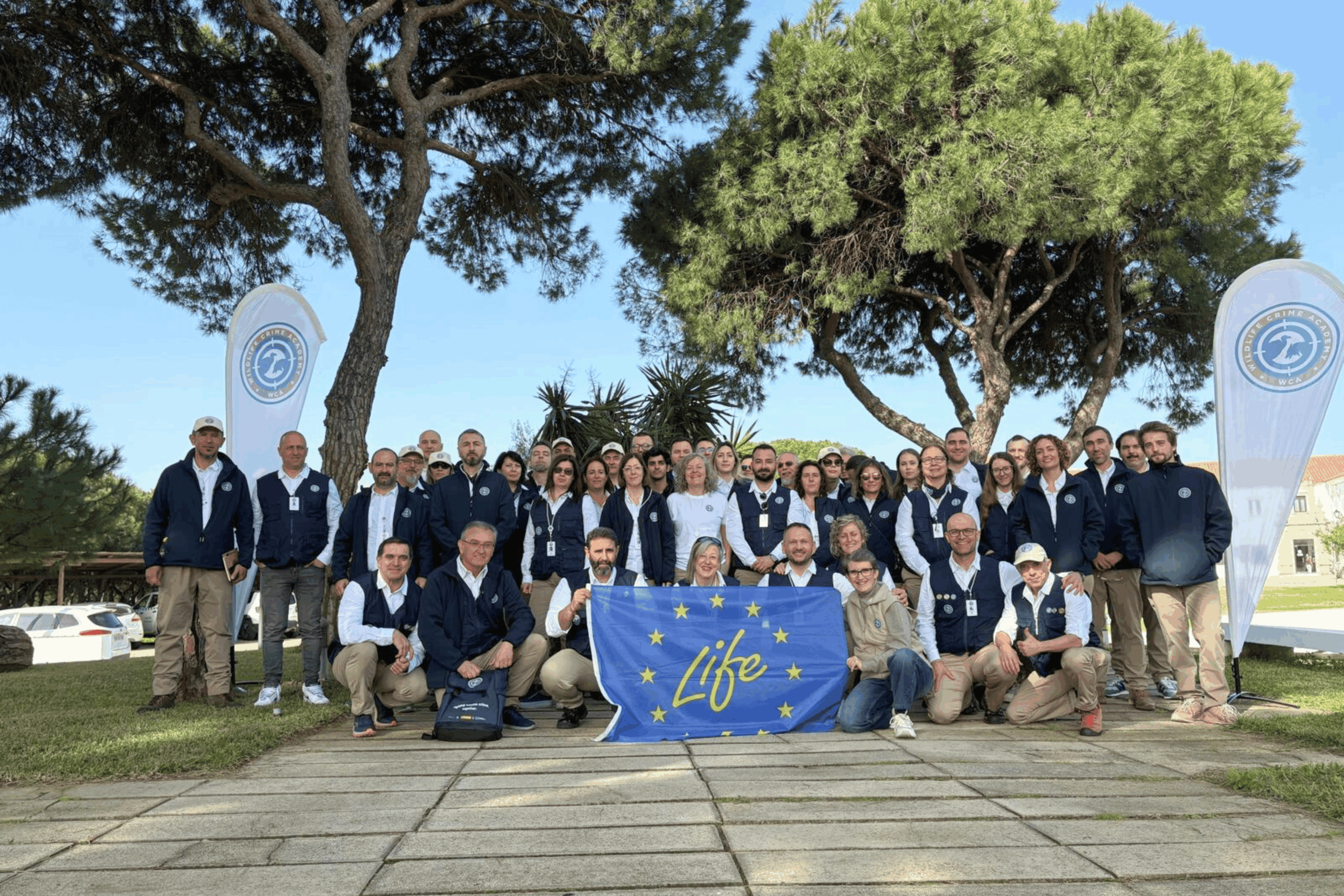
The national meeting in Bulgaria follows an encouraging European trend. In the last years, wildlife crimes have been under the spotlight in many countries, especially in the Balkans. Projects like the BalkanDetox LIFE and the WildLIFE Cime Academy contribute to building capacity not only for poison detection but also for investigation, forensics, and prosecution, addressing all forms of wildlife crime.
Despite the efforts, the scale of the challenge remains vast. It requires a holistic approach that includes enhancing emergency response capacity, tightening regulations and strengthening penalties, and improving community engagement and awareness.
Source: BSPS – National Meeting Focuses on Strengthening Measures Against Wildlife Poisoning
LIFE Rhodope Vulture
Co-funded by the LIFE Programme of the European Union and Rewilding Europe, The LIFE Rhodope Vulture project is dedicated to the recovery of the Cinereous Vultures population in the Rhodope mountains, between Bulgaria and Greece. The project aims to increase food availability for the species and address human wildlife conflicts. It will reintroduce birds from Spain to establish a new colony in Bulgaria and conserve the Greek colony in Dadia-Lefkimi-Soufli National Park. Lastly, the project aims to foster cooperation among local businesses, conservation initiatives, and stakeholders, and raise awareness about the ecological benefits of Cinereous Vultures. The project duration is 5 years, from June 2024 to May 2029. The total budget is €4,160,118 Euro. It is coordinated by Bulgarian Society for the Protection of Birds (BSPB) with the participation of Rewilding Rhodopes Foundation. It also benefits from international collaboration, including the Vulture Conservation Foundation.