The LIFE Aegypius Return project has also recorded a slight decline in the breeding success at national level.
The LIFE Aegypius Return project has already achieved its initial objectives regarding the number of breeding pairs and breeding colonies of the Cinereous Vulture (Aegypius monachus) in Portugal, but breeding success, connectivity, and ongoing threats to the species remain a concern.
Consolidating the return of the Cinereous Vulture
The LIFE Aegypius Return project began in late 2022 with the goal of improving ecological conditions to consolidate the return of the Cinereous Vulture to Portugal, four decades after its extinction as a breeding species.
In 2022, it was estimated that the four colonies known at the time – Douro Internacional, Serra da Malcata, Tejo Internacional and Herdade da Contenda – held only around 40 breeding pairs. LIFE Aegypius Return set out to double this number, aiming for at least 80 pairs across five colonies by 2027.
In 2023, a rigorous protocol was established to monitor the reproduction of the species and a new reference situation was established. That year, 78 to 81 nesting pairs were recorded, with a breeding success of 0.47 (this means that 47% of the eggs laid resulted in offspring recruited into the population). The substantial increase from 2022, although partially reflecting real population growth, likely resulted from extensive coordinated monitoring across several regions of the country, including regular searches for new nesting sites.
In 2024, the increase compared to 2023 was real and significant: 108 to 116 nesting pairs produced 48 or 49 fledglings, with a breeding success of 0.51. A fifth breeding colony – the westernmost known for the species – was discovered that year, in the municipality of Vidigueira.
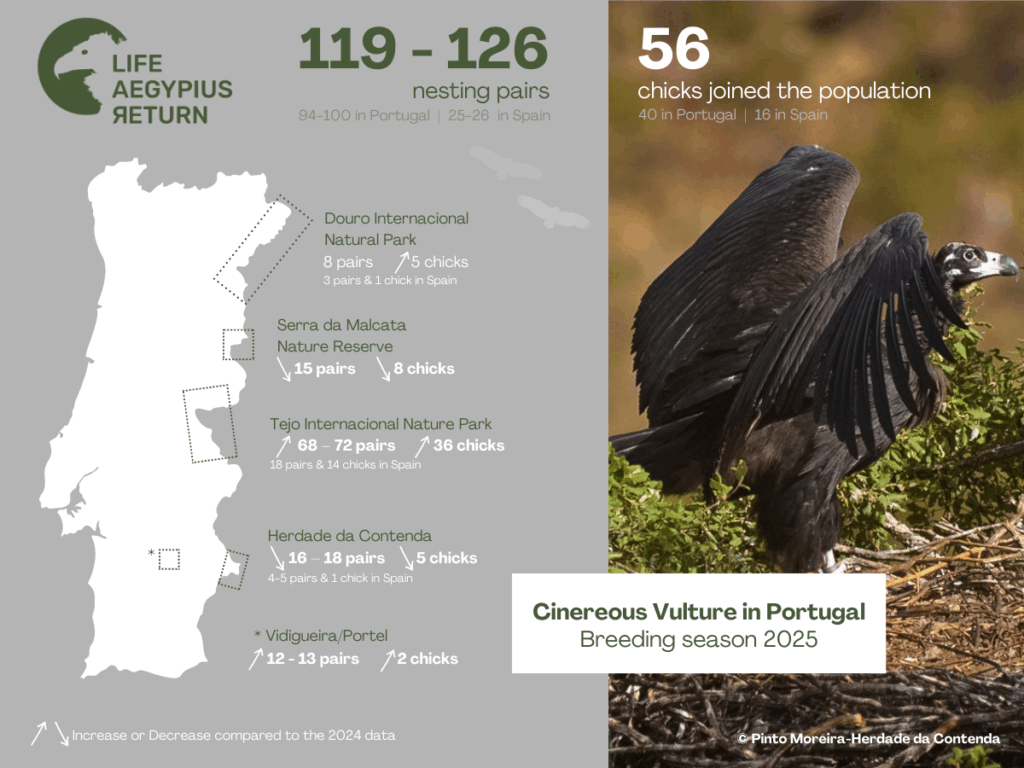
In the 2025 breeding season, the increase in the number of nesting pairs was rather timid: 119 to 126 pairs were recorded, which produced 56 fledglings recruited into the population. It is important to note that 25 to 26 of these pairs and 16 fledglings belonged to nests located in Spain, as several colonies are transboundary.
Breeding success in 2025 dropped slightly, to 0.50. This decline may be linked to poor weather during winter and heat waves in summer, highlighting the species’ vulnerability to extreme meteorological events – exacerbated by climate change – as well as to other uncontrollable factors.

Results by colony
Douro Internacional, the fragile colony recovering from a severe wildfire
The Cinereous Vulture re-established itself in the Douro International Nature Park (PNDI) in 2012, with a single breeding pair. It took many years for the colony to grow to two, then three and finally eight pairs in 2024. That year, the colony expanded across the river, with three pairs settling in Spain’s Arribes del Duero Natural Park. The same eight pairs attempted breeding this year, but only five produced fledglings.
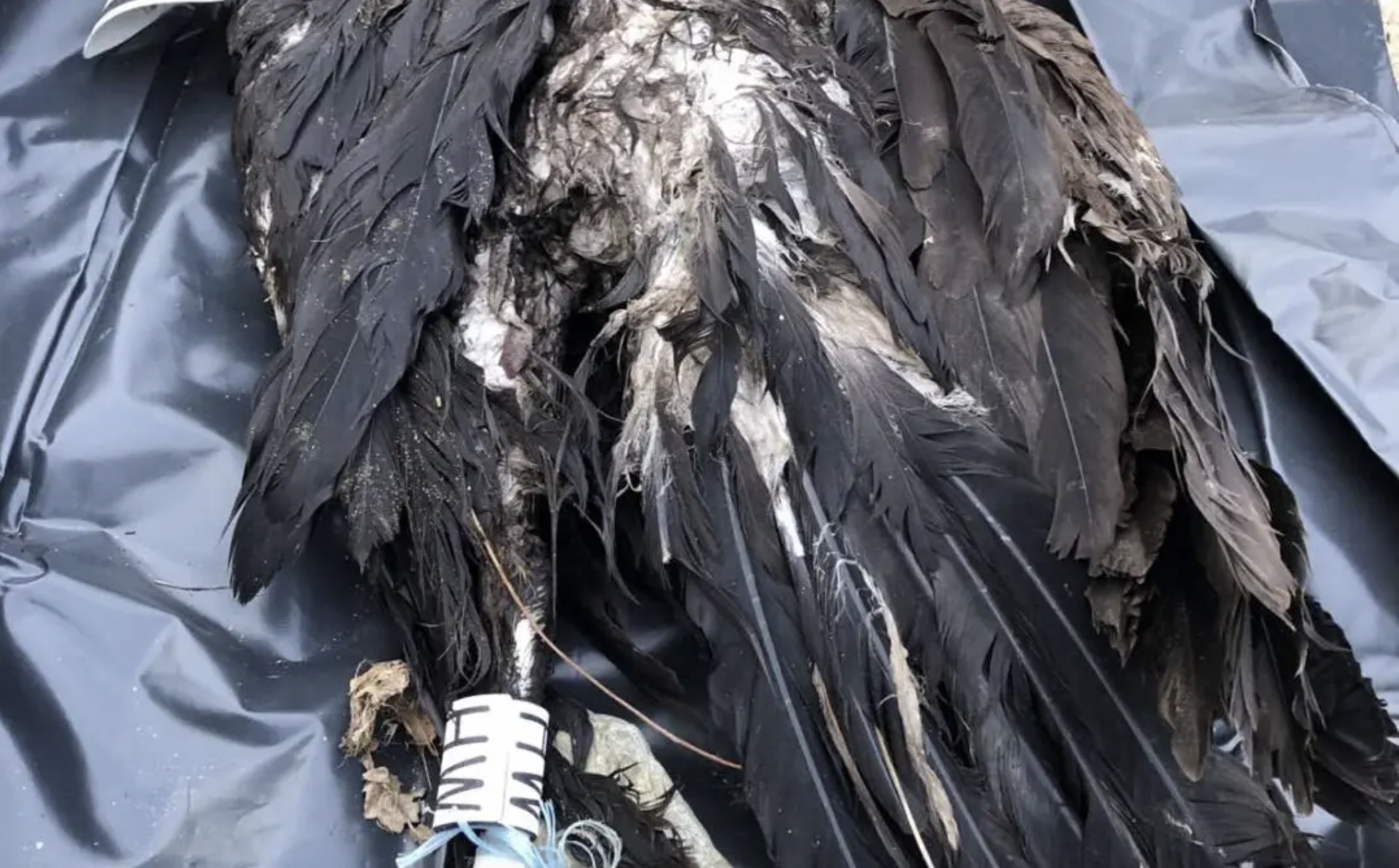
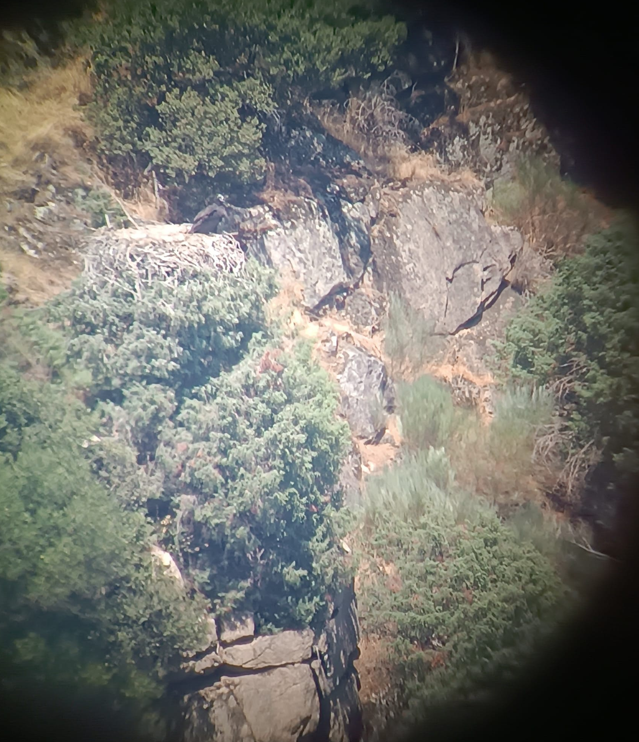
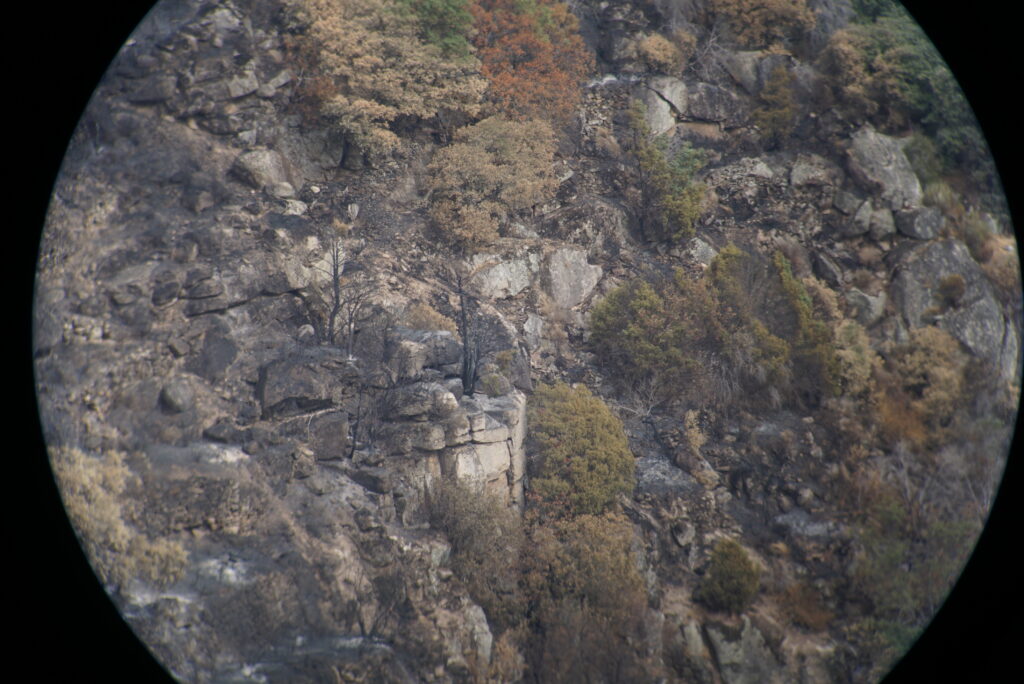
Despite careful vegetation management around the colony, a violent wildfire that ignited more than 30 km away on 15 August 2025 burned over 10,000 hectares of the PNDI and heavily impacted the colony. Two nests were completely carbonised and six others were affected to varying degrees. The deaths of two out of the five chicks were confirmed, with two additional suspected deaths. The only chick known to have survived was the one born on the Spanish side, where the fire did not reach.
According to the species’ monitoring protocol, chicks are considered “recruited to the population” (or “fledged”) if they survive at least 100 days after hatching. The chicks from Douro were counted as “recruited” because they died after that age threshold; nonetheless, in terms of real survival and colony viability, the wildfire left deep impacts that will continue to be monitored over the coming years.
After the fire, the partners Palombar, in close coordination with the Northern Regional Directorate of the Institute for Nature Conservation and Forests (ICNF-N), developed an emergency plan for the recovery of the colony. This included securing financial support, re-establishing the soft-release programme, restoring habitat, and providing supplementary food for scavenging birds.
Special thanks are due to ICNF-N, the Wildlife Rehabilitation Centre of the Veterinary Hospital of the University of Trás-os-Montes and Alto Douro (CRAS-HVUTAD), CIARA – Environmental Interpretation and Wildlife Recovery Centre, the teams of the Arribes del Duero Natural Park, as well as the local community, firefighters and Freixo de Espada à Cinta municipality.
Serra da Malcata, a strategic colony for connectivity
The colony in the Serra da Malcata Nature Reserve was confirmed in 2021 by Rewilding Portugal, with four nesting pairs. Since then, the NGO has continued to monitor the colony in detail, with the support of ICNF – DR Centro. Local partner Faia Brava has also surveyed other nearby potentially suitable areas, such as Almeida and the Coa and Águeda river valleys.
This colony grew significantly until 2024, when 18 breeding pairs produced 12 fledglings. In 2025, despite geographic expansion, the number of active pairs appeared lower. Final figures indicate 15 breeding pairs and 8 fledglings. However, poor weather early in the year limited monitoring, and results may be slightly underestimated.
Located between the Douro and Tejo and close to Spain’s Sierra de Gata, this colony plays a crucial role in connecting all Cinereous Vulture colonies and is expected to expand considerably in coming years.
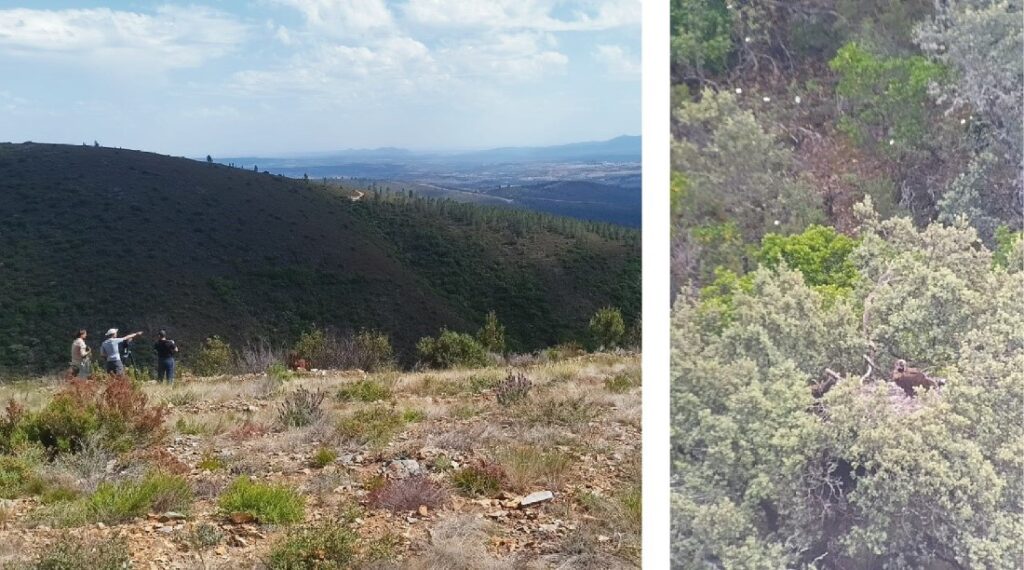
Tejo Internacional, the founding colony
After its extinction as a breeder in Portugal in the 1970s, the Cinereous Vulture naturally recolonised the country in 2010 with the establishment of two breeding pairs in the Tejo International Natural Park. This founding colony is now the largest and most extensive in Portugal, holding over half of the national population.
In 2023, 44 to 46 breeding pairs (five in Spain) were known; in 2024, the number rose to 61 to 64 pairs (15 to 16 in Spain), producing 24 to 25 fledglings (4–5 in Spain). In 2025, the increase was substantial: 68 to 72 pairs (18 in Spain) and 36 fledglings, 14 of them from Spanish nests.
Monitoring this colony is particularly challenging due to its rapid expansion on both sides of the river (and therefore in Portugal and Spain), its vast extent of suitable habitat, limited access, private land ownership, difficult visibility, and the sheer number of nests. Across active, inactive, old and new nests, around 220 Cinereous Vulture nests are currently known.
The monitoring work is being carried out by the Portuguese Society for the Study of Birds (SPEA) and has the support of the ICNF – DR Centro, the Agentes del Medio Natural of the Junta de Extremadura, the teams from the Parque Natural del Tajo Internacional, in Spain, and Quercus.
This important colony may be negatively impacted by large renewable-energy developments, such as the Beira and Sophia photovoltaic power stations, making detailed monitoring particularly vital.
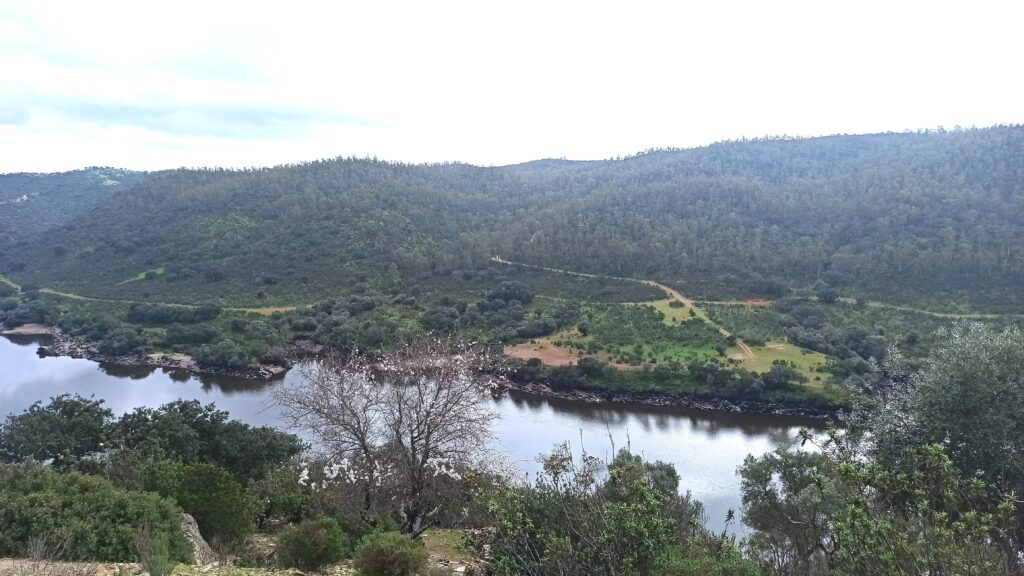
Herdade da Contenda, the second largest colony
Herdade da Contenda (HC) is a property owned by the Municipality of Moura and located in the Mourão/Moura/Barrancos Special Protection Area (SPA). It is home to a Cinereous Vultures colony that was re-established in 2015, with one breeding pair, following the LIFE Habitat Lince Abutre project, coordinated by the League for the Protection of Nature (LPN). The colony has grown steadily and is now the country’s second largest.
In 2023, 17 to 18 breeding pairs produced five fledglings. That year, the colony also became transboundary, with two pairs breeding in the Spanish Contienda. In 2024, the population increased to 20 to 21 pairs (five in Spain), producing seven fledglings, including one born in Spain.
In 2025, there was a decrease to 16 to 18 nesting pairs (4 to 5 in the Spanish Contienda), which produced five flying chicks, one of which in Spain.
Breeding success dropped from 0.58 in 2024 to 0.38 in 2025. Here too, extreme weather events clearly affected breeding success.
This colony is being monitored by LPN and HC, with the support of ICNF Alentejo rangers and the Junta de Andalucía’s Agentes del Medio Natural.
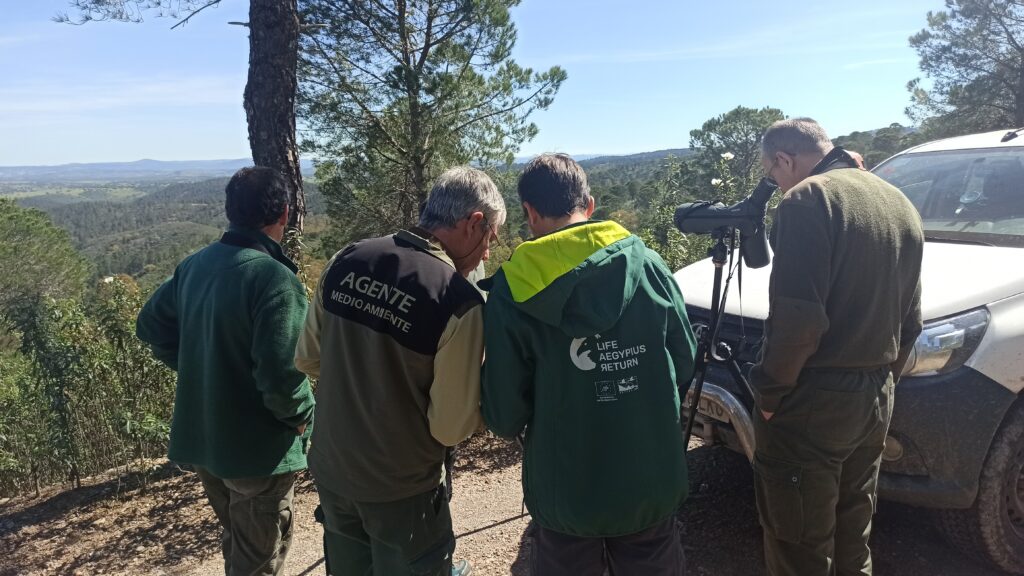
Vidigueira/Portel, the newest colony
Portugal’s newest colony is also the most distant from the Spanish border, playing a strategic role in vulture conservation in the Alentejo, southern Portugal. It was discovered in 2024, at Herdade do Monte da Ribeira (Vidigueira), with five confirmed nests and one fledgling (Pousio).
In 2025, more detailed monitoring confirmed expansion into the municipality of Portel. Ten additional nests were identified (15 total), with 12 to 13 breeding pairs. Field observations documented seven clutches and four hatchlings, of which two survived. The breeding success was low (0.29), consistent with very young inexperienced pairs. Improved performance is expected in the future, although the colony’s viability may be seriously constrained by the large number of renewable-energy projects planned for the area.
Here, monitoring is carried out by LPN, supported by ICNF Alentejo and environmental consultants involved in ongoing Environmental Impact Assessments. Herdade do Monte da Ribeira also provides essential support in protecting and monitoring the colony.

Monitoring in Spain
LIFE Aegypius Return also includes monitoring of the Cinereous Vulture in the SPAs Sierra de Gata y Valle de las Pilas (SGVP) and Canchos de Ramiro y Ladronera (CRL). The Campo de Azaba SPA is also surveyed, but no nesting has yet been recorded. Actions in this region, including management and feeding stations, are led by local partner Fundación Naturaleza y Hombre (FNYH).
In 2023, the two occupied SPAs recorded 157 breeding pairs, producing 103 fledglings. In 2024, the number of pairs remained relatively stable (153), but fledgling numbers dropped to 90.
In 2025, total breeding pairs again numbered 153, reflecting an increase in CRL and a decrease in SGVP. During winter and early spring – already within the breeding season – SGVP was hit by severe storms and strong winds, which damaged or collapsed several nests, inevitably causing reproductive failures.
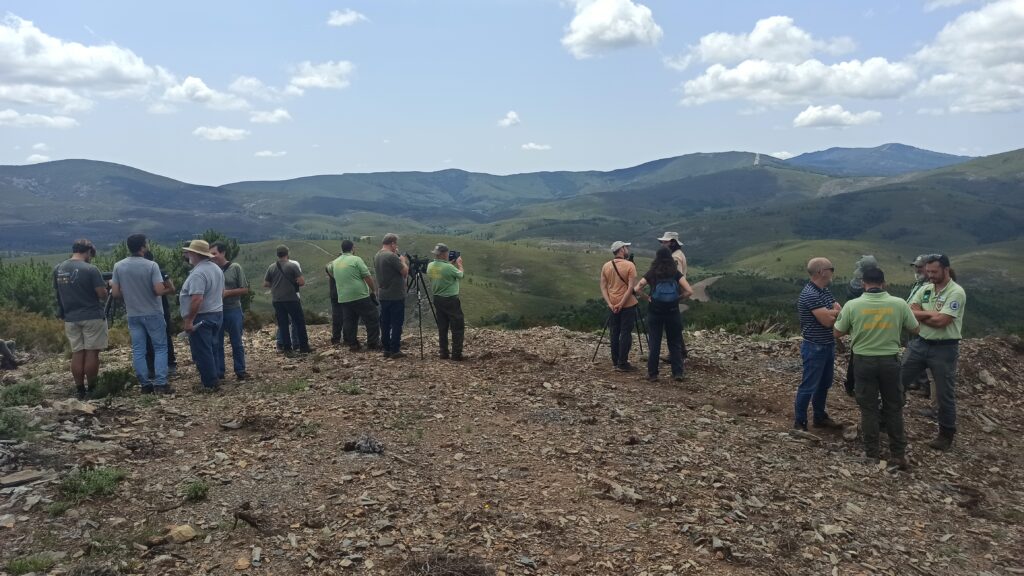
Securing a future for the Cinereous Vulture
The recovery of the Cinereous Vulture in Portugal and western Spain has followed a generally positive trajectory, but LIFE Aegypius Return partners remain concerned. The 2025 breeding season showed that many uncontrollable and unpredictable factors – such as wildfires and extreme weather – can significantly limit reproductive capacity and threaten the future of colonies. The species also continues to be exposed to well-known threats such as poisoning, shooting and disturbance.
The rapid expansion of renewable energy projects, with new wind turbines and power lines in the vicinity of the colonies, increases the risk of mortality due to collision and electrocution. In turn, solar parks render vast feeding areas or potential expansion areas for the species useless. All of these developments also involve high levels of disturbance, both during construction and the exploitation phase, jeopardising the tranquillity that is essential to the breeding success of the Cinereous Vulture.
With two more years of work ahead under LIFE Aegypius Return, the partners remain firmly committed to achieving the best possible results to ensure a sustainable future for the species.
About the LIFE Aegypius Return project
The LIFE Aegypius Return project is co-funded by the European Union’s LIFE programme. Its success depends on the involvement of all the relevant stakeholders and the collaboration of the partners: the Vulture Conservation Foundation (VCF), the coordinating beneficiary, and local partners Palombar – Conservation of Nature and Rural Heritage, Herdade da Contenda, the Portuguese Society for the Study of Birds, the League for the Protection of Nature, the Transhumance and Nature Association, Fundación Naturaleza y Hombre, the National Republican Guard and the National Association of Rural Owners of Game Management and Biodiversity.