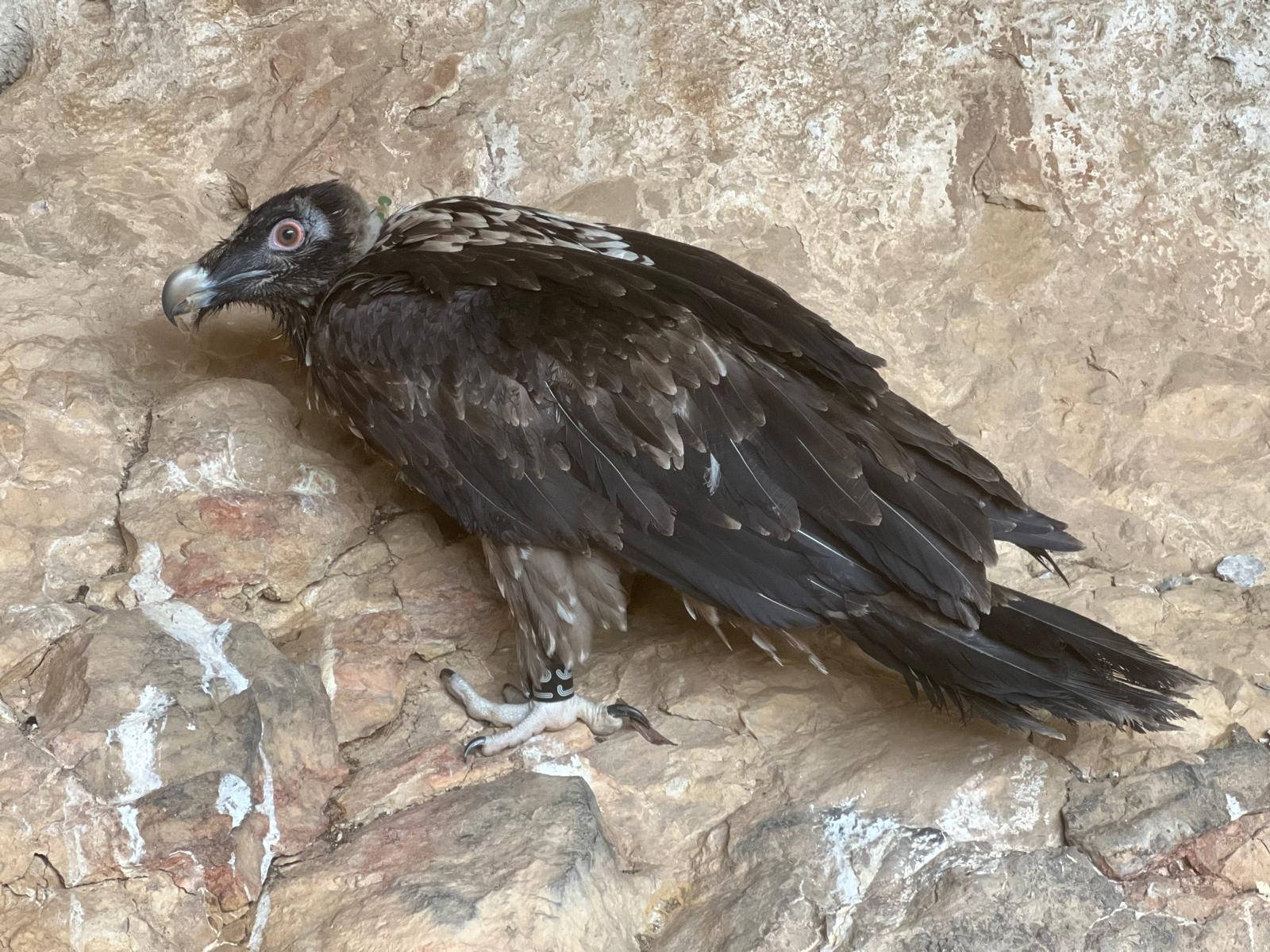
On 7 January 2026, a five-year-old Bearded Vulture named Pyrénées was found dead in Lozère, France. She had been released in 2021 in the Grands Causses, as part of a long-term European reintroduction programme.
Initial veterinary examinations confirmed that she had been shot while in flight, prompting an investigation. On 26 March 2026, a man was sentenced to 18 months in prison, suspended, after admitting responsibility. He told the court he believed he was shooting at a crow.
A bird that almost disappeared
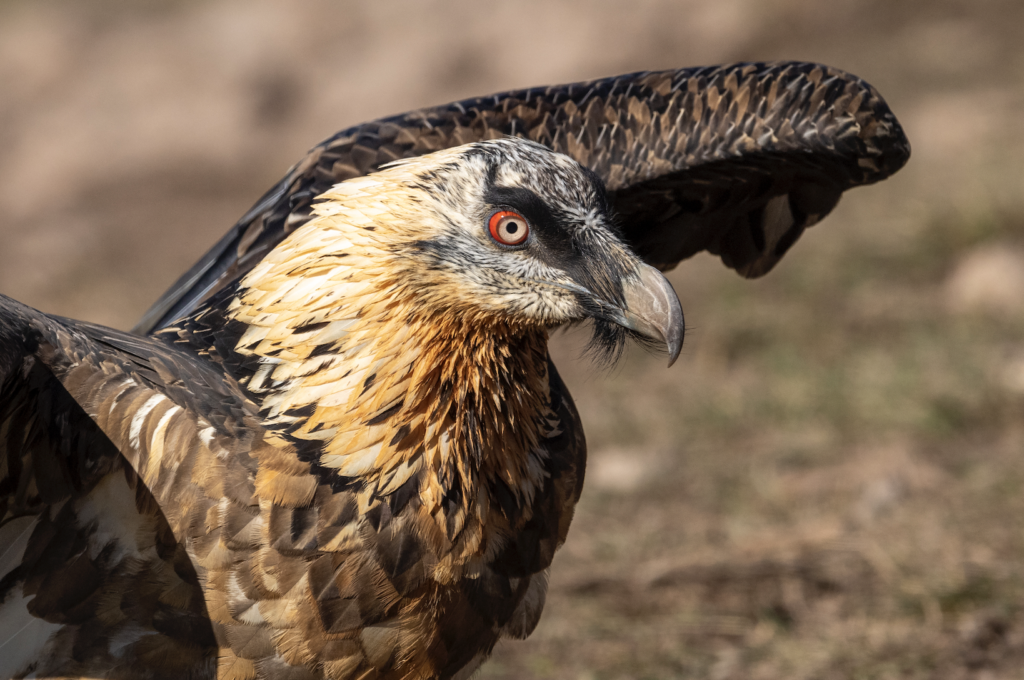
The Bearded Vulture is the rarest vulture in Europe. With only around 465 breeding pairs left on the continent, every individual matters. In France, the species has been classified as endangered since 2016.
The Bearded Vulture’s history in France and across much of Europe is a devastating one. It was falsely believed that Bearded Vultures stole lambs and even small children, which led to the species being hunted to extinction in the Alps by the early 1900s. In reality, the species feeds on carcasses, mainly bones, and provides valuable ecosystem services to nature and society. Bringing it back has taken decades of painstaking work, including coordinated breeding programmes, reintroductions, threat mitigation, monitoring, and significant public funding.
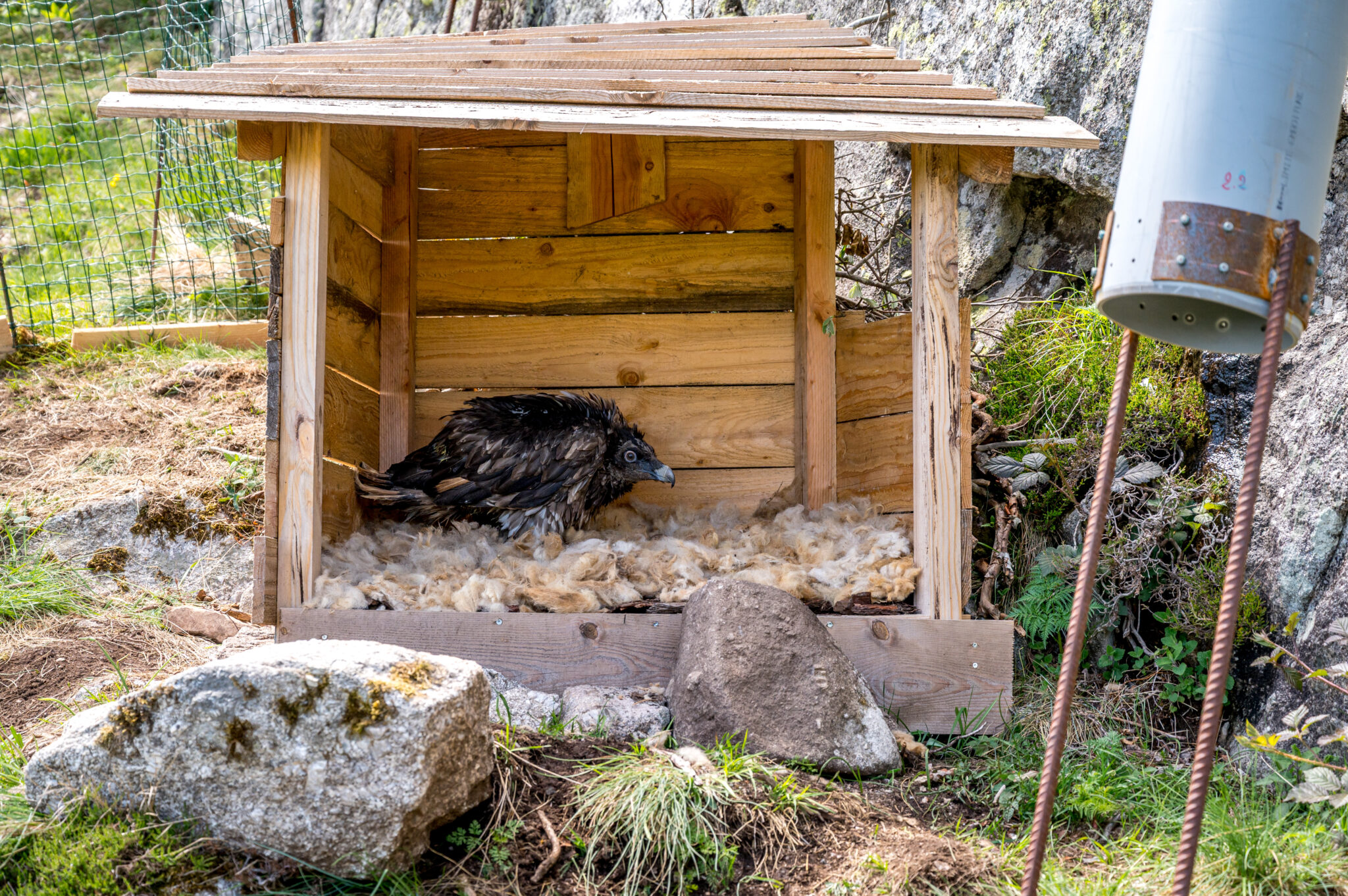
Pyrénées was part of that comeback story. She had been released through the LIFE GypConnect programme, a European project launched in 2015 specifically to rebuild a wild population in the French Pre-Alps and Massif Central. These efforts expanded and continue with the LIFE Gyp’Act project.
“A reflex. A bad reflex.”
The 58-year-old hunter was on a hunting outing when he fired the shot. He later turned himself in, admitted what he had done, and pleaded guilty before the court in Mende.
He confessed, “I never intended to shoot this species. It was a reflex, a bad reflex,” explaining that he had mistaken the Bearded Vulture for a crow.
The circumstances raise questions. A Bearded Vulture has a wingspan of up to 2.8 metres, and its flight is distinctive. It does not resemble a crow. The basic rule of responsible hunting is to never fire unless you are absolutely certain of what you are shooting at, precisely to prevent situations like this one.
More than one bird lost
The legal maximum penalty for killing a strictly protected species in France is three years in prison and a €150,000 fine. In this case, the hunter received an 18-month suspended sentence, meaning no prison time was served. While courts rarely impose maximum penalties, the conviction itself remains an important step in recognizing the seriousness of crimes against protected wildlife.
What it cannot undo is the loss of Pyrénées. In conservation terms, a reintroduced Bearded Vulture that was reaching breeding age (though not yet at peak breeding success) is not easily replaced. She represented years of effort and real hope for a species still being restored in parts of France where reintroduction is ongoing. Her death set that work back.
The bigger picture
This case is not just about one hunter and one bird. Wildlife crime in Europe is routinely under-investigated and under-prosecuted. When it is treated as a minor infraction, it signals to everyone that protected species can be killed without serious consequences. That signal is dangerous.
Initiatives like the WildLIFE Crime Academy, which now trains French law enforcement professionals to investigate and prosecute exactly these kinds of cases, are trying to change that. The conviction of this hunter is a step in the right direction.
It took years of coordinated conservation effort to bring birds like Pyrénées back into the wild. She was gone in a single moment. Such acts must not go unpunished.