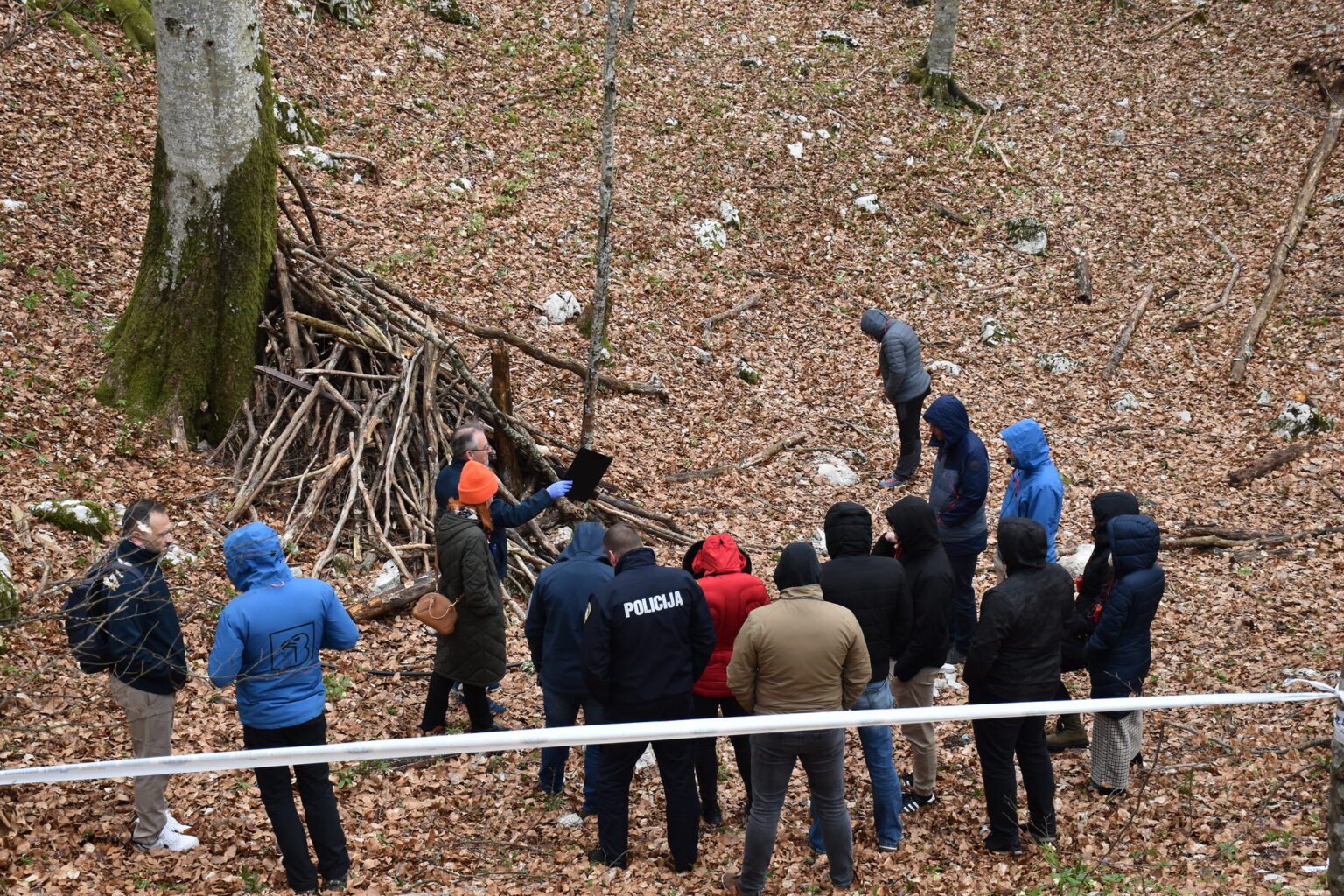
BIOM association organised a stakeholders’ workshop, co-funded by the LIFE Rhodope Vulture project, as part of the preparation for the Feasibility Study for the reintroduction of the Cinereous vulture in Croatia.
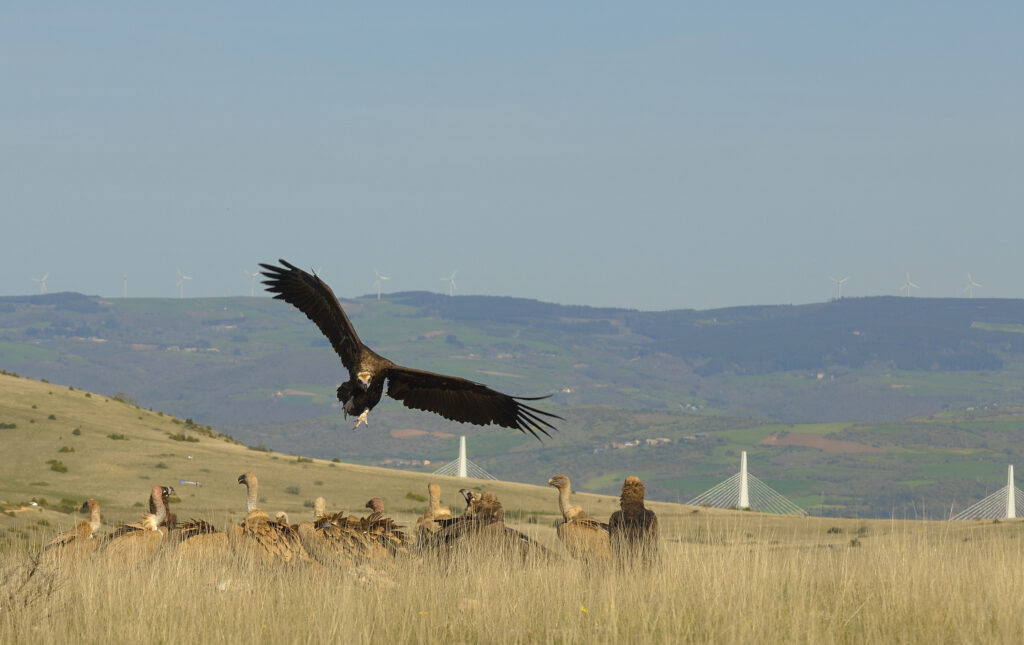
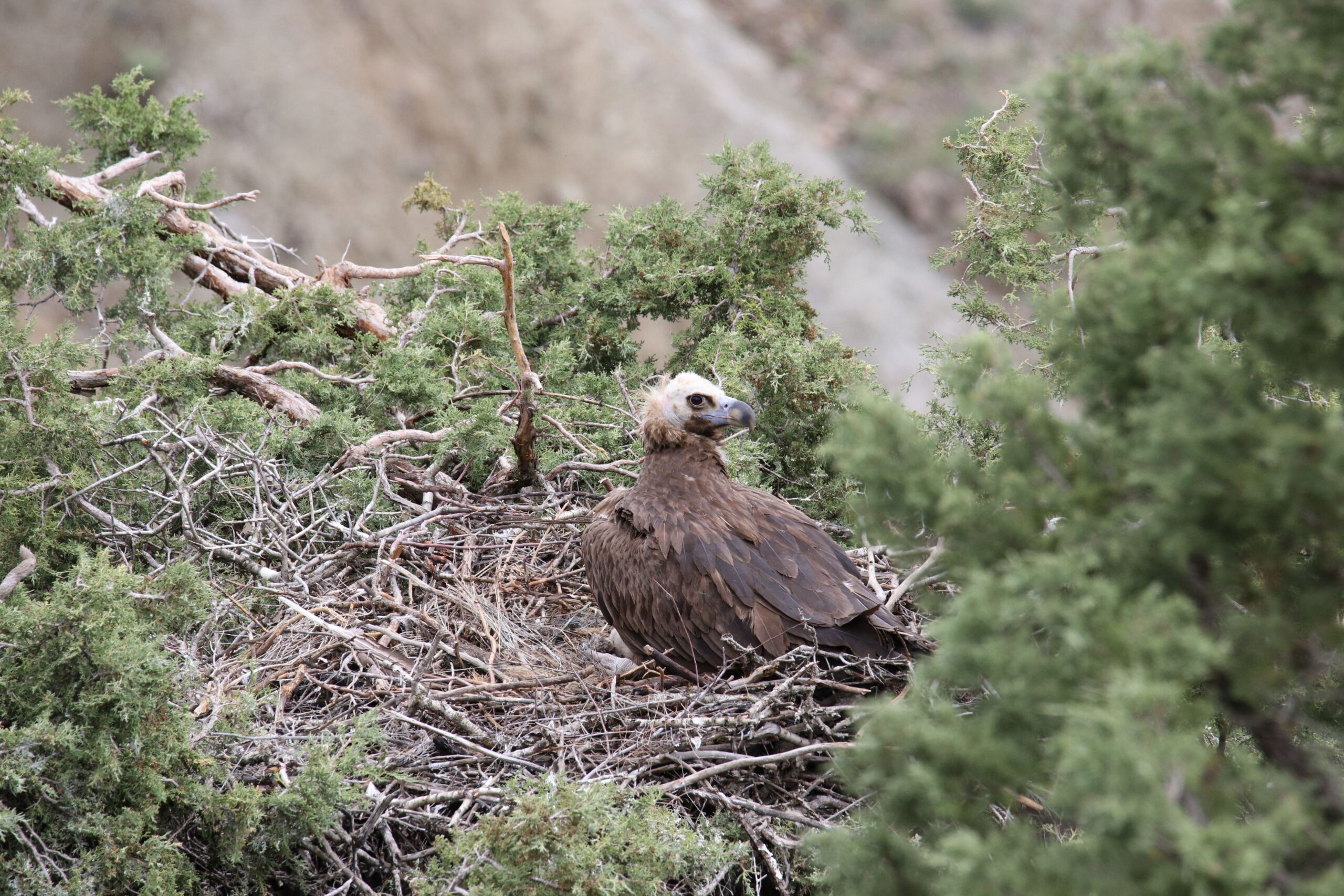
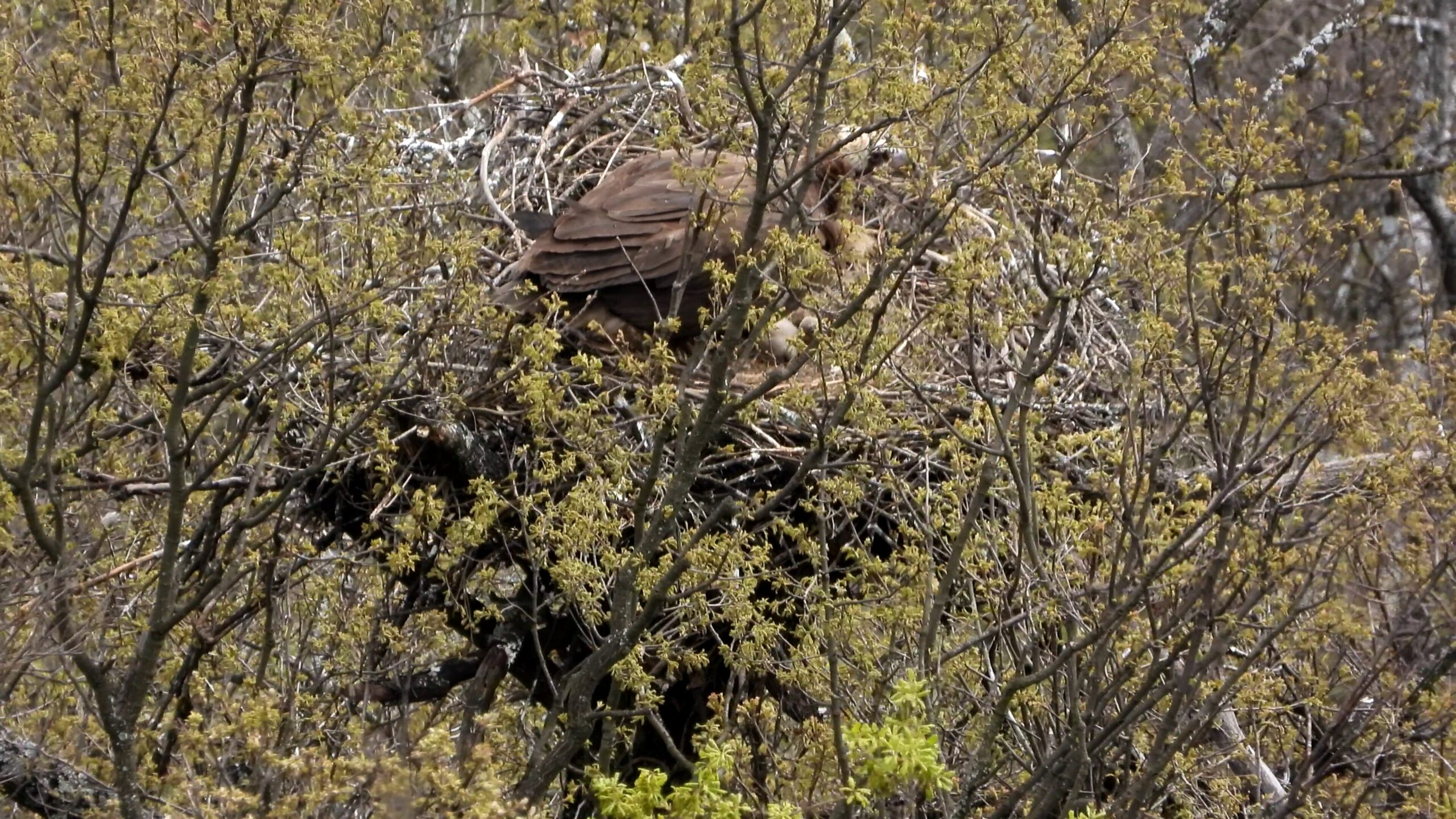
After years of constant implementation of conservation measures, the Griffon Vulture (Gyps fulvus) population in Croatia is stable and growing in numbers. Building on this success, the following step could be the reintroduction of another vulture species that disappeared from the country in the first half of the 20th century: the Cinereous Vulture (Aegypius monachus). The workshop organised by the BIOM association, with the financial support of the LIFE Rhodope Vulture project as part of their implementation of the Replication Projects action, aims to discuss with key stakeholders the feasibility of reintroducing and establishing a stable population of Cinereous Vultures in Croatia.
Building on a strong foundation
In the 20th century, the Cinereous Vulture saw a dramatic decline all over Europe. Feeding opportunities became progressively rarer due to the reduction of wild ungulates and the change in farming practices. Habitat loss and illegal poisoning contributed to driving the European vulture population to the brink of extinction. Croatia was no exception.
The remaining population of Griffon Vultures survived only on the Kvarner Islands, while other vulture species disappeared. Thanks to conservation projects, like LIFE SUPport, Croatia implemented numerous conservation measures that contributed to the recovery of the species. The success in Griffon Vulture conservation opens the door to a possible return of the Cinereous Vulture. Its return in Croatia would contribute to improving the connectivity between the currently fragmented populations across Europe.


Discussing the future of vulture conservation in Croatia
The workshop brought together experts from many fields involved in vulture conservation: nature conservation, veterinary, agriculture, forestry, hunting, energy production, NGOs, and public institutions.
They identified the Kvarner Islands as the most suitable area for the potential reintroduction of Cinereous Vultures. The combination of open forests, mosaic vegetation, slopes, farming practices, and supplementary feeding station networks, existing infrastructures currently dedicated to Griffon Vultures, and low levels of disturbance creates ideal conditions for the species.
Poisoning, electrocution, collision with energy infrastructures, and nest disturbance remain the main threats for all vulture species, including the Cinereous Vulture. The experts identified mitigation measures such as individual GPS monitoring, power line insulation, and community involvement. Moreover, the existing supplementary feeding network, which supports Griffon Vultures, could support Cinereous Vultures as well. The transition to lead-free ammunition and strengthening extensive livestock farming were highlighted as crucial support measures.
Moving on to the next steps
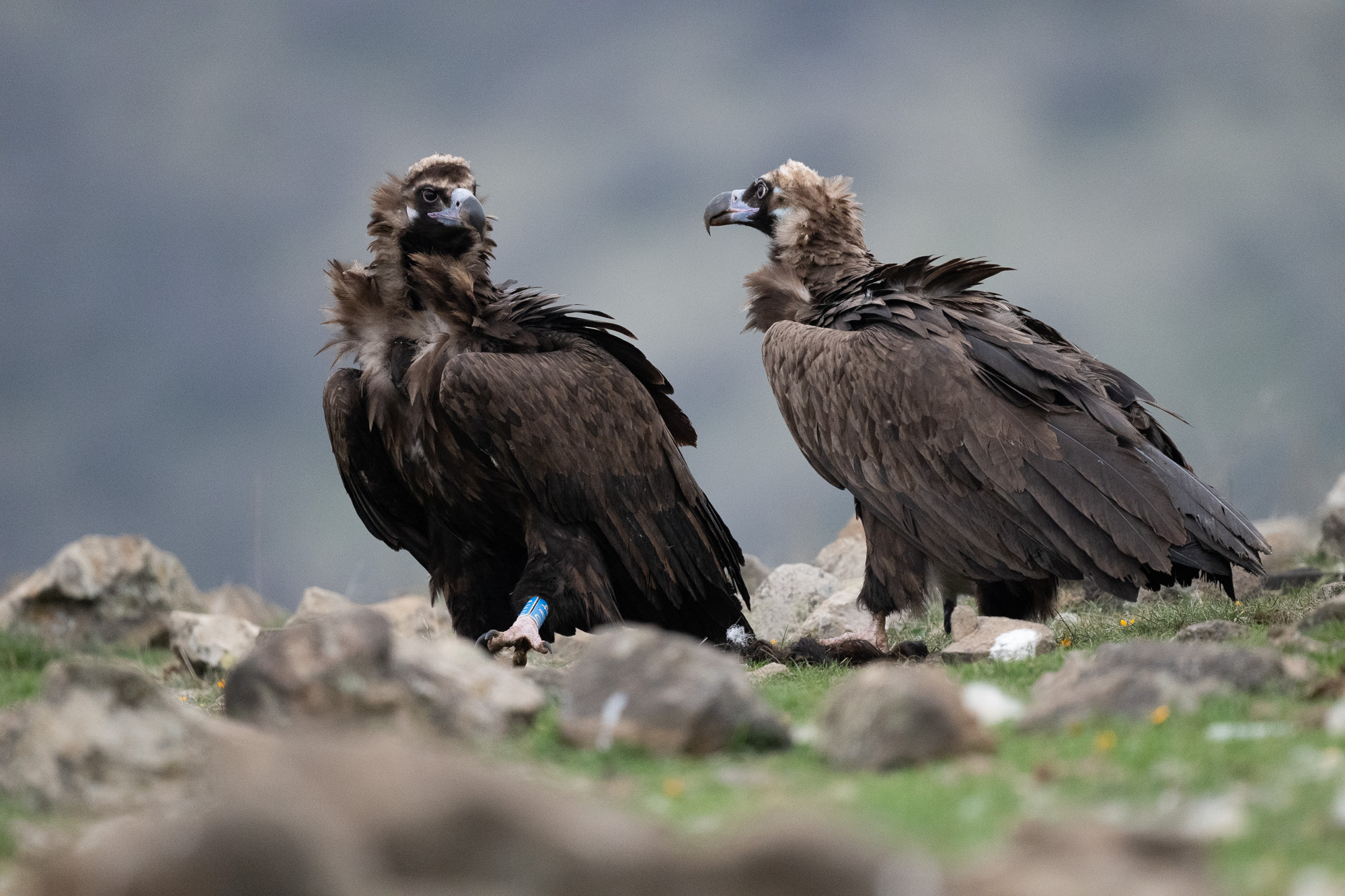
The reintroduction of the Cinereous Vulture in Croatia would be strategic for species conservation at the European level. It would contribute to bridging the two sides of the Mediterranean Sea, connecting populations in Spain and Portugal with those in Bulgaria. Although numerous threats were identified, the positive population trend of the Griffon Vulture is an encouraging indicator. Many conservation measures dedicated to this species could be directed to Cinereous Vultures as well.
After the workshop, it is now time to consolidate the scientific background behind the intention of reintroducing Cinereous Vultures in Croatia through a Feasibility Study in accordance with Croatian and EU legislation.