Cyprus has formally approved a National Action Plan Against Poisoning, a significant move in tackling the illegal use of poisoned baits and protecting Griffon Vultures and other wildlife on the island.
The Council of Ministers approved the plan, which sets up a national framework covering prevention, investigation, enforcement, monitoring, and public awareness around poison use in rural areas.
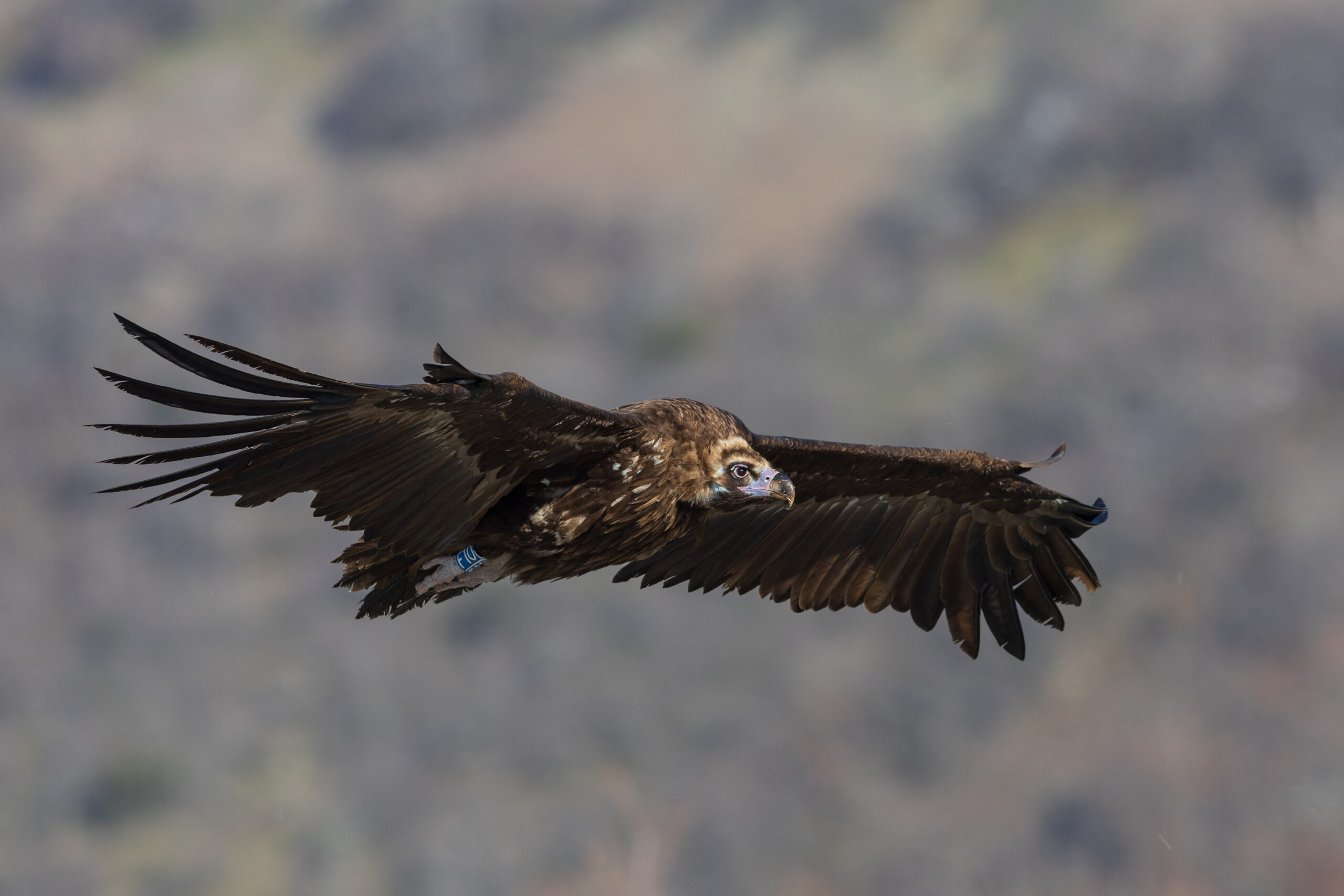
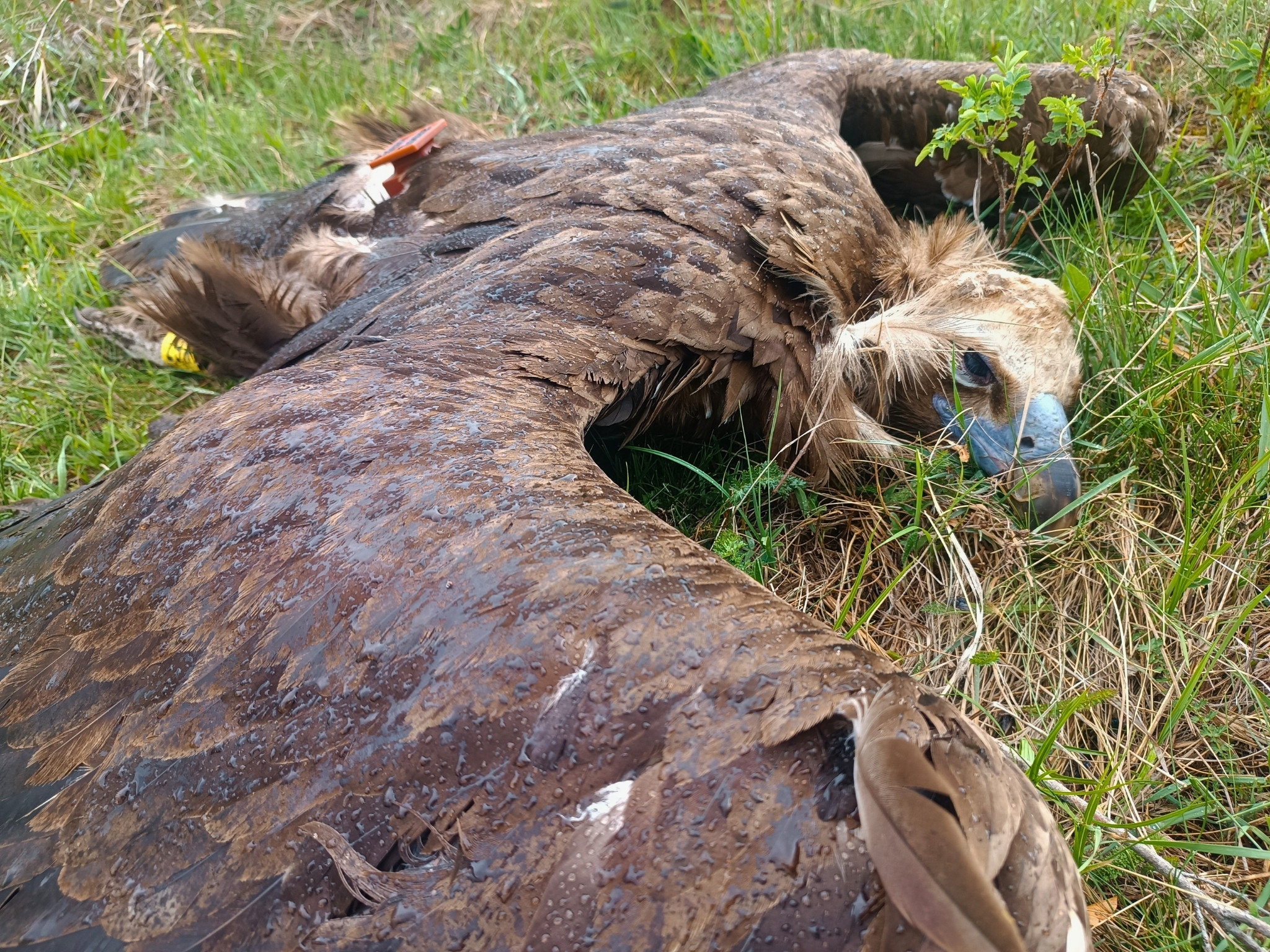
Poisoned baits are the single biggest threat to Cyprus’s Griffon Vulture population, one of the most threatened populations in Europe. The problem doesn’t stop there, though. Poisoning doesn’t discriminate; it kills birds of prey, mammals, and domestic animals, damages ecosystems, and carries risks for public health too.
How the plan came together
The Action Plan was developed through the LIFE with Vultures, a project led by BirdLife Cyprus in collaboration with the Game and Fauna Service, Terra Cypria and the Vulture Conservation Foundation, to address the main threats facing the Griffon Vulture and help prevent Cyprus’s most threatened bird of prey from going extinct.
It pulled together government departments, conservation groups, enforcement agencies and scientific services. Bodies involved in the development of the Plan included the Game and Fauna Service, Department of Environment, Department of Forests, Department of Agriculture, Cyprus Police, State General Laboratory, Veterinary Services, the Environment Department of the British Bases, Terra Cypria, and BirdLife Cyprus.
The plan targets four areas: better data collection on poisoning incidents, stronger prevention and deterrence, improved investigation and enforcement procedures, and wider public outreach. It is designed to continue after the LIFE with Vultures project, which has now concluded.
What is at stake for the vultures
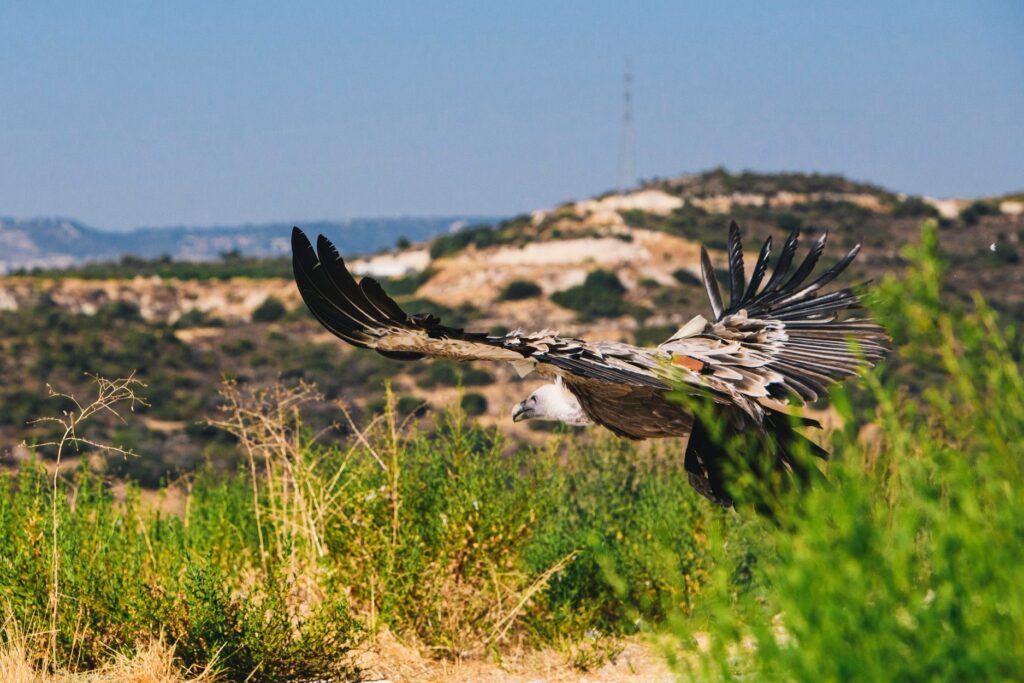
Poisoning has hit Cyprus’s Griffon Vulture population hard over recent decades. Toxic substances often left out for predators or stray animals regularly end up killing scavengers that feed on contaminated carcasses. Work under LIFE with Vultures, including bringing birds from Spain to bolster the population, has helped prevent the species from going extinct in Cyprus. The formal adoption of this roadmap gives those efforts a more durable structure going forward.
The broader picture
Cyprus isn’t alone in this. The BalkansDetox LIFE project ran similar anti-poisoning work across seven Balkan countries, while the WildLIFE Crime Academy project covers enforcement training, implementation of national protocols, and cross-border cooperation across nine countries in Europe, North Africa and the Caucasus. There has been active collaboration between these initiatives and the Cyprus project, with professionals from Cyprus taking part in Wildlife Crime Academy training, and partners sharing knowledge and co-organising conferences on wildlife crime and poisoning.