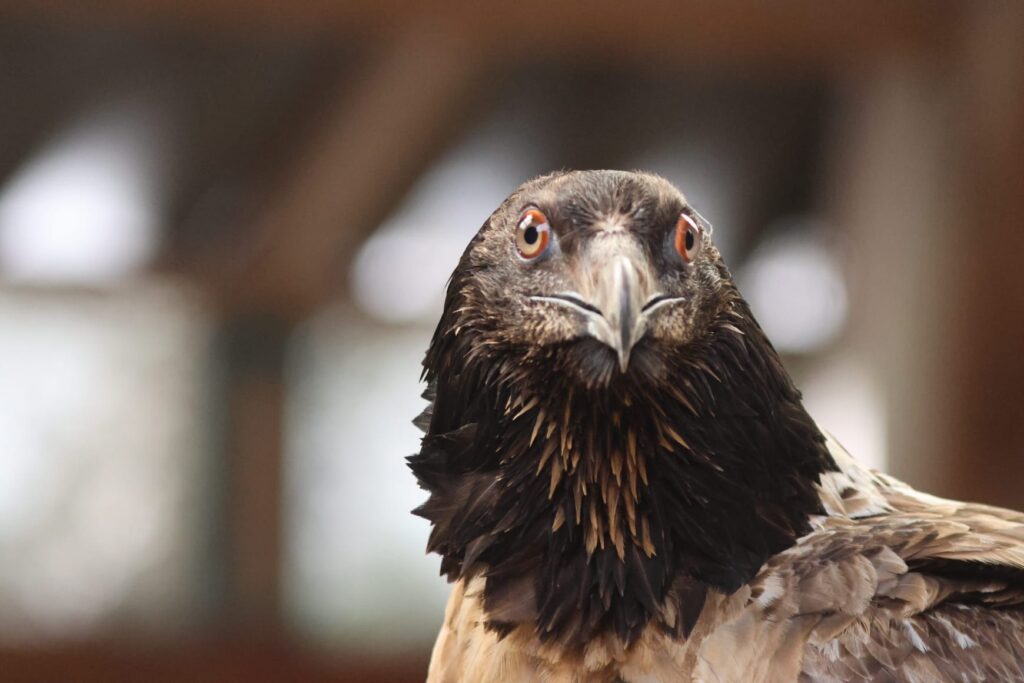
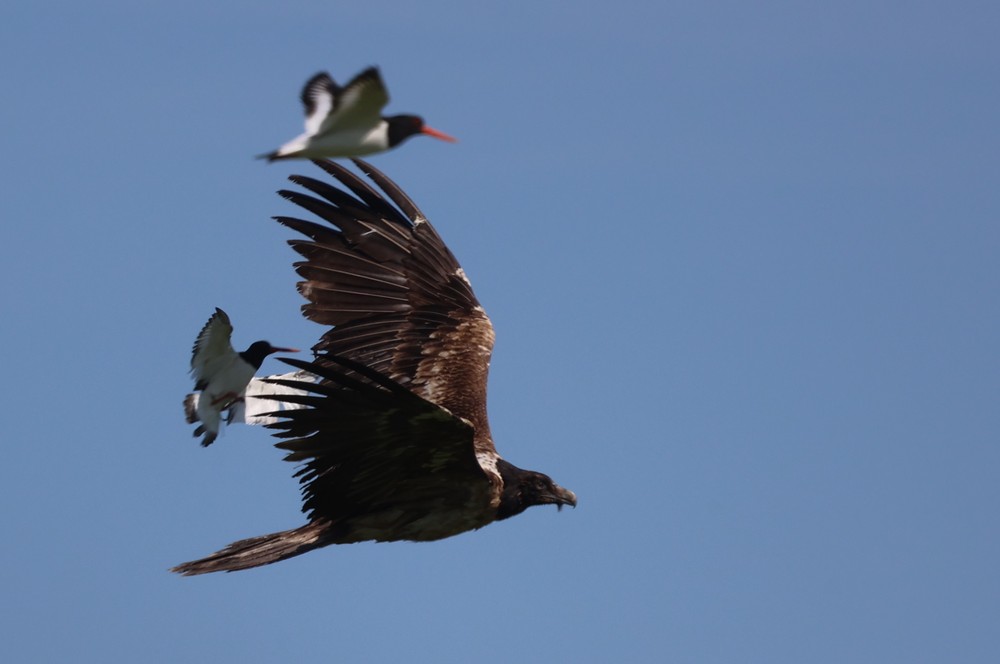
For a few days at the end of May, a young Bearded Vulture became one of the most talked-about birds in the Netherlands.
First seen on 26 May, the bird, later named “Pater,” was observed roosting in central Rotterdam before continuing north along the Dutch coast. Birders were able to follow Pater’s progress for several days as it moved through coastal areas and across the Wadden Islands, drawing attention wherever it appeared.
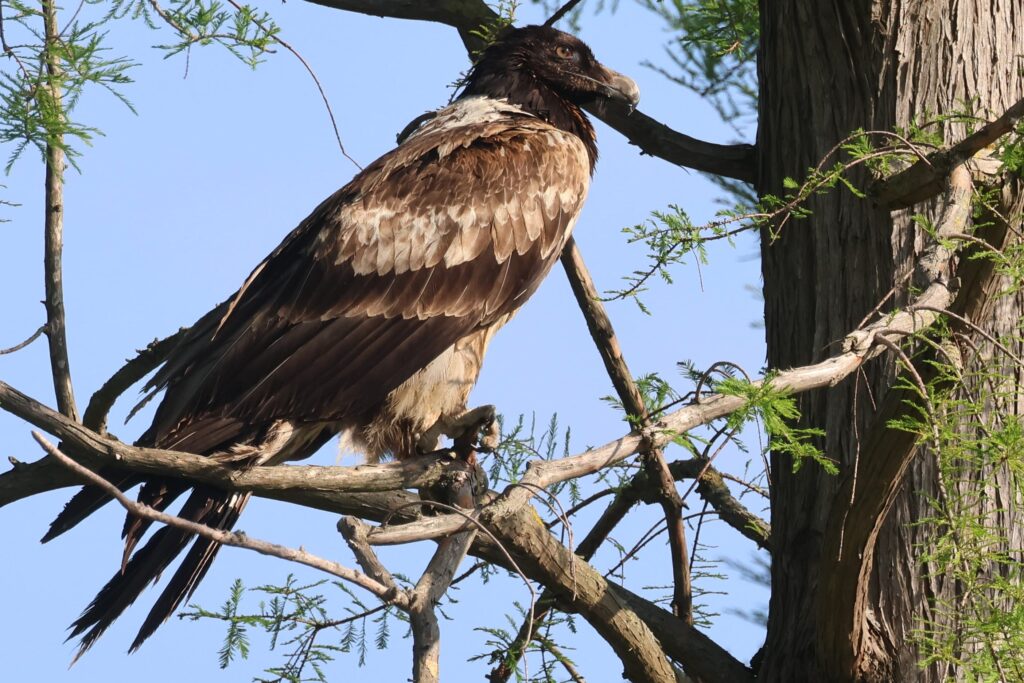
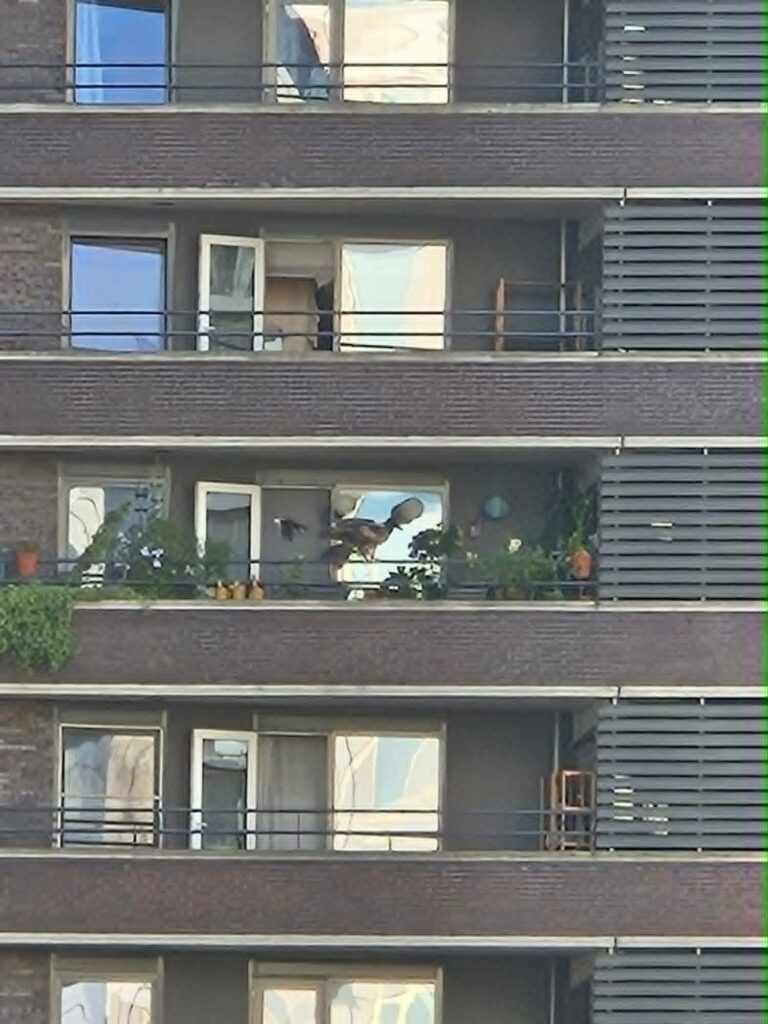
For many people, it was a once-in-a-lifetime encounter with one of Europe’s most iconic birds.
But while thousands were following its journey, one question remained unanswered: Where did this bird come from?
An unexpected journey ends on Ameland
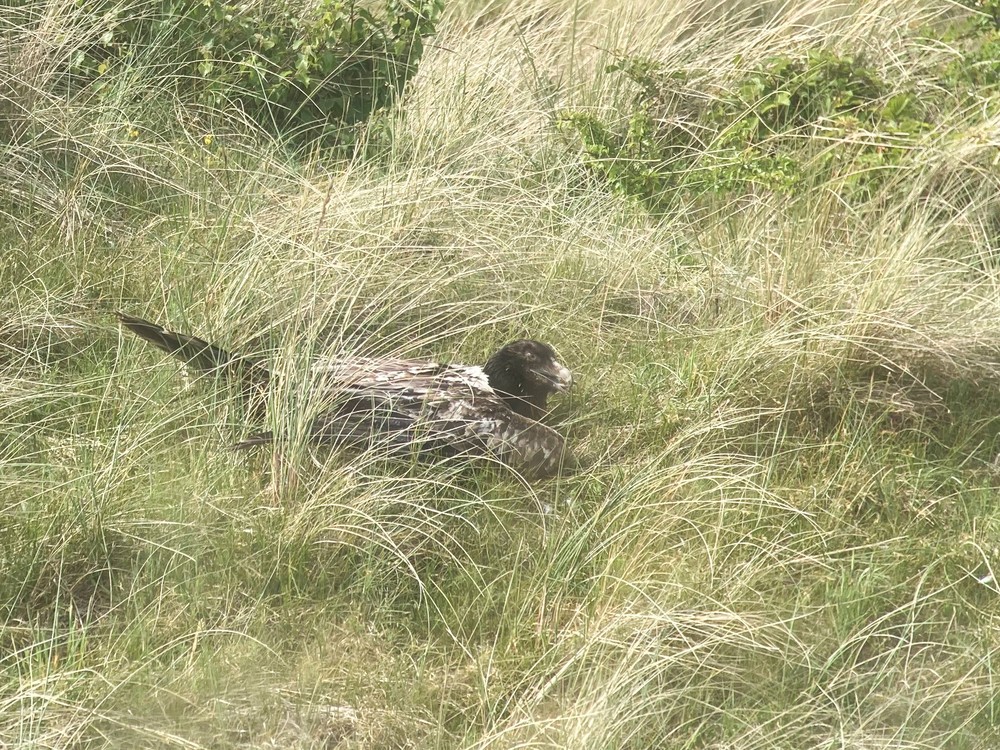
As the days passed, concerns began to grow about the bird’s condition.
On 30 May, the vulture was rescued on the island of Ameland after a warden noticed it appeared weak and later observed it crash into a patch of brambles. The vulture was placed in a transport box normally used for seals before making the boat journey back to the mainland.
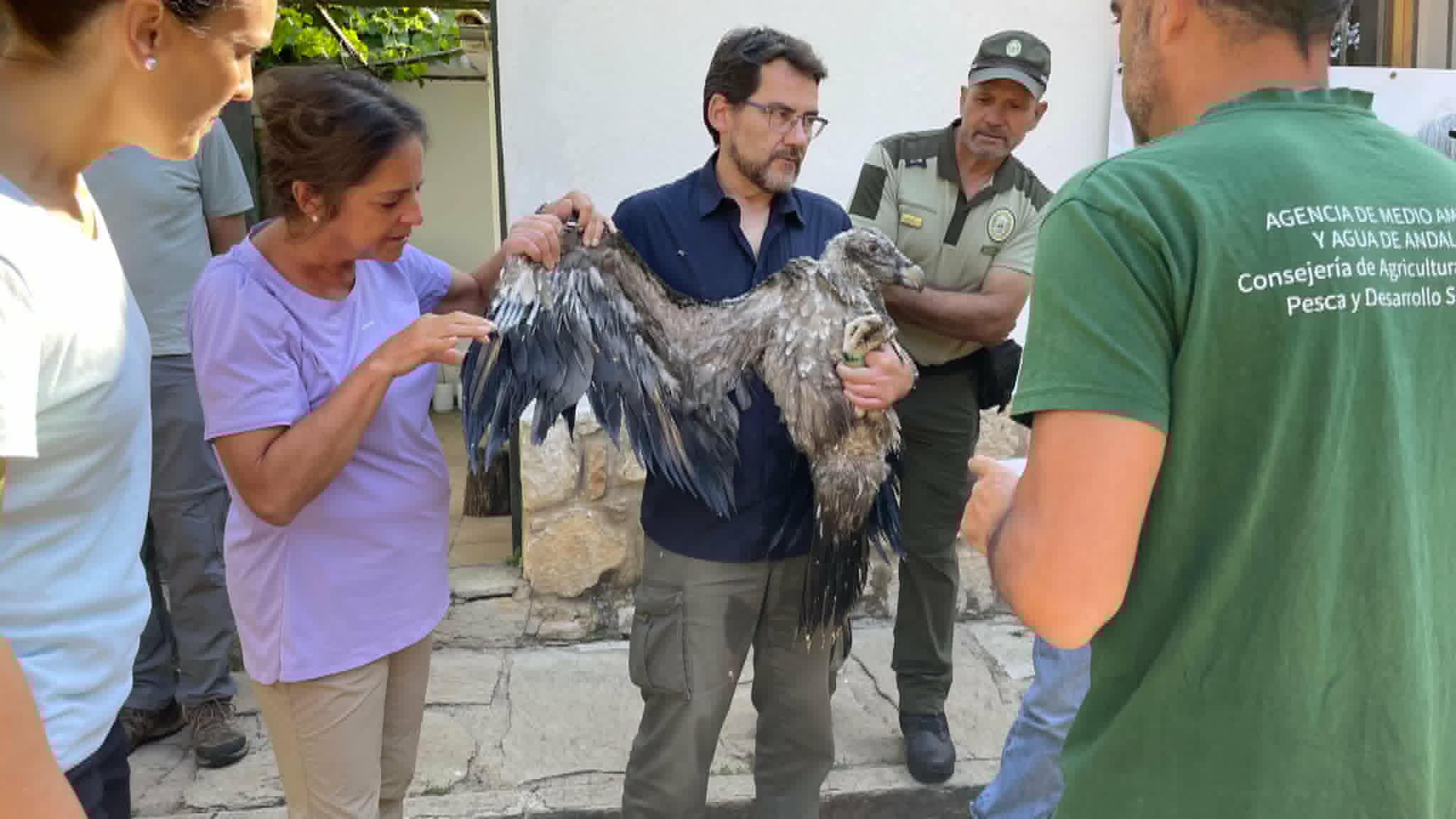
The bird was then transferred to De Fûgelhelling Wildlife Rescue Centre, where veterinarians carried out a full examination.
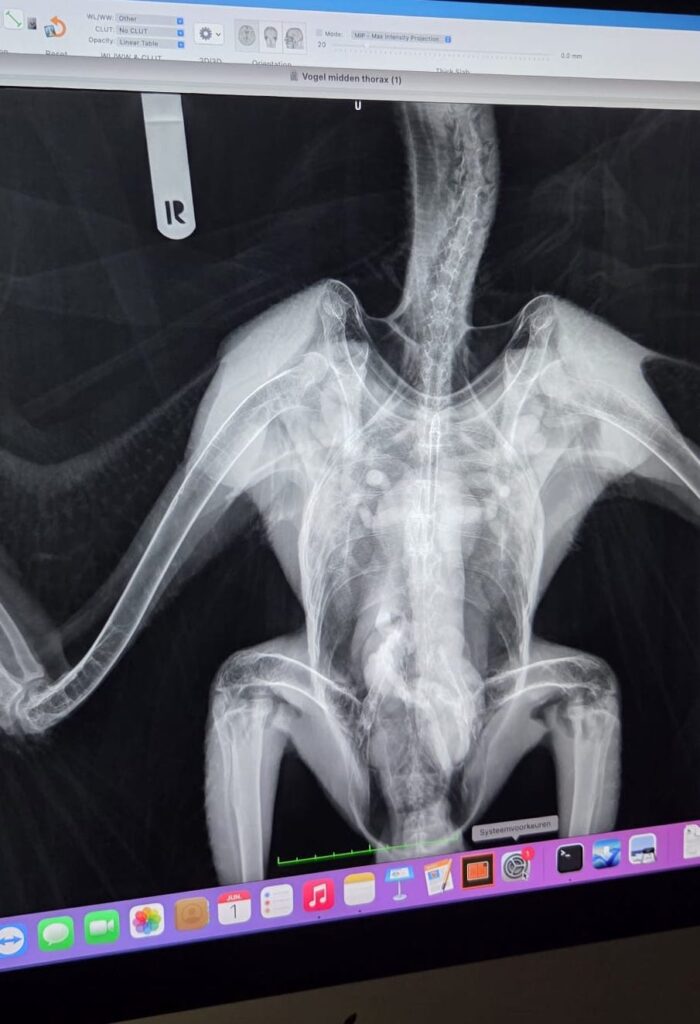
Fortunately, there was no sign of injury. X-rays revealed no broken bones, wing damage or lead shot, and there was no evidence of trauma. Blood tests likewise showed no cause for concern.
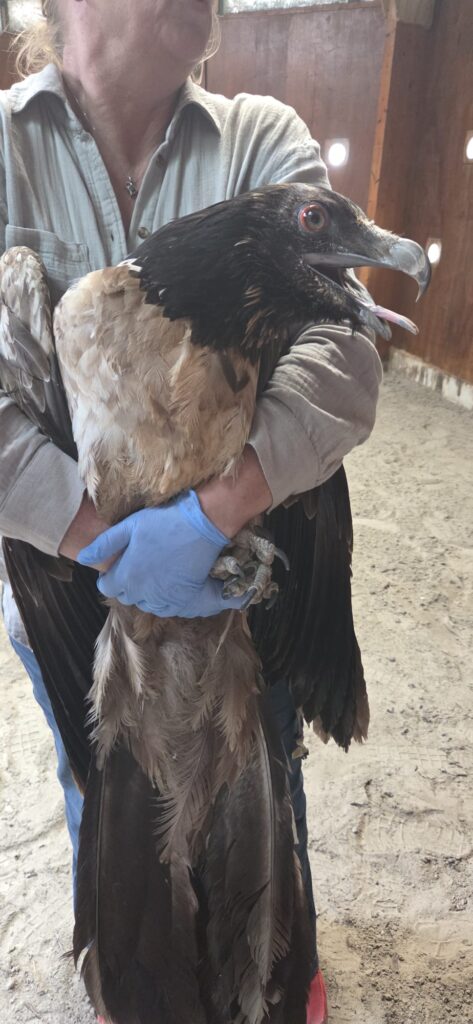
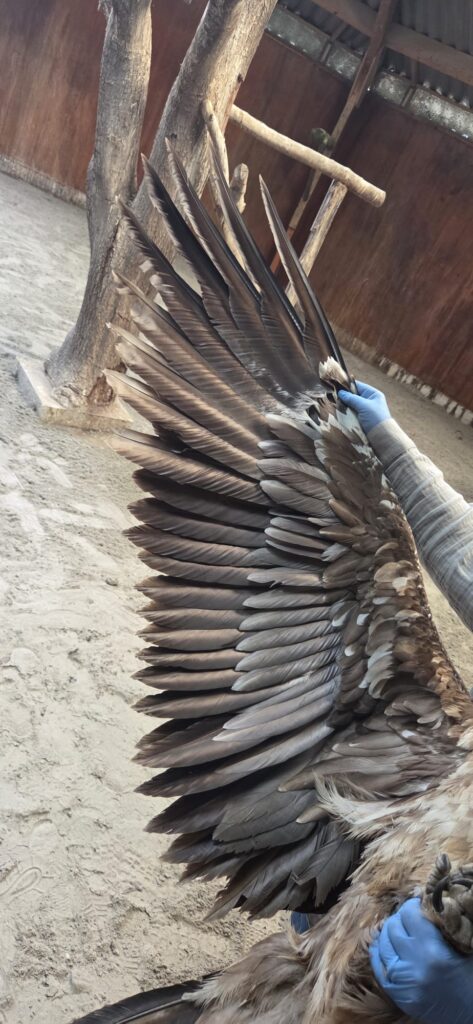
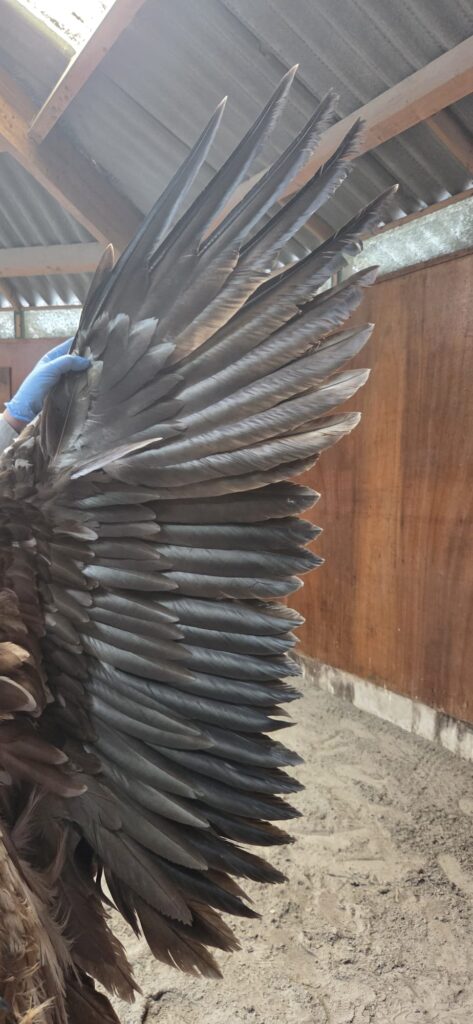
After receiving fluids and liquid food, it gradually regained strength and was soon ready to move on to a more natural diet of calf bones. Since then, its recovery has continued well under the care of the rehabilitation team.
This is not the first time De Fûgelhelling has cared for a Bearded Vulture. In 2015, the centre helped rehabilitate Schils, a young bird that became stranded in the Netherlands after its release in the Swiss Alps and later returned home after recovery.
Where did Bearded Vulture “Pater” come from?
The mystery surrounding the bird began as soon as the first photographs appeared.
All Bearded Vultures released through the reintroduction and restocking projects coordinated by the Vulture Conservation Foundation (VCF) and its partners carry identifying markers, including rings, GPS/GSM transmitters and a unique pattern of bleached feathers.
This bird had none of them, meaning it was not a recently released bird. Instead, it likely hatched in the wild.
The obvious candidates were the Pyrenean population and the reintroduced Alpine population. Both regions now support demographically self-sustaining breeding populations of Bearded Vultures, and young birds are known to wander long distances during their first years of life.
The only way to determine the bird’s origin was through DNA analysis. Fortunately, samples were collected during the rehabilitation process.
Using the pan-European genetic database developed through decades of monitoring work, researchers at Stiftung Pro Bartgeier were able to compare the bird’s DNA with samples collected across Europe and trace its origins.
Pater’s origin
The results revealed that Bearded Vulture Pater was related to known breeding birds from the Central Alps, including the Grisons region in Switzerland and Stelvio Nationalpark in Italy.
The analysis also showed that the bird is a male.
Based on his plumage, we estimate that Pater hatched and fledged in 2025. However, his exact place of birth and the identity of his parents remain unknown. As the Alpine population continues to grow, not every bird is genetically represented in the database. It is therefore likely that one or both of Pater’s parents have not yet been sampled. This may change in the future as more individuals are monitored and genetically analysed.
Records of Bearded Vultures in the Netherlands are still relatively rare. But as Bearded Vulture populations continue to recover in parts of Europe, more young birds are exploring far beyond the mountain ranges where they hatched.
Not all of these journeys go smoothly. Some birds need a helping hand along the way.
Thanks to the quick response of observers, rescuers and veterinary staff, Pater got that chance. The bird is recovering well and is expected to return to the wild soon.
Once fully fit and after the necessary permits have been obtained, Pater will be released in Switzerland.