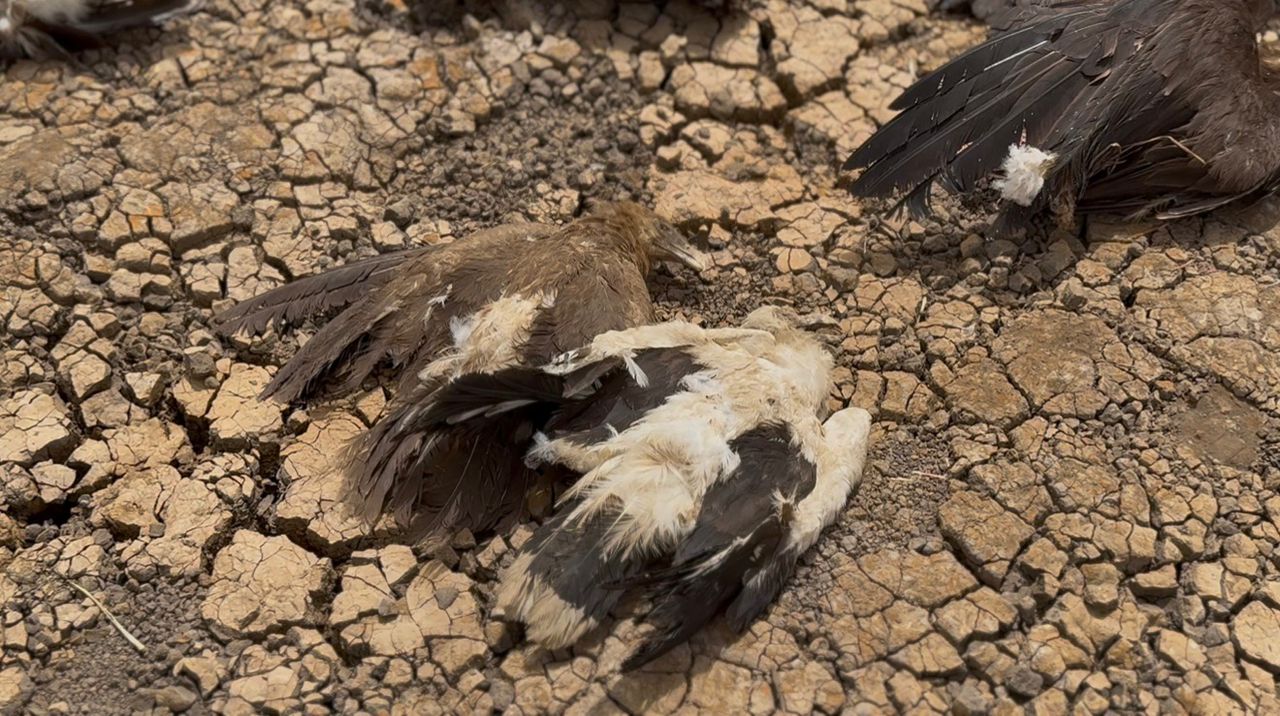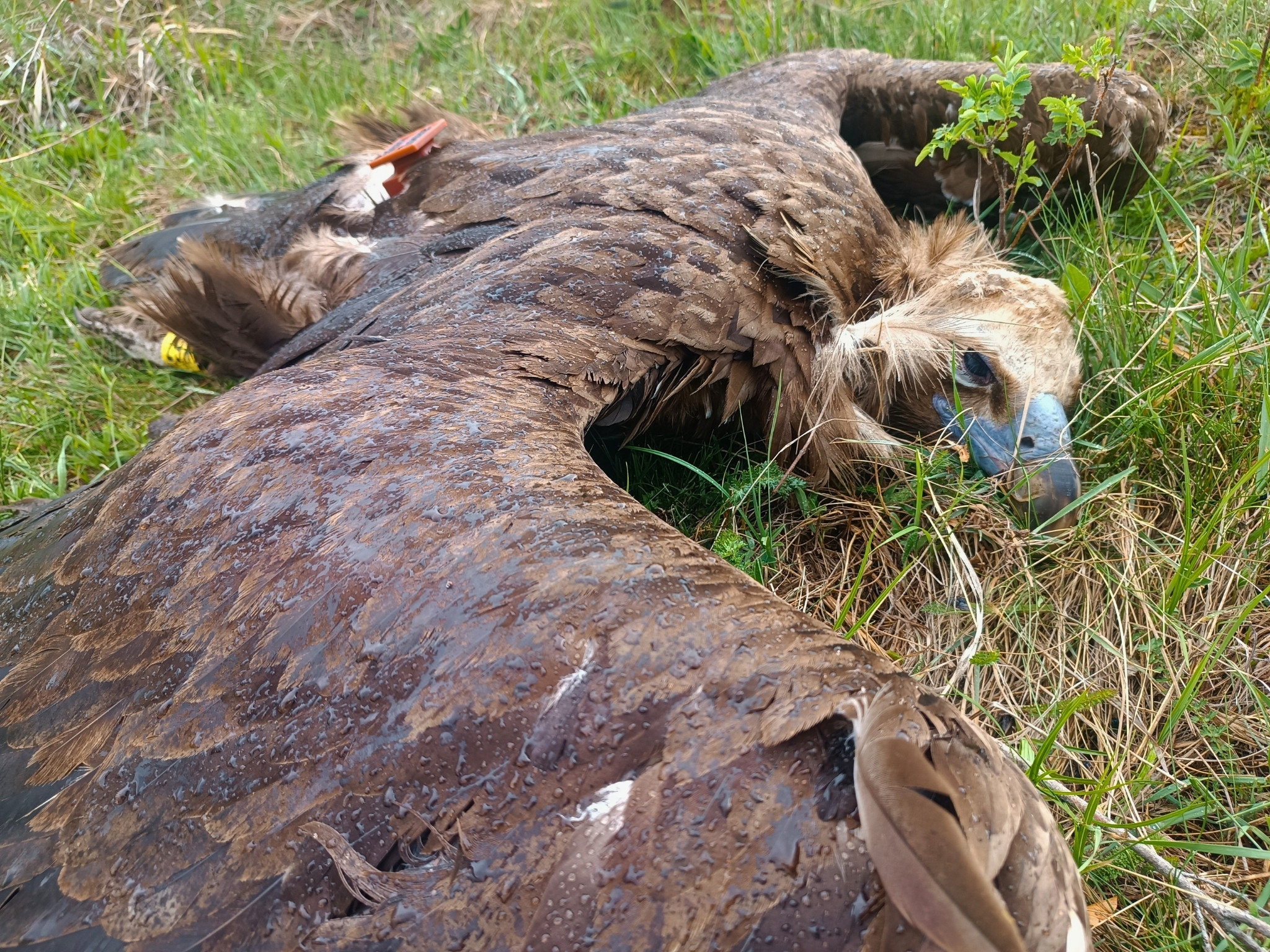
25 Himalayan vultures found dead in Lakhimpur Kheri – Uttar Pradesh’s Dudhwa Tiger Reserve (India). The authorities suspect secondary poisoning: the birds consumed contaminated carcasses of stray dogs that had ingested pesticide-laced baits.
At the beginning of April, a villager living on the edge of the Dudhwa Tiger Reserve witnessed several Himalayan Griffon Vultures (Gyps himalayensis) circling his field. The uncommon sight rapidly escalated into a shocking view when the vultures began collapsing one by one. The local authorities are investigating. The first reconstruction points towards secondary poisoning.
In the previous days, stray dogs had been attacking livestock in the area. Later, they ingested rice laced with pesticides. The vultures most likely ingested poison by feeding on the dogs’ carcasses. 25 Himalayan Griffon Vultures have been found dead in the area, while 6 have been rescued with severe poisoning symptoms.
A Near Threatened, majestic species
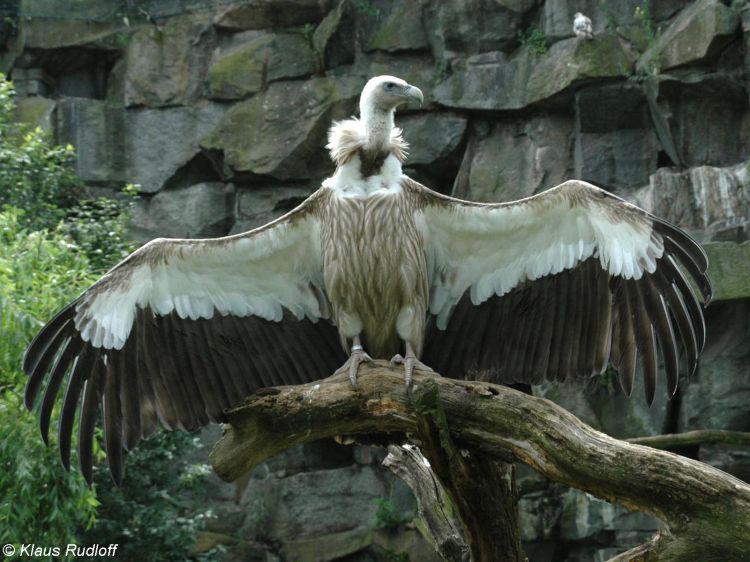
The Himalayan Griffon Vulture (Gyps himalayensis) is the largest vulture species found in the Himalayas. Among the Old-World vultures, it is second in size only to the Cinereous Vulture (Aegypius monachus). Except for the size, it appears similar to the Eurasian Griffon Vulture (Gyps fulvus), with paler skin, beak, and feathers, and a brownish ruff compared to the white ruff of adult Eurasian Griffon Vultures. The Himalayan Griffon Vulture is a skilled soarer; it lives in mountainous areas and prefers open cliffs and rocky ledges for roosting and nesting. It lives and feeds in large groups, eating carrion exclusively.
Himalayan Griffon Vultures are listed as Near threatened in the IUCN Red List of Threatened Species. The species population is declining, mostly due to secondary poisoning and the use of diclofenac in livestock. This veterinary drug is highly toxic to vultures, and it contributed to the decline of many vulture species in India, where it was banned in 2006. However, surveys conducted up to 2018 document the still ongoing illegal use of the drug in cattle despite the ban. Losing vultures to diclofenac has been linked to more than one hundred thousand deaths per year. The economic footprint of this phenomenon is calculated as a loss of $69.4 billion per year.
Human-animal conflict at the roots of unnecessary deaths
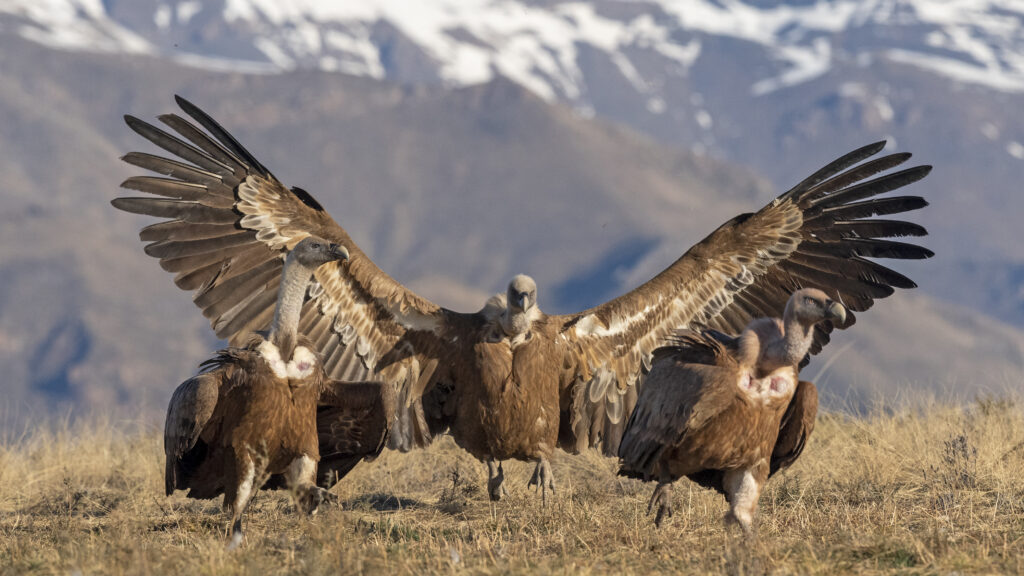
Once again, an unresolved conflict between animals and humans led to the death of the targeted animals and many unintended victims. Poison is one of the first causes of death in vultures. It is often used to target feral dogs, other scavengers, or predators, while vultures remain secondary victims. This cruel, senseless, and criminal act has cascading consequences on the ecosystems and on human health and the economy. It wipes out decades of conservation actions in a moment.
Vultures are precious parts of the ecosystems and provide services that no other species can provide. Their role in many cultures around the world is cherished. We can’t afford to lose any more vultures to poison and human-wildlife conflict, for the ecosystems and for ourselves.