Today, 30 April 2026, is the official closing date of the BalkanDetox LIFE project. Five years, seven countries, a lot of hard work. Here’s what it actually amounted to.
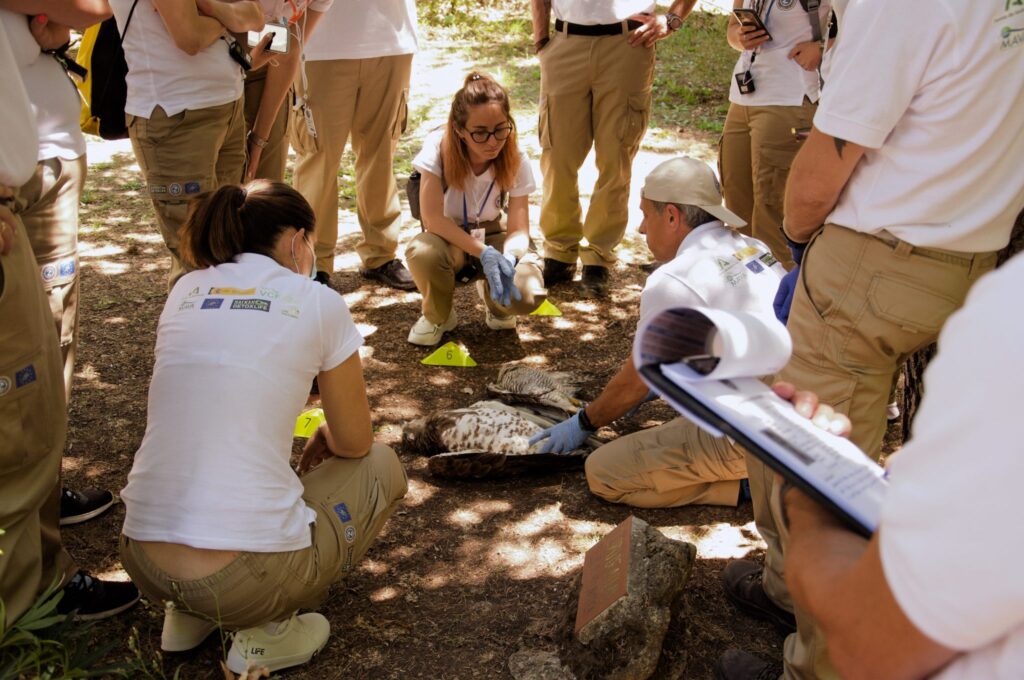
From scattered efforts to something that works together
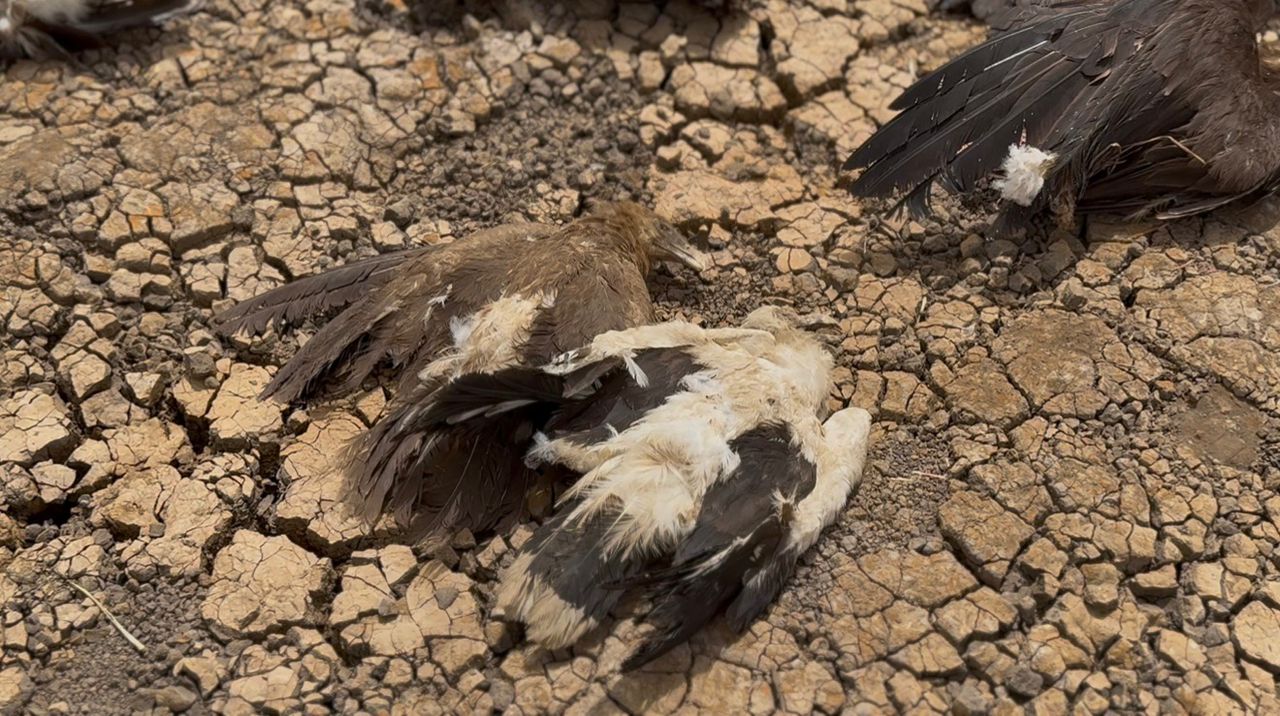
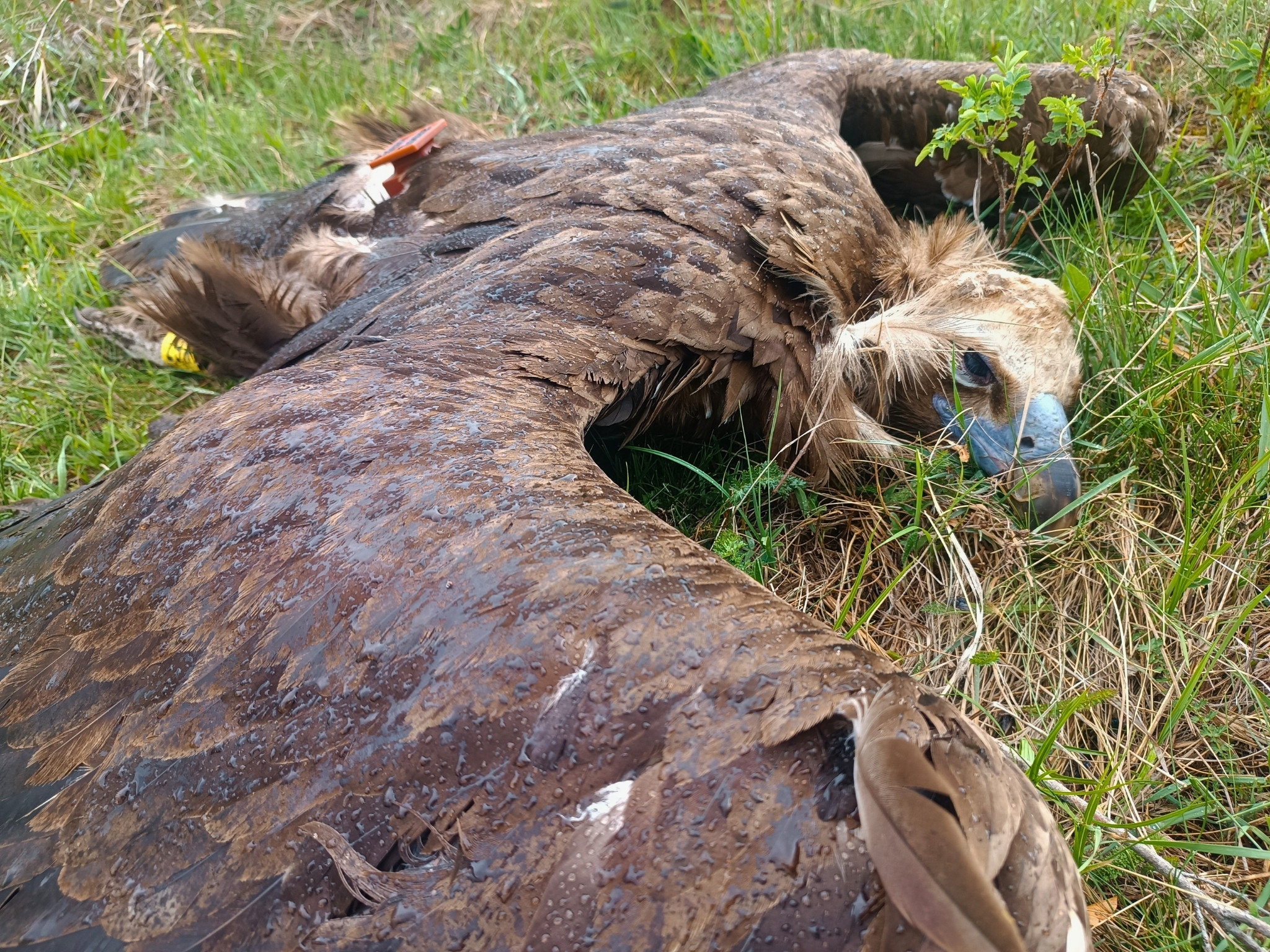
When we started, wildlife poisoning across the Balkans was widespread and almost entirely invisible. Fewer than 1% of incidents ever reached a courtroom. Toxicological analysis was the exception, not the rule. Authorities who needed to work together often had no shared process, or even a shared contact, to make that happen.
That has changed. National anti-poisoning working groups now exist across the region. There are clear protocols for what happens when a poisoning case is discovered – who investigates, who analyses and who prosecutes. That infrastructure didn’t exist in most countries when we began.
The people behind it
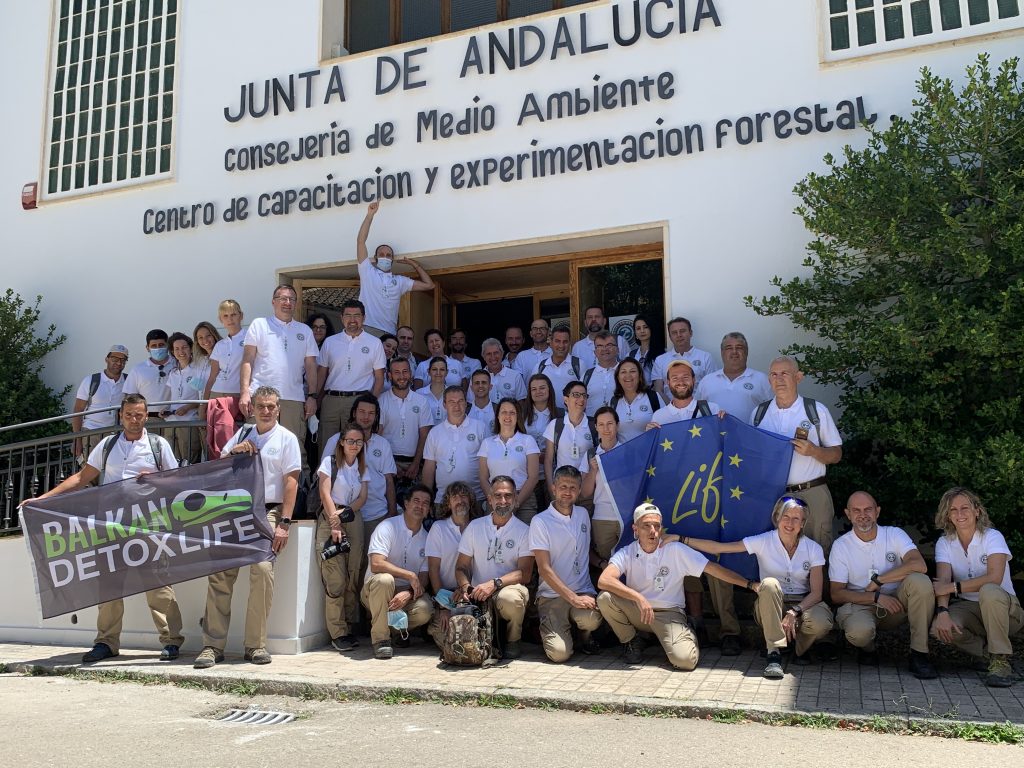
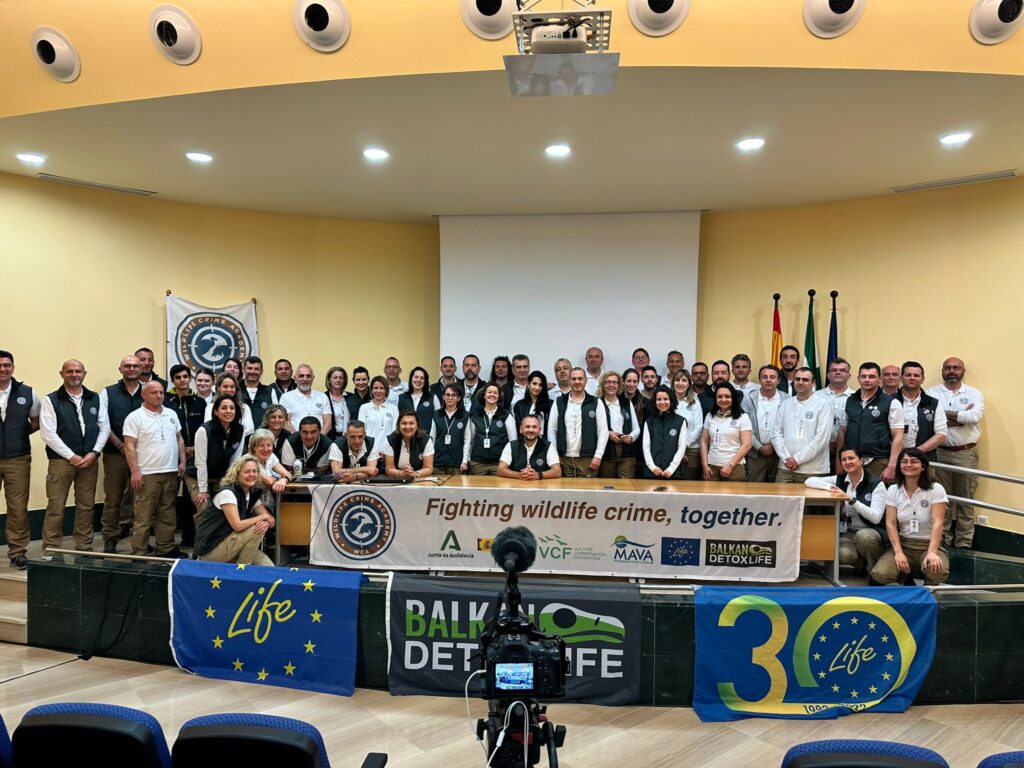
Plans and systems don’t run themselves. A large part of what this project did was invest in the people who have to make them work.
- 44 professionals completed advanced training through the Wildlife Crime Academy (WCA) and are now qualified experts in wildlife crime investigation and analysis
- 576 people were trained by the WCA graduates through national courses
- 164 prosecutors, judges, and legal experts took part in specialist workshops
These are working police officers, conservationists, forensic experts, veterinarians and prosecutors. They know what a poisoning case looks like, how to handle evidence, and how to move it through the legal system.
Albania established a dedicated environmental crime department within the State Police. Similar steps are moving forward elsewhere.
What the numbers show
Before the project, investigations were opened in roughly 6% of recorded poisoning cases. Now, that figure has risen to more than 30%, in comparison to the first project year. Documented poisoning incidents across the region have fallen by around 17% compared to the baseline (period from 2000 to 2020) as a result of implemented core actions and communication actions of the project. One wildlife poisoning incident that occurred (in Serbia) during the implementation of the BalkanDetox LIFE project has been successfully sentenced.
Now, national databases systematically record incidents, annual reports make patterns visible, and forensic capacity actually supports prosecution.
Beyond the institutions
Awareness work ran alongside the institutional side. More than 500,000 people were reached through communications and outreach. Over 40 educational events were held. Hundreds of media stories covered the issue.
Poisoning in the Balkans is no longer an invisible problem.
What isn’t finished
Some national strategies are still working through formal adoption. The systems built during this project need continued support to hold. Monitoring, training, and cross-border cooperation don’t stop because a project does, and they won’t. Follow-up work is already planned, and the network of people who’ve been part of this will carry it forward.
Thank you
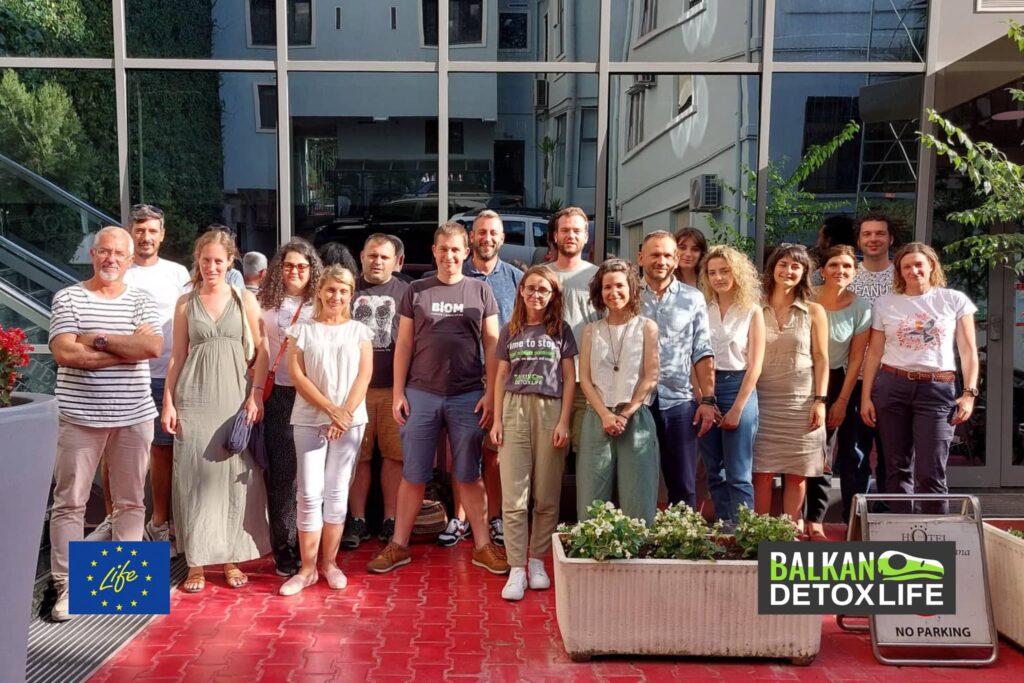
To every partner, authority, expert, and community that contributed to this, we want to say thank you. What has been built here isn’t the end of the problem, but it’s a real foundation: better coordination, stronger institutions, and people across seven countries who know what to do when it matters.
The BalkanDetox LIFE project

The ‘BalkanDetox LIFE‘ project aims to strengthen national capacities to fight wildlife poisoning and raise awareness about the problem across Albania, Bosnia & Herzegovina, Bulgaria, Croatia, Greece, the Republic of North Macedonia and Serbia. It is a five-year endeavour with a €1.8 million budget that received funding from the EU’s LIFE Programme and co-funding by the Vulture Conservation Foundation, the MAVA Foundation and Euronatur. Project partners are the Vulture Conservation Foundation as the coordinating beneficiary, and the Albanian Ornithological Society, Association BIOM, Bird Protection and Study Society of Serbia, Fund for Wild Flora and Fauna, Hellenic Ornithological Society, Macedonian Ecological Society, Ornitološko društvo NAŠE Ptice and the Protection and Preservation of Natural Environment in Albania as associated beneficiaries. Furthermore, this project is based on Spanish best practice experience and counts on the support from the Junta de Andalucía and the Spanish Ministry for the Ecological Transition and the Demographic Challenge.