LIFE Safe for Vultures project coordinated the largest simultaneous ornithological census in Sardinia, and the results are incredibly promising. The Sardinian Griffon Vultures population is steadily growing and expanding its range thanks to the project’s actions.

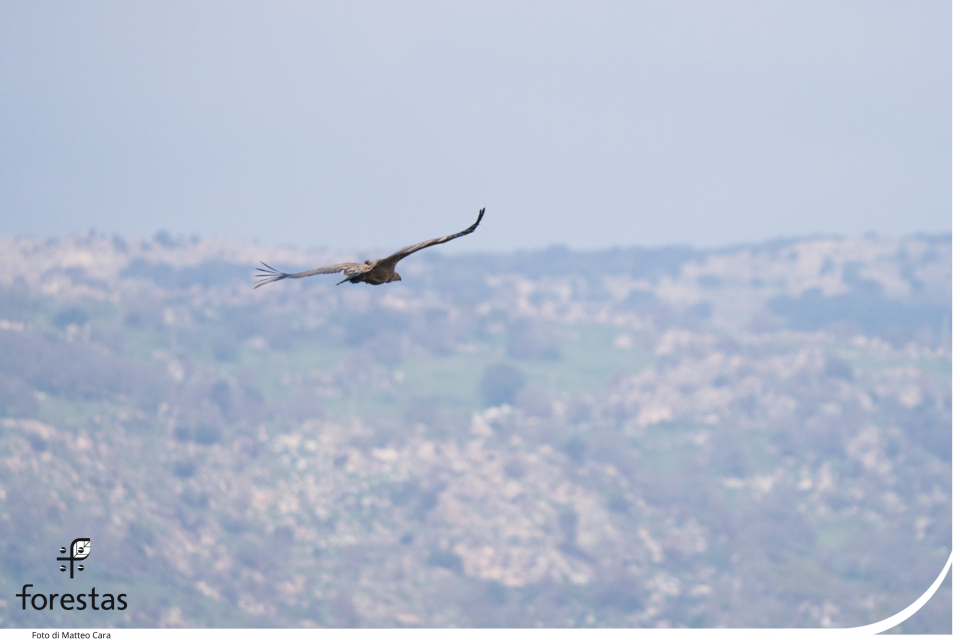
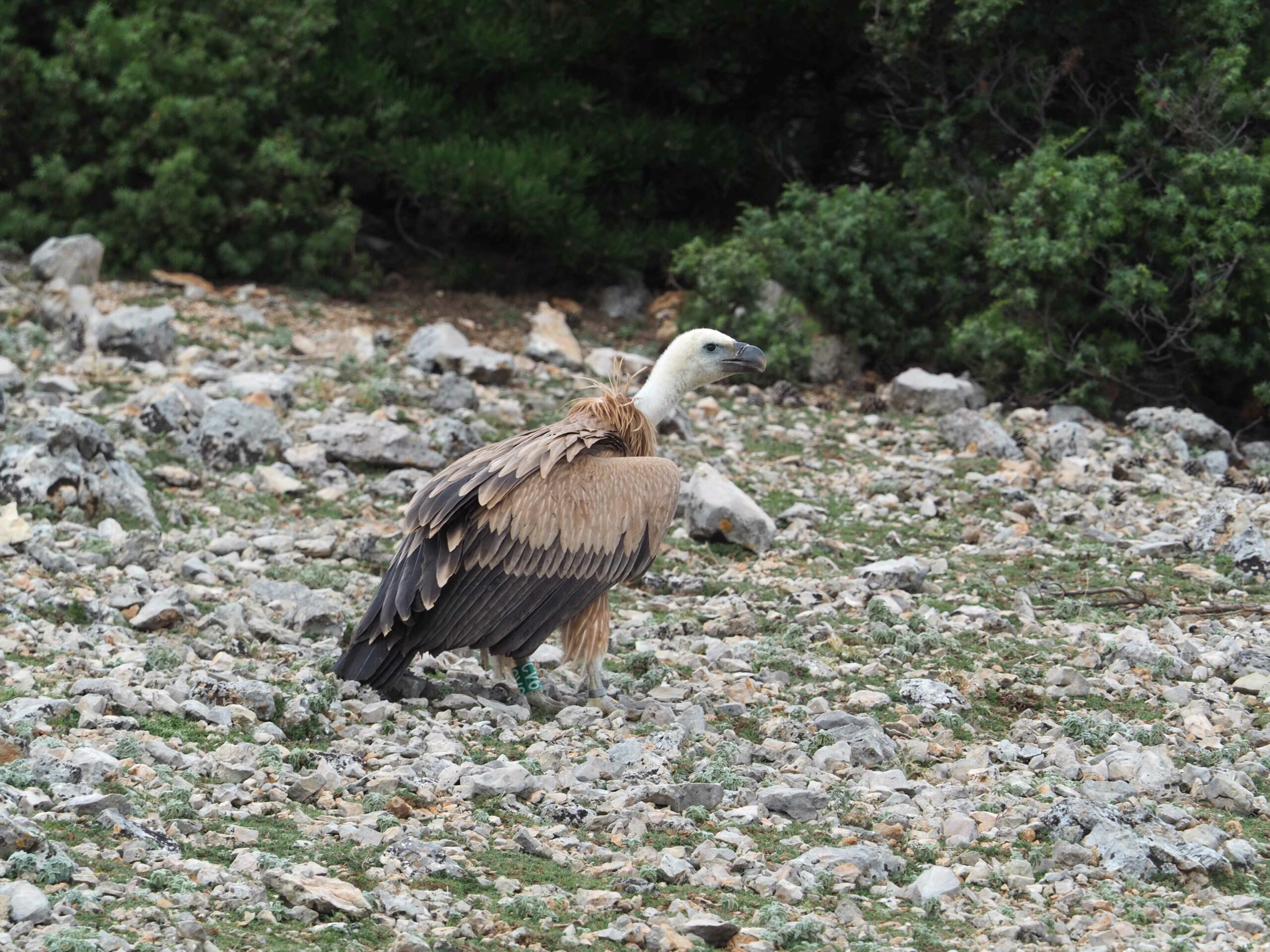
The Sardinian Griffon Vulture (Gyps fulvus) population is healthy, growing and expanding its range thanks to the LIFE Safe for Vultures project actions. This is what emerges from the 2025 Griffon Vulture census in Sardinia organised by the project partners.
A total of 161 volunteers and experts covered 35 different observation points distributed around the island, simultaneously counting vultures. Many local and national NGOs and associations joined the event in collaboration with the project and the Forestry department.
A clearly positive trend

According to the 2025 Griffon Vulture census, the Sardinian population saw an increment of 21.03% in the number of individuals in one year. In five years the number of vultures is more than doubled.
In 2017, the first Griffon Vulture census on the island counted between 144 and 160 individuals. Thanks to the LIFE Under the Griffon Wings project actions, which included restocking and threat mitigation activities, Griffon Vultures exceeded the 250 units in 2020. Today, the effects of decades of conservation efforts are unequivocal. The 2025 census registered between 516 and 566 individuals. In addition, the species expanded towards the South of the Island, where the LIFE Safe for Vultures project focuses most of its actions.
Pairing and breeding increment

© Alfonso Campus/ L’Altra Bosa
The 2025 breeding season monitoring highlighted an increase in the number of territorial pairs, clutches and fledgelings compared to the previous year. Despite the overall expansion of the species distribution to South Sardinia, Griffon Vultures are still reproducing only in the North-West area of the island. The 120 territorial pairs counted represent the most striking data, indicating a 14.3% increment compared to the 2024 breeding season.
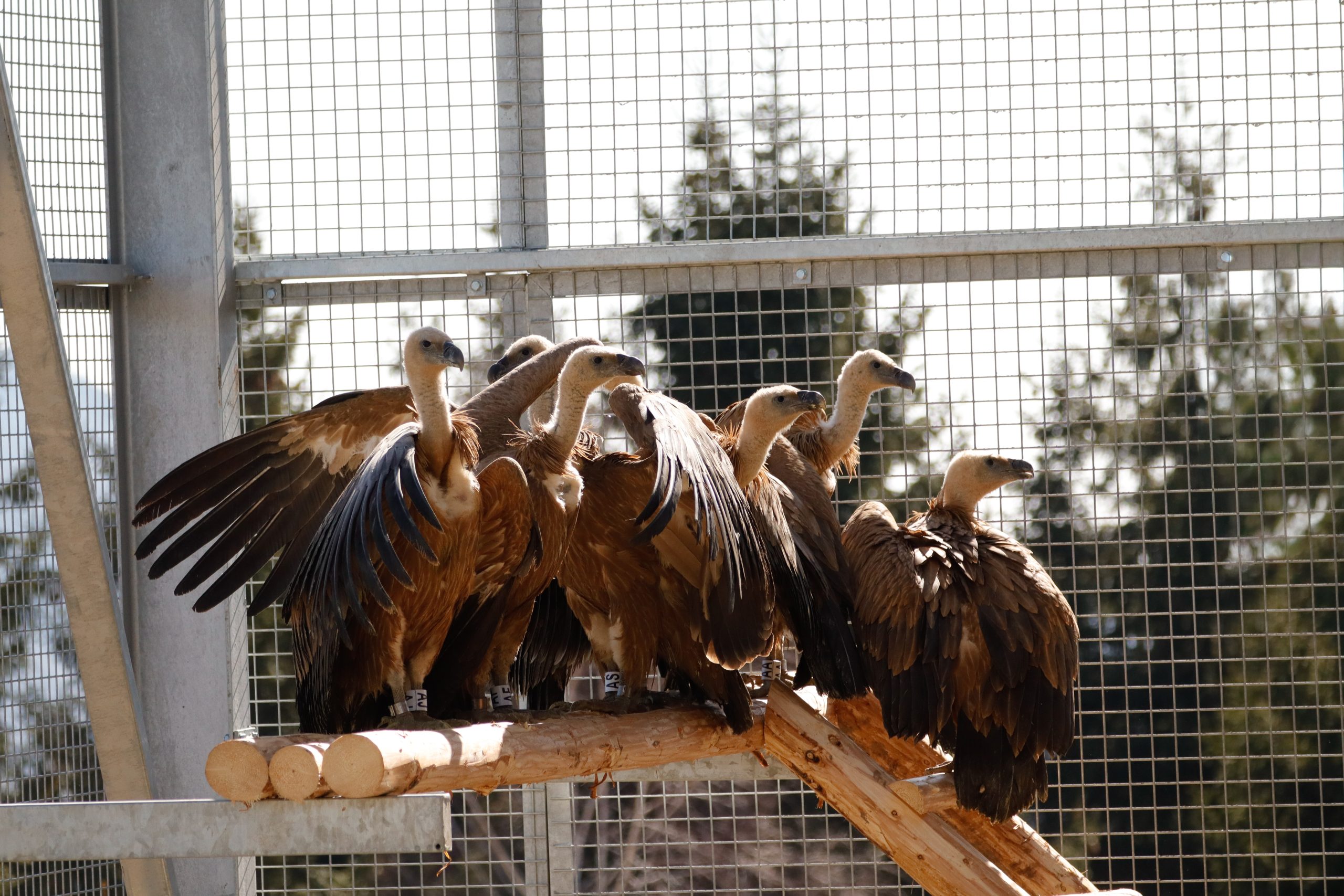
The pair composition is a positive indicator as well. The project observed successfully reproductive pair formed by two reintroduced Spanish individuals, mixed pairs with one reintroduced vulture and a local one, and pairs where both parents are rehabilitated Sardinian Griffon Vultures.
The efforts behind the success
Behind these remarkably positive results, there is a decade of widespread conservation actions. Threat mitigation and public awareness, contributed to reduce mortality and make Sardinia a safe place for vultures. The supplementary farm feeding station network is the result of the project collaboration with farmers and the local health department. It provides a constant and safe food source for the growing vulture population and contributes to the local economy. Lastly, the Griffon Vultures released by previous restocking programmes are reaching sexual maturity and reproducing successfully.
The LIFE Safe for Vultures project is implementing these actions and expanding past successes from the North of the island to the South. The positive trend shown by these data is worth celebrating and sheds a new and hopeful light on the future of vultures in Sardinia.
LIFE Safe for Vultures
LIFE Safe for Vultures is a project co-financed by the EU’s LIFE Programme, acting as the first step to the restoration of the vulture guild in Sardinia. The University of Sassari leads the project in collaboration with Agenzia Regionale Forestas, Sardegna Corpo Forestale, E-Distribuzione and the Vulture Conservation Foundation. LIFE Safe for Vultures builds on the work of the successful LIFE Under Griffon Wings, with the ultimate objective for Griffon Vultures to regain their historic ranges and distribution areas from the central-eastern part of Sardinia to the south and at the same time promote the long-term survival of the species on the island.
The project team is working to expand the network of farm feeding stations, create several anti-poison dog units to tackle wildlife poisoning, establish an additional feeding station in the south of the island, restock the population by importing 40 additional Griffon Vultures and reduce the threat of collision and electrocution with energy infrastructures.