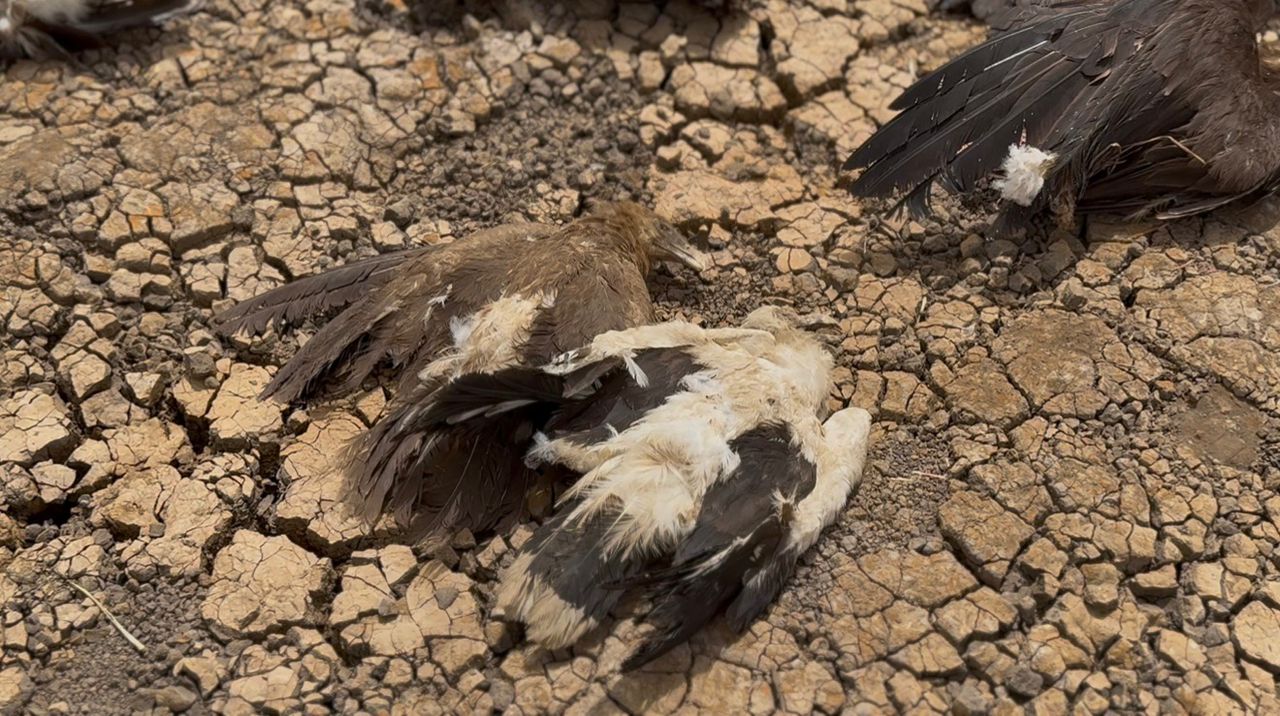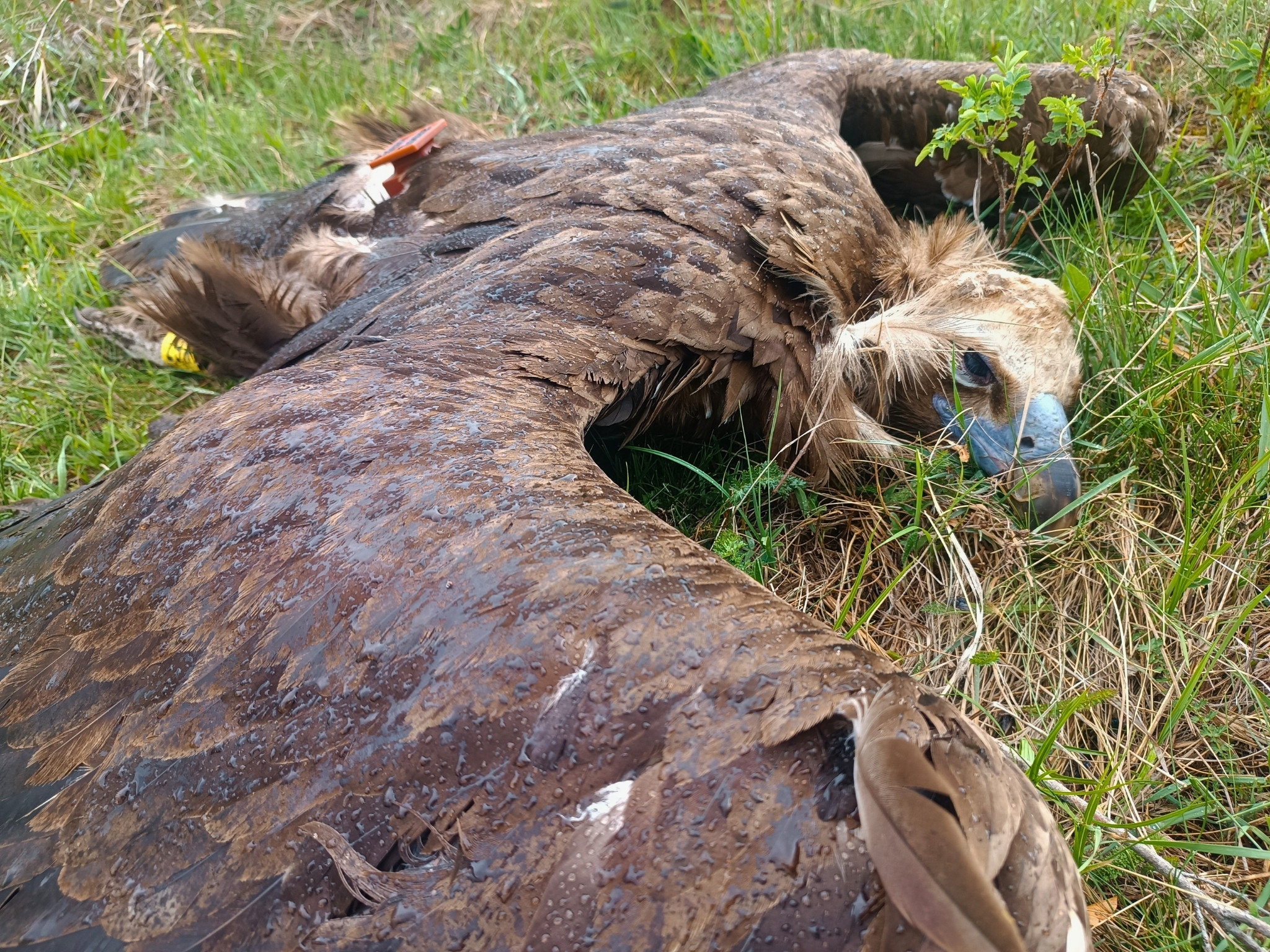
Seven Griffon Vultures poisoned with Carbofuran in the Lesachtal Valley (Austria). Six of them are dead, and one was severely weakened. The most shocking detail of the incident is the use of a pesticide that has been banned across Europe since 2008.

The first alert came in mid-April, when the six Griffon Vultures (Gyps fulvus) were found dead in the municipalities of Untertilliach (Tyrol) and St. Lorenzen (Carinthia) over a few weeks. One last individual was found still alive by the rescue team. All the affected birds were in good body condition; their deaths sparked immediate attention. Intentional poisoning was the first hypothesis.
Sadly, the Carinthian State Criminal Police Office, which investigated the case, confirmed the theory. The autopsies, performed by the University of Veterinary Medicine Vienna and Ludwig Maximilian University of Munich, revealed that the poison used is a pesticide that should have disappeared from Europe almost twenty years ago: Carbofuran. The poison identification confirms that wildlife was the intended target of this crime.
A pesticide used exclusively for poisoned baits
Carbofuran is a neurotoxic carbamate pesticide banned in Europe in 2008, in the United States, and in Canada. It is a systemic insecticide, soluble in water and in the soil, that exhibits its toxicity mediated by the same mechanism as nerve gases. As of today, it is considered one of the most toxic pesticides still in use in some areas of the world. It is fatal to wildlife and humans in the smallest doses.
Despite the ban, Carbofuran is still illegally used in Europe to prepare poisoned baits for wildlife. The consequences of its use are catastrophic. Protected species such as red kites, white-tailed eagles, and, as in this case, griffon vultures, are among the most common victims of this substance. Illegal poisoned baits are often used as an easy answer to human-wildlife conflict, especially with predators. In this case, the investigation is still ongoing, and we do not know which species was the intended target of this criminal action.
A crime with far-reaching consequences
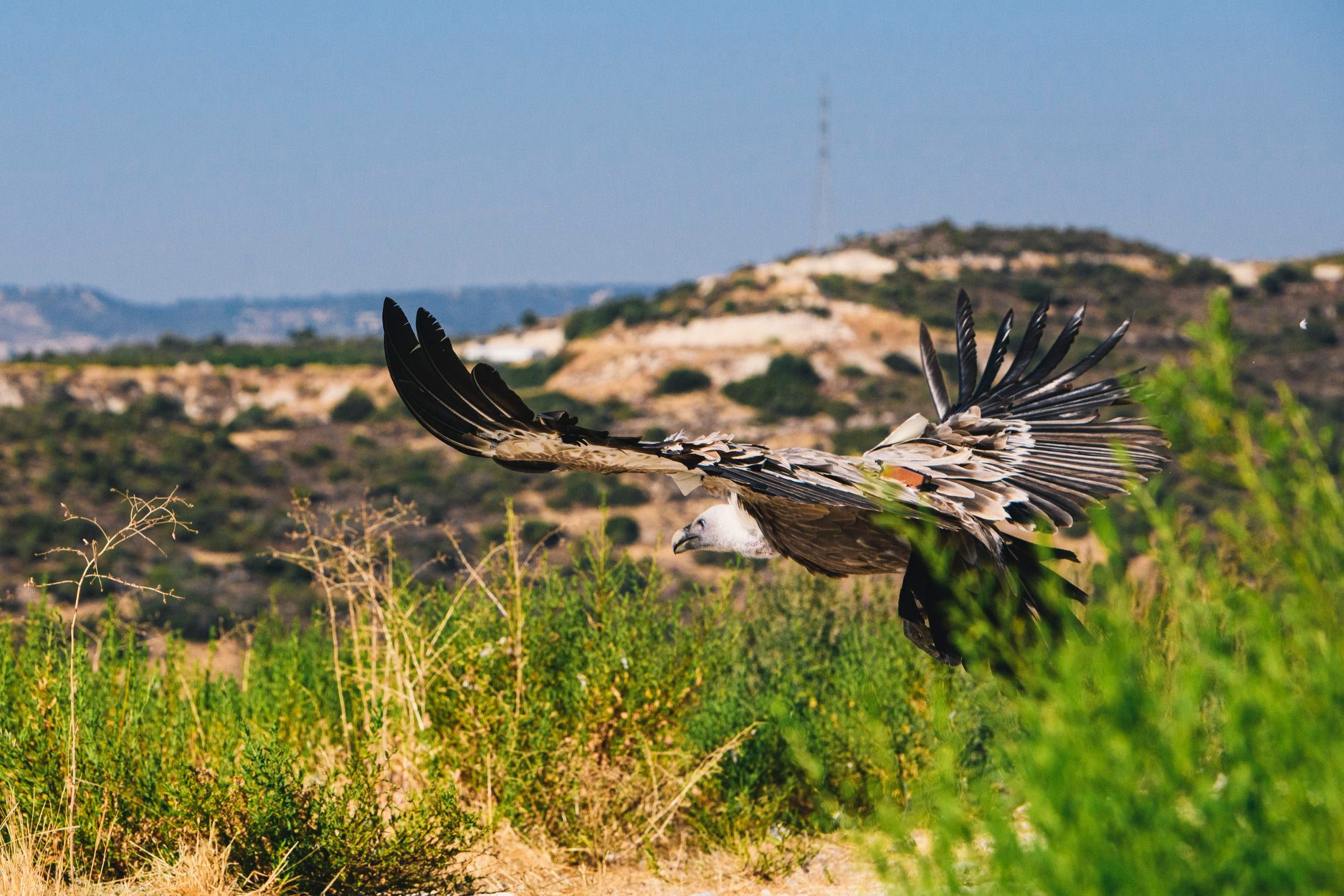
The Hohe Tauern mountains in Austria, where this crime has been committed, are an important summering area for Griffon vultures. Juvenile birds and non-breeding individuals from Friuli (Italy) and the northwestern Balkan Peninsula find ideal conditions here. Every year, between 100 and 120 Griffon vultures spend the summer in the Hohe Tauern, contributing to the local ecosystems and economy. They remove wild and livestock carcasses from remote areas, preventing the spread of diseases and reducing disposal costs and greenhouse gas emissions. Cinereous and Bearded vultures can also be found in the area during summer.
This data identifies Austria as an important summering area for the Griffon Vulture, and as a stepping stone for vulture species, connecting the population of Eastern and Western Europe. This criminal act took the lives of six individuals but affected populations that live far beyond Austria’s borders.
This case demands a full investigation
The seventh vulture was successfully rescued and rehabilitated, and it has been released back into the wild. A small victory compared to the severity of this crime. However, many questions remain unanswered. The investigation has not yet identified the author of this appalling act, or which was the intended target of the poison. BirdLife Austria, WWF Austria, and the Vulture Conservation Foundation demand a clear response from law enforcement to identify and bring the perpetrators to justice.
Deliberate poisoning is one of the main threats to vultures and has the devastating potential to push endangered species back to the brink of extinction. A single bait can kill hundreds of vultures, destroying the results of decades of conservation efforts. The conservation community and European ecosystems cannot afford to lose vultures to criminal acts like the one that recently affected Austria.