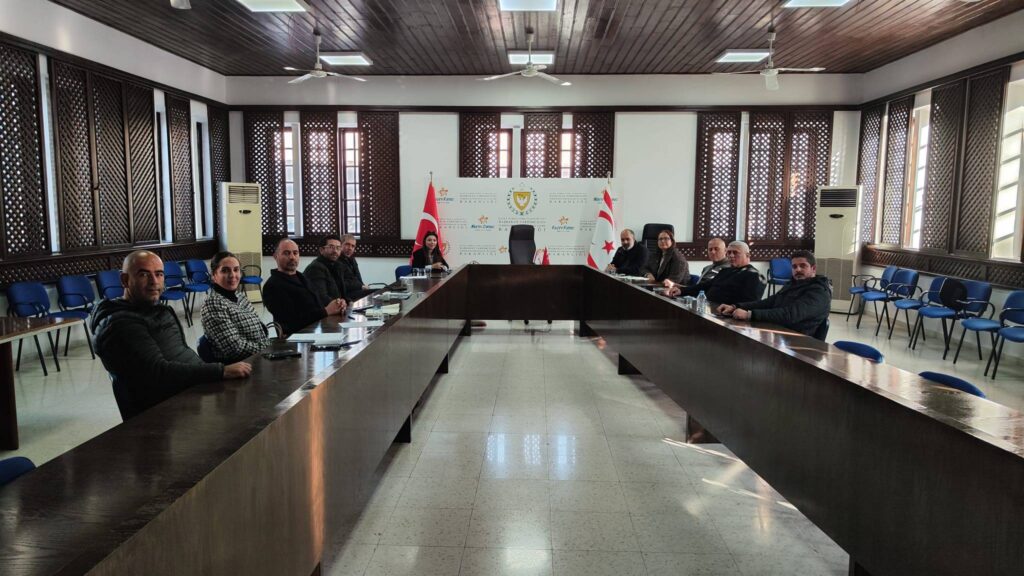
Protecting wildlife needs the right people working together through shared responsibility and strong cooperation. Northern Cyprus has taken a concrete step in that direction with the establishment of a Wildlife Crimes Advisory Committee, bringing public institutions, technical units, and civil society organisations into a shared structure to tackle wildlife crime more effectively.
This committee is one part of a broader effort by the WildLIFE Crime Academy to strengthen the capacity to investigate and prosecute wildlife crime across Europe, the Caucasus, and North Africa. Taşkent Nature Park (Cyprus Wildlife Research Institute; CWRI) leads this work as the project partner in northern Cyprus.
A joint effort
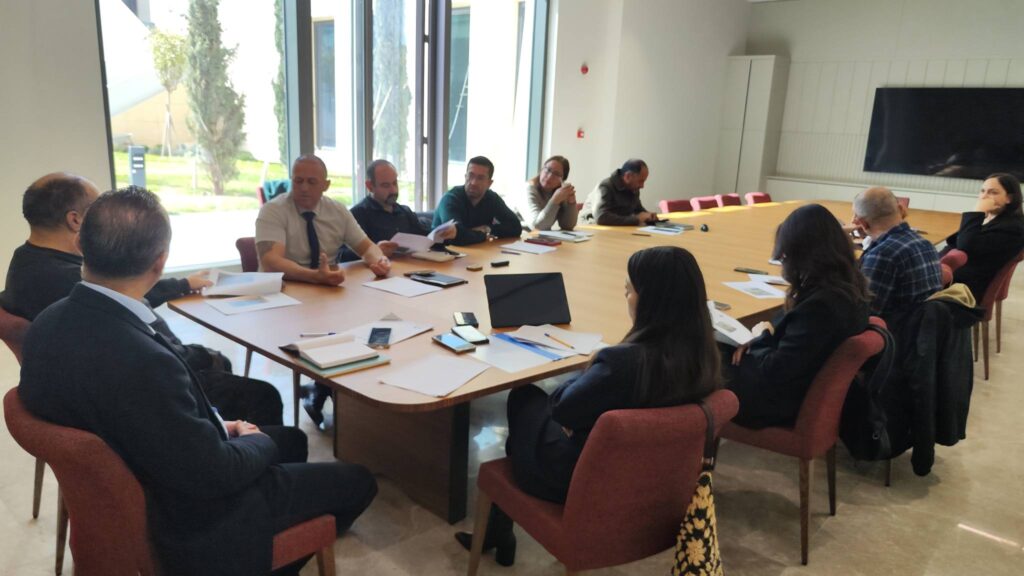
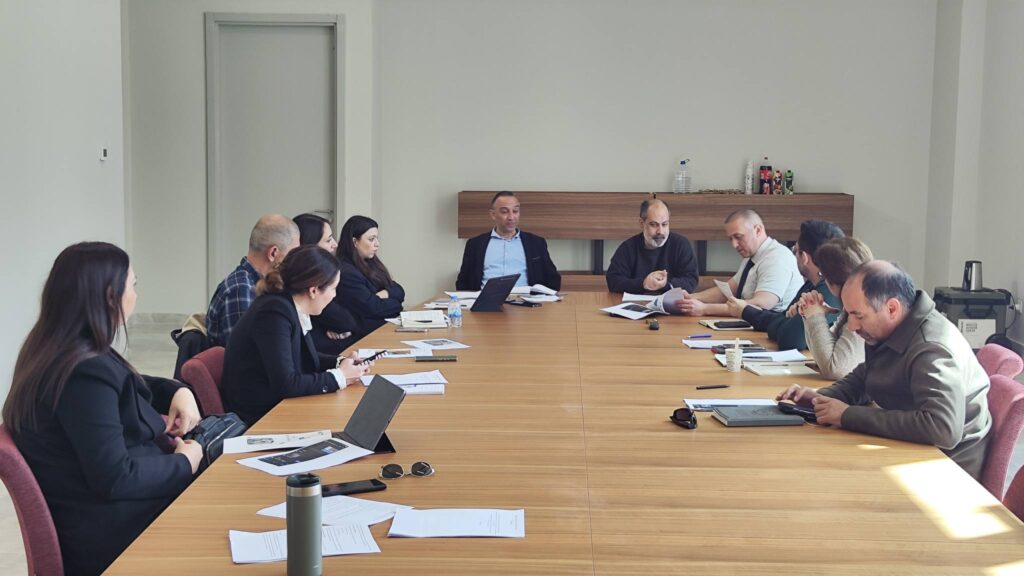
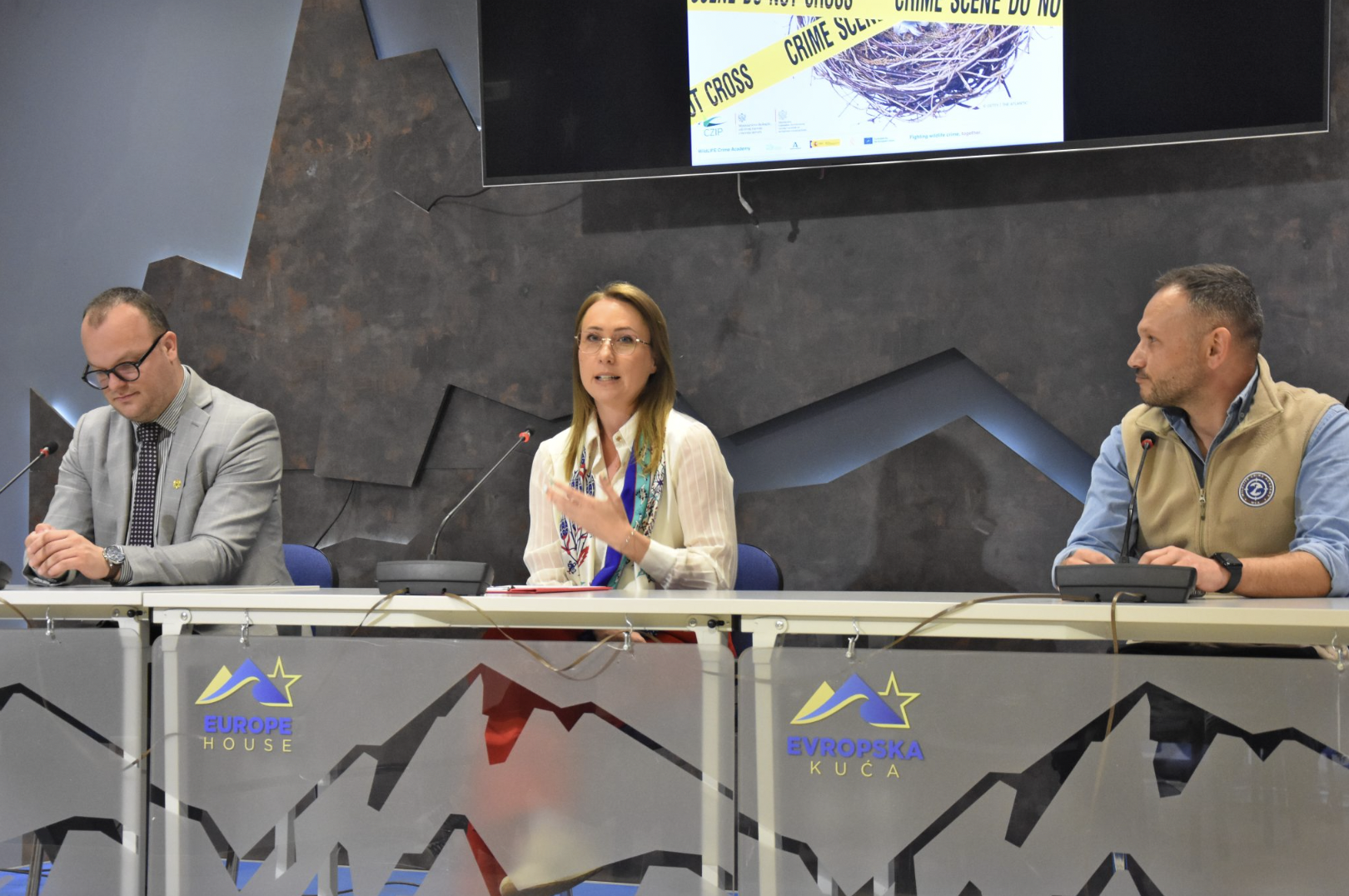
The committee brings together state institutions and civil society, with the Presidency and the General Directorate of Police playing central roles. Its creation reflects something the WildLIFE Crime Academy project advocates: wildlife crime cannot be tackled in isolation – it requires coordinated action across institutions that don’t always work side by side.
The crimes the committee focuses on include the use of poisons, wildlife smuggling and trafficking, pesticide misuse, wildlife losses caused by toxic substances, and other offences against nature. These are not minor issues. They damage ecosystems, threaten biodiversity, and put northern Cyprus’s natural heritage at risk.
Beyond field intervention
The committee’s work goes further than responding to incidents on the ground. It includes developing a road map and an operational protocol for wildlife crime investigation. CWRI plays a leading role in raising public awareness, grounding decisions in scientific evidence, supporting coordination between institutions, and providing solutions, all of which are part of the approach. This reflects a realistic understanding of how wildlife crime is best addressed, not through enforcement alone, but through prevention, faster reporting, institutional coordination and consistent follow-through across all relevant bodies.
What this means in practice
This committee reflects how the WildLIFE Crime Academy approaches wildlife crime at the national level. A core part of the Academy’s work involves establishing national working groups that bring together government authorities, civil society, prosecutors, and legal experts to improve coordination and develop shared protocols. The committee in northern Cyprus follows that model, creating a formal basis for inter-agency dialogue that supports the kind of coordinated investigation and prosecution the Academy trains professionals to carry out, from field detection and forensic evidence through to legal follow-through.
That coordination matters beyond borders too. Similar processes are already underway in the Republic of Cyprus. Wildlife does not recognise the buffer zone, which is why consistent enforcement efforts across the whole island matter to safeguard ecosystems and species.
This is a step the WildLIFE Crime Academy welcomes. Government commitment at this level signals that wildlife crime is being taken seriously and creates the foundation for lasting change. The work continues, but with the right partners at the table, there is real reason for optimism about what lies ahead for northern Cyprus’s natural environment.
About the WildLIFE Crime Academy
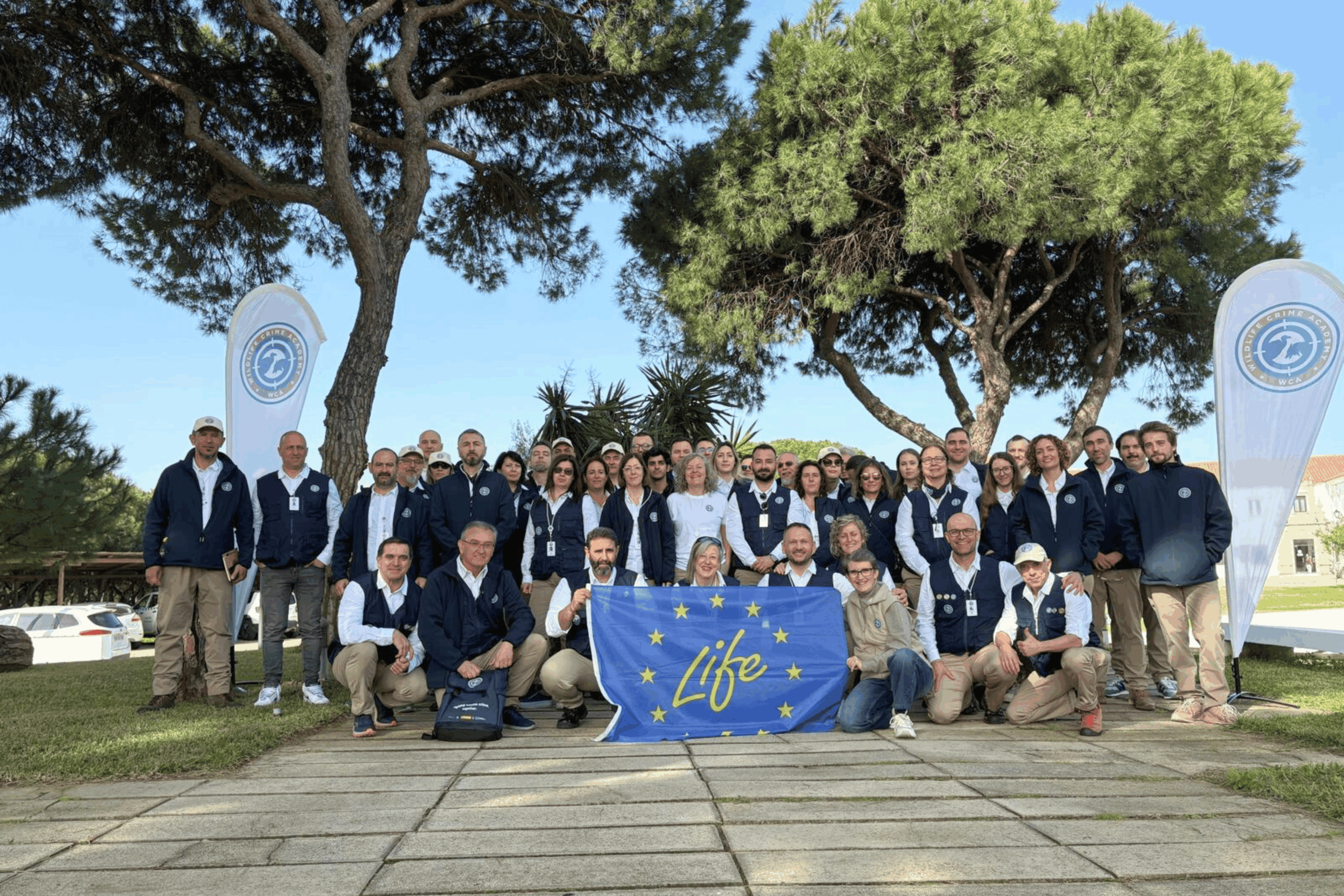
The WildLIFE Crime Academy is a five-year project (2024–2029) led by the Vulture Conservation Foundation and co-funded by the European Union’s LIFE Programme. Working across nine countries alongside local partners, the Academy trains enforcement authorities, NGOs, and forensic specialists with the practical skills needed to investigate and prosecute wildlife crimes, from poaching and poisoning to illegal trade. Its approach draws on proven methods developed in Spain, where coordinated enforcement and forensic innovation reduced wildlife poisoning incidents by 90% over two decades, and applies those lessons across Europe, North Africa, and the Caucasus.