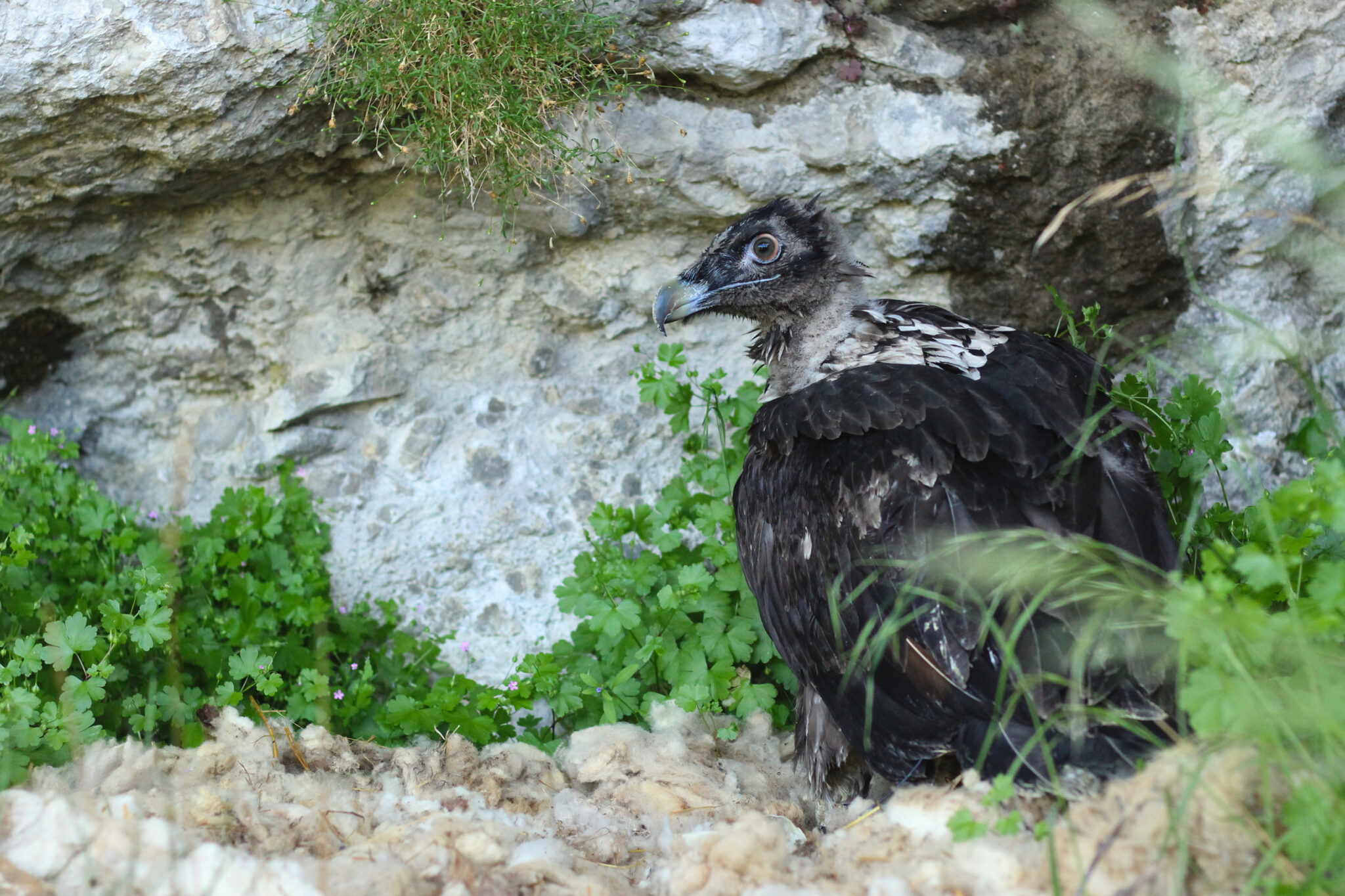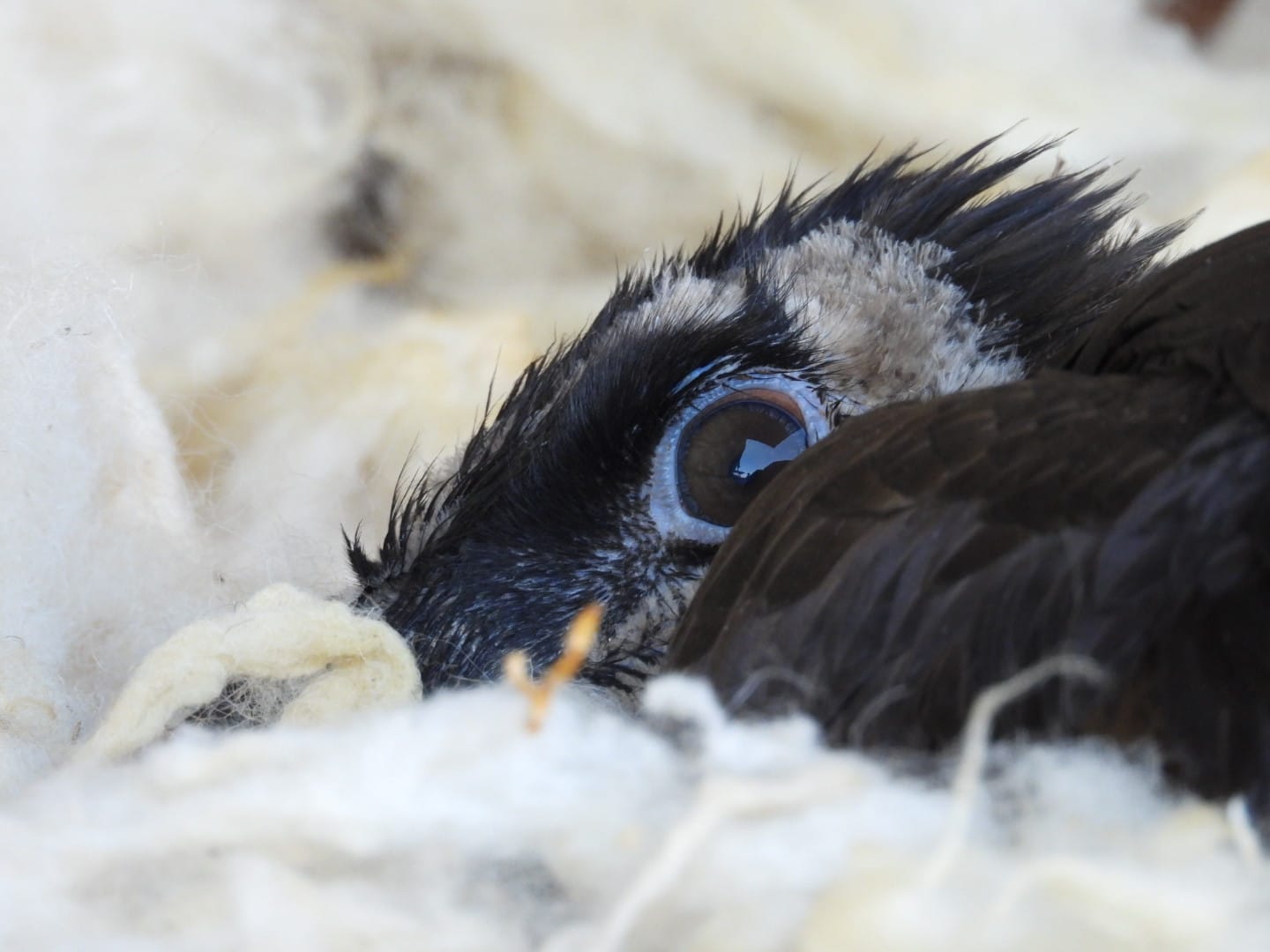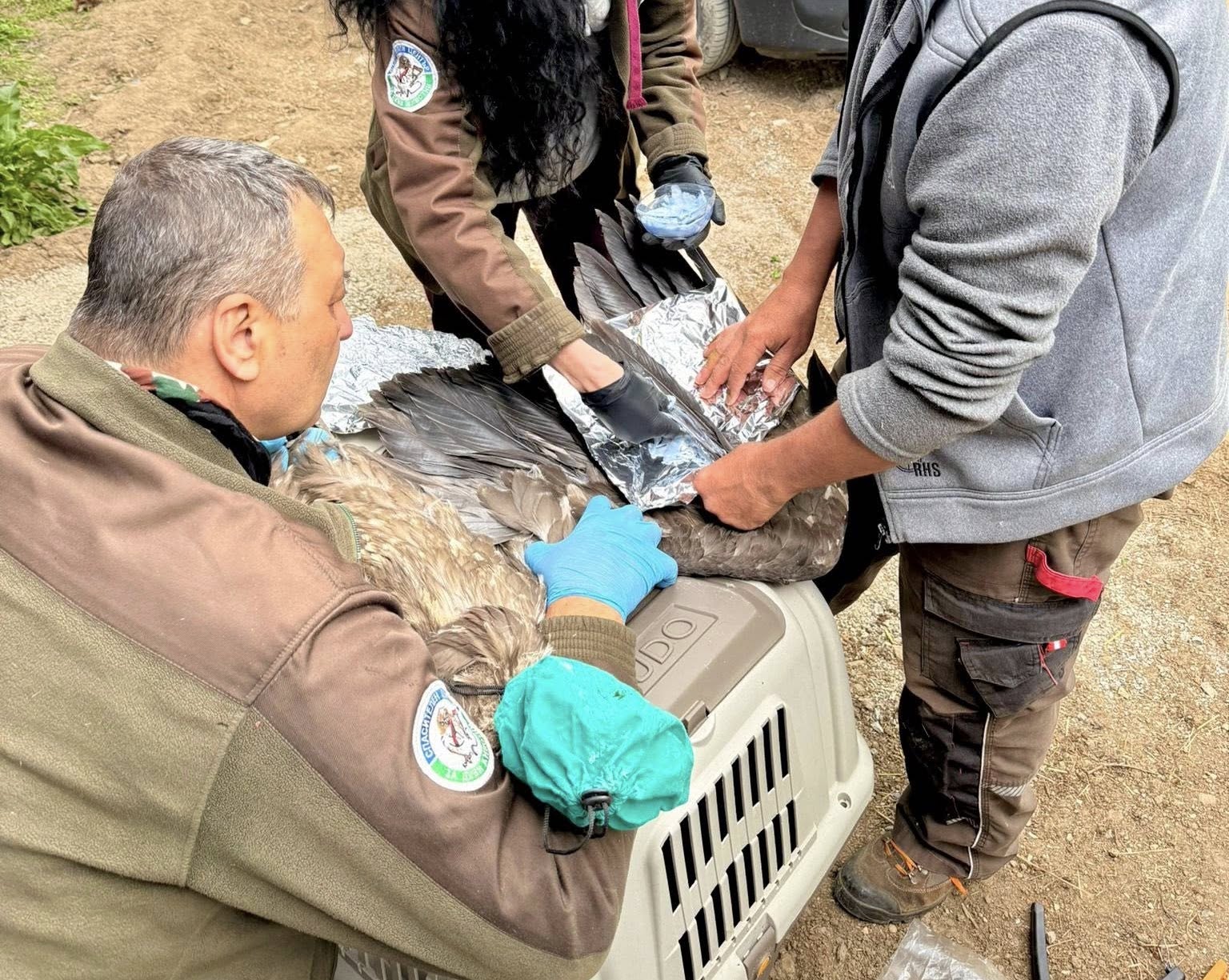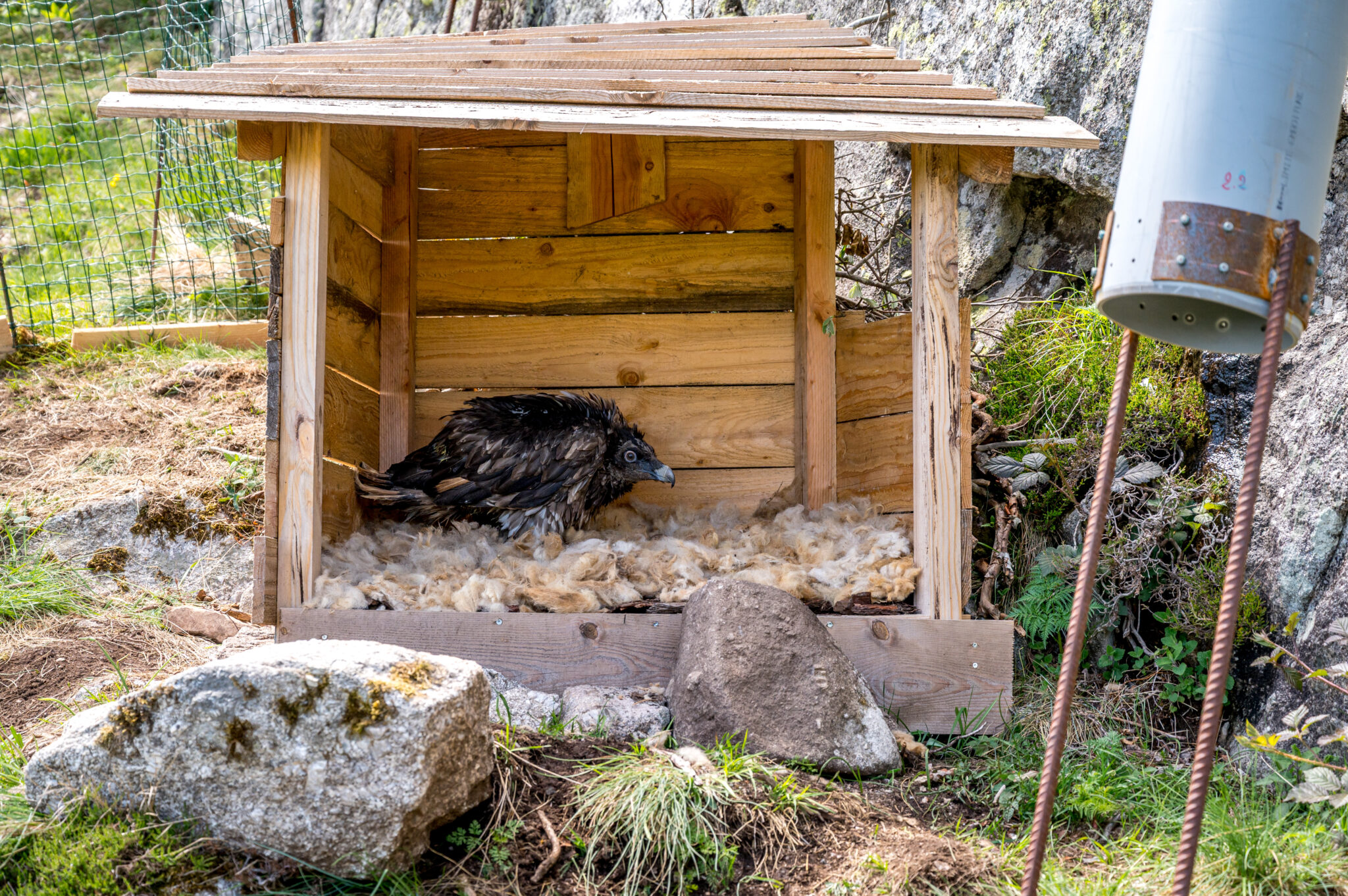
The 2025–2026 Bearded Vulture breeding season is unfolding across Europe. As in many captive-breeding centres, the first signs of new life have now appeared at the specialised breeding unit of the Vallcalent Wildlife Centre in Spain.
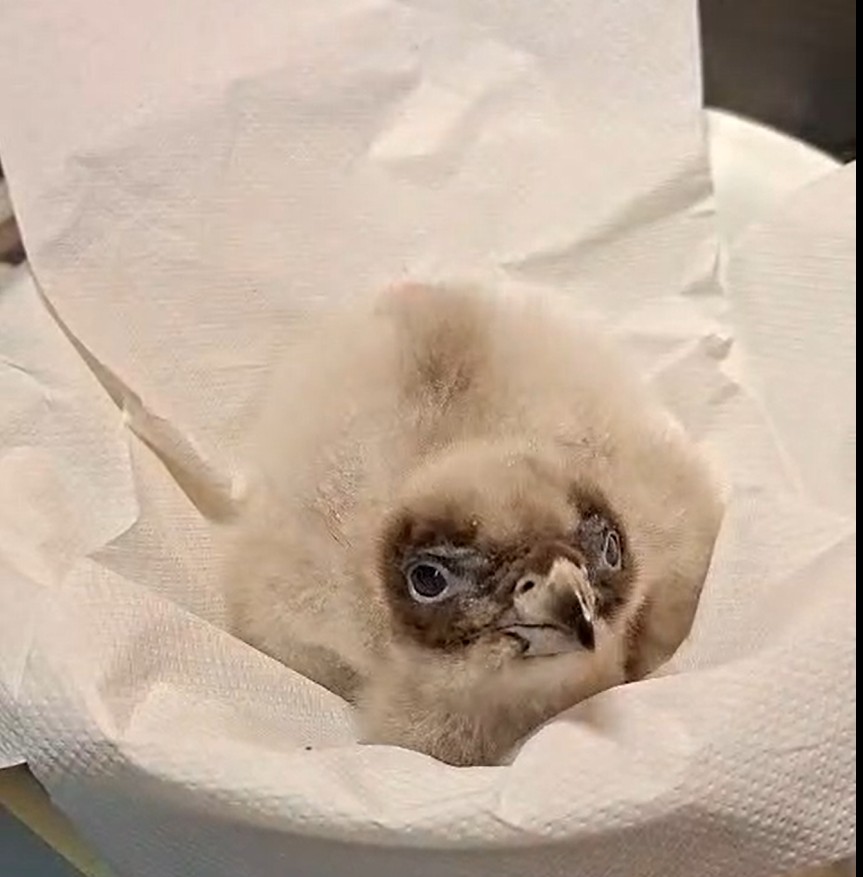
On Sunday, 8 February, at 8:50 a.m., the Bearded Vulture (Gypaetus barbatus) chick “Montowl” hatched at Vallcalent. Registered as BG1290 within the EEP breeding programme, the chick hatched unassisted in the incubator and weighed 169.4 grams at birth.
As the season progresses, dedicated staff will continue monitoring eggs, supporting breeding pairs, and ensuring that each new arrival gets the best possible start in life.
A pair with a long history
BG1290’s biological parents are BG234 Henry (31) and BG397 Ida (24). The pair has been together since 2011, when they were housed at Montowl in Italy — a centre dedicated to the breeding of owls and other endangered birds, founded by the Milanese ornithologist, researcher and educator Enrico Albertini.
Enrico devoted his life to the conservation of birds of prey. Following his passing in 2024, Montowl closed, and the three Bearded Vultures housed there — including Henry and Ida — were transferred to the Vallcalent Wildlife Centre to continue contributing to the European conservation breeding programme.
Although Henry and Ida had been paired for many years, they had produced only one chick before, in 2022. Sadly, that juvenile died at seven months of age due to an infection, leaving the pair without surviving offspring.
The hatching of BG1290 therefore represents an important milestone for this experienced pair. The chick’s name, Montowl, honours the legacy of Enrico Albertini and the centre where Henry and Ida spent much of their lives.
Careful first days and foster adoption
After hatching, BG1290 was cared for around the clock by VCF staff for five days, following standard protocols to ensure a stable start to life. Close monitoring, controlled feeding and health checks are essential during this critical early phase.
On February 13, the chick was placed in the nest of BG368 Kazajo, an imprinted male known for his exceptional parenting skills. He immediately accepted and adopted the chick and will raise him over the coming months.
Kazajo’s role as a foster father is indispensable to the success of the Bearded Vulture captive breeding programme. Thanks to his strong parental instincts, he can reliably adopt and raise chicks under expert supervision, providing them with the critical care they need to thrive. Kazajo has successfully raised 11 chicks so far, proving himself to be an outstanding and dependable foster parent within the network. Montowl will be his 12th adopted chick — another important chapter in an already remarkable parenting record.
Next steps
In the coming weeks, Montowl — along with the other chicks at Vallcalent — will be closely monitored to ensure his health and proper development. Regular checks and careful observation are essential during this critical growth phase.
If all progresses well, in around 90 days the chick may be selected either for release into the wild or to remain within the conservation breeding programme, contributing to future generations. We look forward to following Montowl’s development in the months ahead.
Bearded Vulture EEP
The Bearded Vulture EEP, coordinated by the Vulture Conservation Foundation (VCF) on behalf of EAZA, continues to focus on enhancing the genetic diversity and stability of the European population. With a network comprising over 40 institutions, the EEP supports captive breeding that underpins reintroduction projects across Europe.
With the 2025–2026 season, we take another meaningful step toward securing a thriving future for Europe’s Bearded Vultures. We look forward to sharing the inspiring story of these hatchlings as they grow, take flight, and help restore the species to the wild.
Vallcalent Specialized Breeding Unit
Vallcalent Bearded Vulture Breeding Unit located in Lleida, Spain has been operating since 2005 through a partnership between the Vulture Conservation Foundation (VCF) and the Catalan Government. Home to 33 birds, Vallcalent plays a vital role in producing genetically important chicks, rehabilitating injured vultures, and providing foster care for birds that can’t breed naturally.